

This is the best homemade lobster ravioli recipe you'll ever make! Homemade egg pasta filled with sweet lobster and shrimp, nestled into a gorgeous tomato cream sauce. It's the ultimate seafood ravioli recipe you might only think to make for special occasions, but it's totally worth the splurge (especially when your local grocery store runs a special on whole lobster or lobster tails)!
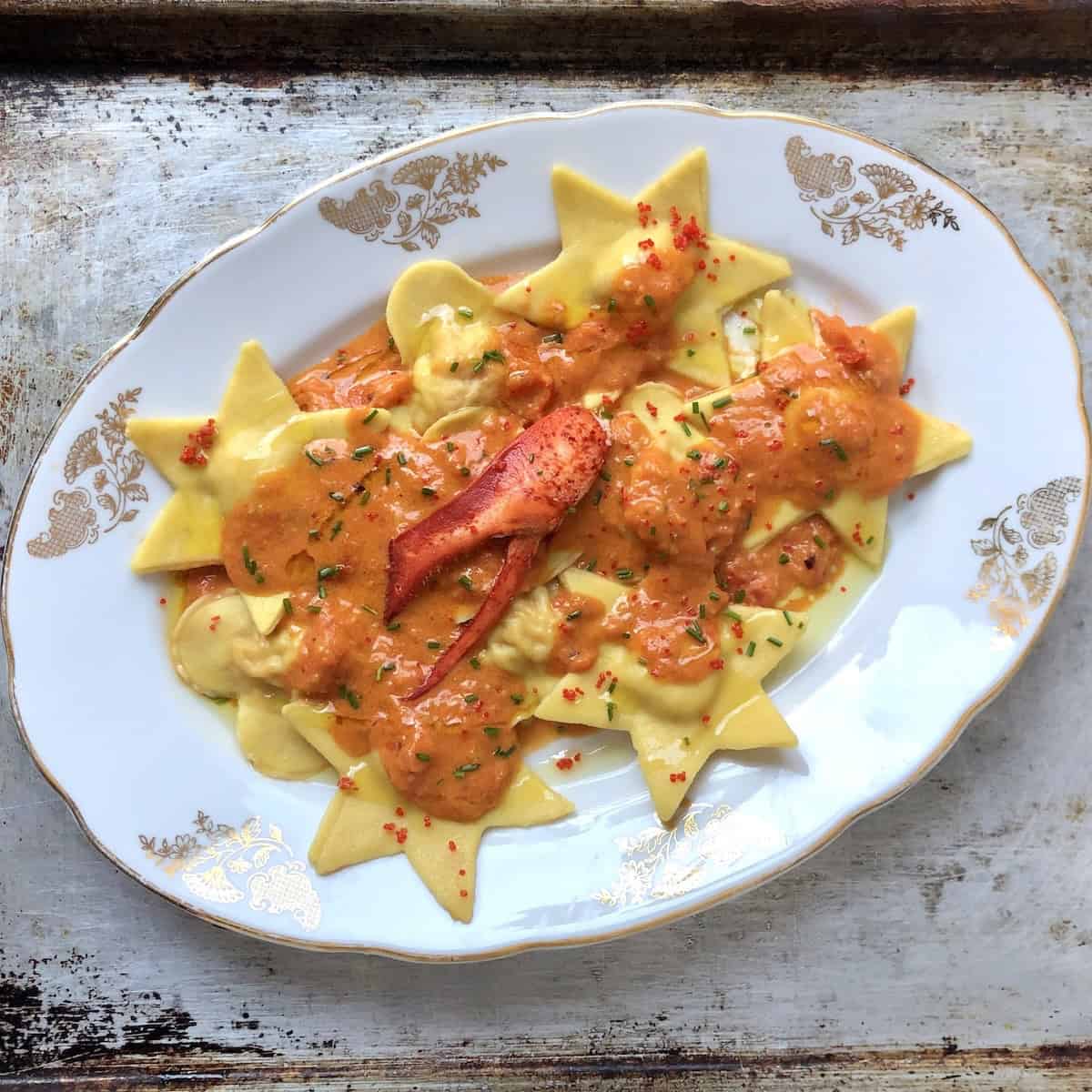
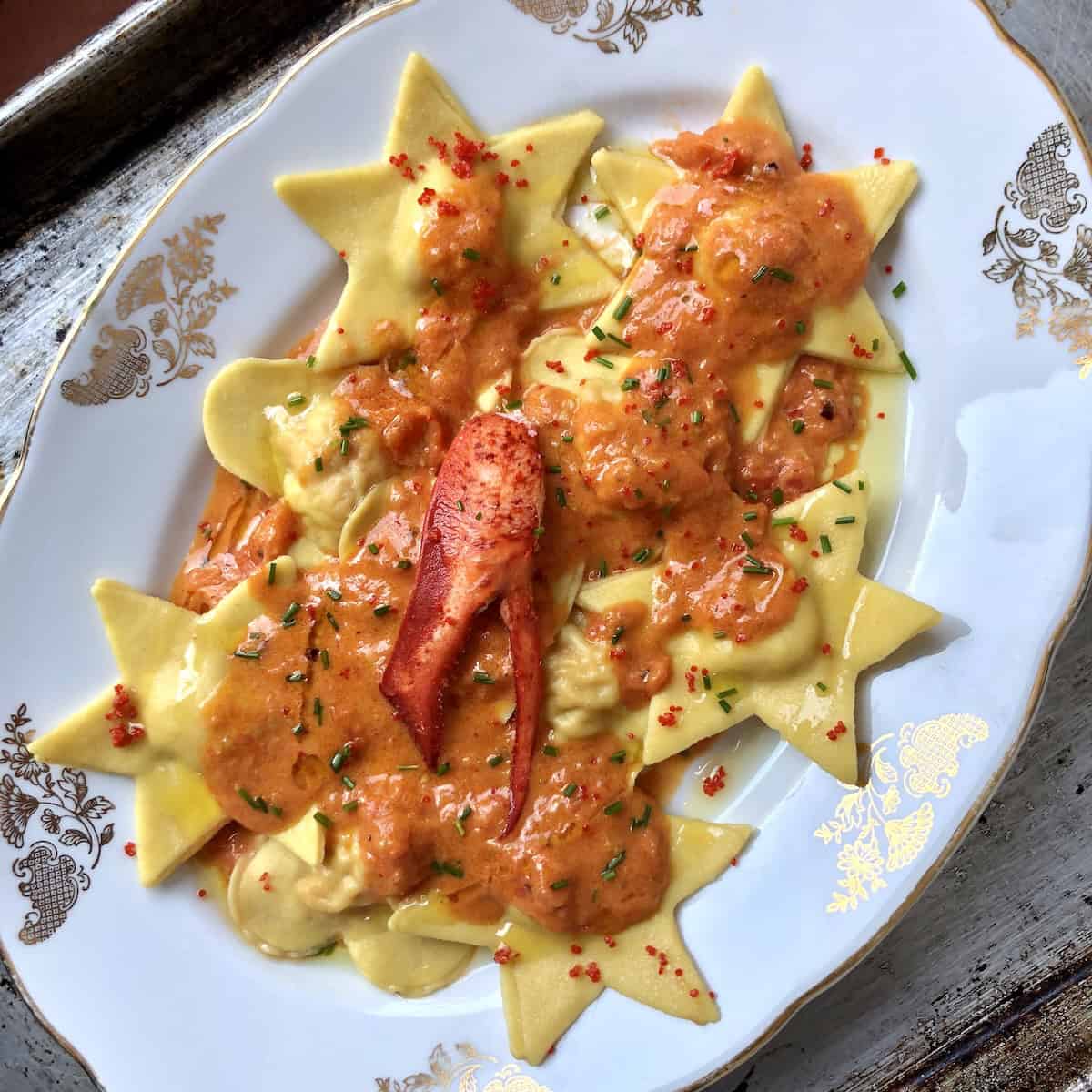
Plump pasta pillows filled with sweet lobster chunks and Argentinian red shrimp (making this both a lobster ravioli and shrimp ravioli all in one), all dressed in a gorgeous pink sauce made with fresh tomatoes, EVOO, garlic, white wine, and mascarpone. If you've ever wondered what sauce goes with lobster ravioli, this tomato cream sauce is my answer every single time!
Why This Recipe Works
This ravioli filling celebrates lobster's delicate flavor without competing flavors (like the salmon in Gordon Ramsay's lobster ravioli recipe, which I'm certain is worthy of every Michelin Star, but not what I was after). I also wanted to avoid adding unnecessary fillers like potatoes, bread crumbs, or too much cheese, which are often found in seafood and lobster ravioli fillings (especially commercial versions).
The answer? A simple, complimentary shrimp mousse made using par-cooked sweet Argentinian red shrimp to act as the perfect binder, borrowing lessons I've learned from shrimp dumpling making while living in China. Instead, this shrimp mixture is combined with generous chunks of lobster that you can actually see and taste in every bite.
And this isn't your typical seafood ravioli filling that's mostly ricotta cheese or other fish with a hint of lobster or shrimp. Instead, it's chock full of fresh lobster flavor without breaking the bank.
Jump to:
- Why This Recipe Works
- Why You'll Love This Lobster Shrimp Ravioli Recipe
- What Sauce Goes with Lobster Ravioli?
- Lobster Ravioli Ingredients
- How to Make Homemade Lobster Ravioli
- Holiday-Shaped Ravioli: A Fun Twist
- What to Serve with Lobster and Shrimp Ravioli
- Substitutions
- Variations
- How to Store and Freeze Lobster Ravioli
- Make-Ahead Meal-Prep Instructions
- Top Tips for Perfect Lobster Ravioli
- Perfect for Special Occasions
- Tips for Buying Lobster on a Budget
- FAQ
- More Shrimp Recipes
- More Seafood Pasta Recipes
- 📖 Recipe
- Food Safety
Why You'll Love This Lobster Shrimp Ravioli Recipe
- Dual seafood filling combines sweet lobster chunks with more affordable sweet Argentinian red shrimp mousse for incredible texture and flavor.
- Restaurant-quality results using professional techniques like clarified butter, homemade seafood stock (or store-bought for convenience), and the Italian mantecatura method for that silky tomato-cream sauce.
- Lighter than you'd think: Just 280 calories and 13g of protein per serving (6 ravioli). Because the filling relies mostly on seafood rather than heavy cheese, this homemade lobster ravioli is healthier than most restaurant or store-bought versions without sacrificing any of the richness.
- Perfect special occasion pasta recipe from Valentine's Day to Mother's Day, Thanksgiving, Christmas Eve's Feast of the Seven Fishes, to Lenten Fridays when you want something truly impressive.
- Freezer-friendly lobster ravioli recipe so you can make ahead and have an elegant dinner party ready to go on a whim.
- Flexible ingredients that work with frozen lobster (budget-friendly!), fresh lobster, or skip the lobster entirely for a delicious shrimp ravioli version instead.


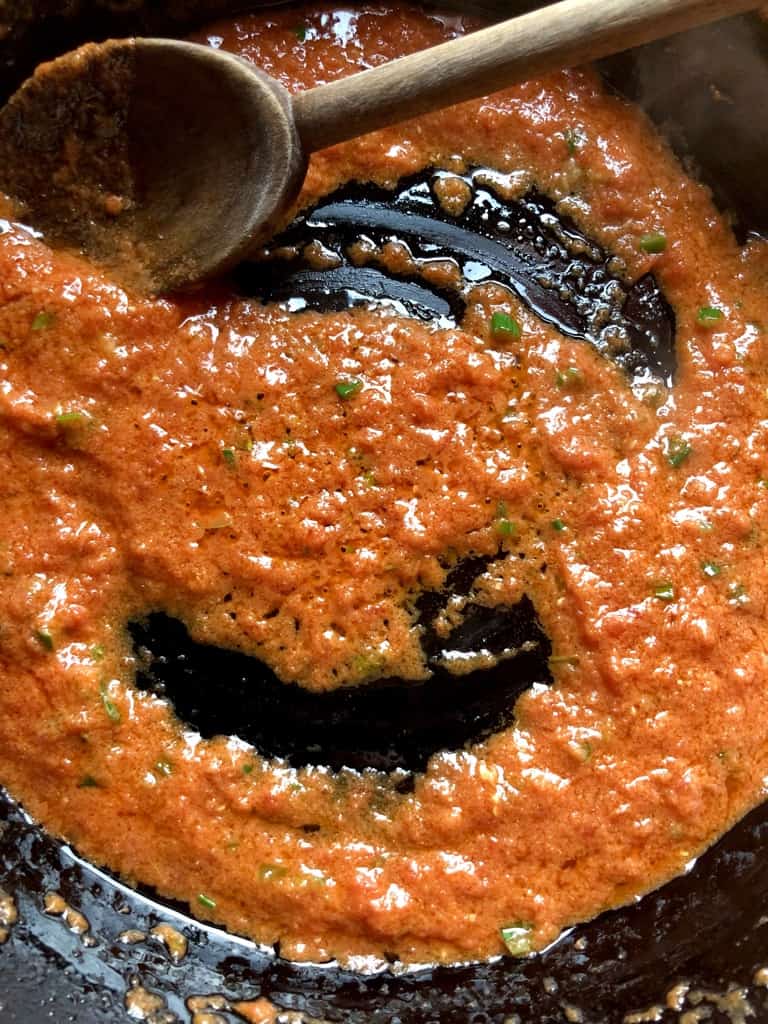
What Sauce Goes with Lobster Ravioli?
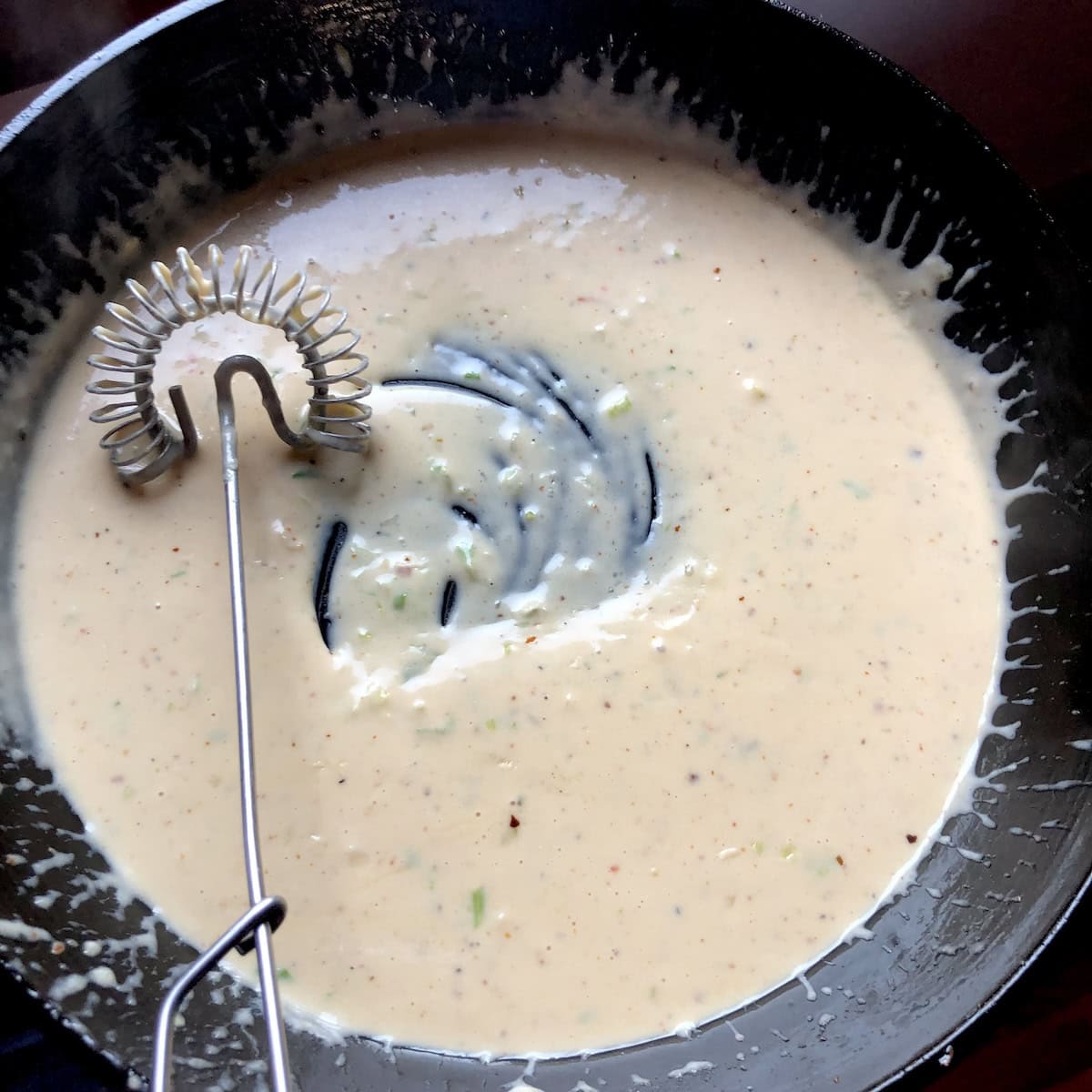
The best sauce for lobster ravioli is one that complements the sweet, delicate seafood without overwhelming it. If you're looking for a pink sauce for lobster ravioli, this tomato cream sauce (aka rosa sauce) hits that perfect balance with bright tomato flavor, rich mascarpone, and a silky texture from the mantecatura method.
If you're watching calories, this homemade lobster ravioli is lighter than most restaurant versions. The filling relies on protein-rich lobster and shrimp rather than heavy cheese, and the tomato cream sauce uses mascarpone sparingly for richness without the heaviness of a traditional cream sauce with loads of heavy cream.
Other tasty options include butter sage sauce for an earthier flavor profile, simple garlic-butter or lemon butter (beurre blanc) to let the seafood shine, lobster ravioli vodka sauce if you love that creamy-tomato kick (just swap the white wine for vodka when deglazing), a richer tomato alfredo sauce for more depth, or this lighter classic alfredo sauce if you prefer something purely cream-forward.
Some people have asked if you can use lobster bisque as a sauce for lobster ravioli, and the answer is technically, yes. While it creates a double-lobster experience, for us, it's too rich for this ravioli recipe.
For this lobster and shrimp ravioli, you have plenty of options, but we really do love this tomato cream sauce. The acidity from the tomatoes and white wine cuts through the richness of the filling beautifully, and if you're looking for a lobster ravioli sauce recipe you can make ahead, it holds well and reheats beautifully with a splash of stock
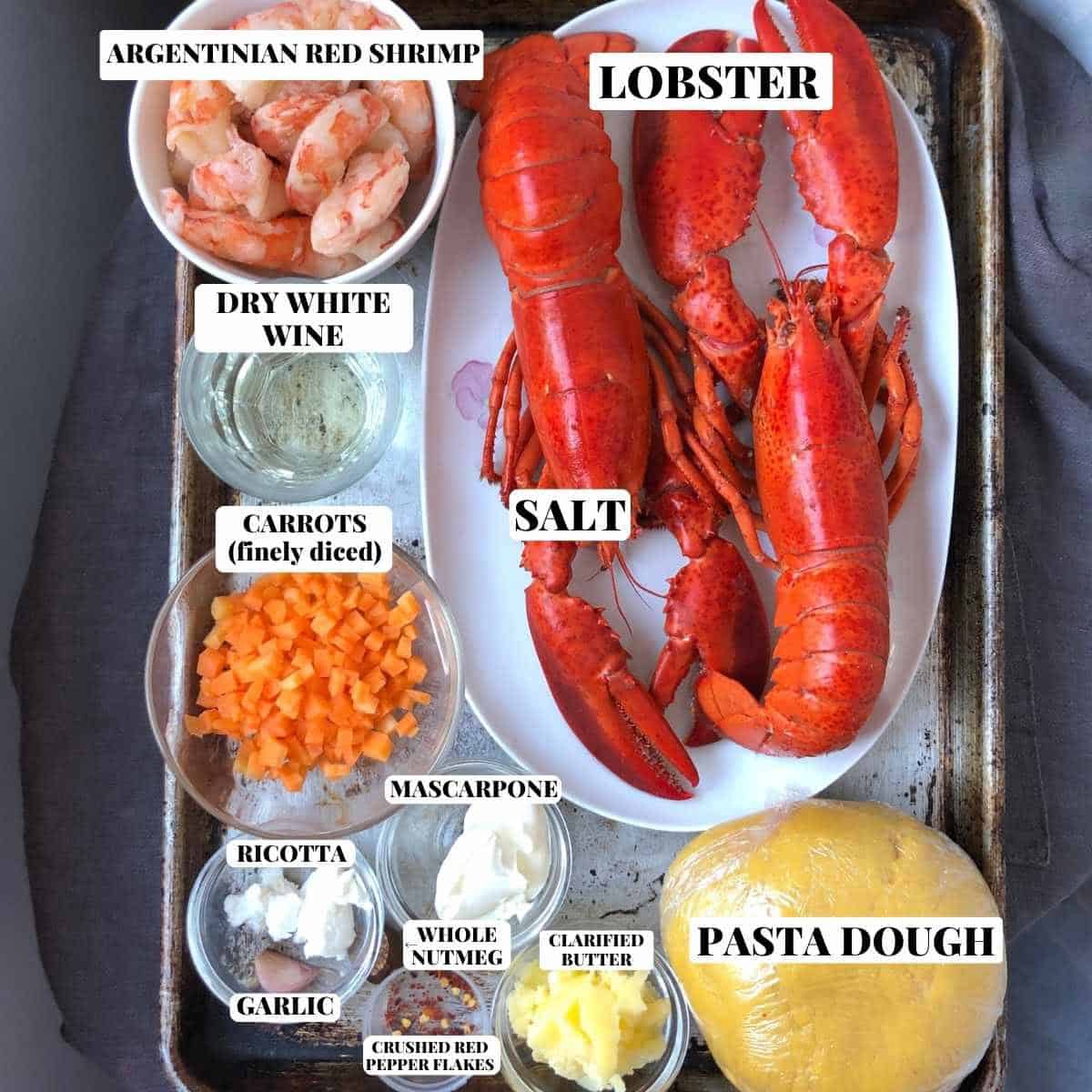
Lobster Ravioli Ingredients
For the Lobster and Shrimp Filling
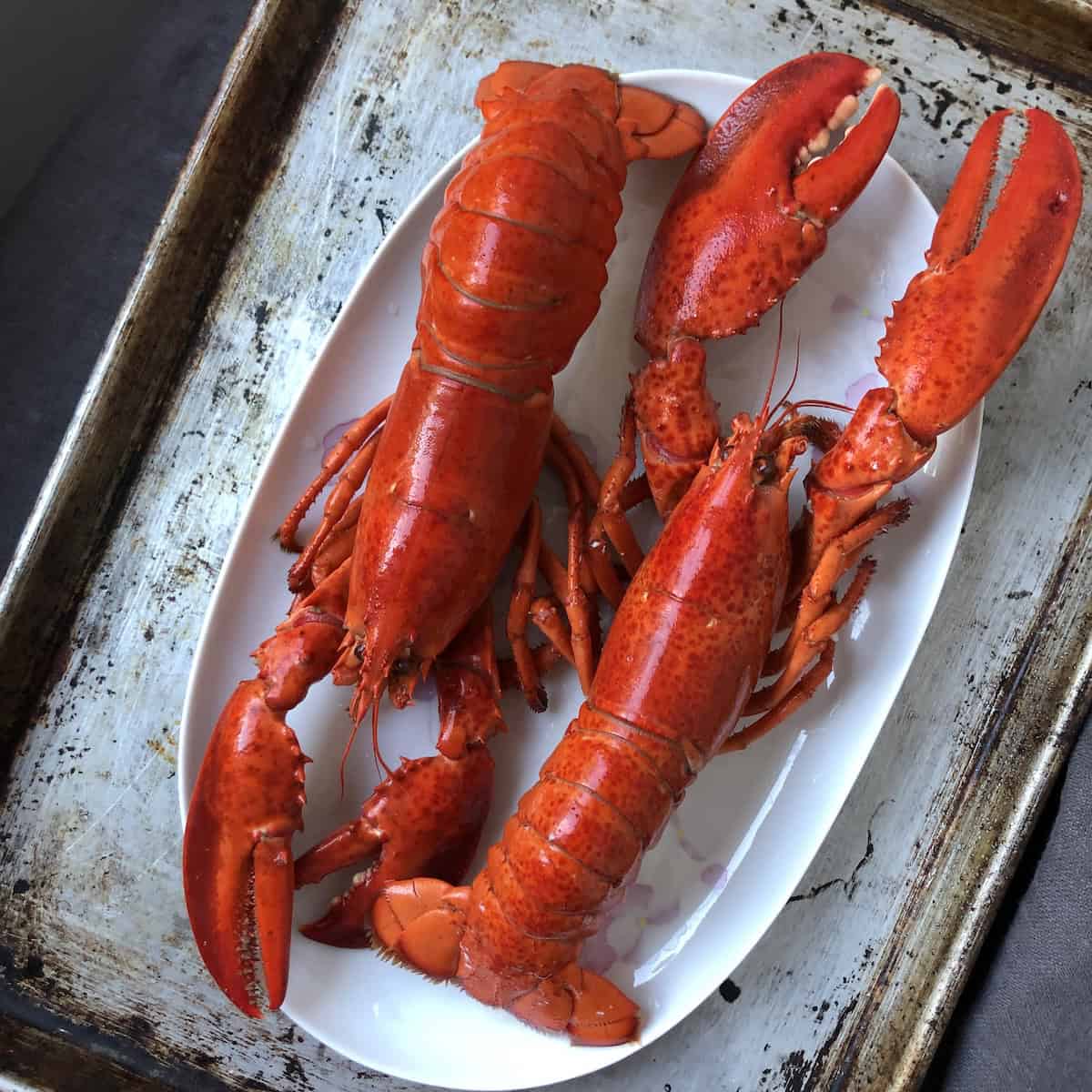
- Lobster meat provides the sweet, succulent chunks that make this filling special. Use frozen whole lobsters (I used 2 lobsters at 350g each), which yielded about 250g of meat. Fresh lobster works beautifully and tastes even better if you can find it (and afford it). You can find great deals around Thanksgiving and Christmas when grocery stores run holiday specials.
- Argentinian red shrimp creates the "mousse" that binds the filling together. These sweet, tender shrimp have a flavor closer to lobster than regular shrimp. Standard raw shrimp work as a substitute. And genuine Gulf Royal Red Shrimp are even better than Argentinian Reds for this recipe if you can get them.
- Mascarpone and ricotta (just a hint of both) add creaminess without making the filling heavy or masking the seafood flavor. Want an even creamier filling? Add 1 to 3 additional tablespoons of mascarpone.
- Clarified butter (or Ghee) is a traditional pairing for lobster, so it was a natural fit for this filling recipe. It also has a cleaner flavor than regular butter. It's worth the extra step to melt the butter and clarify it or use store-bought ghee if you're short on time.
- Caramelized carrot is my secret ingredient! Briefly caramelizing finely diced carrots in garlic-infused clarified butter, then pureeing them with the shrimp, adds natural sweetness without any identifiable carrot flavor. Trust me!
- Garlic (smashed) is used to gently perfume the clarified butter mixture, which adds flavor without being discernible. The goal is to let the lobster and shrimp shine, which is why we're not mincing the garlic and adding it, which adds depth and flavor that complements the seafood without overpowering it.
- White wine deglazes the pan and adds depth. Any dry (unoaked) white you'd drink works well.
- Chives (a tiny amount) add a hint of extra deliciousness without overpowering or taking away from the flavor of the seafood filling. It's optional, but highly recommended. It's not pictured above, but I've made this filling with and without chives, and we prefer the addition! You can substitute scallions, but not shallots or regular onions.
- Leaf Lard is an optional ingredient, but adding a little extra flavorless fat to the filling in the form of high-quality lard is another trick I've learned from my living in Chengdu, and learning how to make authentic shrimp dumplings. Pork fat is a trick to making shrimp dumplings taste even better and give them a better mouthfeel. I've made this ravioli filling with leaf lard and without, and I prefer it with the lard. You can also substitute finely minced pork fat back for the lard, but it's a bit more work. Customize as you wish.
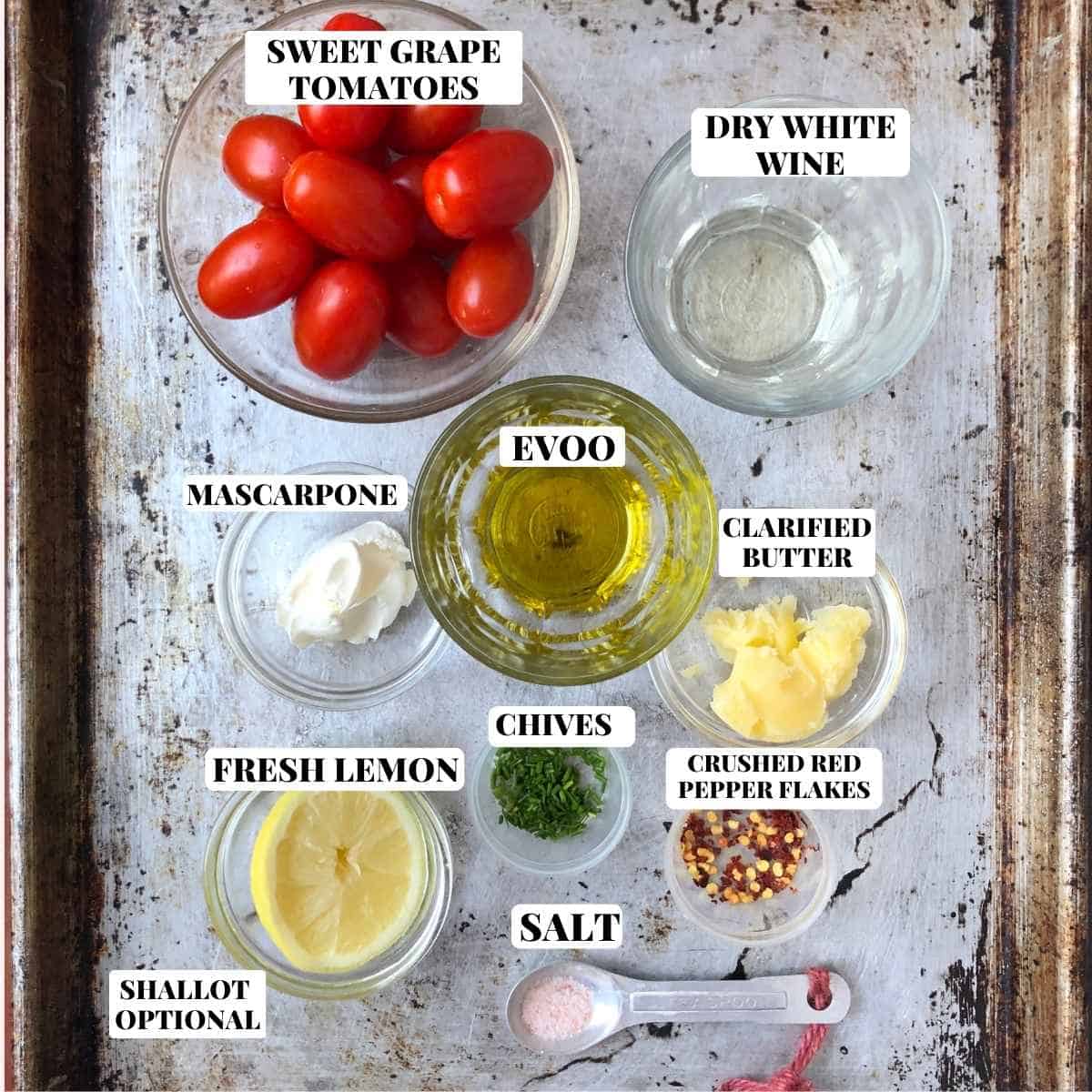
For the Tomato Cream Sauce
- Sweet grape tomatoes get blanched and peeled for the freshest flavor. This extra step makes a noticeable difference. But you can use equal amounts of good canned San Marzano DOP tomatoes or homegrown garden fresh tomatoes.
- EVOO and Clarified Butter work together to build this delicious sauce.
- Shallot (finely minced) is an optional ingredient to use if you want to add a little extra flavor. If you have one lying around, use it. Shallots add a nice flavor. If you don't, it's not a dealbreaker!
- Mascarpone creates that gorgeous pinkish color and silky cream-like texture. Don't substitute with tangy cream cheese, which can detract from the delicate seafood flavor.
- Dry white wine adds acidity to help cut through the richness, and helps elevate the flavor compounds in the tomatoes.
- Crushed red peppers are optional, but add a slight kick of heat we really love.
- Fresh lemon adds brightness. Use a very light hand because even just a little too much can overpower the dish. Just a tiny squeeze (like a ⅛ to ¼ teaspoon) is often just enough to lift the dish.
- Fresh chives for garnish add color and a mild onion flavor that complements the seafood.
- Sea salt, pink Himalayan salt, or kosher salt all work well, so use what you have, but don't use iodized table salt. The iodine flavor isn't ideal for seafood.
See recipe card for quantities.
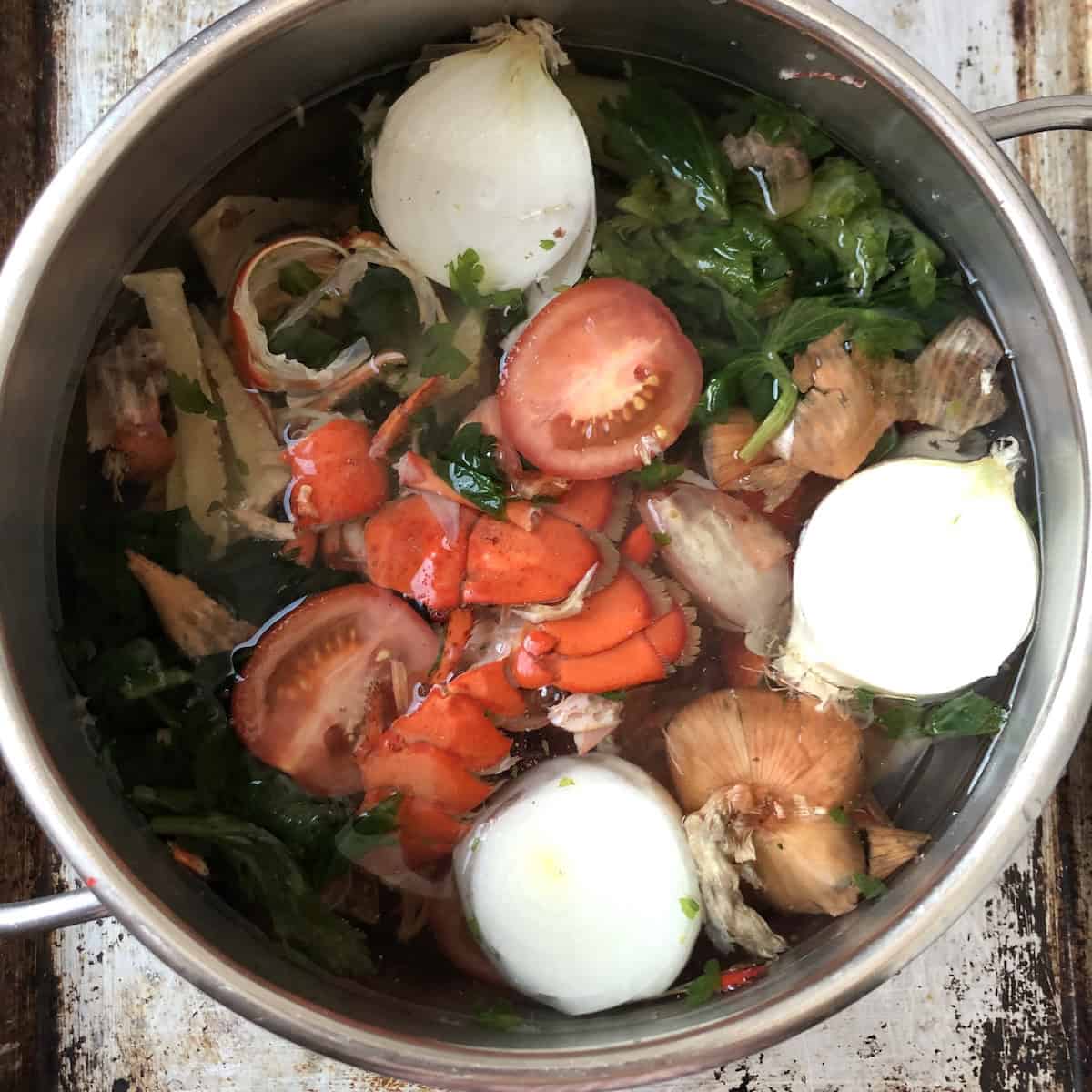
For the Seafood Stock (Highly Recommended)
For a shortcut, use a high-quality organic seafood stock from your local grocery store or, even better, from your local fishmonger. I use a pressure cooker to make an intensely flavored shrimp and lobster stock, but you can also just pop these ingredients into a large pot, cover it with a lid, and cook for about an hour (even less if you're in a hurry). It's almost effortless, and for me, it's worth it.
- Lobster and shrimp shells get roasted for about 15 minutes, just until fragrant, then simmered with aromatics (or, in this case, pressure-cooked) for a quicker alternative. This is zero-waste cooking at its finest and getting the most out of expensive lobster and red shrimp. Cooking your ravioli in this stock and adding a bit to the tomato-cream sauce adds incredible depth and kicks this ravioli up another notch. Plus, you'll have plenty of stock leftover to use for homemade lobster and shrimp tortellini (recipe coming soon)!
- Aromatics include onion, carrot, celery, a fresh grape tomato or two, and black peppercorns for a classic mirepoix seafood stock base.
- Grana Padano (or Parmesan) crusts are optional, but add amazing umami and minerals. Save your leftover cheese rinds in the freezer for exactly this purpose (it's one of the secrets to making THE best chicken broth, homemade soups, and pasta sauces, and so much more!
How to Make Homemade Lobster Ravioli
If you're not used to making homemade pasta, this is a great weekend project that lets you take your time. But it's also easy to meal-prep and break it into manageable steps.
Be prepared to set aside a few hours and enjoy the process all on one day, or break it up into smaller steps over a few days (I show you how below). Here's what you need to know for each component:
Step 1. Make the Homemade Pasta (or buy pre-made fresh lasagna pasta sheets)
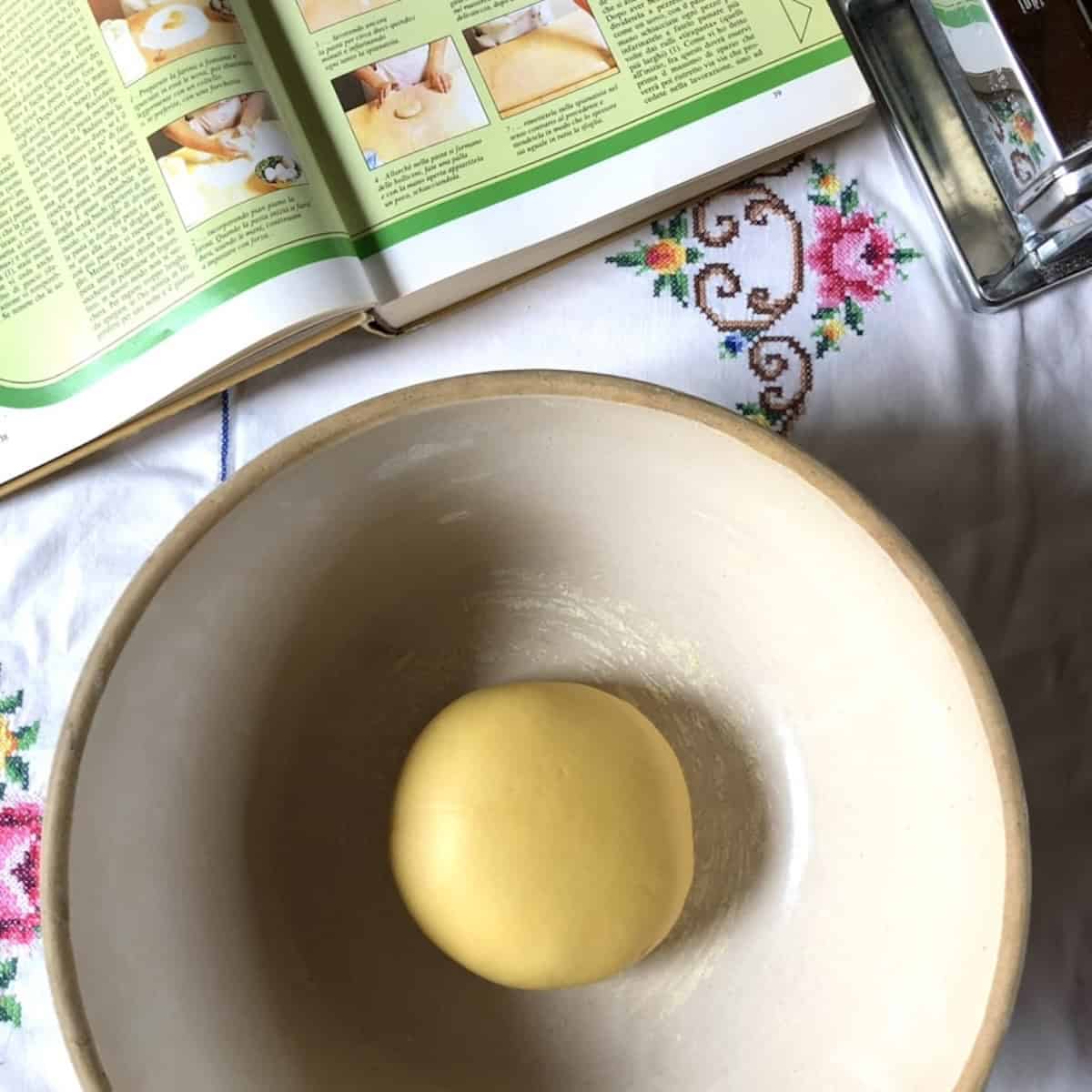
Make homemade pasta dough using this recipe and let it rest (covered) while you make the filling. Alternatively, use fresh egg pasta lasagna sheets from the refrigerated section of the grocery store, plus a little egg wash or water to help seal the ravioli.
Step 2. Par-Cook the Shrimp
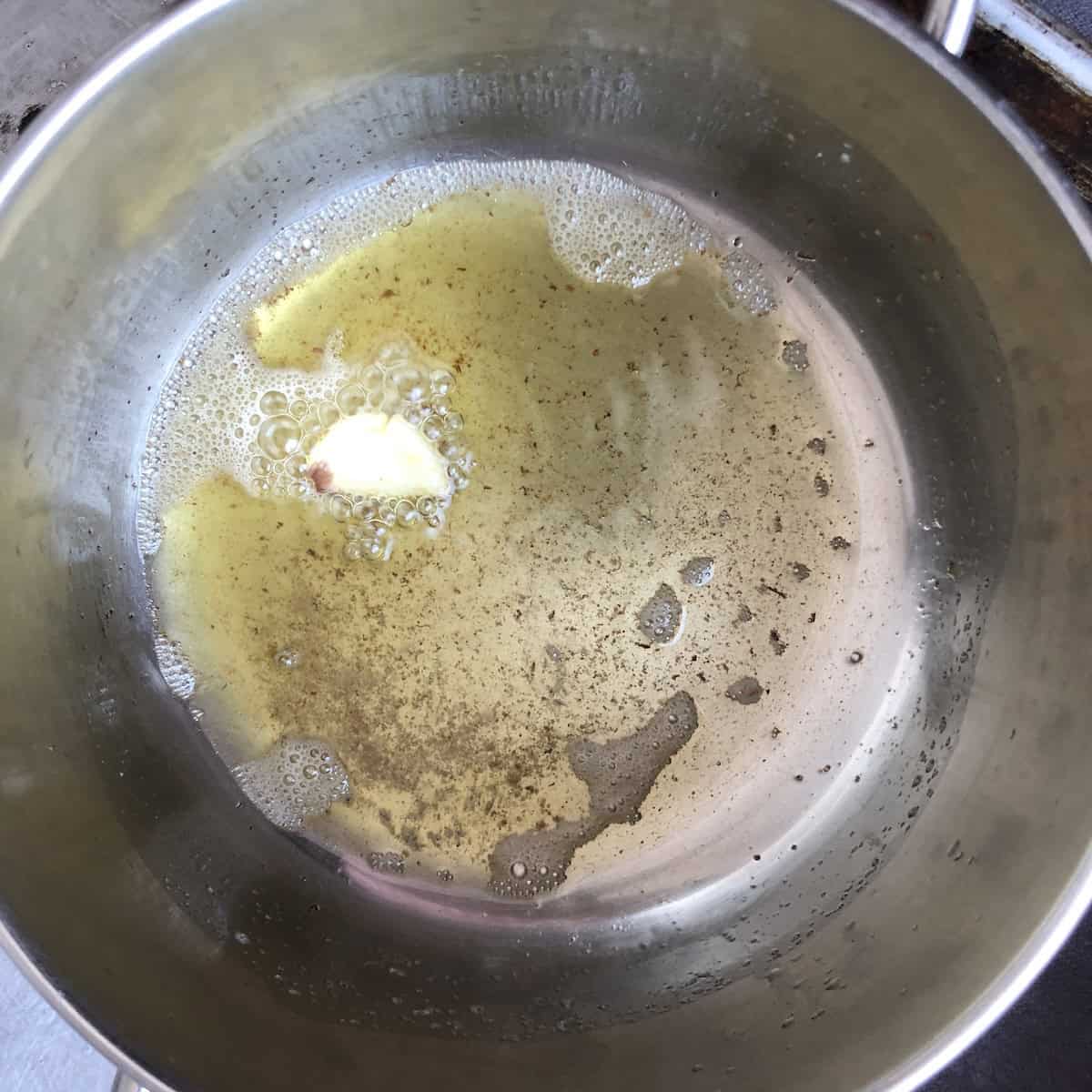
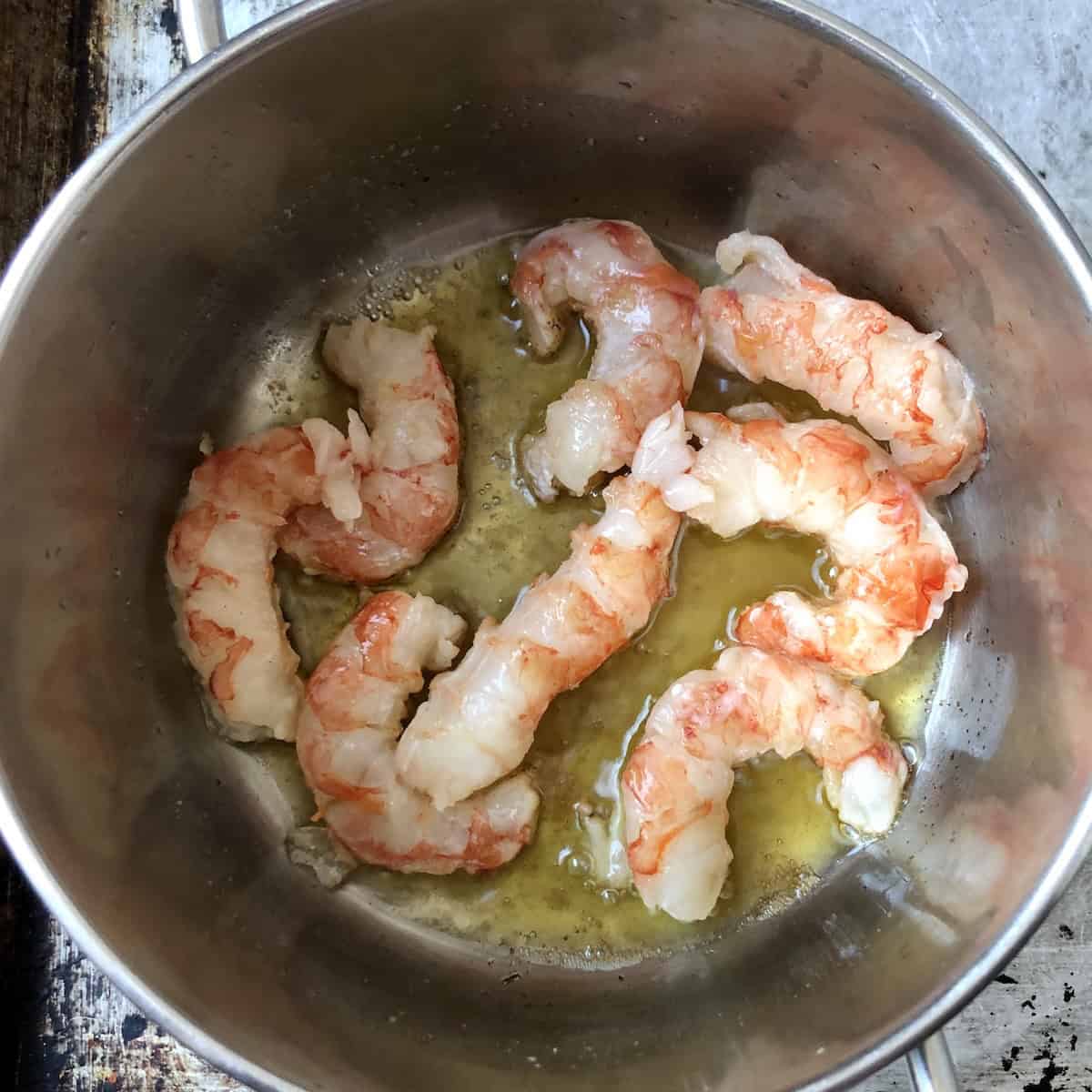
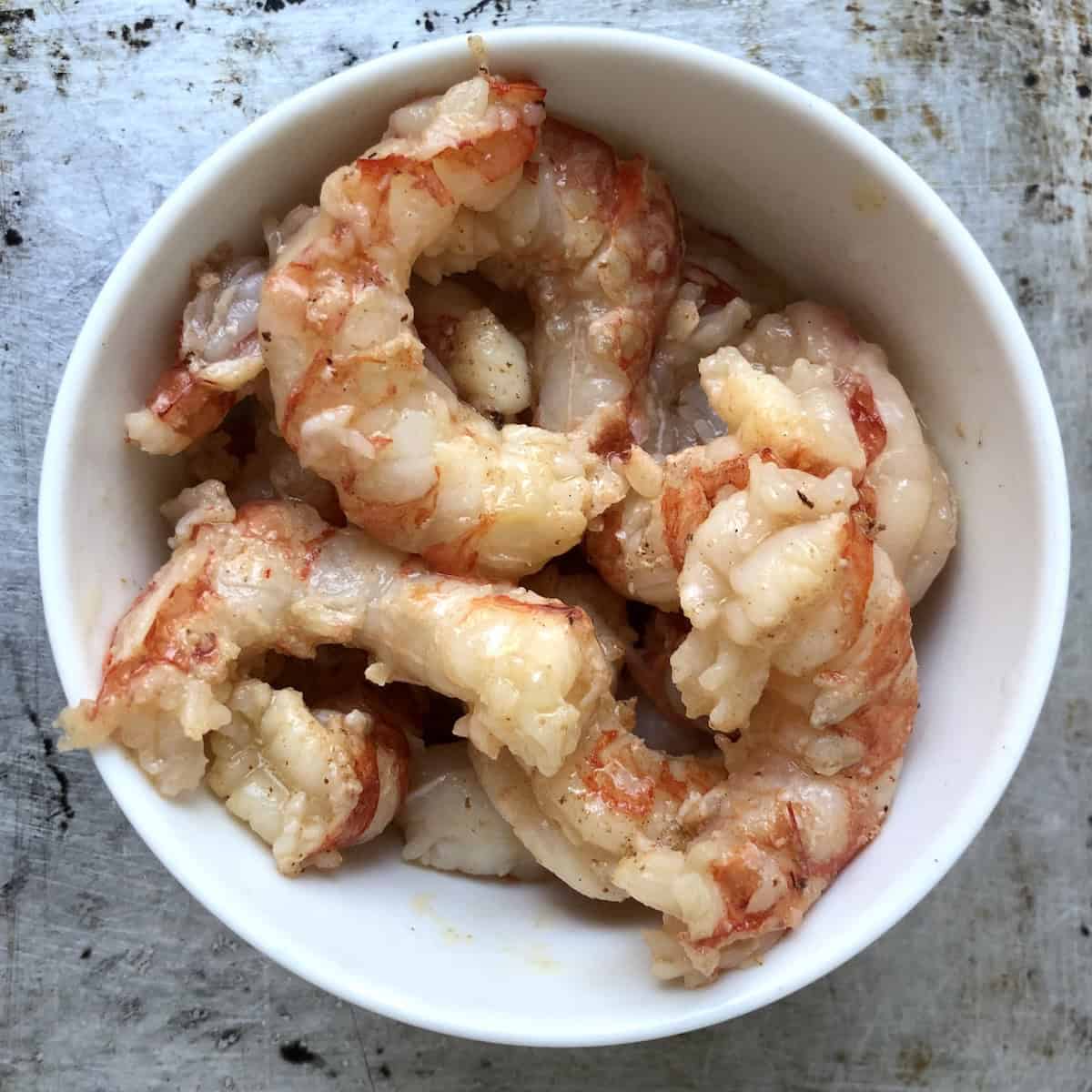
Sauté the smashed garlic clove in the clarified butter over medium heat until slightly blistered and fragrant. Add the raw shrimp in a single layer (working in batches), season with salt, and cook for 30 seconds, flip them over and cook for 30 seconds more, just until they begin turning pink (about 1 minute total).
Remove them to a plate or a bowl and chill immediately (and completely) in the refrigerator. Cold is crucial here! The goal is to cook them just long enough so the raw proteins still work as a natural binding agent, but are also cooked just enough to finish setting during the final quick ravioli cooking time.
Step 3. Caramelize the Carrots & Deglaze with Wine
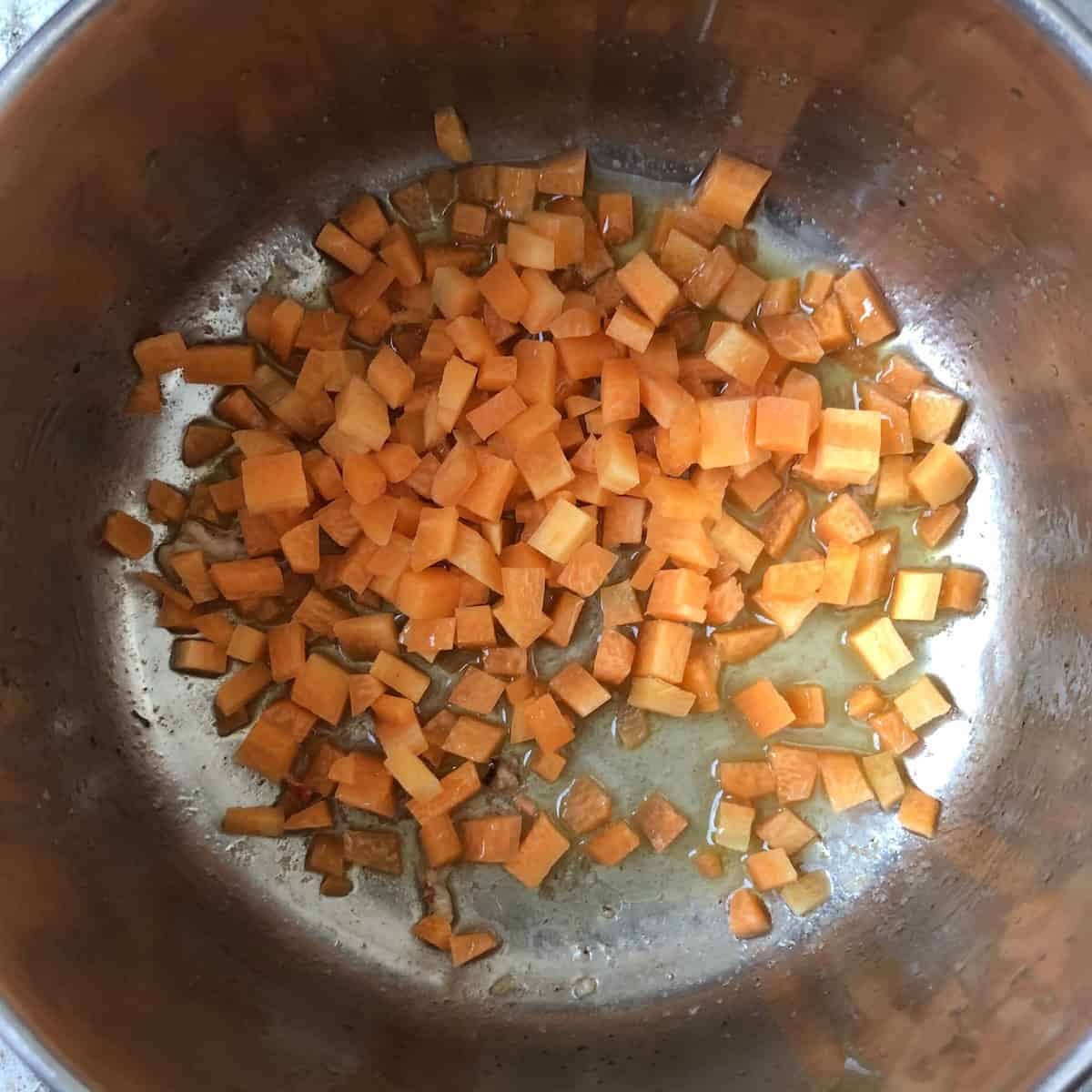
Add the carrots to the same pot with clarified butter, season with salt to taste, and sauté over medium heat until caramelized and soft (about 5 minutes).
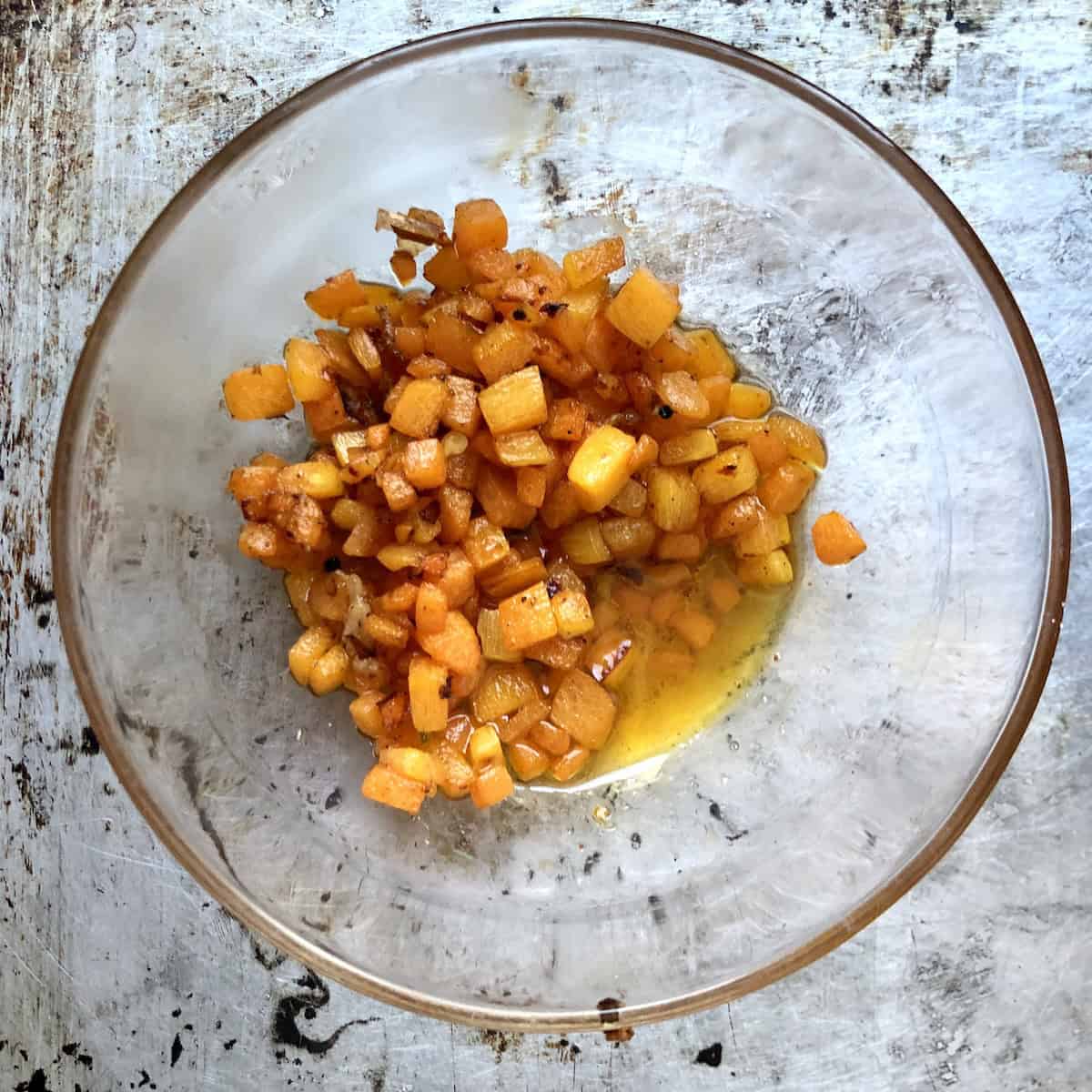
Add the white wine, scraping the bottom of the pot to release any browned bits (the fond), and cook for 2-3 minutes over medium heat, or until the alcohol has evaporated. Add the carrots and clarified butter sauce to a prep bowl to cool, reserving the garlic for a later step.
Step 4. Prepare the Shrimp Mousse
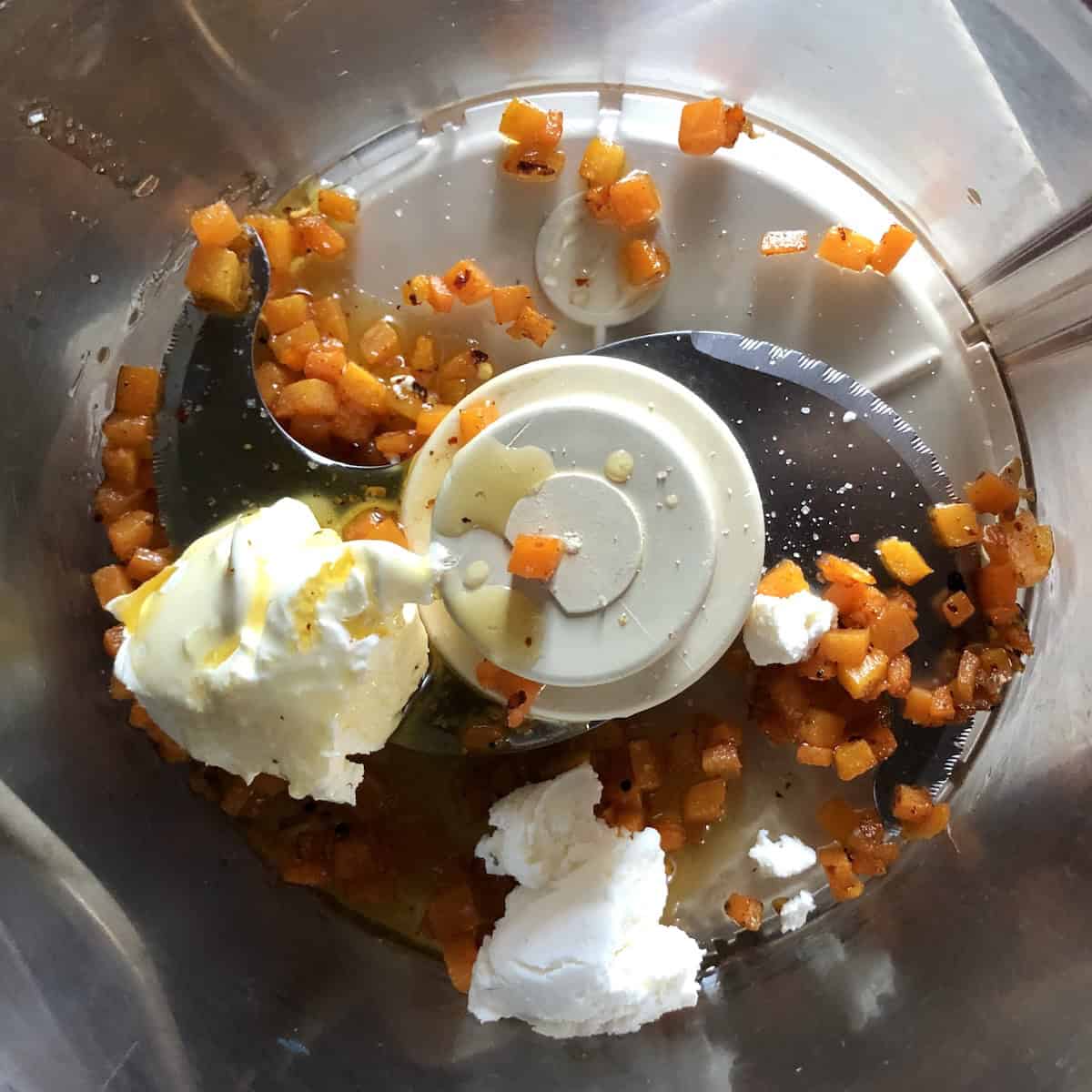
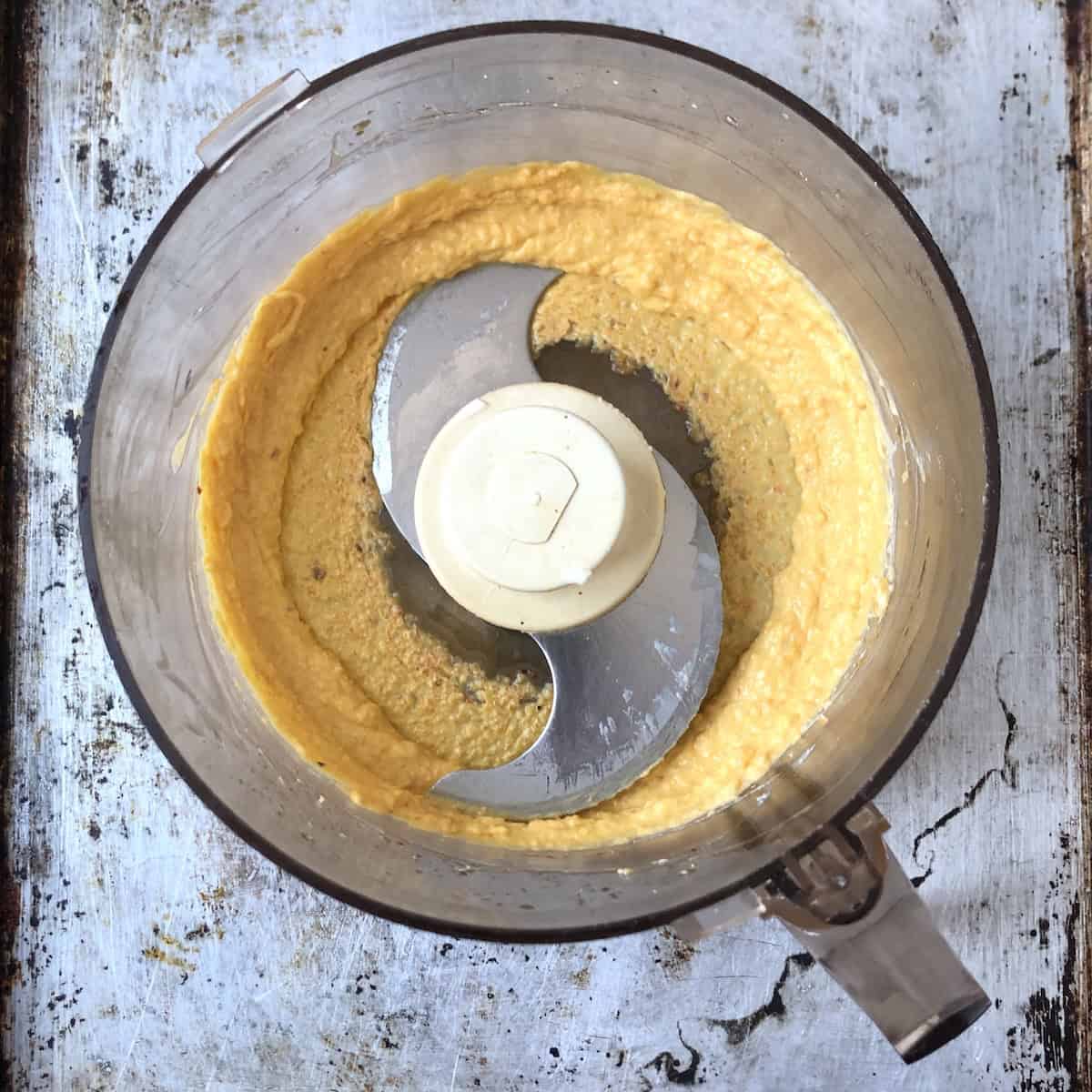
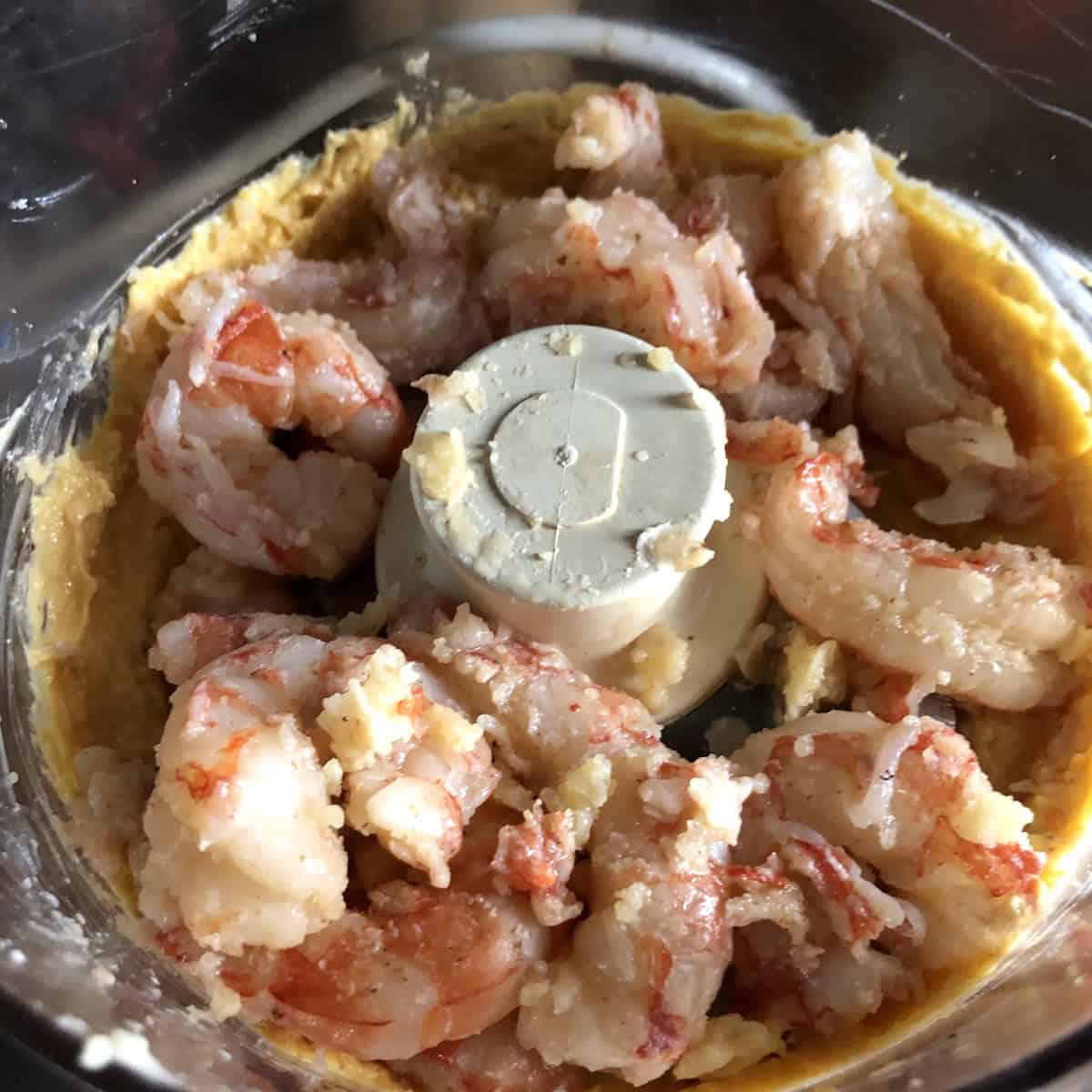
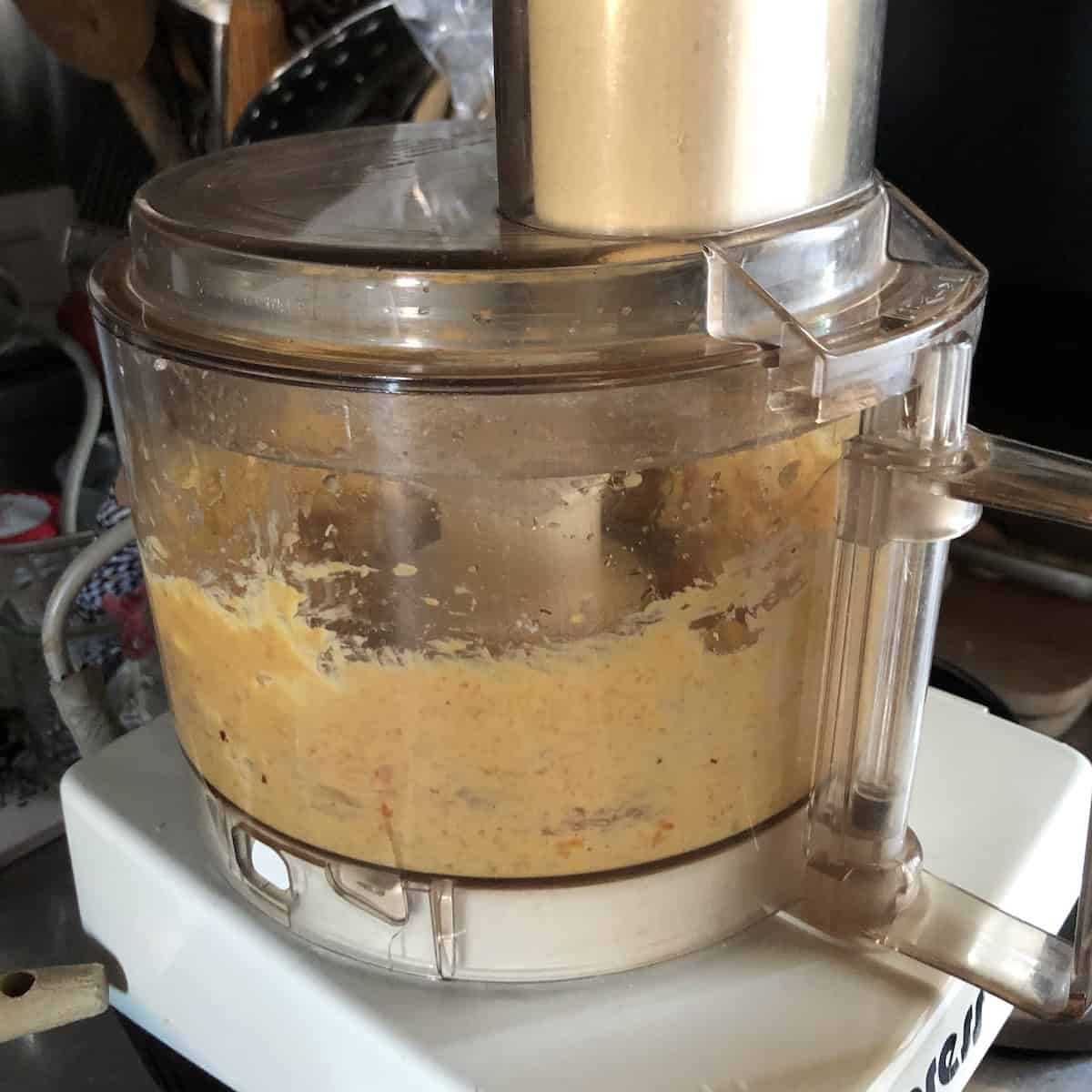
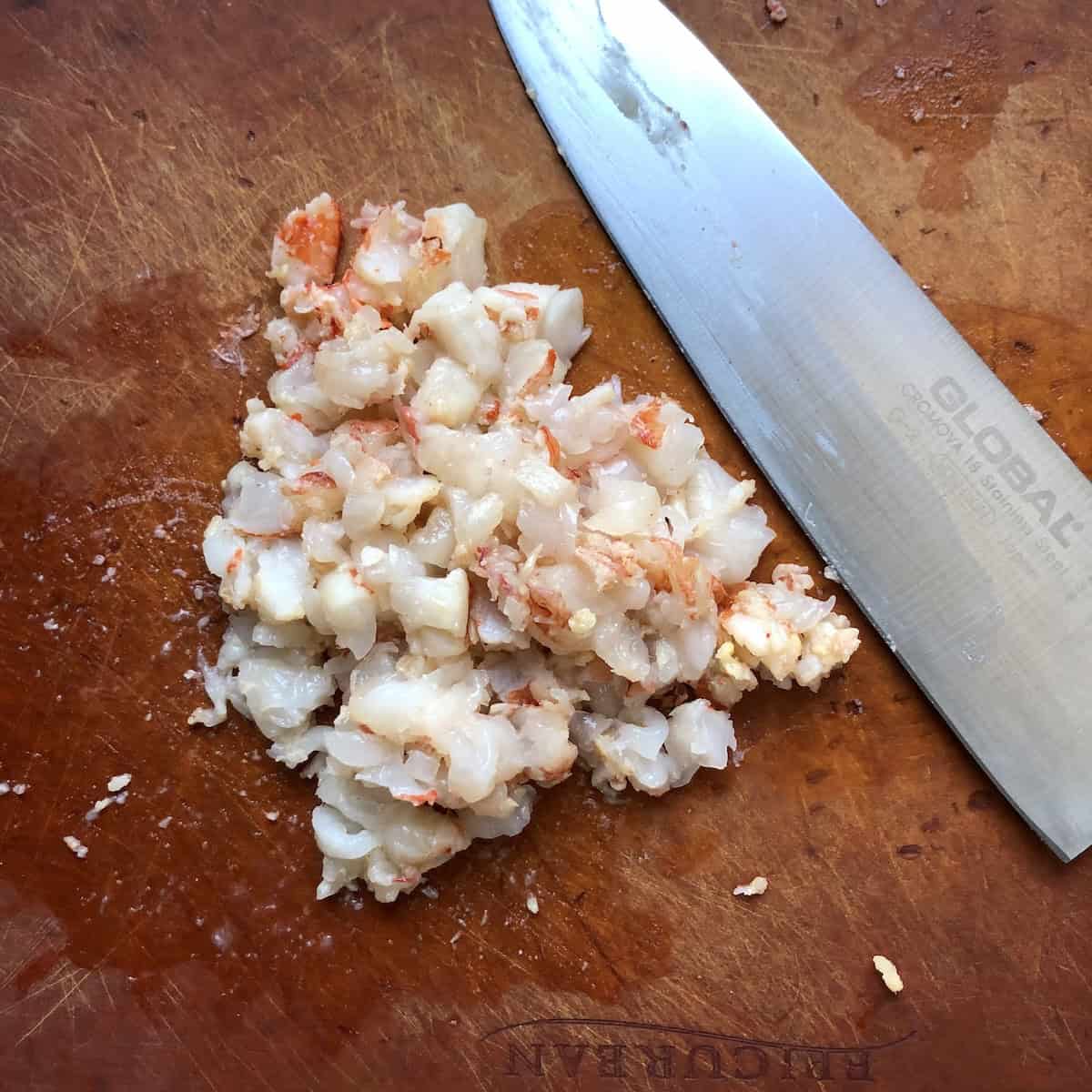
To the bowl of a food processor, add the cooled carrot mixture, mascarpone, ricotta, and 1 tablespoon of leaf lard (if using). Process the mixture into a smooth paste. Add ¾ of the par-cooked shrimp and process until completely smooth. Dice the remaining ¼ shrimp and set them aside.
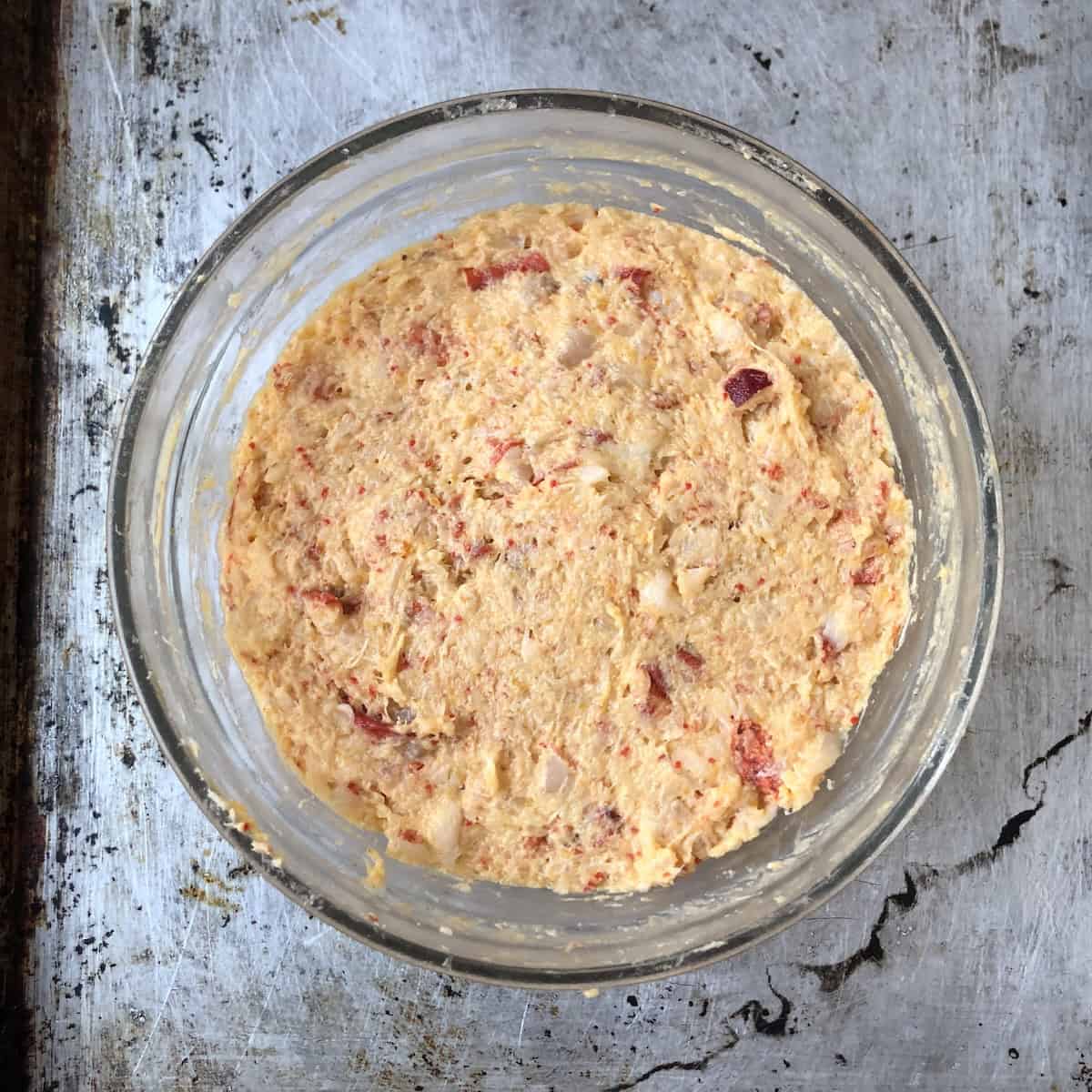
Step 5. Prepare the Lobster & Finish the Filling
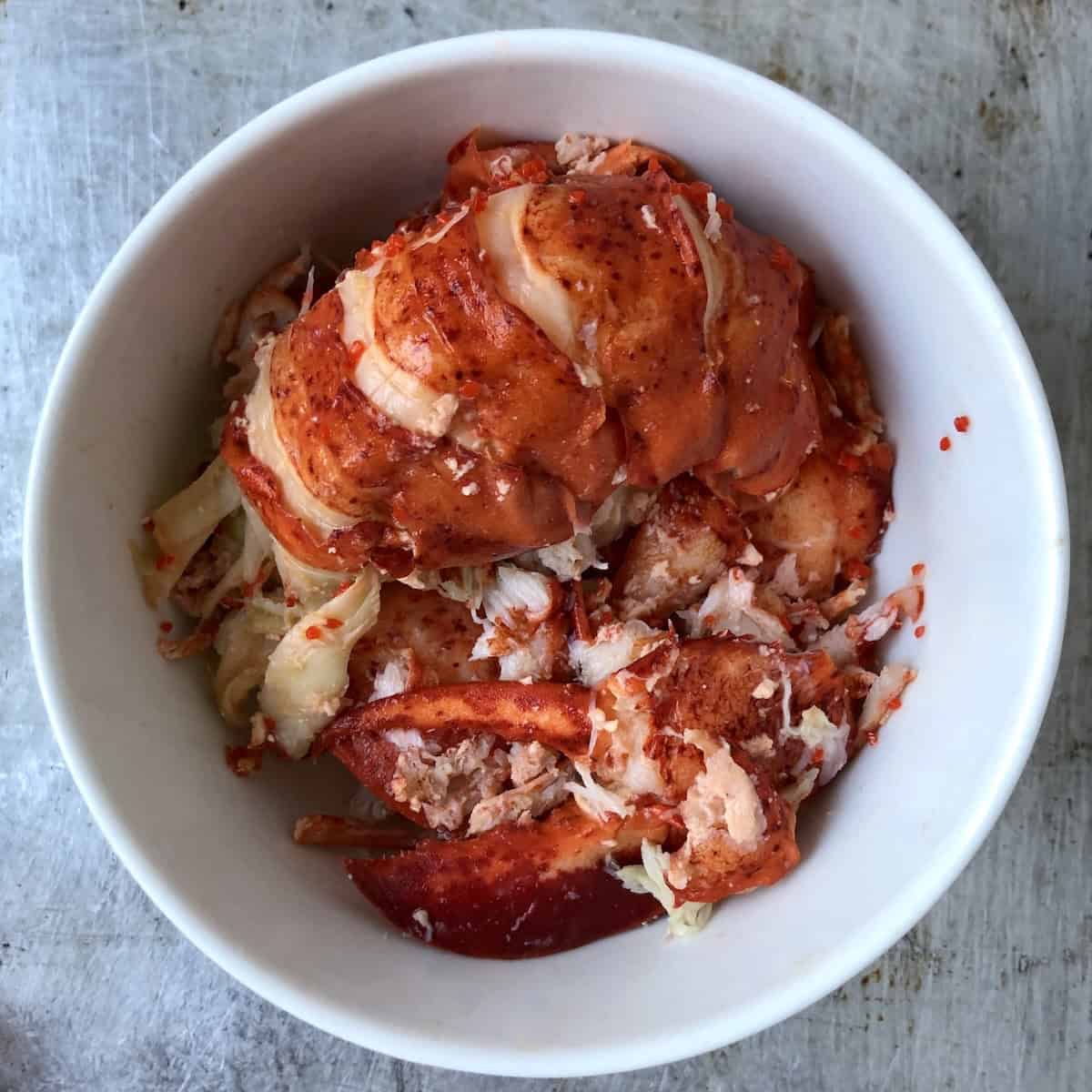
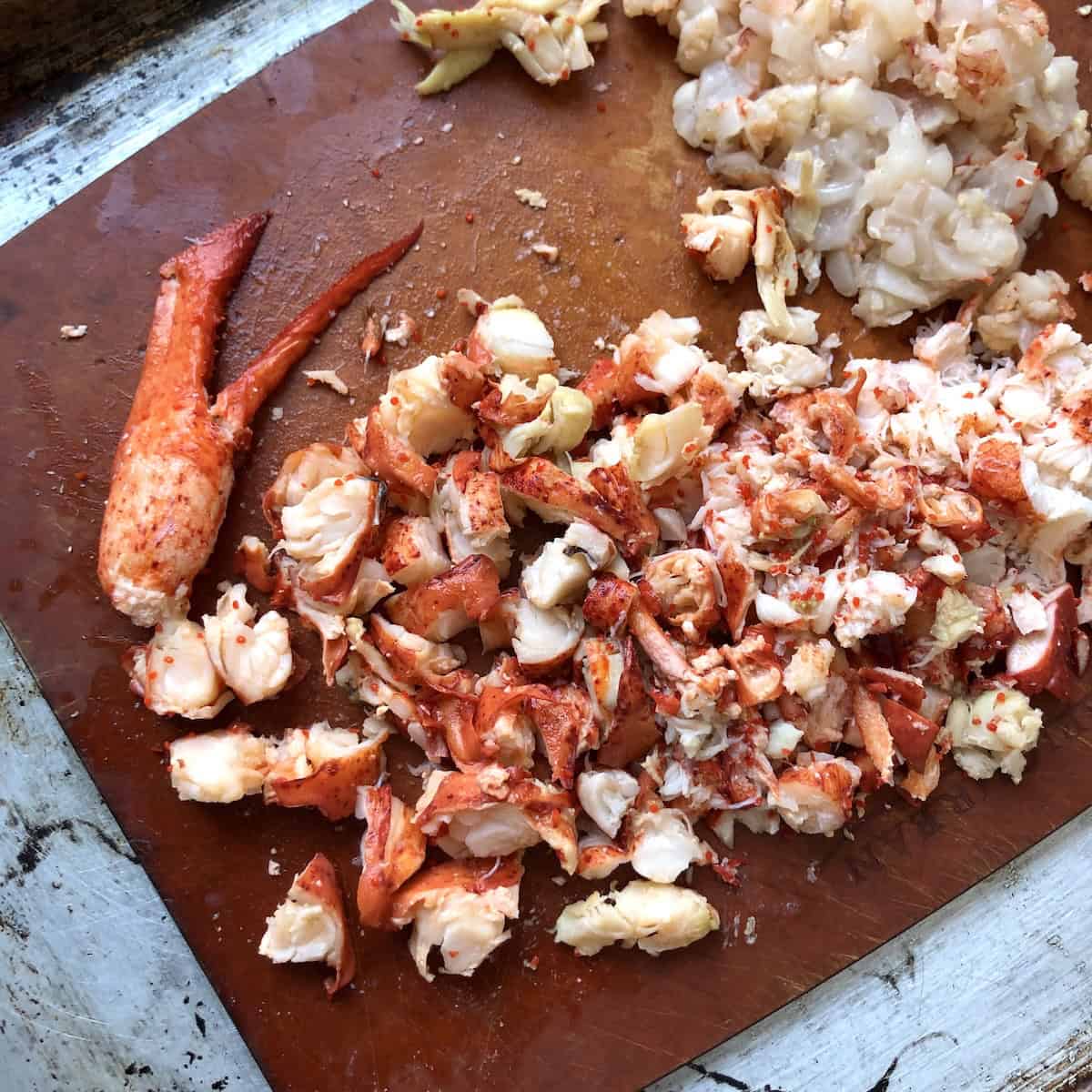
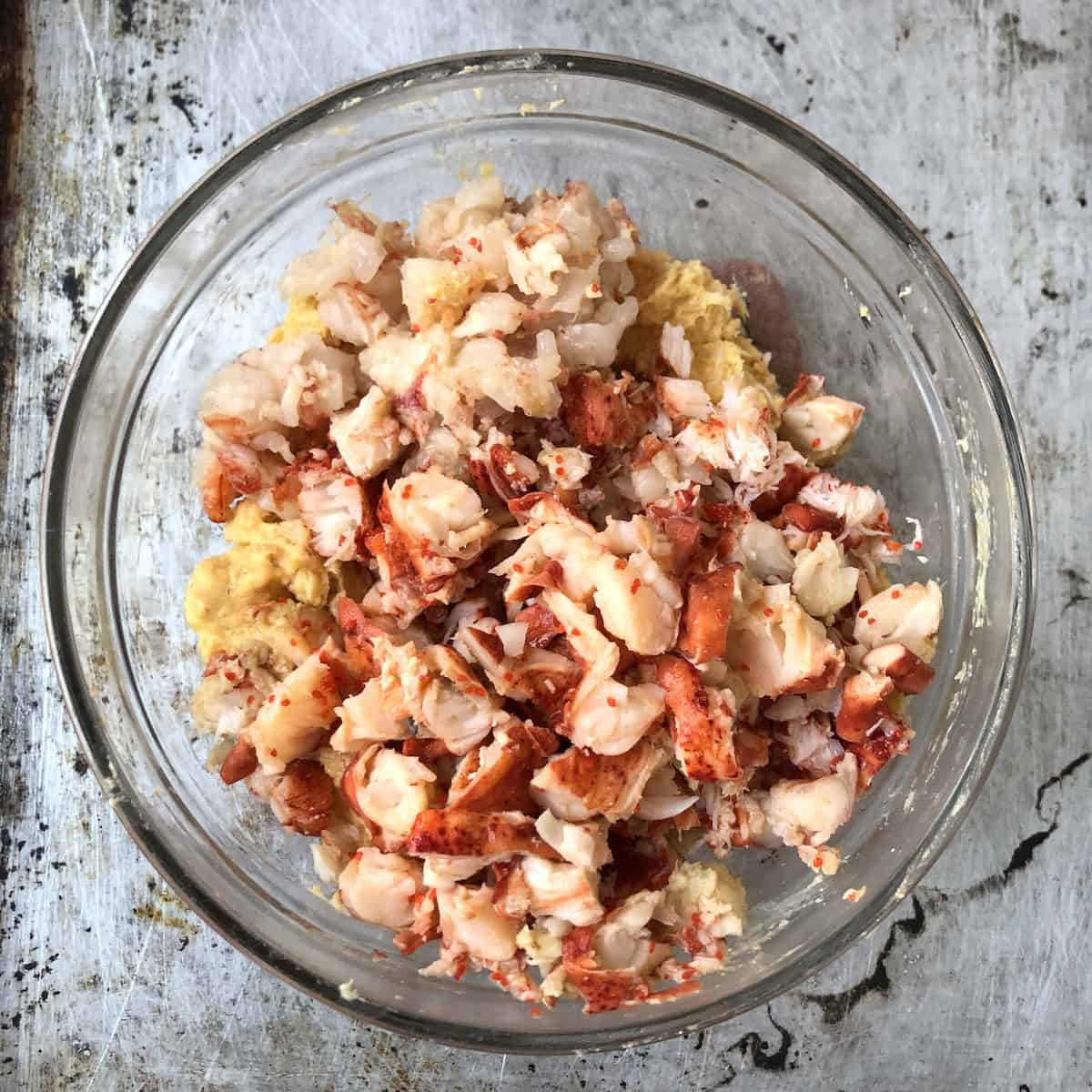
If using frozen cooked lobster, dice the lobster meat into small pieces and add it to a bowl with the diced shrimp, season with a bit of salt, and toss to combine.
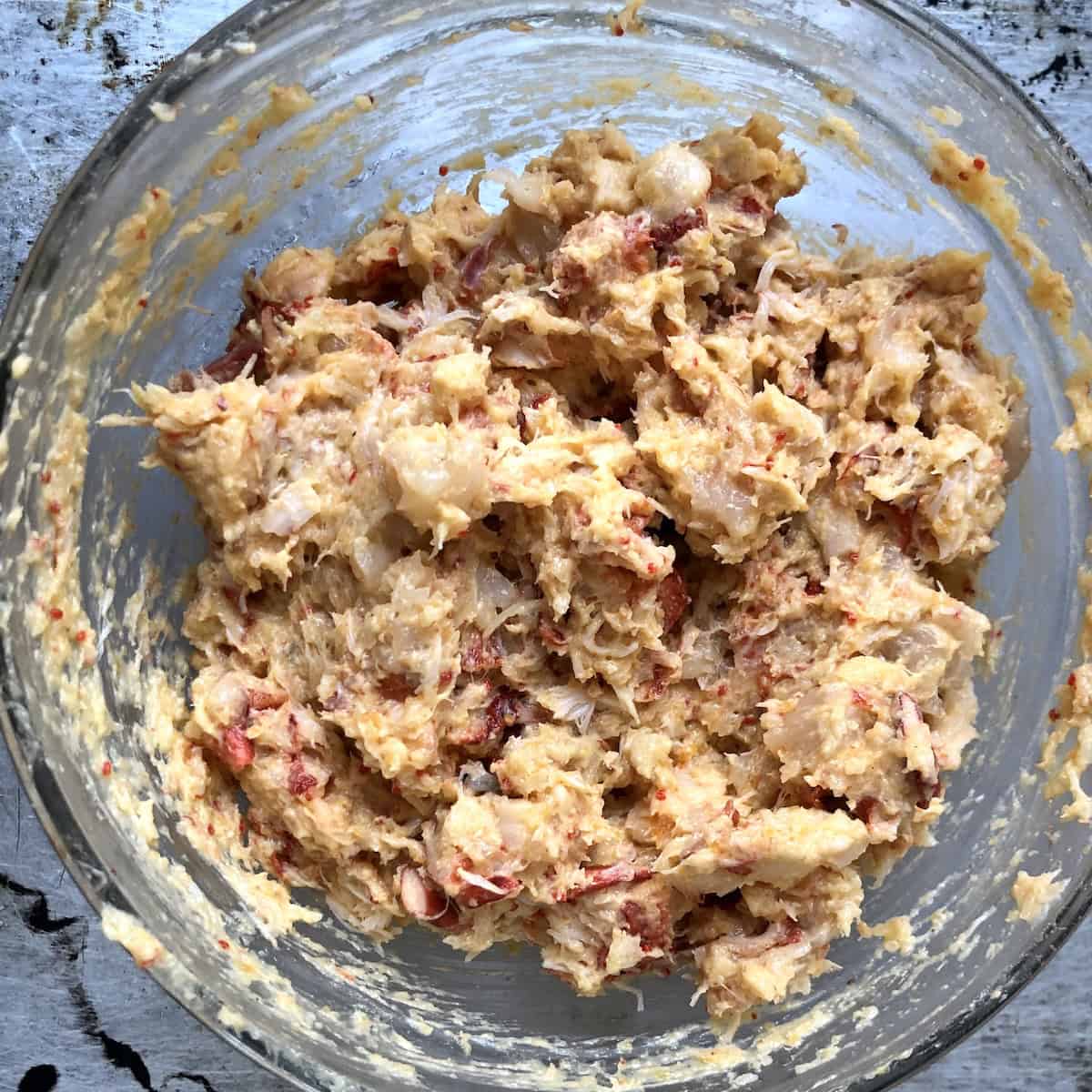
Combine the shrimp and lobster meat with the shrimp mousse, add a little freshly grated nutmeg (a couple of quick bursts on a microplane grater), the chives, and crushed red peppers (if using), mixing everything well to combine.
At this point, taste a small amount of the filling to understand if it's seasoned to your liking. Cover and refrigerate the ravioli filling.
Want a smoother, creamier filling? Add 1-2 tablespoons more mascarpone, and/or you can add all of the shrimp and up to half of the lobster meat to the food processor along with the mousse ingredients, processing until smooth. We personally like to see distinct pieces of lobster and shrimp throughout. For us, this is what separates a great lobster ravioli from a mediocre one. Your kitchen, your choice!
Using fresh lobster? You have two options: 1. Steam or boil the lobsters, OR my personal favorite, 2. Poach the raw lobster meat in a pot filled with clarified butter until just cooked through, about 2-3 minutes depending on the size of the pieces. It's an easy adjustment that works beautifully and further flavors the clarified butter.
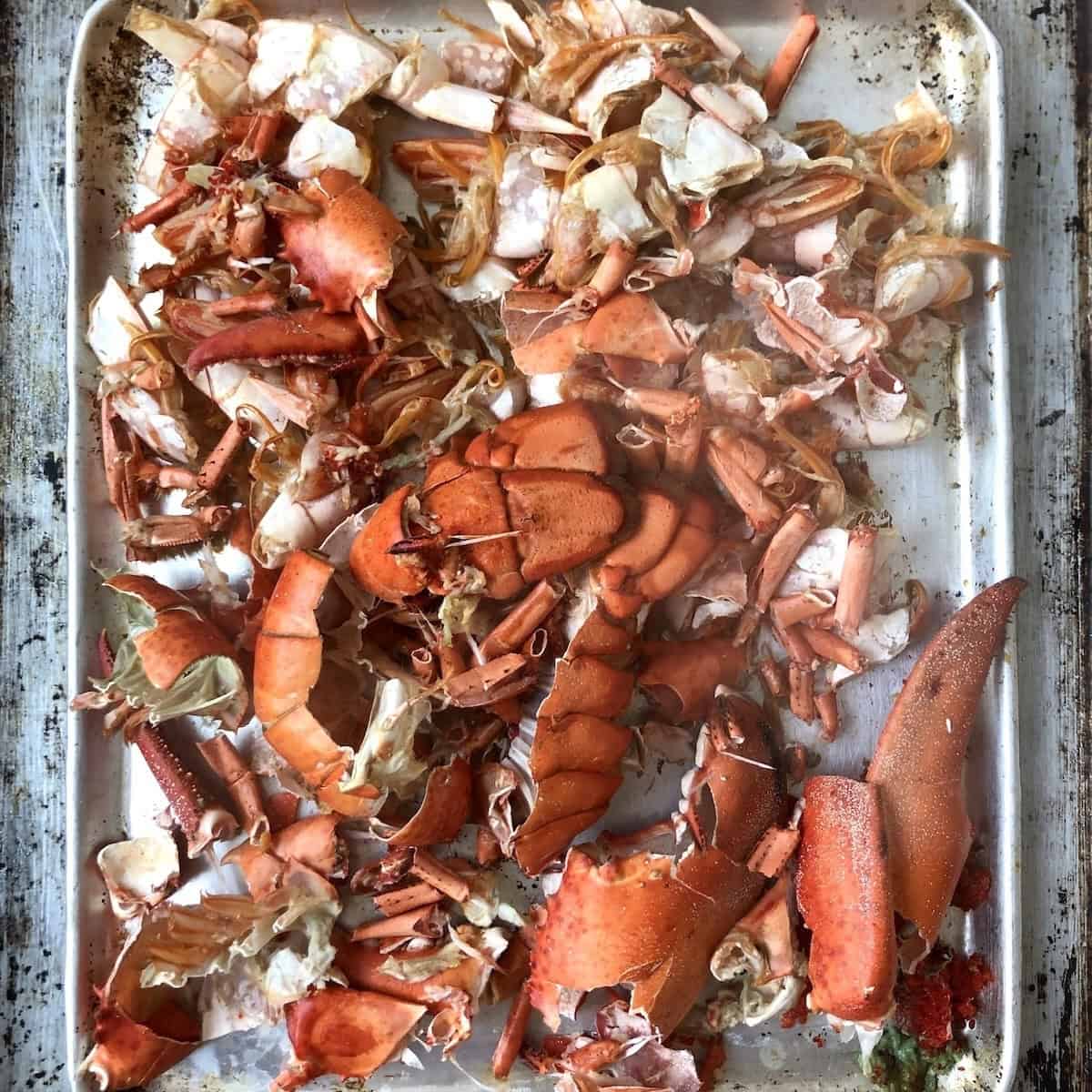
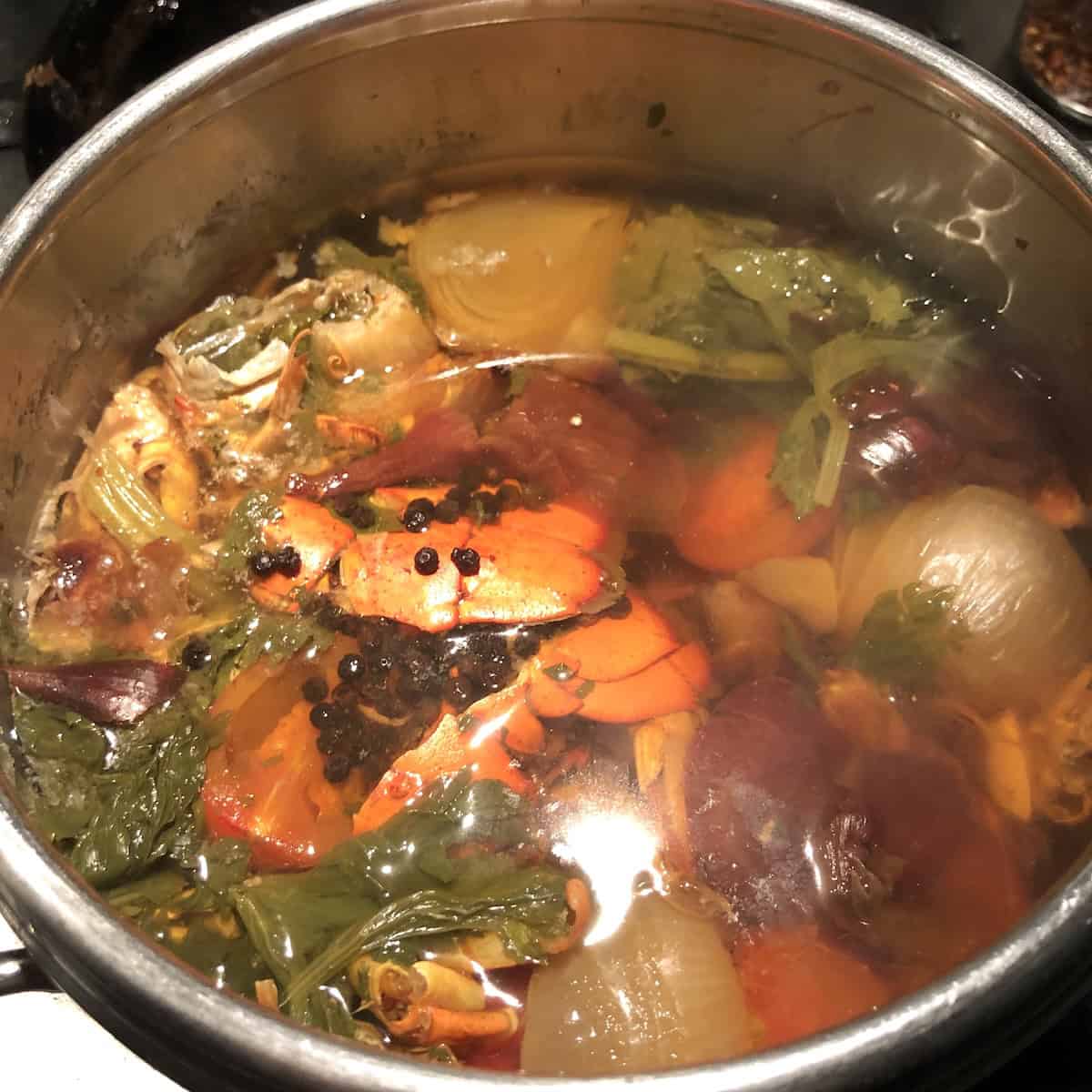
Step 6. Make the Quick Seafood Stock (or use store-bought)
This step is optional, but it makes a significant flavor difference. Roast your reserved lobster and shrimp shells at 400°F until fragrant (10-15 minutes), then simmer with aromatics for at least 30 minutes (stovetop), or longer, strain, and add enough of it to a pot to boil the ravioli in. Season with salt to taste.
Alternatively, cook for 30 minutes at high pressure in a pressure cooker (what I do) or Instant Pot with natural release. You'll use this to cook your ravioli in and also to finish your tomato cream sauce.
Use store-bought seafood stock for a shortcut, but the flavor won't be the same.
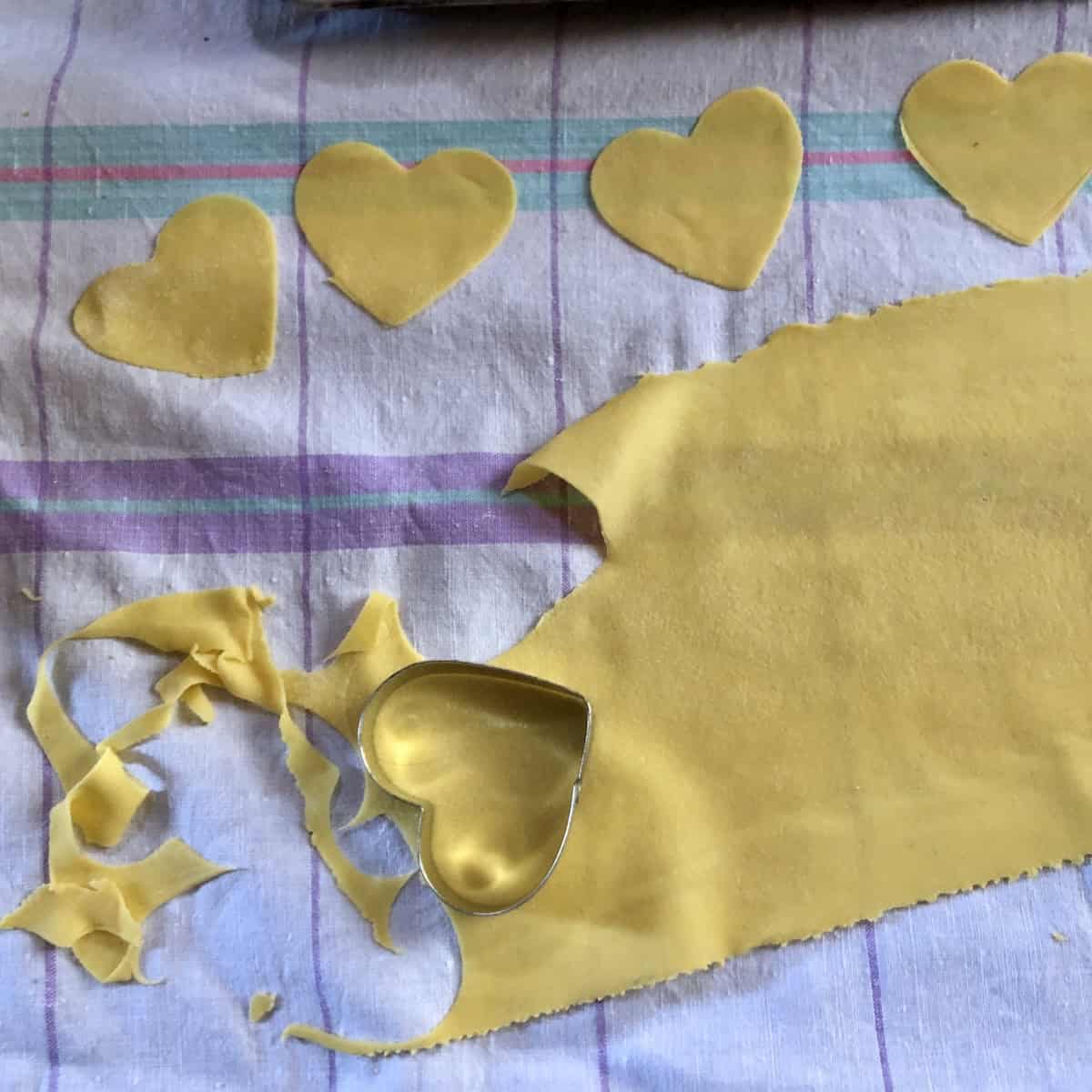
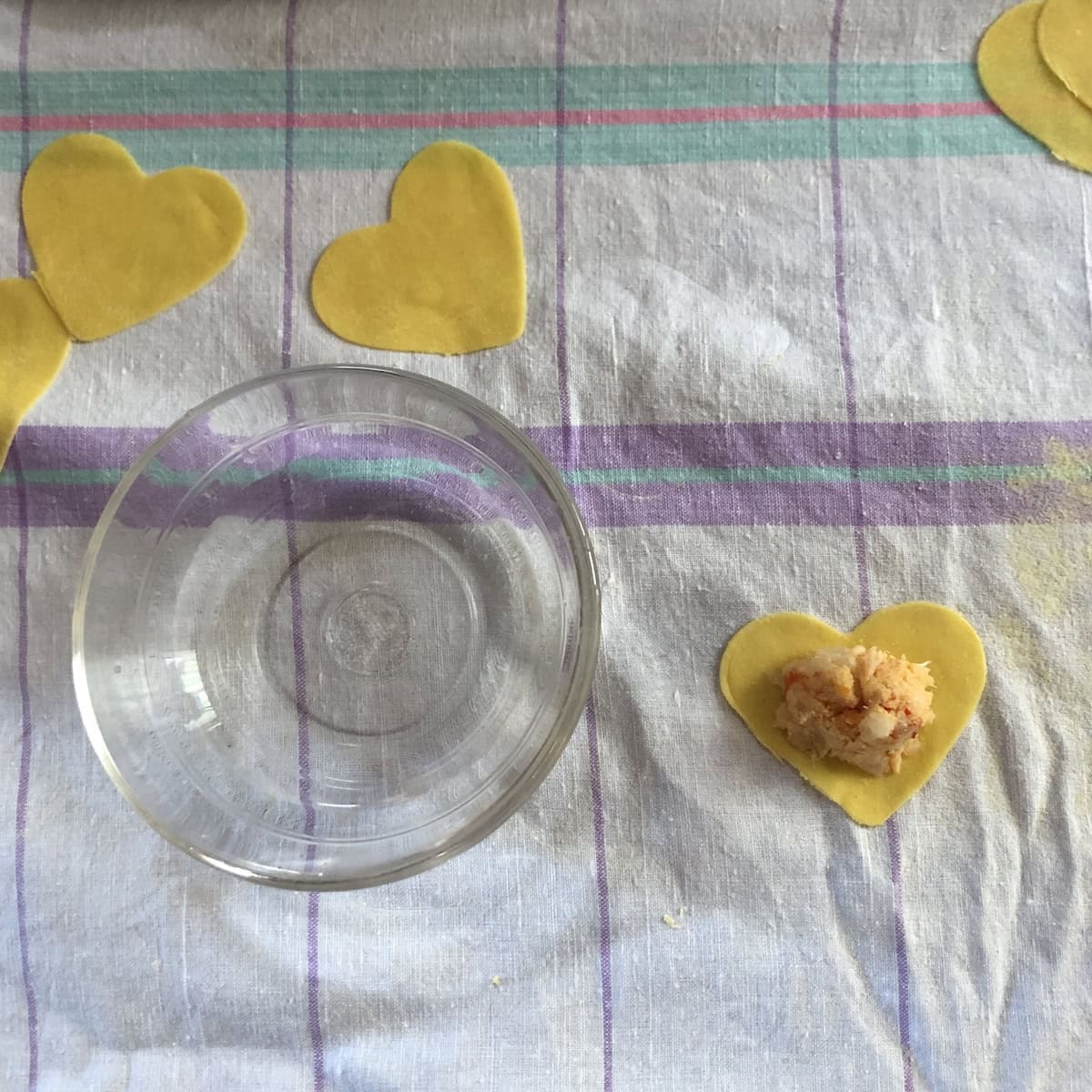

Step 7. Roll out the Pasta and Fill the Ravioli
Roll out the lasagna sheets to your desired thickness using a pasta machine, or by hand using a rolling pin. The goal is to be able to slightly see through the pasta, but still be thick enough to hold the filling without bursting while cooking. *see below for specifics on how thin the lasagna noodles should be.
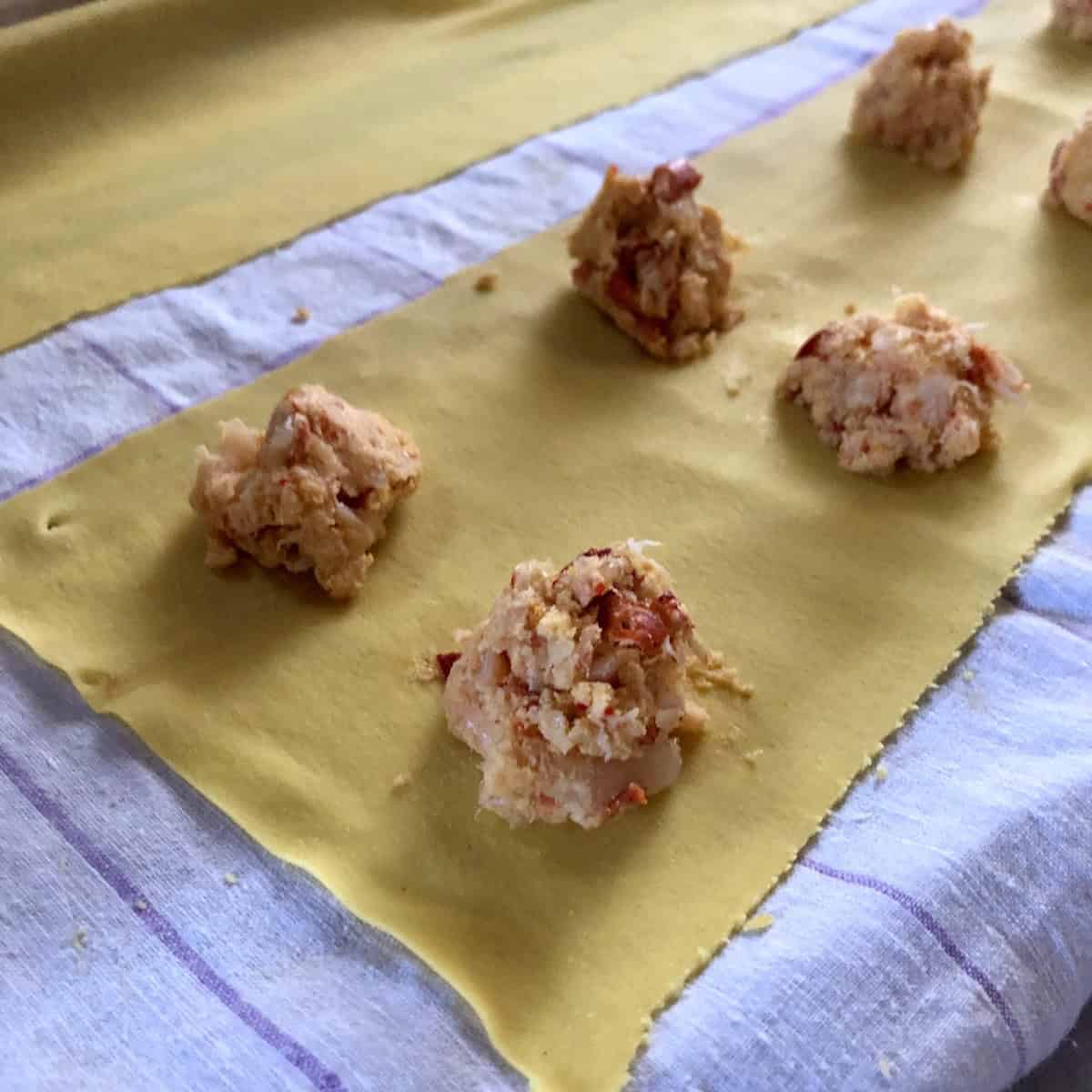
Fill each ravioli with about 20-25g of filling (a heaping tablespoon for medium-large ravioli). Seal carefully, pressing out any air pockets. Overstuffing and air pockets are the enemy! They cause ravioli to burst during cooking.
Place the finished ravioli on a semolina flour-dusted parchment-lined baking tray and either freeze them until ready to use, or place them in the refrigerator until ready to cook them (for same-day cooking only).
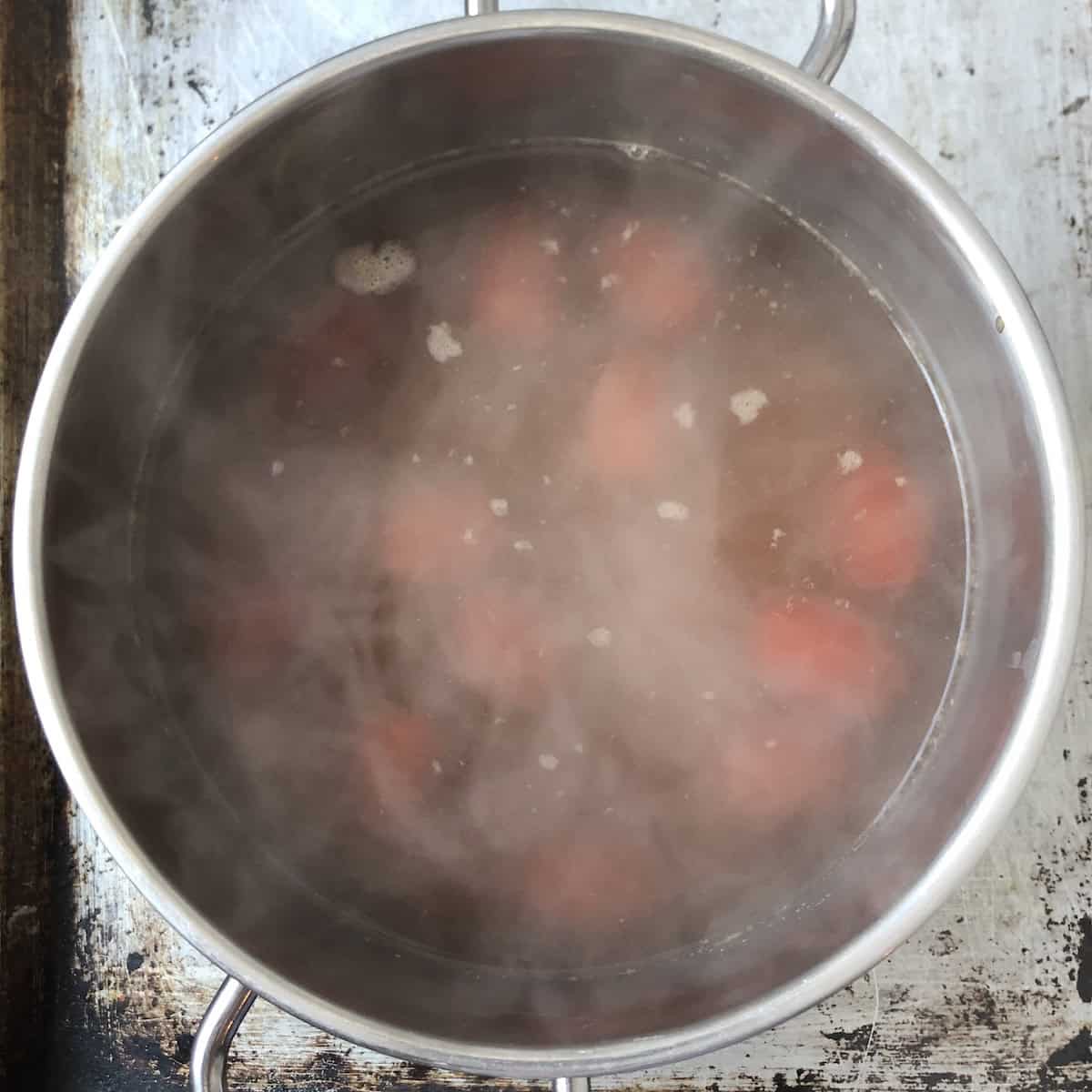
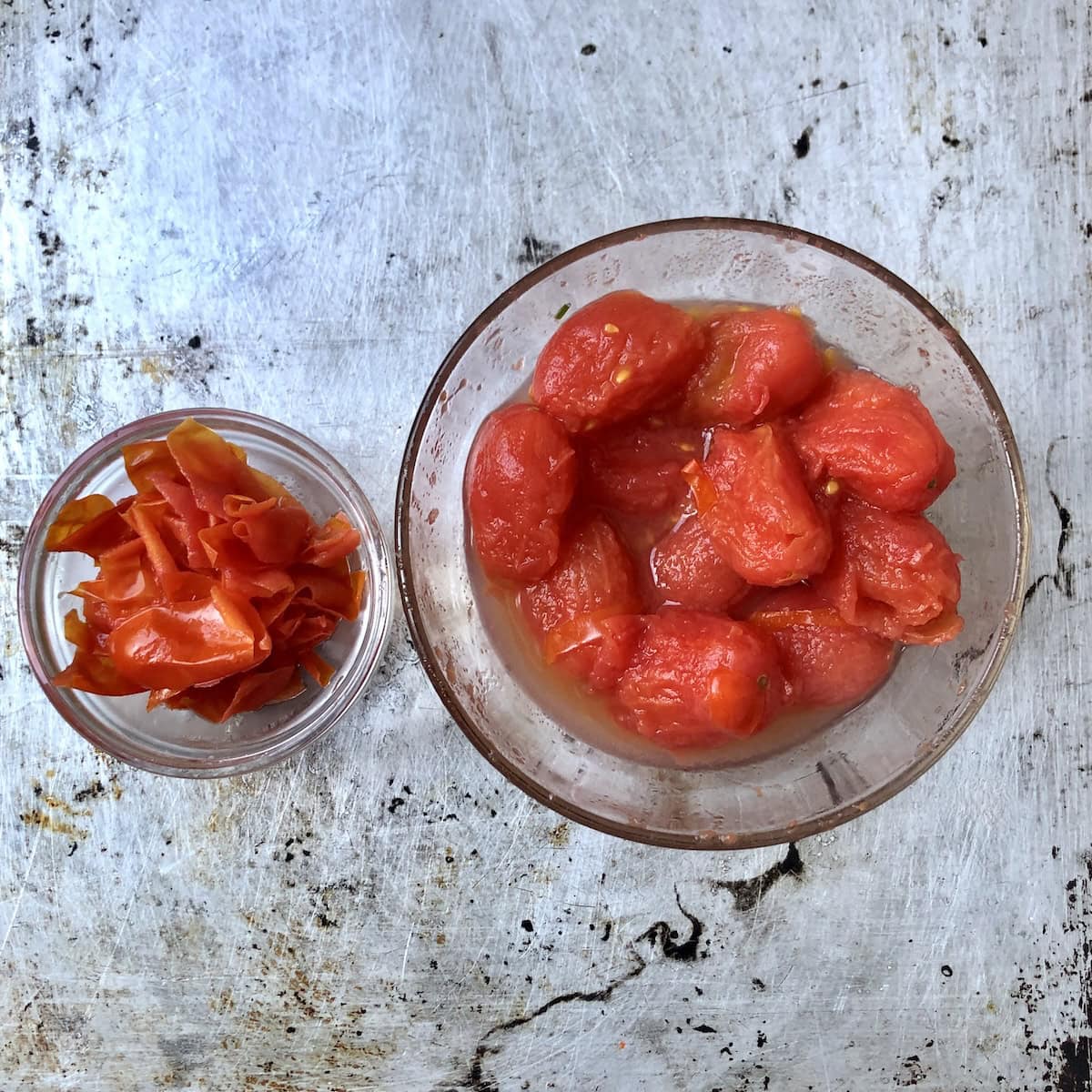
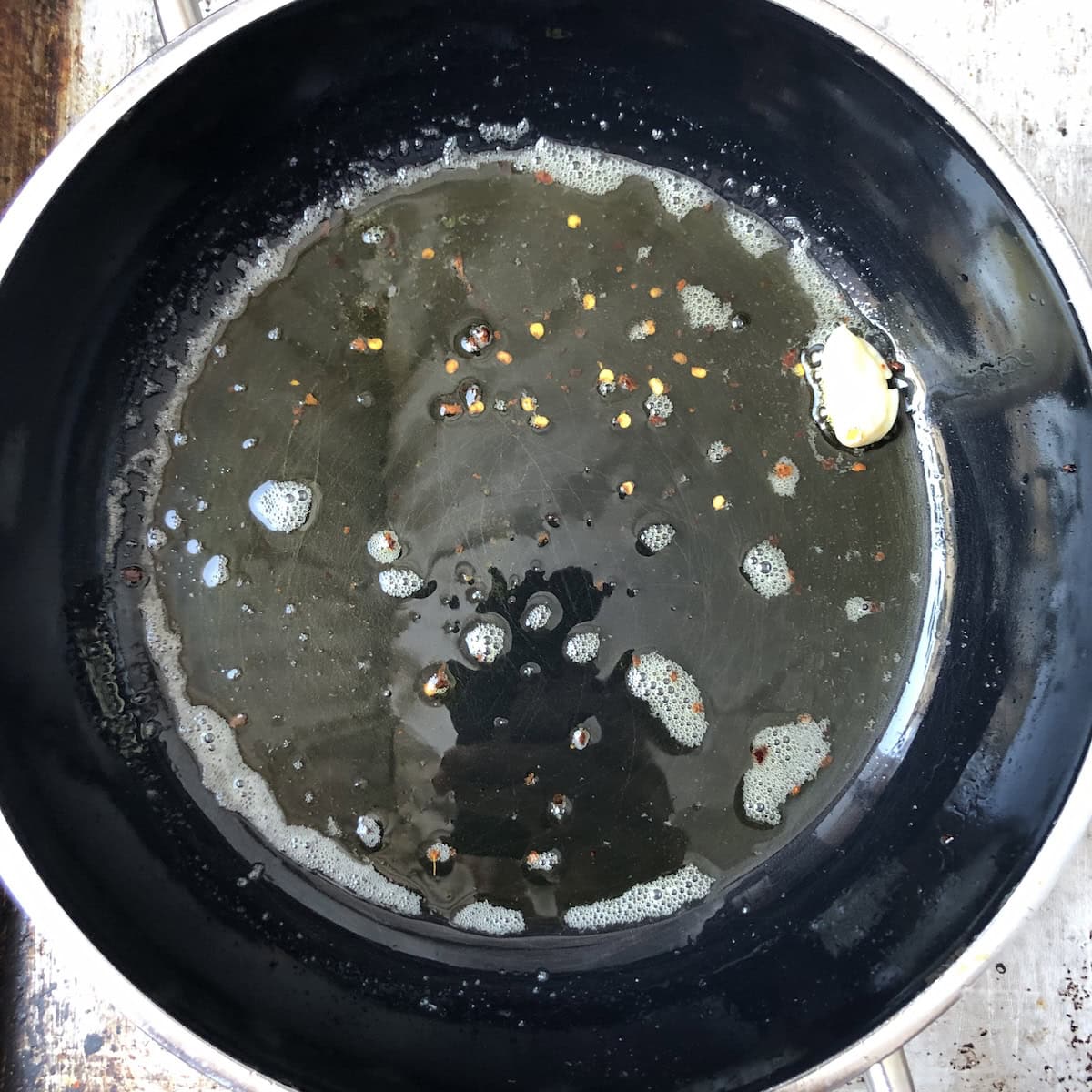

Step 8. Make the Tomato Cream Sauce
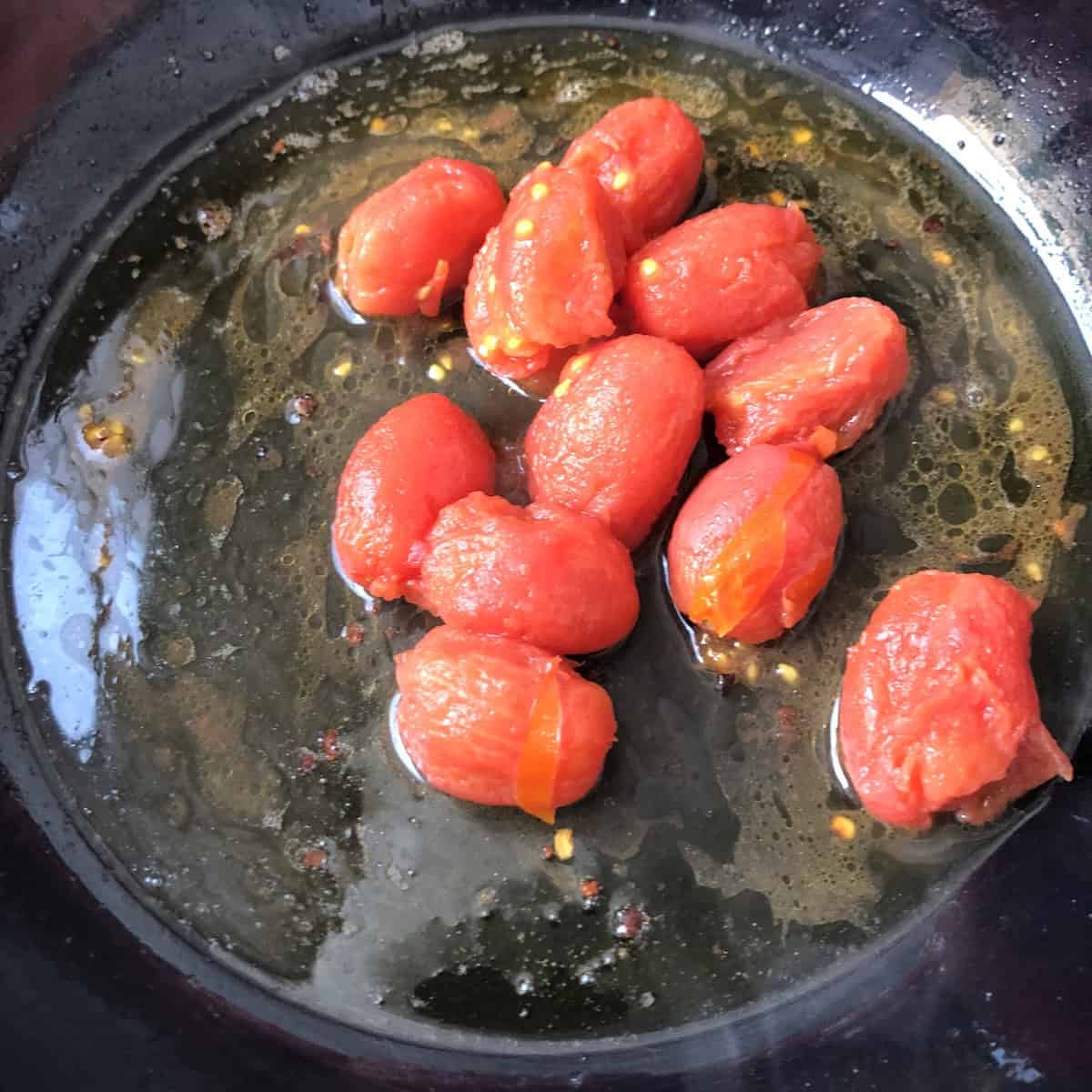
Blanch the grape tomatoes directly in the seafood stock, remove, cool, and peel them. In a 12-inch skillet set over medium heat, add the EVOO, clarified butter, and smashed garlic clove. Add the crushed red peppers (if using), and sauté the garlic until blistered and fragrant (about 4-5 minutes).
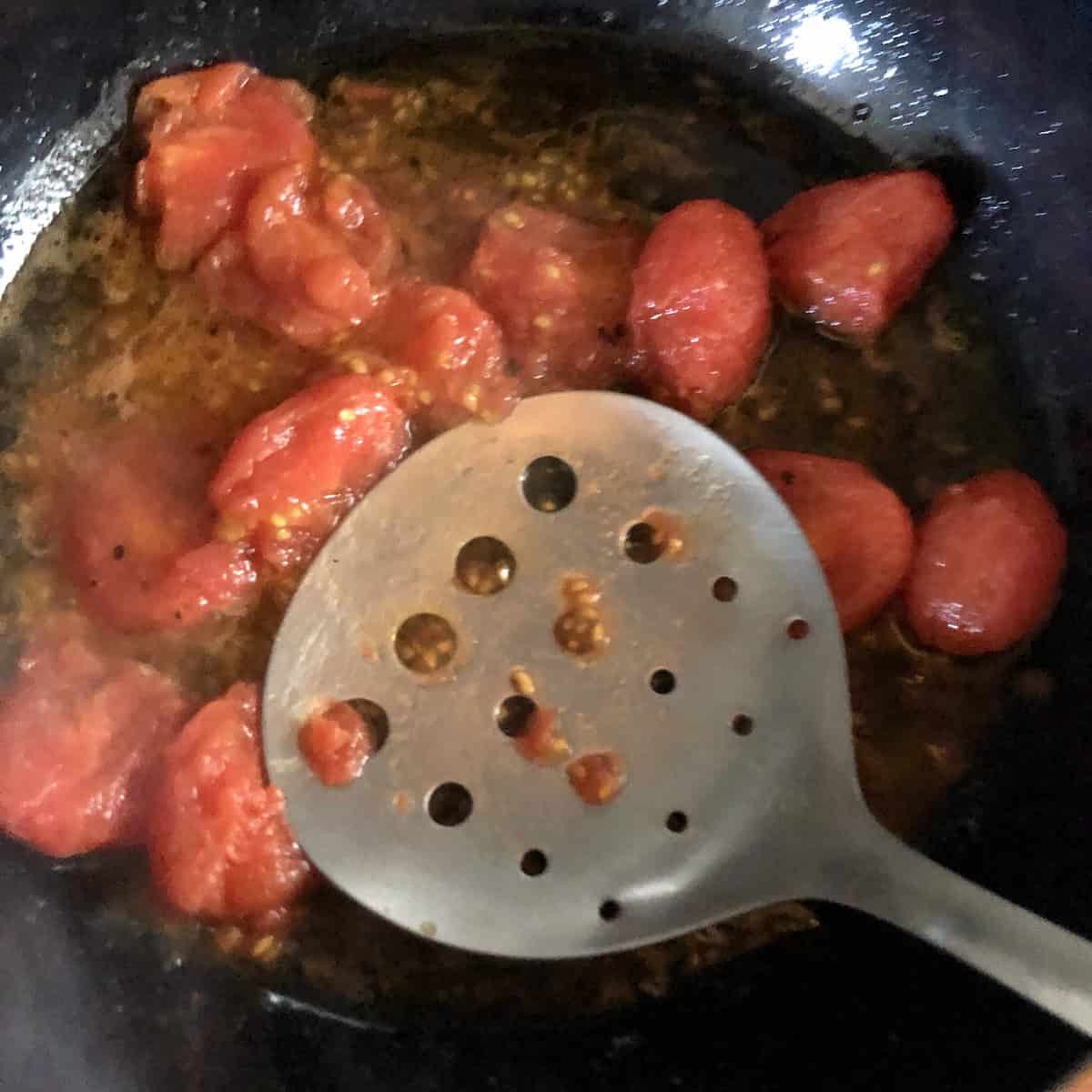
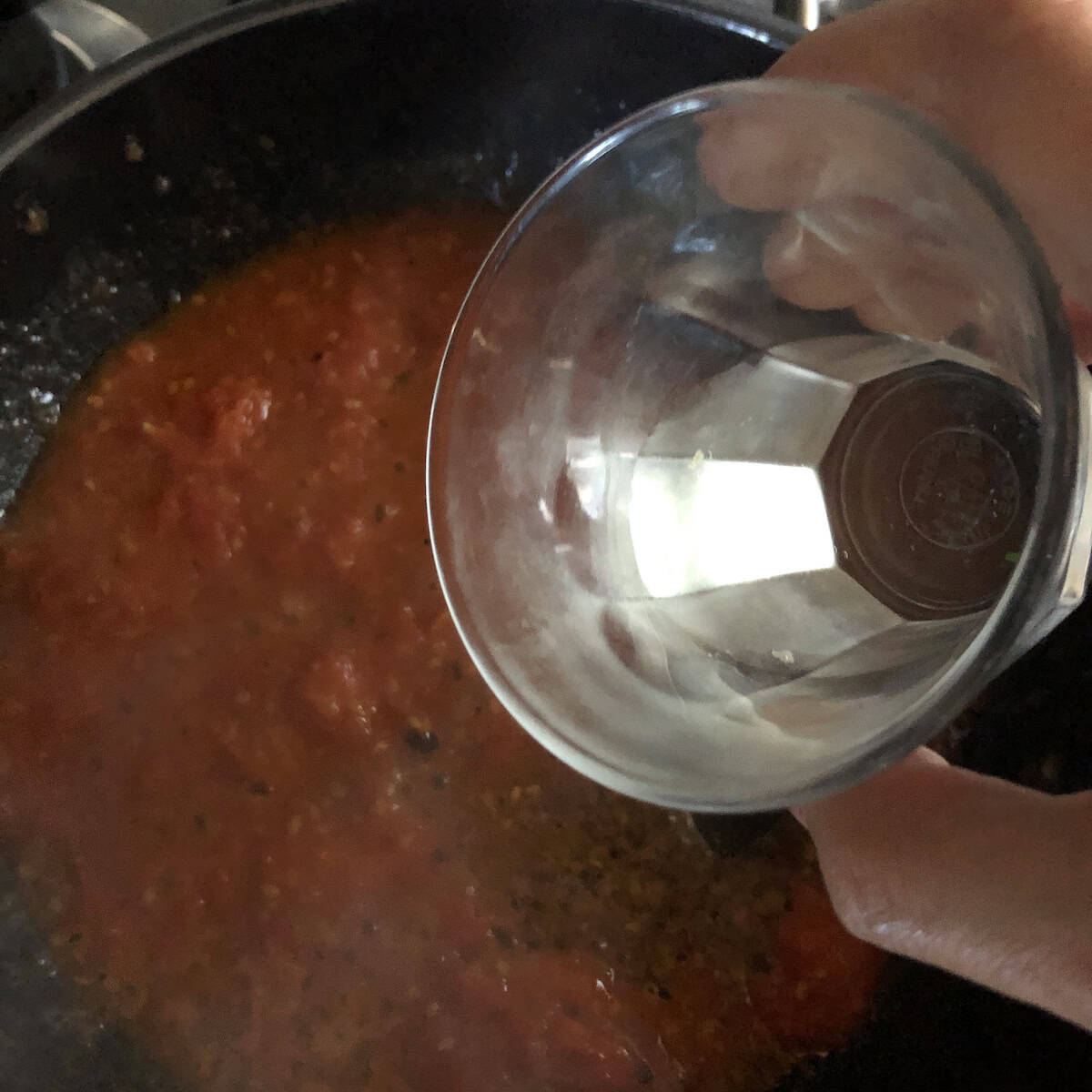
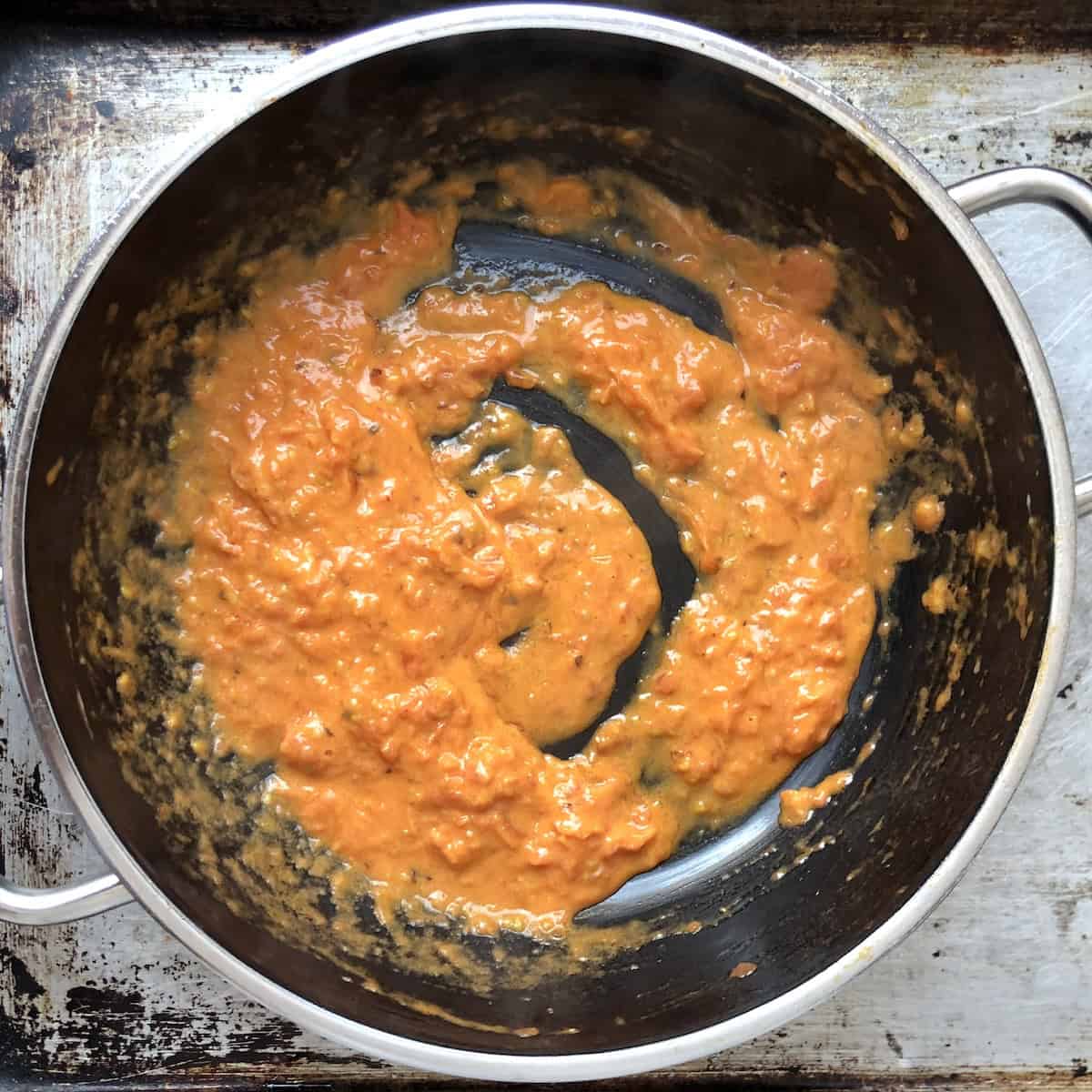
Add the peeled tomatoes, gently smashing them, and cook for about 4-5 minutes. Add the white wine to deglaze the pan and cook for 3-4 more minutes to allow the alcohol to evaporate. Stir in the mascarpone and keep it at low heat while you cook the ravioli. If you're not great at timing things well, just turn off the heat until the ravioli are almost finished cooking😉.
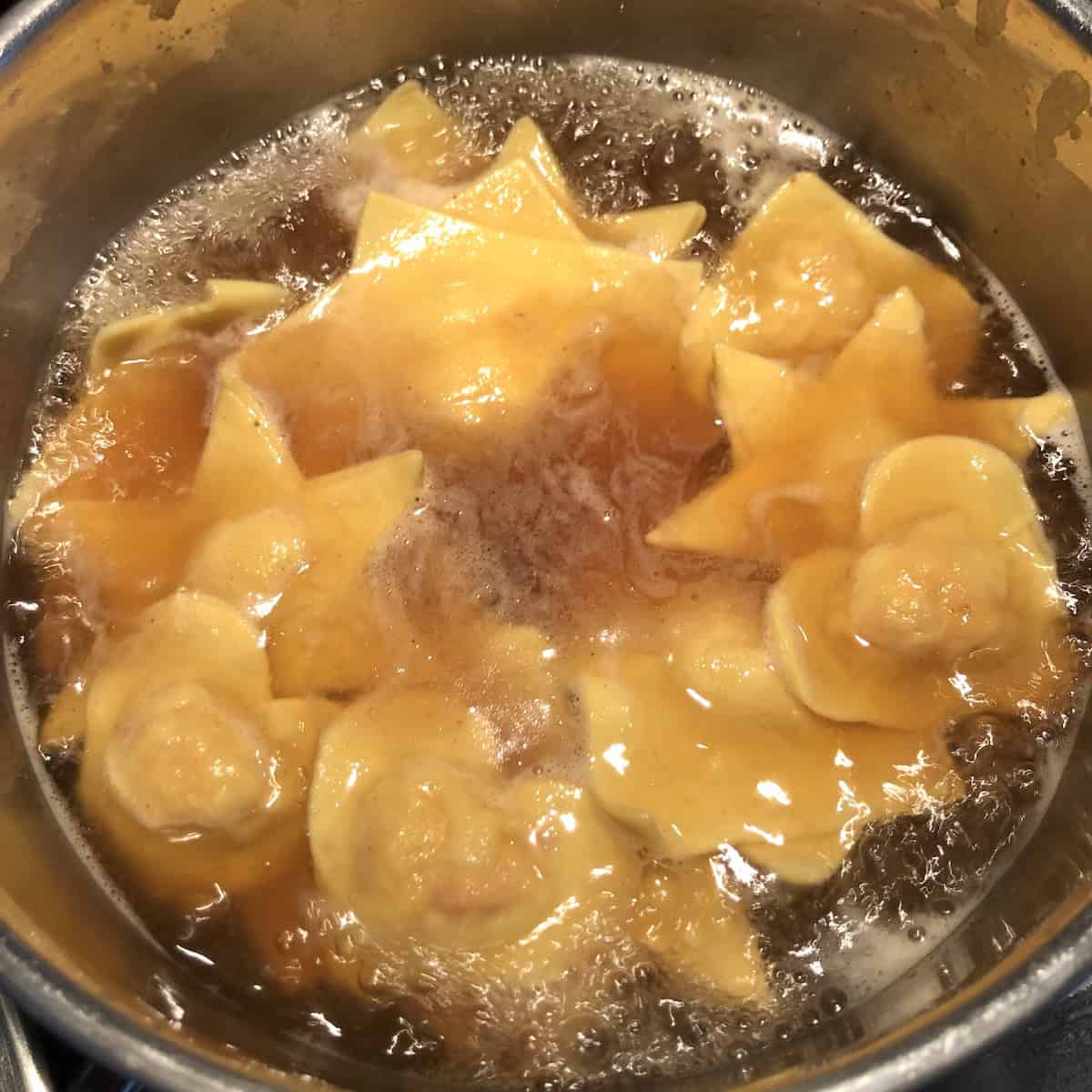
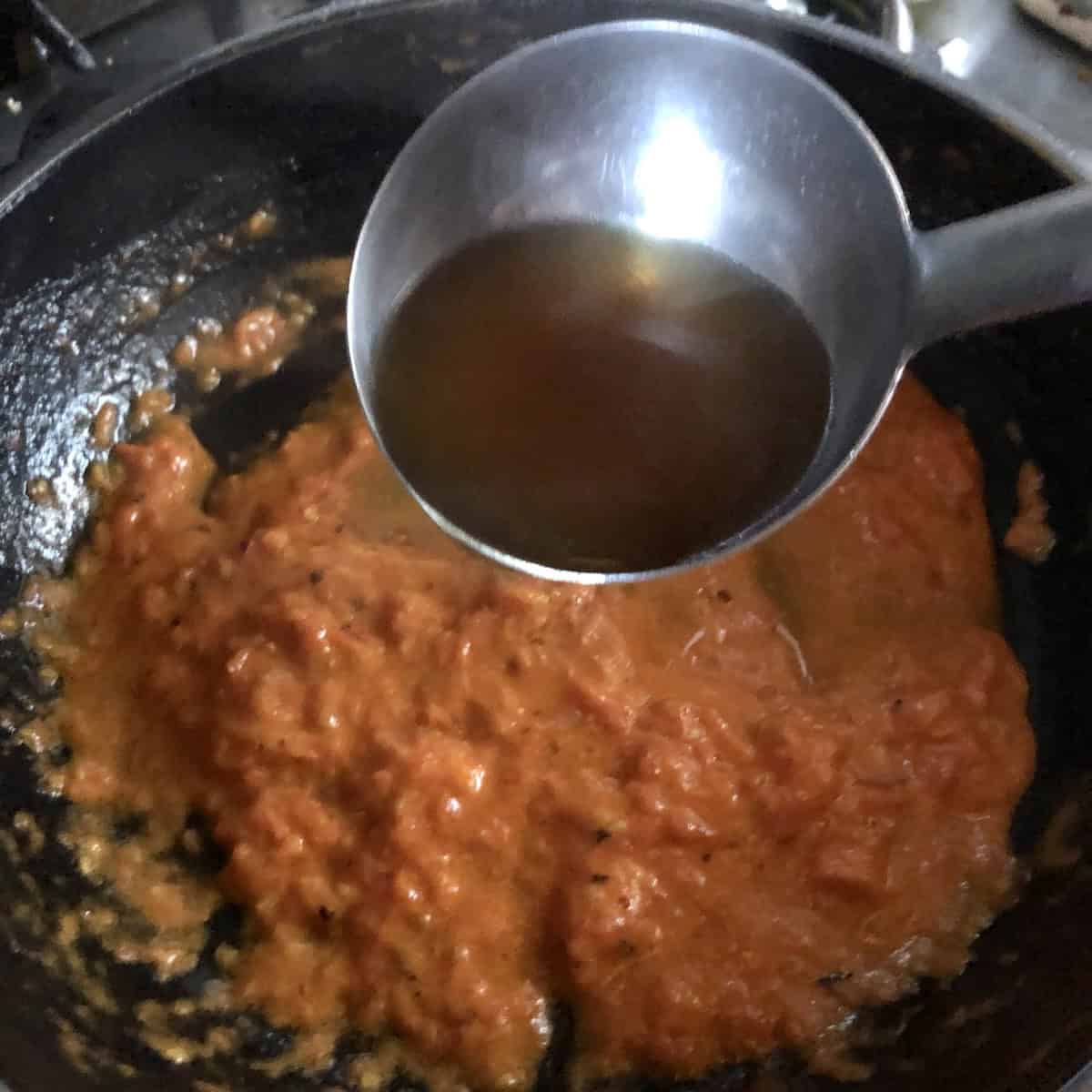
Step 9. Cook the Ravioli & Finish the Sauce
Cook ravioli in the salted seafood stock (or salted water) for about 90 seconds or until they float. Fresh pasta cooks incredibly fast compared to dried, so don't walk away!
Return the tomato cream sauce to medium-high heat, and add just enough starchy seafood stock (or pasta water) to the sauce to loosen it up as desired using the mantecare or mantecatura method. Add a very small squeeze of lemon to taste, adjust seasonings. Add the ravioli to the skillet, toss to cover with the sauce, and serve immediately. *See note below for mantecatura explanation!
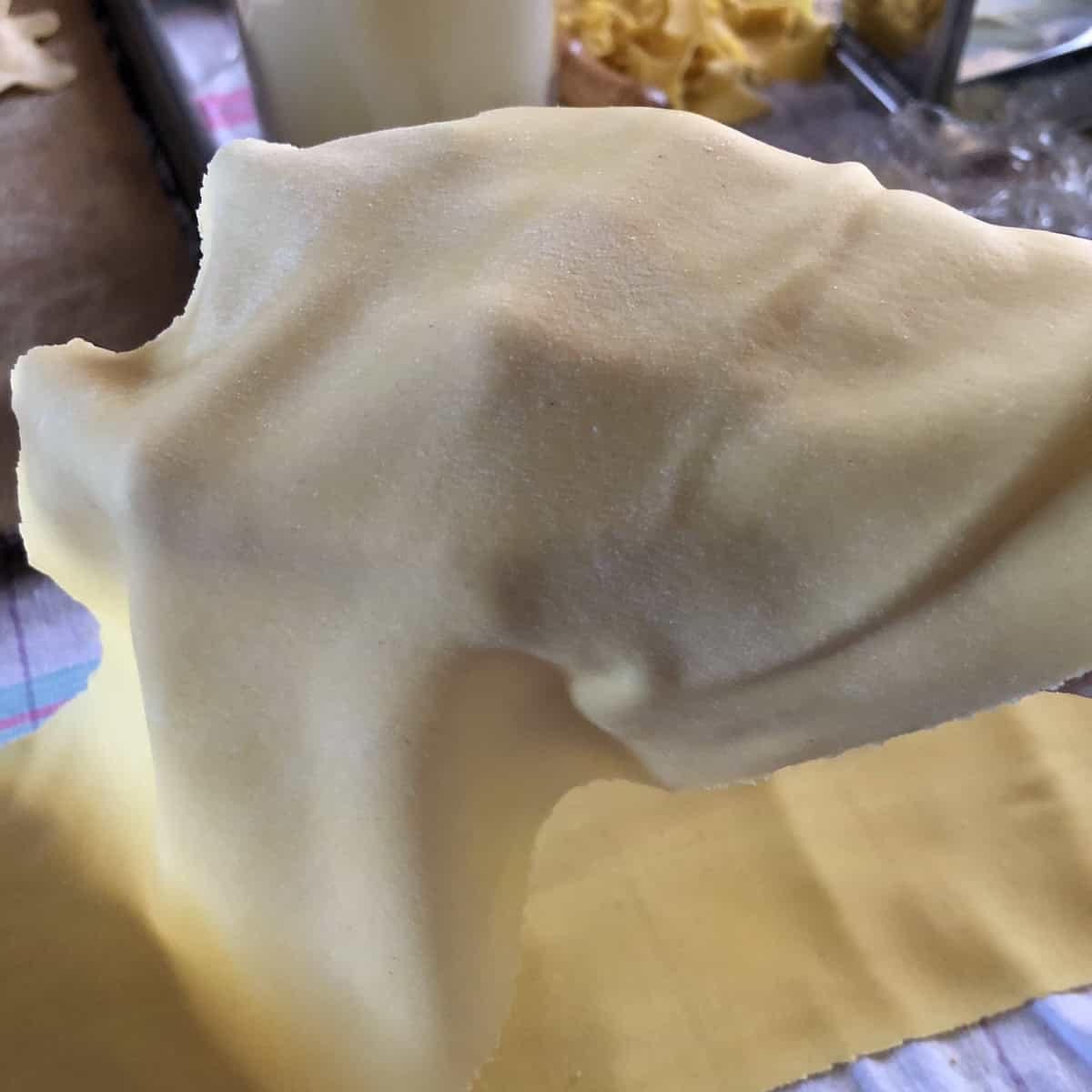
How Thin Should Ravioli Dough Be?
Unlike homemade tagliatelle or fettuccine, ravioli dough requires a different approach. Since ravioli has two layers of fresh pasta sandwiching the lobster ravioli filling, rolling your ravioli sheets too thin will make them fragile and prone to tearing, while dough that's too thick detracts (a lot) from the delicate filling after cooking.
For the Marcato Atlas pasta machine, use setting #6 or #7. We prefer #7 for this filling, which is thin enough to cook in 90 seconds yet sturdy enough to hold the filling without bursting.
If rolling by hand, aim for sheets about the thickness of a credit card. When held to light, you should see a faint silhouette of your hand, but the dough shouldn't be completely translucent. First-time pasta makers: Cook a couple of test ravioli with different thicknesses before filling the whole batch to dial in your preferred thickness.
NOTE: What is the Italian Mantecare Method?
I talk about this in almost all of my pasta posts (and in more depth in this naturally creamy mushroom pasta ai funghi recipe). Mantecare is an Italian technique that gives pasta sauces that gorgeous, silky, cohesive quality without the use of cream. Think carbonara, amatriciana, pasta alla gricia, or cacio e pepe. And it's one of the secrets why restaurant pasta is often better than many homemade pastas!
Mantecare involves whisking, stirring, or tossing the pan vigorously to emulsify the fats (like butter, cheese, or olive oil) into a pasta sauce or risotto dish, along with the use of starchy pasta water.
This action binds everything together into a silky, emulsified sauce with a lustrous sheen. Typically done in the final moments of cooking, it's what gives dishes like risotto their signature velvety texture and helps pasta sauces cling beautifully to the noodles.
It's the act of "creaming" or "emulsifying" and it's really all about transforming separate ingredients into something unified and luxuriously smooth...sort of the same way you create a homemade salad dressing.
When your ravioli are almost done cooking, ladle some starchy cooking liquid (seafood stock in this case) into your sauce while vigorously swirling and stirring. The starches and fats emulsify into a sauce that clings to the pasta beautifully.
Hint
Keep all components cold when assembling the filling. The cold shrimp proteins will set properly during the quick cook time, acting as a natural binder. It will also keep any harmful bacteria from growing (food safety first!).
Find detailed instructions in recipe card.
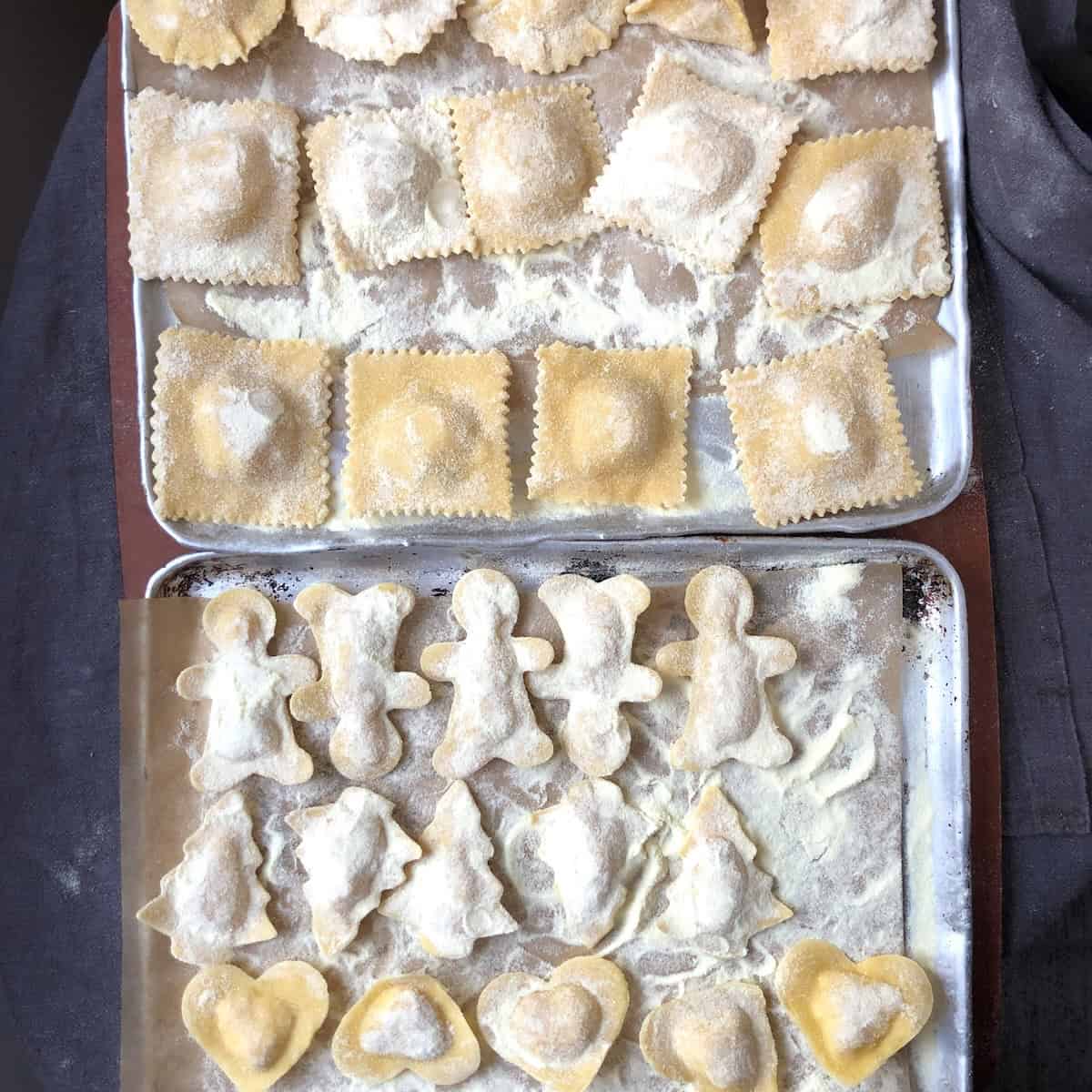
Holiday-Shaped Ravioli: A Fun Twist
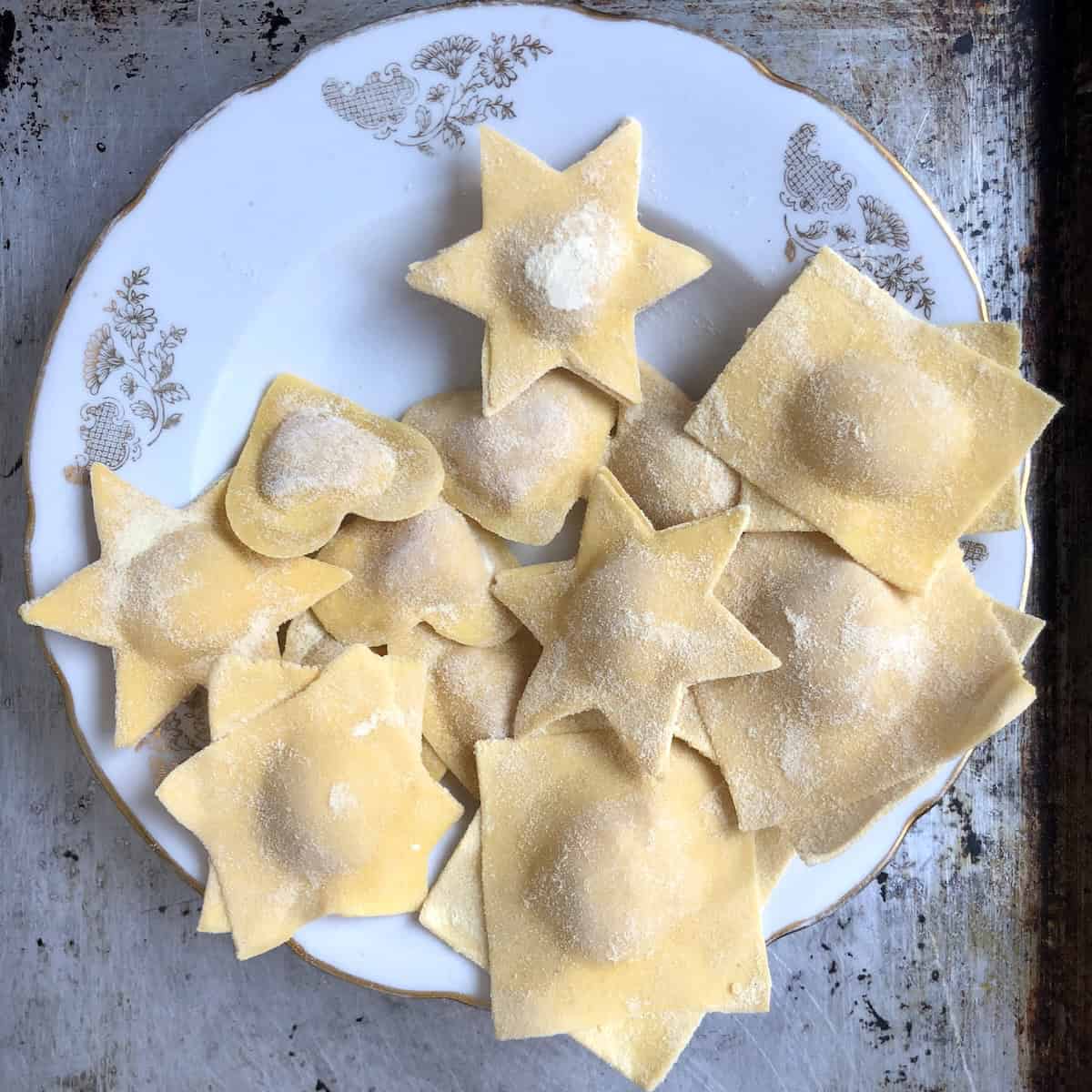
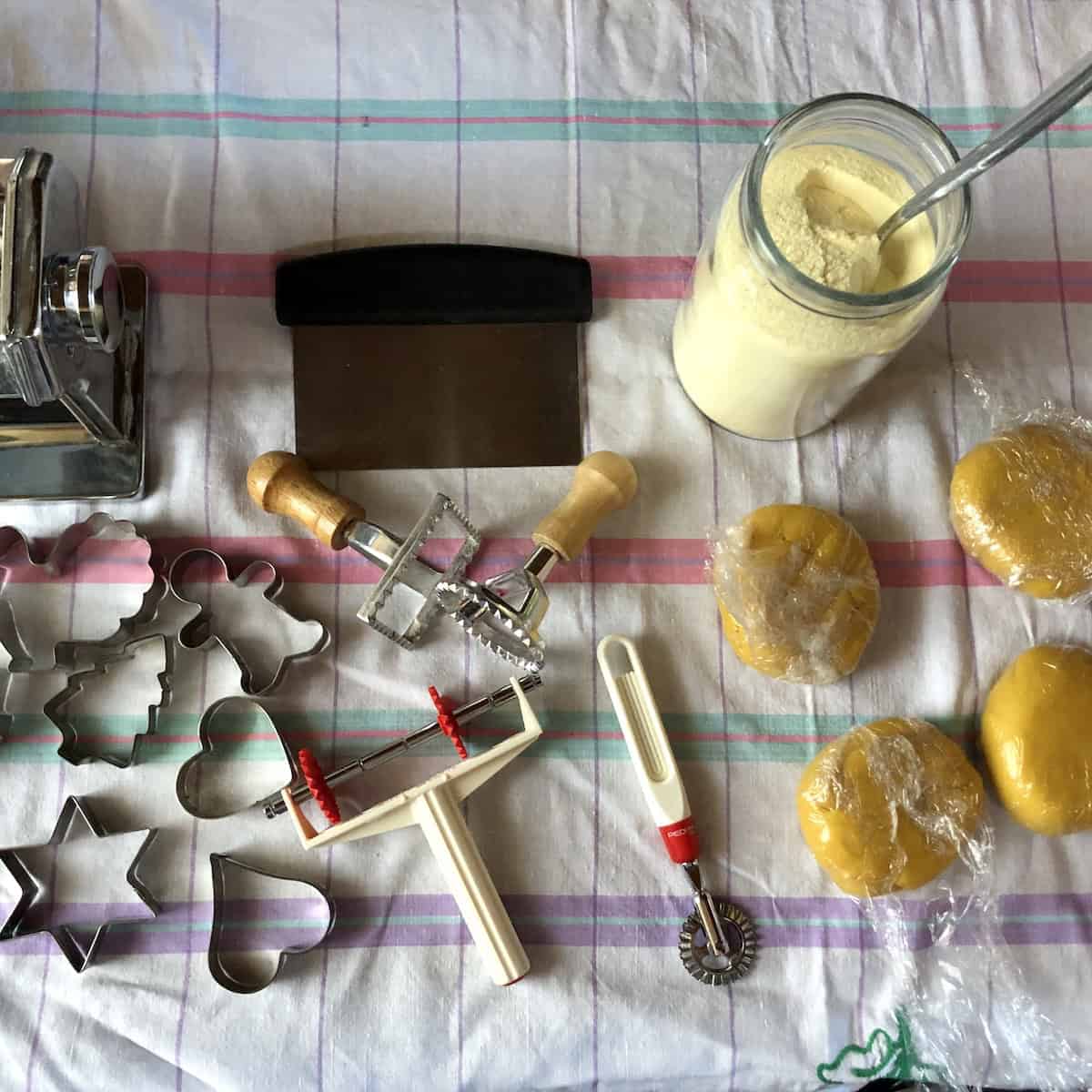
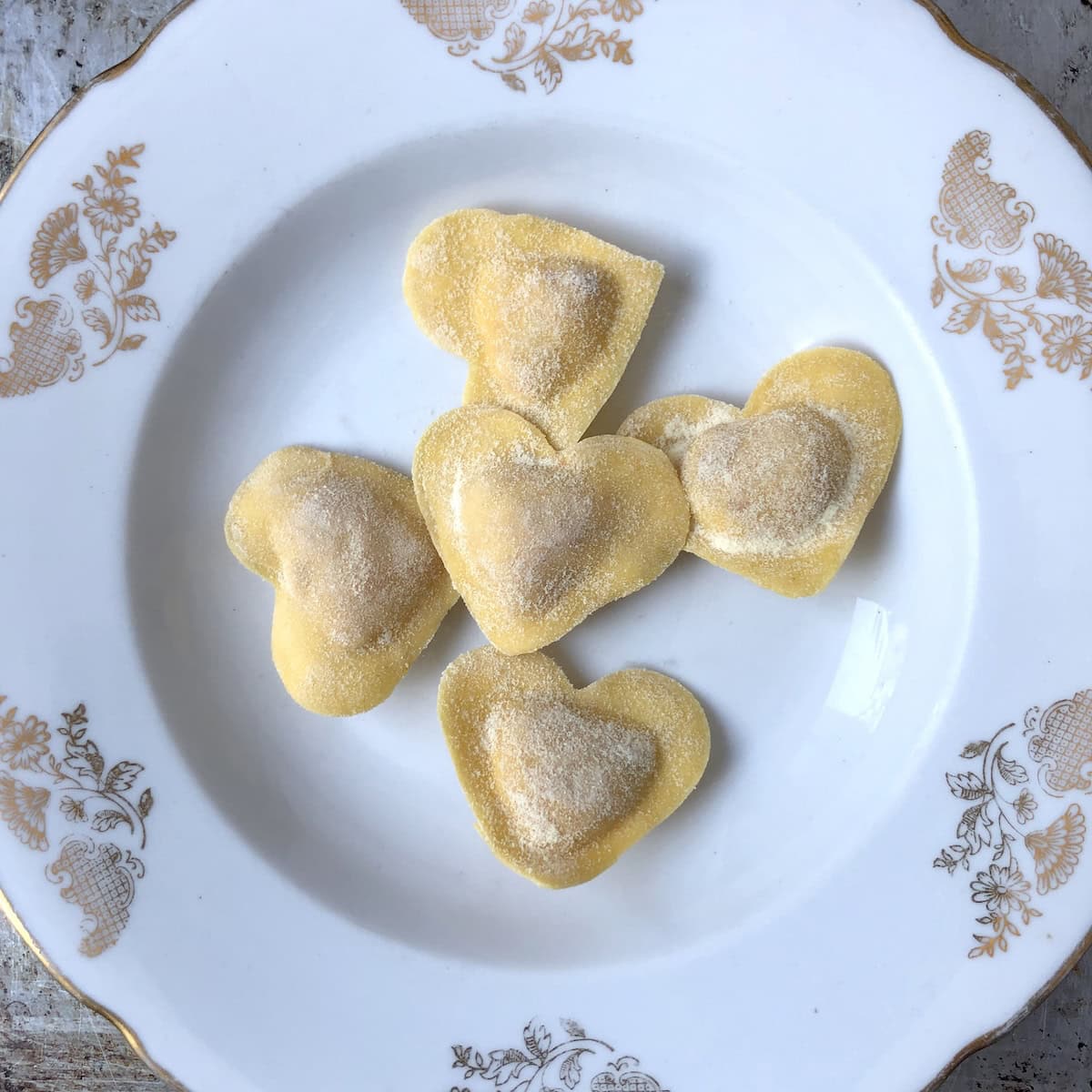
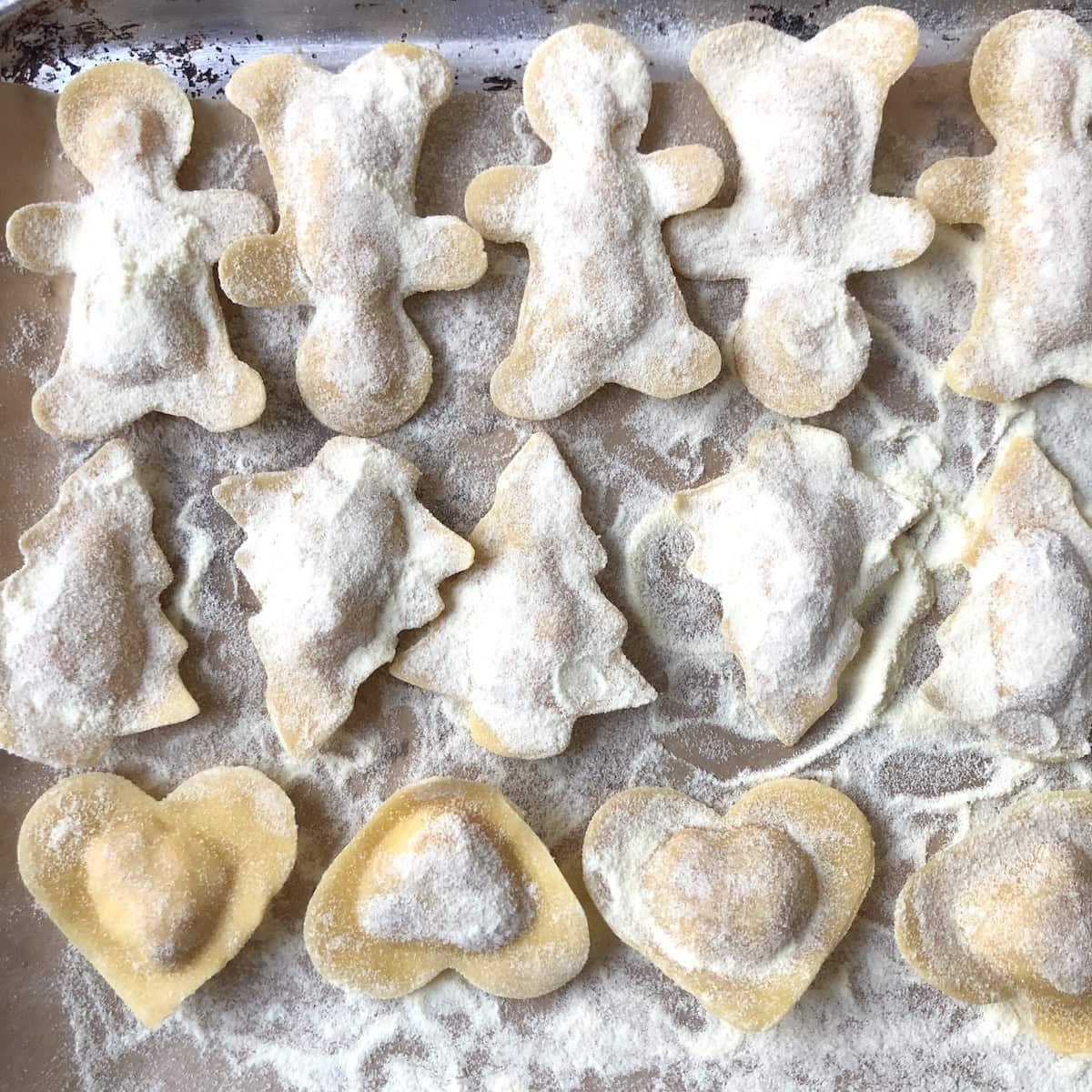
I love making fun-shaped ravioli. I've used turkey cookie cutters to make Thanksgiving lobster ravioli, heart shapes for Valentine's Day, and stars, Christmas trees, and gingerbread man cutters for holiday ravioli.
The key is rolling your pasta thin enough and making sure you have enough dough around the filling to create a proper seal. It's a bit more work than squares or circles, but it makes for a fun and unexpected experience. Save the dough scraps for adding to homemade minestrone or homemade chicken noodle soup.

What to Serve with Lobster and Shrimp Ravioli
Side Dishes
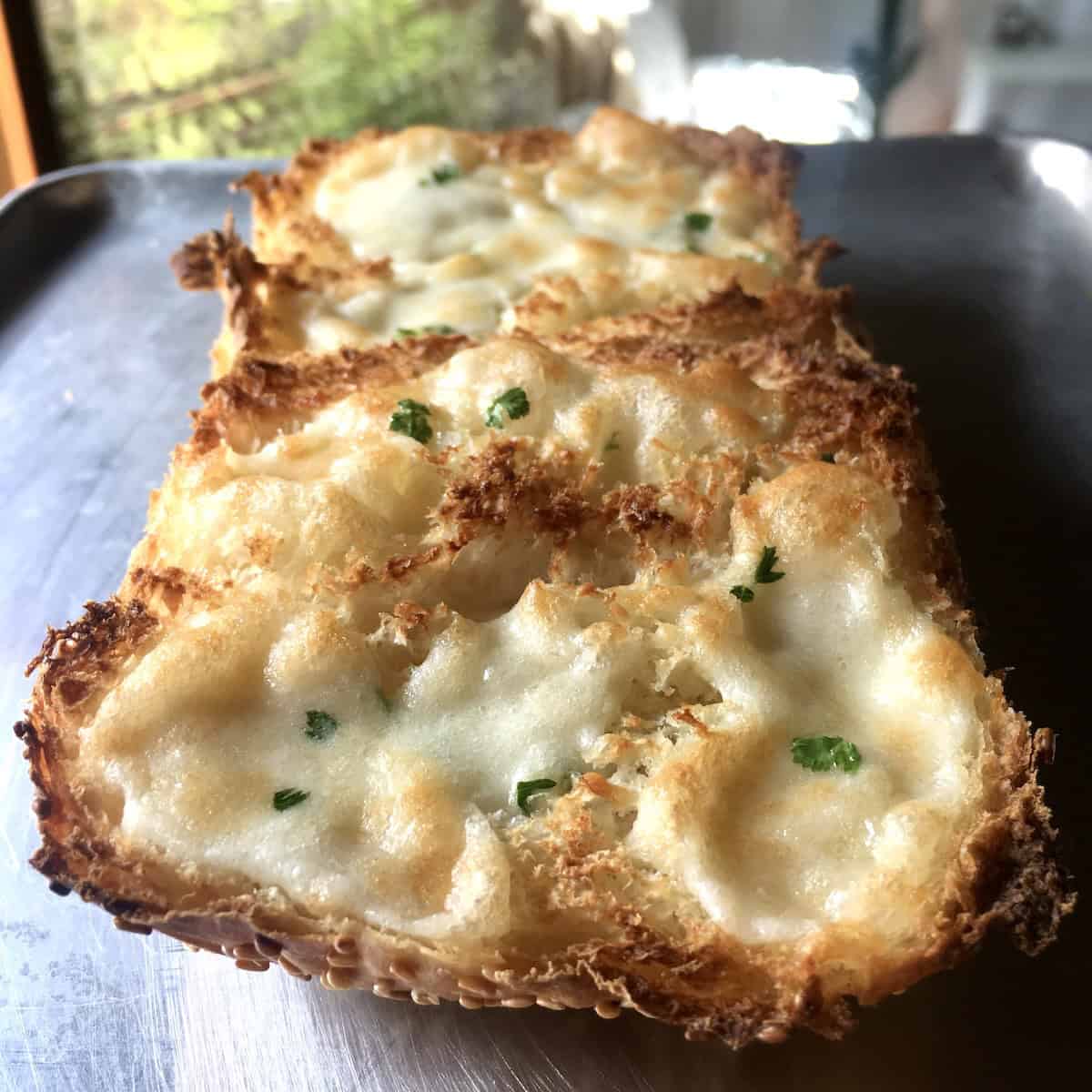
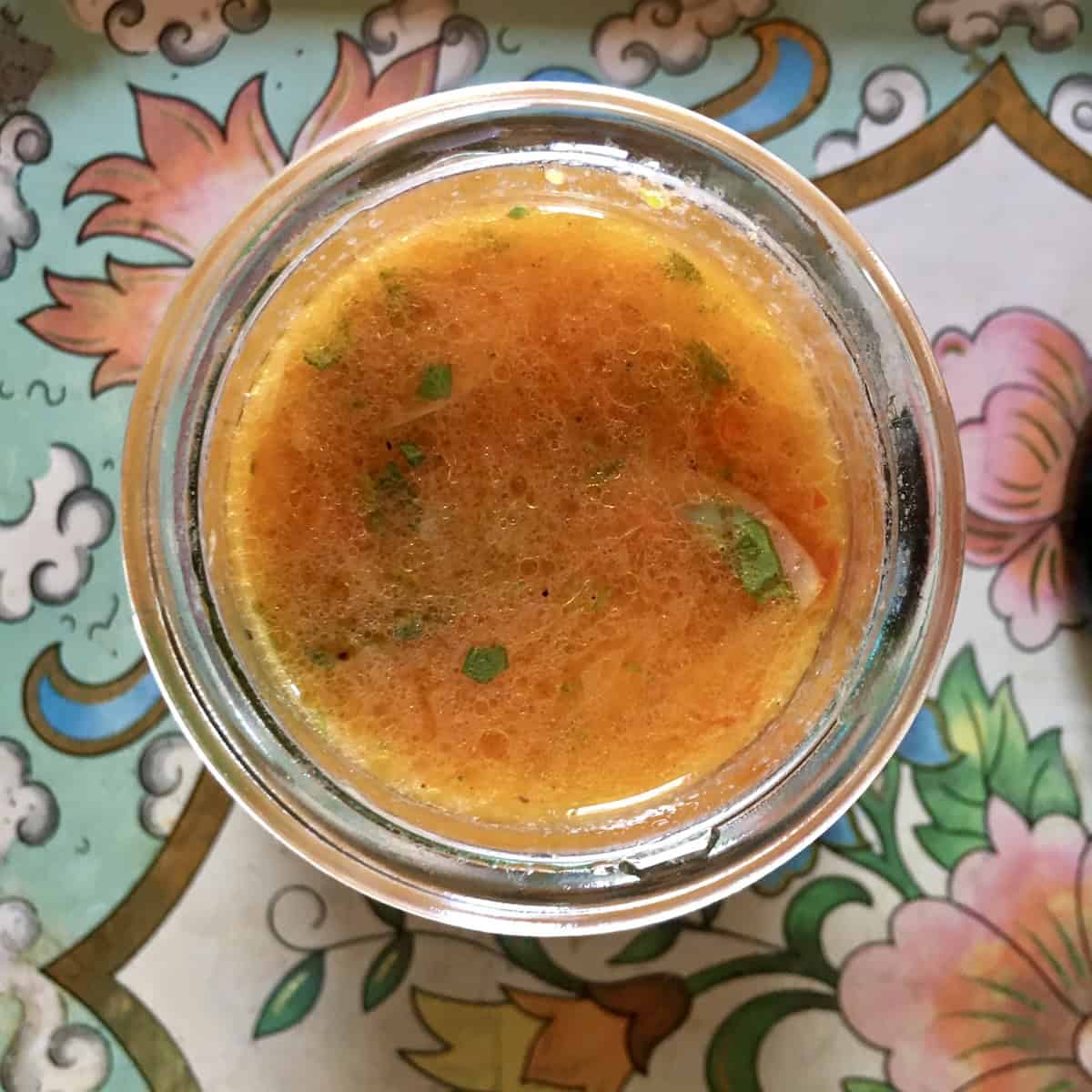
Keep sides simple so the ravioli stays the star. A crisp green salad with a light tomato-lemon vinaigrette works great. Steamed, grilled, or sautéed asparagus and carrots, roasted garlic broccolini, sweet green peas, sautéed green beans, or haricot verts all complement without competing. A crusty baguette or garlic bread is perfect for soaking up every last bit of the tomato cream sauce.

Wine Pairing Suggestions
A crisp, unoaked Chardonnay, Pinot Grigio, Pecorino, Sancerre, New Zealand Marlborough Sauvignon blanc, or my personal favorite, Champagne or Metodo Classico, all pair wonderfully with the rich seafood and creamy sauce.

Substitutions
- All shrimp ravioli filling, no lobster: For a more budget-friendly version that's still absolutely delicious, use all Argentinian red shrimp to make this a shrimp ravioli. Double the shrimp amount and process half into mousse while chopping the other half into small chunks.
- Fresh lobster: Works beautifully and is the gold star version! Poach the raw lobster meat in clarified butter just until cooked through.
- Regular shrimp or prawns: If you can't find Argentinian red shrimp, any raw shrimp will work. The flavor will be slightly different but still delicious.
- Scallops or crab: Replace some or all of the lobster or shrimp for a different but equally delicious seafood ravioli.
- Store-bought Ghee can be substituted for the homemade clarified butter to save time. It's the same thing.
- Dairy alternatives: The mascarpone adds extra luxuriousness to the sauce, but you can use heavy cream or half-and-half in the sauce. For the filling, you could use all ricotta if needed, with a splash of heavy cream instead of mascarpone. I can't attest to what this will taste like because I've never actually used only ricotta plus heavy cream. But I imagine it will still be delicious.
- White wine: Substitute with dry vermouth, vodka, or seafood/chicken stock if avoiding alcohol.
Variations
- Leaf lard addition: For extra unctuousness, add 1 tablespoon (15g) of leaf lard to the filling. This technique of adding pork fat to shrimp fillings like Chinese shrimp dumplings adds incredible richness without any porky flavor because leaf lard is delicate and flavorless.
- Spicier filling: Increase the crushed red pepper or add a small amount of Calabrian chile paste.
- Brown butter sage sauce: Skip the tomato cream and serve with a simple brown butter sauce for a more traditional approach.
- Vodka sauce: Add 2 tablespoons of vodka when deglazing in place of the wine for a pink vodka sauce variation.
How to Store and Freeze Lobster Ravioli
Freezing Instructions (my top recommendation)
Place uncooked ravioli on a semolina flour-dusted parchment-lined baking sheet, not touching, and freeze until solid (about 1 hour). Transfer to a freezer bag and store for up to 3 months. Cook directly from frozen, adding 1-2 minutes to the cooking time. Do not thaw frozen lobster ravioli before cooking!
Refrigerator Storage (not recommended)
I never store homemade, uncooked ravioli in the refrigerator since it can cause the pasta to become weak and the filling to leak out during cooking. Plus, it can absorb other odors from your refrigerator.
If you must (and at your own risk), uncooked ravioli can be stored on a parchment-lined baking sheet (not touching each other) in the refrigerator for up to 24 hours. Cover with a paper towel, then very loosely with sustainable plastic wrap to help avoid having issues with condensation.
Cooked ravioli with sauce will keep in an airtight container for 2-3 days, though the texture is best when fresh.
Reheating Tips
I highly doubt you'll have any leftovers! But if you do, gently reheat leftover ravioli in a pan with a splash of stock or a little clarified butter and EVOO over low heat. I don't recommend microwaving because it can make the pasta and filling rubbery.
Make-Ahead Meal-Prep Instructions
Up to 3 months ahead: Make and freeze uncooked ravioli.
Up to 3 days ahead: Make the pasta dough, wrap it, and place it in an airtight container in the fridge.
Up to 1 day ahead: Make the filling and refrigerate. Make the seafood stock and refrigerate.
Day of: Roll pasta, fill ravioli, make sauce, and cook. The sauce is best made fresh, but since we're using the magical Italian mantecare method (adding starchy pasta cooking liquid to the cream sauce which is emulsifying it), it's ok to also make it the day ahead if you have to. Most cream-based sauces don't reheat well, but most of those cream sauces don't use the secret culinary power of mantecare!
If you make the sauce 1 day in advance, be sure to reheat it slowly and add some of the seafood stock to it to help loosen it up if needed.
If you're serving this for a dinner party, I recommend having everything prepped and ravioli formed before guests arrive. They cook in 90 seconds, so you can finish the dish quickly once everyone's seated.
Top Tips for Perfect Lobster Ravioli
- Keep everything cold. Cold filling holds together better and won't leak during sealing. Plus, it's best practice for food safety.
- Press out air pockets as you fill the ravioli. Air trapped inside causes ravioli to burst during cooking.
- Don't overfill. About 20-25g (1 heaping tablespoon) is ideal for medium-large ravioli.
- Use enough flour. Dust your work surface, pasta sheets, and formed ravioli to prevent sticking and keep them from touching one another.
- Use a large enough pot to accommodate the amount of ravioli you're cooking. Don't overcrowd the pot, or ravioli will stick together. As you drop them in the water/seafood stock, use a spoon to gently keep the water moving so they won't stick together.
- Don't rapidly boil ravioli. Cook ravioli in a gentle simmering boil so they don't burst open. Once the stock boils, simply reduce the heat a little and then add the ravioli.
- Save the pasta cooking stock/water. That starchy liquid is essential for the mantecare method used for the tomato cream sauce.
- If using fresh lobster, don't overcook it. Whether poaching it in clarified butter, boiling or steaming it, lobster becomes rubbery when overcooked.
- Don't add too much fresh lemon juice. A very light squeeze adds brightness; too much may overwhelm the delicate seafood and the cream sauce.
Perfect for Special Occasions
This lobster and shrimp ravioli is a go-to for celebrations. The time investment makes it feel truly special, and the results never disappoint.
Valentine's Day: Halve the recipe for an intimate dinner for two. Use heart-shaped cookie cutters for a little extra cheesy romance😉!
Feast of the Seven Fishes: This counts as one (or two!) fish toward your traditional Italian-American Christmas Eve celebration.
Lenten Fridays: An elegant meatless meal that doesn't feel like sacrifice.
Thanksgiving/Friendsgiving: A delicious detour from traditional turkey for all your turkey-hating friends and family. I can promise you that this turkey-shaped ravioli will get more attention than the actual bird!
Christmas: Stars, gingerbread men, or tree-shaped ravioli make an unexpected and stunning holiday presentation.
Tips for Buying Lobster on a Budget
Lobster doesn't have to break the bank if you shop strategically. Grocery stores typically run special deals on lobster around Thanksgiving and Christmas when demand for surf-and-turf spikes. At the time of making this recipe (December 2025), we were able to buy 350g whole frozen Atlantic lobsters for €8/each.
Here in Northern Italy, it's more difficult to get fresh clawed lobster (called "astice" in Italian), much less at a decent price. We most often have fresh Mediterranean spiny lobsters (spiny clawless lobsters called "aragosta") available which have sweeter, more prized meat, but it's even more expensive than clawed lobster. Like crazy expensive!
Frozen whole lobsters and lobster tails are often significantly cheaper than fresh lobster (and trying to find fresh lobster tails here is nearly impossible where were are). So, for this recipe, frozen lobsters work perfectly because you need to use cooked lobster meat in the filling anyway.
If lobster prices are high, remember that an all-shrimp version using Argentinian red shrimp is just as delicious. Or use half lobster, half shrimp to stretch your budget while still getting that lobster flavor in every bite.
FAQ
The best sauce for lobster ravioli complements rather than overwhelms or covers up the delicate seafood. Top options include tomato cream sauce (pink sauce), brown butter sage, lemon butter (beurre blanc), lobster ravioli vodka sauce, or alfredo. This tomato mascarpone cream sauce is my personal favorite for its perfect balance of richness and acidity without being heavy.
Keep sides simple to let the ravioli shine. A crisp green salad with lemon vinaigrette, steamed, grilled, or roasted asparagus, roasted broccolini, green peas, or sautéed green beans are all excellent choices. Crusty bread or garlic bread is essential for soaking up extra sauce. Pair with a crisp, unoaked white wine like Sancerre, or our personal favorite, Champagne or Metodo Classico.
Yes, I always meal prep lobster ravioli for easy restaurant quality pasta any time we're in the mood because it's a lot of effort and I want the maximum reward for it! Place uncooked ravioli on a flour-dusted parchment-lined baking sheet (not touching) and freeze until solid, about 1 hour. Transfer to a freezer bag and store for up to 3 months. Cook directly from frozen in boiling salted water or seafood stock, adding 1-2 minutes to cooking time (3-4 minutes total). No thawing needed.
Although I highly advise against this because the lobster ravioli can take on the flavors from your fridge and/or break open from the moisture in your filling, you can technically store uncooked ravioli for up to 2 days at your own risk! Add the ravioli to a floured, parchment-lined baking sheet covered with a paper towel then loosely covered with sustainable cling film. Cooked ravioli with sauce keeps 2-3 days in an airtight container. For best texture, serve fresh or freeze uncooked rather than refrigerating cooked ravioli.
Ravioli burst open while cooking for three main reasons: air pockets trapped inside, overfilling them, or boiling too vigorously. Always press out air bubbles when sealing, use about 20-25g of filling (1 heaping tablespoon) for medium to large ravioli, and cook at a gentle boil rather than a rolling boil. The rapid bubbling bounces ravioli around and can cause them to break open.
Yes, lobster bisque makes a luxurious double-lobster sauce. Thin it slightly with pasta cooking liquid (seafood stock or salted water) as needed. It creates an intensely lobster-forward dish, though some (including myself) find it too rich. Try mixing bisque with a bit of cream, seafood stock, or chicken stock, and a squeeze of lemon for better balance.
Champagne is our favorite wine to serve with lobster ravioli, but a a crisp white wine also pairs perfectly with lobster ravioli. Sancerre, Sauvignon Blanc, Pecorino (from Abruzzo), or unoaked Chardonnay are excellent choices. If your sauce is cream-based like my light tomato cream sauce, a buttery Chardonnay works beautifully. Champagne or sparkling wine is also a classic pairing. Avoid heavy reds that would overpower the delicate seafood. This is not the time to open the Chianti, or Montepulciano.
The tomato cream sauce can be made 1-2 hours ahead and rewarmed. It can be refrigerated up to 1 day ahead and gently reheated. Add a splash of stock or pasta water if it thickens too much.
Pink sauce (rosa sauce) is a tomato cream sauce made with tomatoes, cream, and often mascarpone or parmesan. Vodka sauce is a type of pink sauce that includes vodka, which helps release flavor compounds in the tomatoes (like the white wine in this recipe does) and creates a slightly different taste profile. Both work beautifully with lobster ravioli.
Absolutely! Dungeness crab makes an excellent substitute! You can also use all shrimp (double the amount), process half into the puree with caramelized carrots and chop the rest. You can also use diver scallops, or a combination of all of these shellfish. The shrimp mousse technique works with any seafood filling.
If your sauce is too thin, continue simmering over low heat while stirring occasionally until it thickens. You can also add a splash more mascarpone to help thicken and enrich. Never add cornstarch to a cream sauce as it can make it gluey. The mantecare method (adding starchy pasta water while vigorously stirring) naturally thickens through emulsification.
The lobster meat turns from translucent to opaque white when cooked. You can also use an instant-read thermometer; 140°F (60°C) is perfect. If using pre-cooked frozen lobster, it's already cooked for you. Be careful not to overcook fresh lobster, as it becomes rubbery quickly.
Gently reheat in a pan with the sauce and a splash of stock or water and a pat of butter (or clarified butter even better) over low heat. Toss gently until warmed through. Don't microwave it as it can make the pasta rubbery and cause the filling to become tough. Add fresh herbs or a squeeze of lemon to brighten the reheated dish.
Mantecatura is an Italian technique of vigorously swirling and stirring starchy pasta cooking liquid with fats (butter, oil, cheese) to create an emulsified, silky sauce that clings to pasta without the use of cream. It's one of the secrets to restaurant-quality pasta sauces and transforms a good dish into an exceptional one.
If you can buy homemade fresh lasagna sheets, then you do not have to make homemade pasta dough to make lobster ravioli. That said, making it becomes second nature after a few times, and it's worth the effort for special occasions. The texture and flavor difference are noticeable. If you're short on time, wonton wrappers make a decent substitute that's much faster, but it won't be close to the same experience. If using fresh pasta sheets from the refrigerated section at the grocery store or wonton wrappers, use a beaten egg (egg wash) to help close the ravioli by rubbing a little egg wash around the edges before you seal them.
More Shrimp Recipes
Can't get enough shrimp? Here are a few of our favorite shrimp recipes.


More Seafood Pasta Recipes
Love seafood pasta? Try these other seafood pasta recipes next.



Let's Get Started!
Made this Recipe? We'd love for you to rate ⭐️ it and tell us how it went for you!
📖 Recipe
Lobster Ravioli With Tomato Cream Sauce
- Total Time: 2 hours 15 minutes
- Yield: 50-60 Lobster Ravioli (depending on size)
Description
This homemade lobster ravioli recipe features a luxurious shrimp and lobster ravioli filling with sweet lobster chunks and silky Argentinian red shrimp, served in a creamy mascarpone tomato cream sauce. This seafood ravioli delivers restaurant-quality pasta perfect for Christmas, Valentine's Day, Lenten Fridays, or the Feast of the Seven Fishes.
Ingredients
RAVIOLI AND FILLING
- 1 pound of pasta from one recipe fresh egg pasta dough (500g) (sub store-bought fresh lasagna egg pasta sheets)
- 9 ounces (a little more than ½ pound) cooked lobster meat, diced into ¼ inch pieces- from 2 whole frozen lobsters (about 12 oz/350g each) (250g)
- 9 ounces (a little more than ½ pound) Argentinian red shrimp, weighed after being peeled and deveined (250g)
- 2 tablespoons clarified butter (ghee) (30g)
- 1 garlic clove, smashed (removed after perfuming)
- 1 small carrot, finely diced (40g)
- ¼ cup dry white wine (60g)
- 3 tablespoons mascarpone cheese (45g) *for a creamier filling, use 4 T (60g)
- 1 tablespoon ricotta cheese (15g)
- 1 tablespoon leaf lard (optional but recommended) (15g)
- 1 teaspoon finely sliced fresh chives, for garnish (optional but recommended)
- pinch of crushed red pepper
- salt to taste
QUICK SEAFOOD STOCK (For cooking the ravioli-adds depth of flavor) (Store-bought seafood stock or salted water may be substituted.)
- Reserved shrimp and lobster shells, quickly roasted
- 1 small onion, cut in half
- 1 small carrot, cut in half
- 1 celery stalk, cut in half
- 1 fresh tomato, quartered
- Grana Padano crusts (optional, for added umami)
- 1 teaspoon black peppercorns
- 1 bay leaf (optional)
- water to cover
- Salt to taste
TOMATO CREAM SAUCE
- 1 pound whole sweet grape tomatoes, blanched and peeled (453g) (sub canned tomatoes)
- 2 tablespoons EVOO (30g)
- 2 tablespoons clarified butter (30g)
- 2 tablespoons mascarpone cheese (30g)
- 4 tablespoons dry white wine (60g)
- 1 garlic clove, smashed
- Salt to taste
- Pinch of crushed red pepper, or to taste
- Small squeeze of fresh lemon, to taste
- Fresh chives, finely sliced for garnish
 Get Recipe Ingredients
Instructions
- Make the pasta dough (or use store-bought fresh lasagna sheets). Let rest while preparing the filling.
- Par-cook the shrimp: Sauté garlic in clarified butter until fragrant. Add shrimp, season with salt, and cook 30 seconds per side until just turning pink. Transfer to a bowl and refrigerate until completely cold.
- Caramelize the carrots: In the same pot, sauté carrots in the butter until caramelized and soft (about 5 minutes). Add wine, scrape up browned bits, and cook 2-3 minutes to allow the alcohol to evaporate. Transfer to a bowl to cool.
- Make the shrimp mousse: In a food processor, combine cooled carrot mixture, mascarpone, ricotta, and leaf lard (if using). Process until smooth. Add ¾ of the shrimp and process until smooth. Dice remaining shrimp and set aside.
- Finish the filling: Dice lobster meat and combine with diced shrimp in a bowl and season with salt. Fold in the shrimp mousse, nutmeg, chives, and crushed red pepper. Season to taste. Refrigerate until ready to use.
- Make the seafood stock (optional): Roast shells at 400°F for 10-15 minutes. Simmer with aromatics for 30 to 60 minutes, or cook on high pressure in a pressure cooker or Instant Pot for 30 minutes. Strain, and season with salt to taste.
- Roll and fill the ravioli: Roll pasta thin enough to see through slightly. Cut ravioli into 3 to 3 ½-inch inch squares, circles, or other shapes. Fill ravioli with 20-25g filling (1 heaping tablespoon). Seal carefully, pressing out air pockets. Place on semolina-dusted parchment until ready to cook.
- Make the tomato cream sauce: Blanch tomatoes in stock, peel, and set aside (or used equivalent amount of canned tomatoes). Sauté garlic in EVOO and clarified butter until blistered and fragrant. Add crushed red pepper and tomatoes, smashing gently, and cook 4-5 minutes. Deglaze with wine and cook 3-4 minutes. Stir in mascarpone and keep warm.
- Cook and serve: Boil ravioli in seafood stock (or salted water) for 90 seconds or until they float. Add a little starchy cooking liquid to the sauce, using the mantecatura method to emulsify and loosen up the sauce to your desired consistency. Add a small squeeze of lemon, adjust seasonings, toss ravioli in sauce and serve immediately. Enjoy!
Notes
For a creamier, smoother filling: Add 1-2 tablespoons more mascarpone, and/or process all the shrimp plus up to half the lobster into the mousse instead of leaving chunks.
Keep everything cold. Cold filling binds better and is safer. Refrigerate between steps.
Don't overfill ravioli and remove any air bubbles
Optional Leaf Lard addition: I've made this filling without and also with the addition of 1 tablespoon (15g) of leaf lard to add extra unctuousness. It's a technique I learned from making Chinese shrimp dumplings and shrimp balls, where lard or diced pork fat back is often added to shrimp fillings because they pair exceptionally well-adding flavor, juiciness, and improved texture. Applied here, it works beautifully. When using high quality leaf lard specifically, there is no porky flavor; instead, it contributes a clean fat flavor that enhances the seafood without competing with it.
The quick seafood stock adds significant depth of flavor to the dish. If short on time, store-bought seafood stock or salted water can be substituted, but the homemade stock is highly recommended. Use about 20-25g (1 heaping tablespoon) per ravioli and press out air pockets to prevent bursting.
Cook at a gentle boil, not a rolling boil. Fresh ravioli are delicate and cook in just 90 seconds.
Freeze for meal prep. Freeze uncooked ravioli on a flour-dusted sheet until solid, then transfer to freezer bags for up to 3 months. Cook from frozen, adding 1-2 minutes to cooking time.
See the full post above for detailed tips on pasta thickness, the mantecare method, make-ahead instructions, substitutions, and troubleshooting.
- Prep Time: 1 hour 30 minutes
- Cook Time: 45 minutes
- Category: Pasta
- Method: Stovetop
- Cuisine: Italian
Nutrition
- Serving Size: 5 ravioli
- Calories: 500
- Sugar: 4g
- Sodium: 410mg
- Fat: 30g
- Saturated Fat: 15
- Unsaturated Fat: 15g
- Trans Fat: 0g
- Carbohydrates: 28g
- Fiber: 2g
- Protein: 24g
- Cholesterol: 195g

Food Safety
- Cook shellfish to an internal temperature of 145°F (63°C).
- Keep filling refrigerated until ready to use; do not leave at room temperature for more than 2 hours.
- Refrigerate leftovers within 2 hours of cooking.
- When in doubt about the freshness of seafood, discard it. Fresh seafood should smell like the ocean, never fishy or like ammonia.
- If you have a shellfish allergy, this recipe is not suitable for you.
See more guidelines at USDA.gov.



Kelly says
This is my go-to for special occasions like anniversaries, birthdays, or whenever I find good lobster on sale. The filling comes together faster than you'd think!