

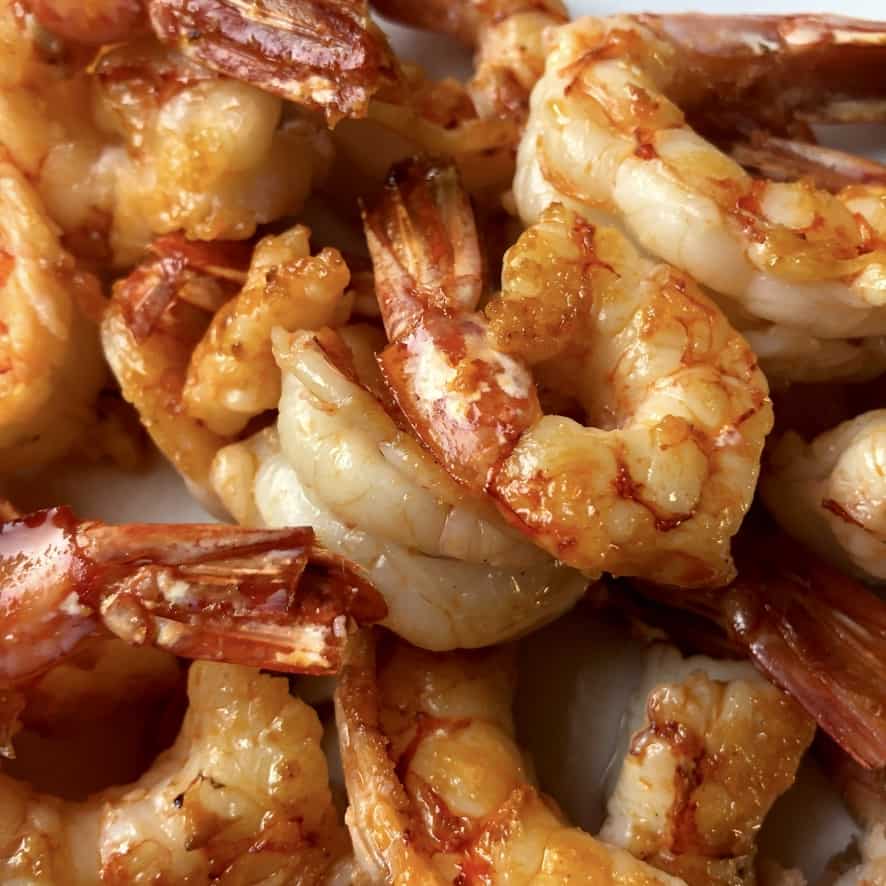
This easy sauteed shrimp recipe is hands-down the fastest way to get restaurant-quality garlic shrimp on the table. All you need are four ingredients (shrimp, extra virgin olive oil, a little garlic, and salt), plus a good heavy-gauge pan like cast iron, carbon steel, or even stainless steel.
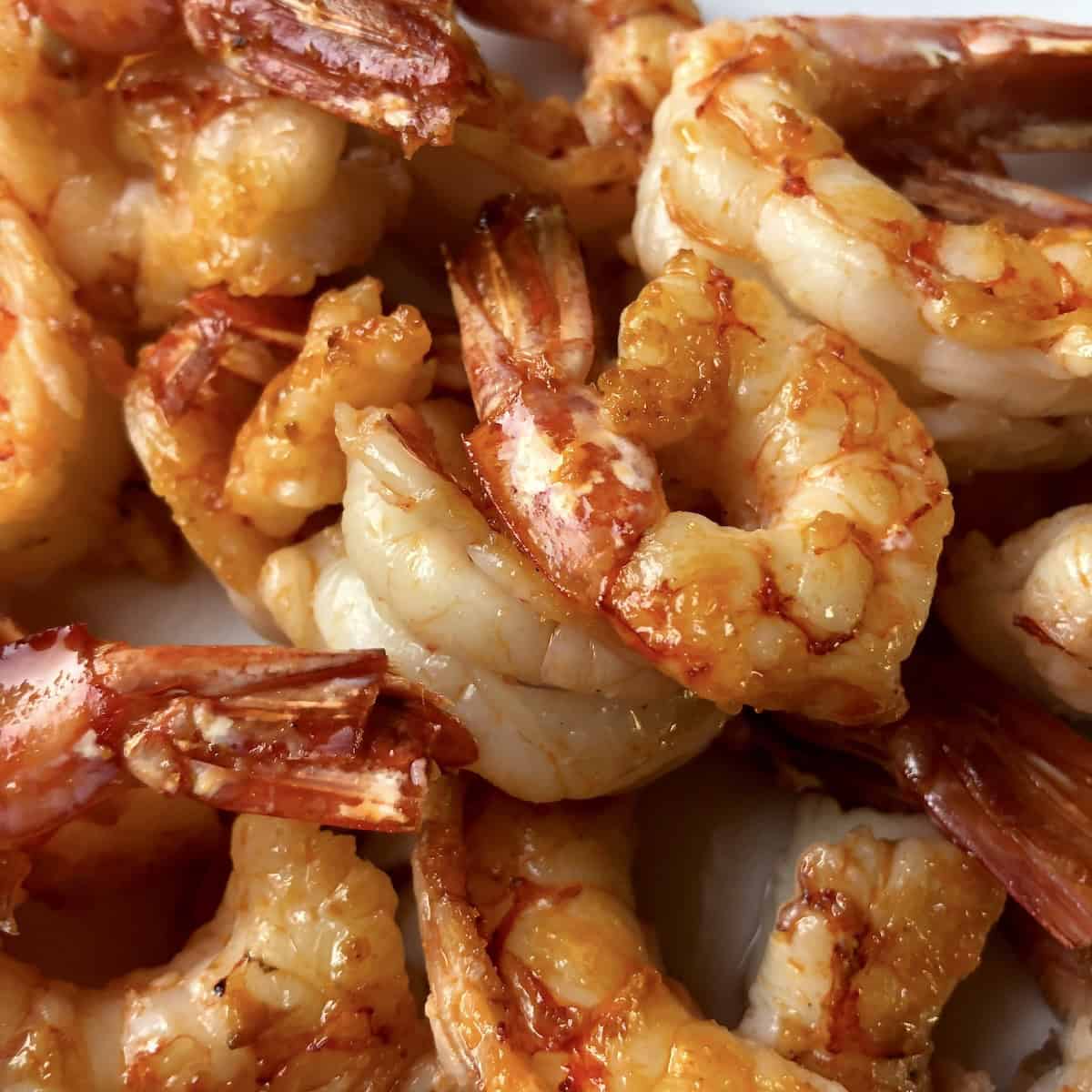
In just 4 minutes of cooking time on the stove, you'll have perfectly pan-seared shrimp with a golden, garlic-infused sear that rivals anything you'd order at a restaurant. It's one of the easiest shrimp recipes you'll ever make.
I make this sauteed shrimp at least once a week here in Northern Italy, where we're lucky to have incredible fresh seafood. It's the recipe I reach for when the fridge is bare, and Friday snuck up on me. I toss it over rice, add it to shrimp fettuccine Alfredo, pile it on salads, or just eat it straight from the pan (no judgment).
If you've been unable to get a proper sear on shrimp in the past, the three techniques below will completely fix that. This foolproof method works with all types of shrimp, including Royal Reds, tiger prawns, blue, brown, and white shrimp. You can even use frozen shrimp to make this recipe, which makes it budget-friendly for those living in landlocked areas.
If you love this sauteed shrimp recipe, you might also enjoy Shrimp Scampi or 4-Minute Grilled Argentinian Red Shrimp.
Jump to:
- Why You'll Love This Sauteed Shrimp Recipe
- Sauteed Garlic Shrimp Ingredients
- How to Cook Sauteed Shrimp on the Stove
- Sauteed Shrimp Step-by-Step Recipe Photos
- 3 Techniques for a Perfect Sear Every Time
- What Texture Should Cooked Shrimp Be?
- Substitutions
- Variations
- Can You Saute Frozen Shrimp?
- How to Buy the Best Shrimp (Even if It's Frozen)
- The Difference Between Red Shrimp and Regular Shrimp
- Best Pan for Sauteing Shrimp
- How to Cook Sauteed Shrimp for Pasta
- What to Serve with Sauteed Shrimp
- Storage and Reheating
- Top Tips for Perfect Sauteed Shrimp
- FAQ
- Royal Red Shrimp Tips and Facts
- Related Sauteed Shrimp Recipes
- 📖 Recipe
- Food Safety
What Is Sauteed Shrimp?
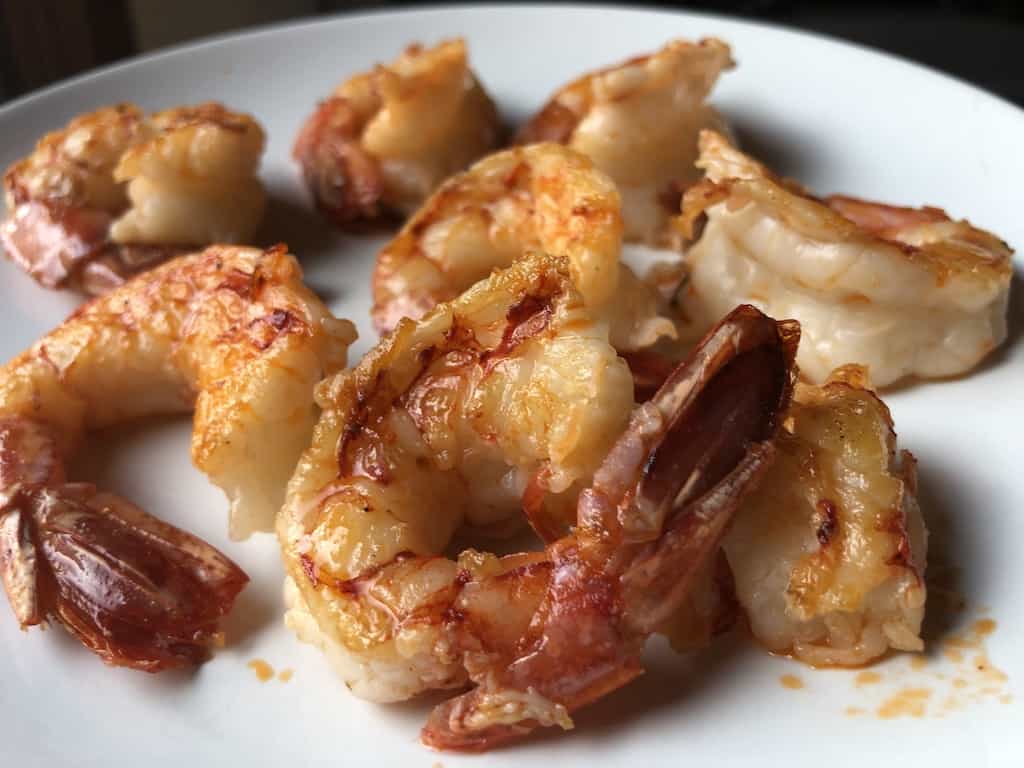
Sauteed shrimp is shrimp cooked quickly in a hot pan with a small amount of oil or butter, typically over medium-high heat for 2 to 4 minutes total. Unlike boiled or steamed shrimp, sauteing gives the shrimp a flavorful golden-brown exterior while keeping the inside tender and juicy.
Pan-seared shrimp uses the same technique but with slightly higher heat and less movement, resulting in an even crispier caramelized crust.
Why You'll Love This Sauteed Shrimp Recipe
- 4 minutes. That's it! This is one of the fastest, easiest shrimp recipes you'll ever make. Perfect for busy weeknights when you need dinner on the table fast.
- Only 4 ingredients. Shrimp, extra virgin olive oil, garlic, and salt. That's the whole recipe. No long ingredient lists, no special trips to the store.
- Restaurant-quality results at home. The garlic-infused olive oil and hot cast iron technique produce a professional sear without the restaurant prices.
- Incredibly versatile. Serve it over rice, toss with pasta, pile on salads, wrap in tacos, or eat it straight from the pan as a high-protein snack or appetizer.
- Works with any type of shrimp, including frozen, making it accessible and budget-friendly no matter where you live.
- Low-calorie and high-protein. Sauteed shrimp is naturally low in carbs and calories while being packed with lean protein, making it a smart choice for healthy weeknight dinners.
Sauteed Garlic Shrimp Ingredients
You only need 4 simple ingredients to make this deliciously sweet and tender sauteed shrimp recipe (this includes salt and extra virgin olive oil). The success of this dish depends on the quality of the shrimp and how you cook them. Be sure to use the tips below for how to choose and buy the best seafood.
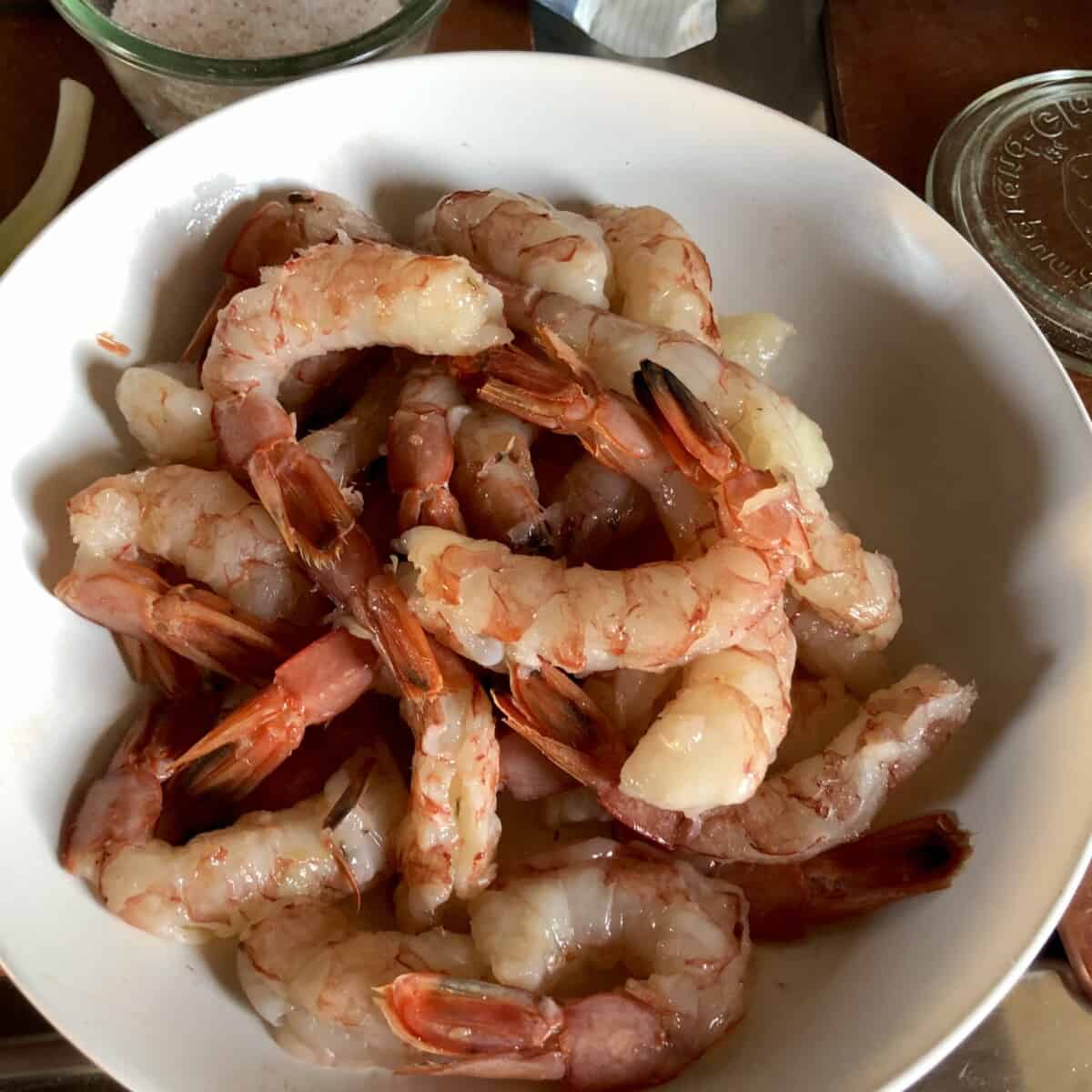
- Shrimp: Argentinian Red shrimp (or other sweet shrimp varieties). Any size works, though larger shrimp give you the best sear. They should be peeled and deveined with tails on.
- Extra virgin olive oil: Creates a garlic-infused cooking oil that gives the shrimp incredible flavor.
- Garlic cloves: Sliced paper-thin, then toasted in the oil before searing the shrimp.
- Sea salt: Sprinkled on just before cooking to season without drawing out moisture.
Optional Garnishes
- Butter - A pat added in the last 20 seconds creates a garlic-butter sauce.
- Crushed red pepper flakes - For a touch of heat.
- Grated Parmigiano cheese
- Finely chopped parsley or finely sliced chives
- Fresh lemon juice - A squeeze at the end brightens everything up.
See recipe card for quantities.
What Size Shrimp Should I Use?
Shrimp is sized by count per pound. The lower the number, the bigger the shrimp. For pan-searing, I recommend large (31/40) to extra-large (21/25) or jumbo (16/20) shrimp. Bigger shrimp give you more surface area for that golden sear and are easier to flip without overcooking. If you're using smaller shrimp, reduce your cooking time by about 30 seconds per side.
How to Cook Sauteed Shrimp on the Stove
Learning how to cook shrimp on the stove is one of the most useful skills you can pick up. It only takes 3 to 4 minutes to saute shrimp, making this one of the easiest shrimp recipes out there. The secret is in these two techniques: infusing the oil with garlic first, then searing the shrimp in a screaming-hot pan without touching them until they're ready to flip.

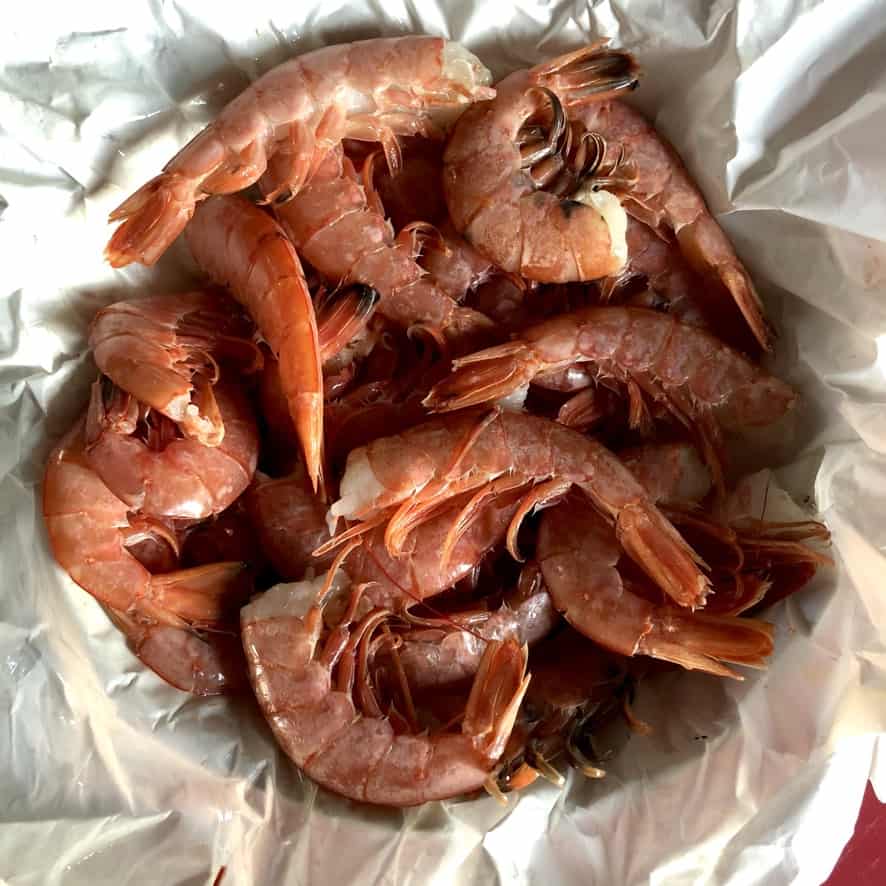
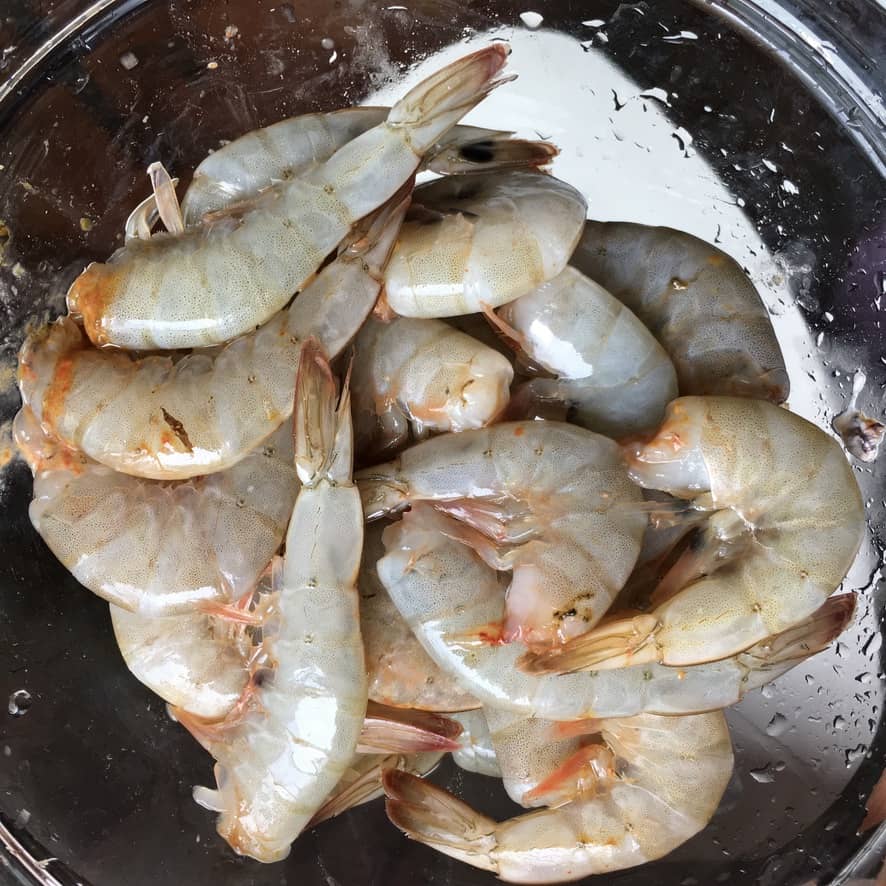
- Clean the shrimp. Remove the shells from the shrimp, leaving only the tail attached, and devein. Pat the shrimp completely dry on all sides with a paper towel, and place them on a plate while you prepare the garlic-infused olive oil.
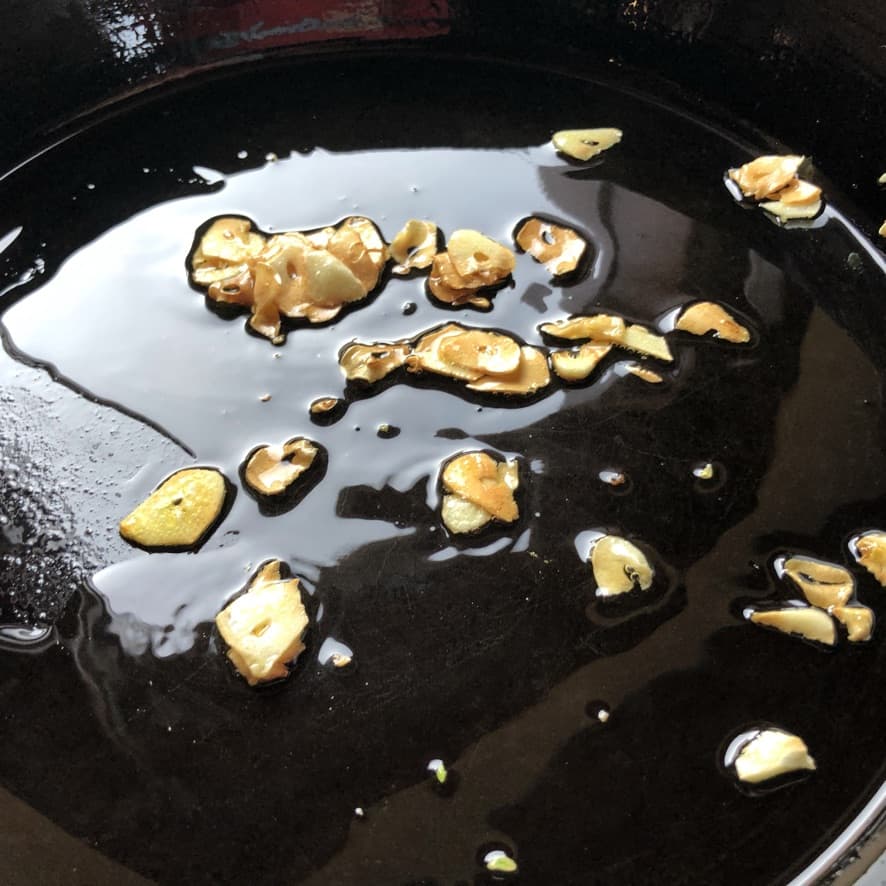
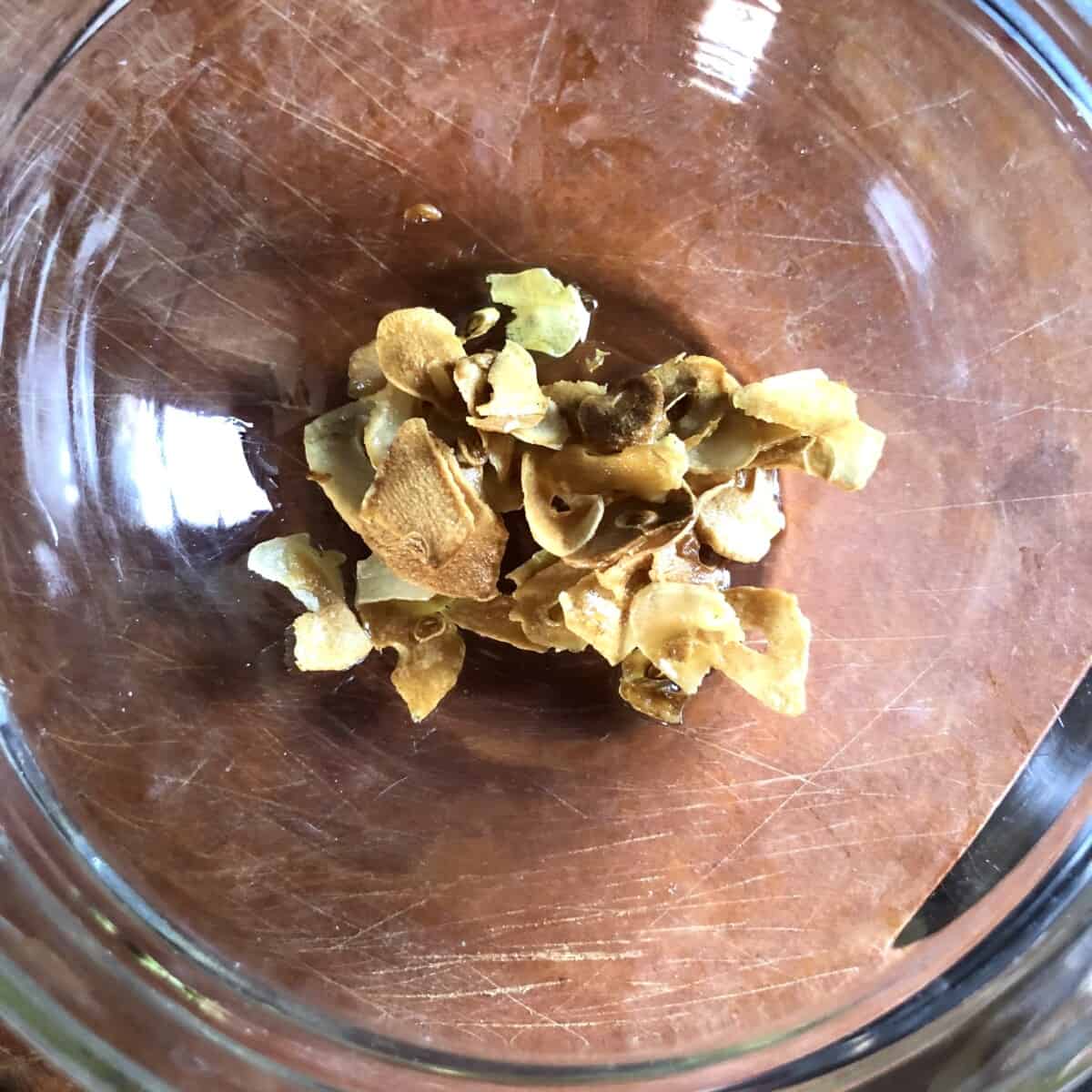
- Infuse the olive oil. Add the olive oil and garlic to a cold cast-iron or another heavy-gauge skillet and increase heat to medium. Saute the garlic until just perfectly golden brown and fragrant and remove the garlic from the pan and reserve.
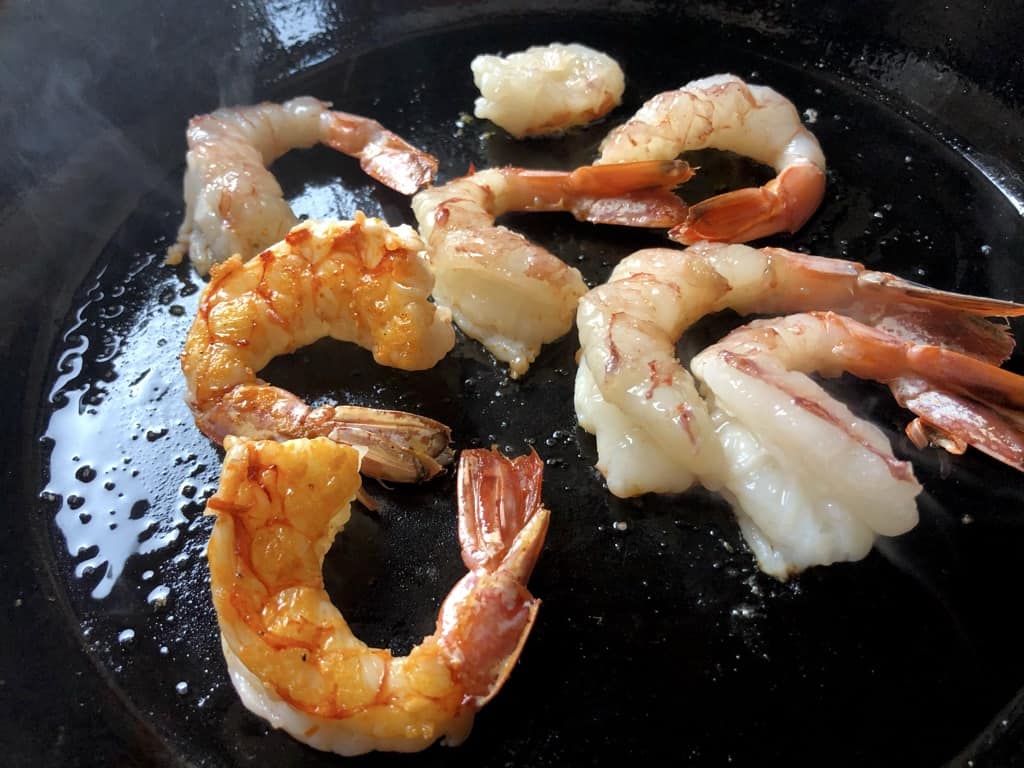
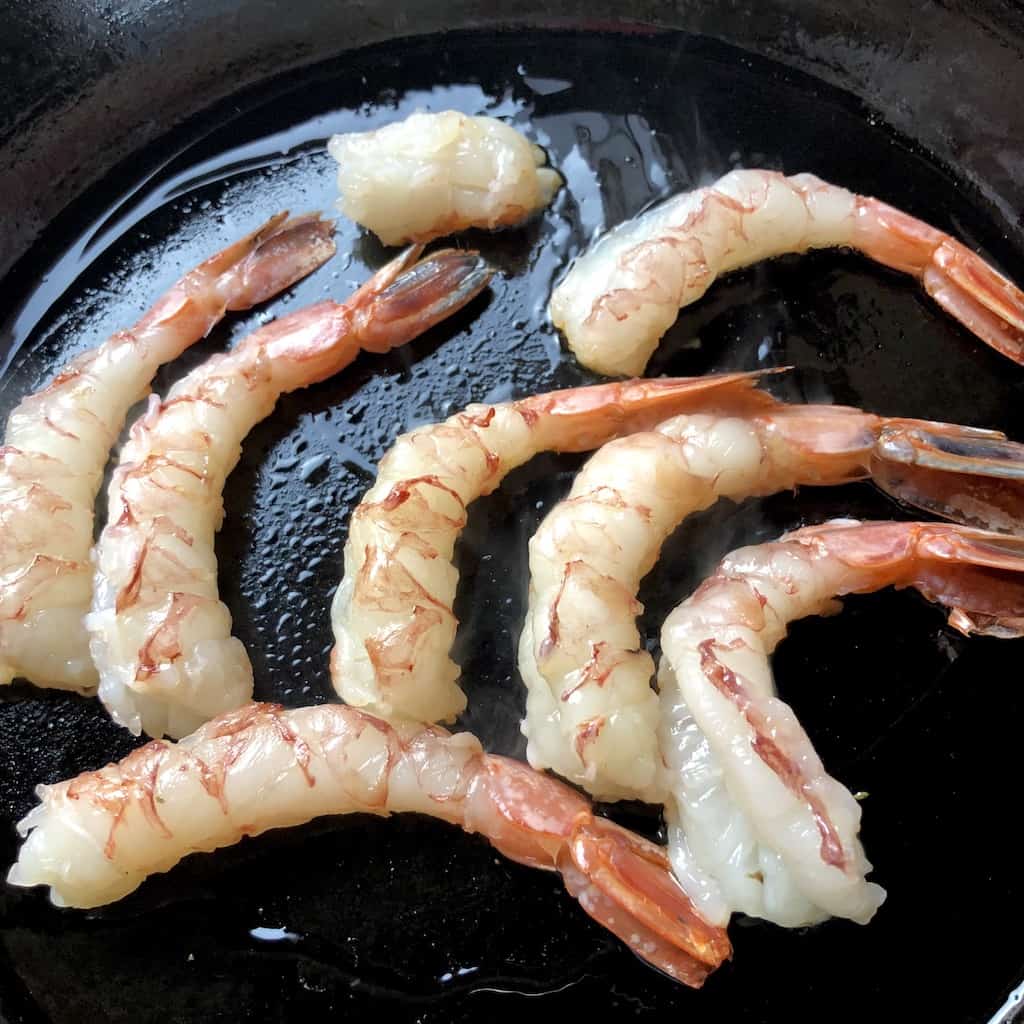
- Sear the shrimp. Increase the heat to medium-high heat and just before the skillet begins to smoke, add the shrimp in one single layer (avoid overcrowding the pan) and sprinkle them with salt to taste. Do not move them once they hit the hot skillet. Let the shrimp cook for about 2 minutes, or until they turn reddish-orange and have a golden sear. Flip them over being sure not to move them around and cook for 1 ½ to 2 minutes more, until just opaque and cooked through. Remove from the skillet and sprinkle with toasted garlic if desired. Serve immediately and Enjoy!
Alternatively, you can add a tablespoon of butter to the skillet along with a little parsley during the last 20 seconds of cooking time to create a garlic-butter sauce. Sprinkle with grated Parmesan cheese if desired before serving.
How Long to Saute Shrimp
Total cooking time depends on the size of your shrimp. As a general rule, shrimp cook for about 1 to 2 minutes per side over medium-high heat. The shrimp are done when they turn from translucent gray to opaque pink/orange and curl into a loose "C" shape. If they curl into a tight "O," they're overcooked. Keep in mind that red shrimp varieties cook a bit faster than other types because they are fattier.
Find detailed instructions in the recipe card.
Sauteed Shrimp Step-by-Step Recipe Photos

3 Techniques for a Perfect Sear Every Time
1. Pat the shrimp completely dry.
Once the shells have been removed and the shrimps have been deveined, pat them completely dry on all sides with a clean kitchen towel or paper towel.
This ensures that when the shrimp hit the hot oil in the pan, there is no additional liquid hitting the pan, creating steam and a watery surface. Dry equals a good pan sear. It's the same technique used in pan-seared steak and sometimes even pan-seared veggies.
2. Get your cooking pan seriously hot and almost just smoking before adding shrimp.
If you add shrimp before the pan is super hot, it will never sear properly without first overcooking the delicate shrimp. Alternatively, when using a delicate oil such as extra-virgin olive oil, you want to balance the heat in the pan.
Extra virgin olive oil does not have a high smoke point like a neutral cooking oil (grapeseed oil, avocado oil, etc.). So, if you're nervous about this part, use regular olive oil or a neutral (high smoke point) oil such as grapeseed or vegetable oil instead.
3. Don't overcrowd your pan.
Don't force too many shrimp into the skillet at one time, or you'll end up with steamed shrimp instead. Cook the shrimp in batches if you need to. Leave plenty of room for them to sizzle and cook and get that crispness on the bottoms (which equals flavor).
What Texture Should Cooked Shrimp Be?
Shrimp should be tender and springy, never rubbery. And the best way to avoid rubbery or chewy shrimp is not to overcook them.
It's essential to cook shrimp just until they're opaque and turn a reddish-orange or pink (about 2 to 4 minutes total, depending on the size and type of shrimp). Keep in mind red shrimp cook just a bit faster than other types of shrimp because they're fattier.
Substitutions
- Oil: You can substitute extra virgin olive oil with regular olive oil, avocado oil, grapeseed oil, or even ghee (clarified butter) for a richer flavor. If you prefer garlic-butter sauteed shrimp, use 1 tablespoon olive oil plus 1 tablespoon butter.
- Shrimp type: Any peeled and deveined shrimp works here. Argentinian reds, Gulf whites, brown shrimp, tiger prawns, or jumbo prawns all produce great results.
- Seasoning: While this recipe keeps it simple with just garlic and salt, you can add smoked paprika, Italian seasoning, cajun seasoning, or Old Bay for a completely different flavor profile.
- Garlic: Swap fresh garlic cloves with 1 teaspoon garlic powder if you're short on time. You can also use shallots for a milder, sweeter flavor.
Variations
- Garlic-butter sauteed shrimp: Add a tablespoon or more of butter and a little parsley during the last 20 seconds of cooking. The butter melts into the garlic-infused oil to create an irresistible garlic butter shrimp sauce that's perfect spooned over pasta or crusty bread.
- Lemon garlic shrimp: Squeeze half a lemon over the finished shrimp and add a pinch of lemon zest. The citrus cuts through the richness beautifully.
- Spicy sauteed shrimp: Add crushed red pepper flakes or a pinch of cayenne to the oil along with the garlic for a little kick.
- White wine sauteed shrimp: After removing the cooked shrimp, deglaze the pan with a splash of dry white wine, let it reduce for 30 seconds, then pour over the shrimp.
Can You Saute Frozen Shrimp?
Yes, but you need to thaw them first for the best sear. Cooking frozen shrimp directly will release too much water and steam the shrimp instead of searing them. Here are two quick thawing methods:
- Quick thaw (20 minutes): Place frozen shrimp in a sealed bag and submerge in a bowl of cold water. Stir every few minutes until fully defrosted.
- Overnight thaw: Move the bag of frozen shrimp from the freezer to the refrigerator the night before.
Sometimes frozen shrimp can be a better option than buying fresh, especially if you live in a landlocked area. Most shrimp is flash-frozen right after it's caught, so frozen shrimp is often fresher than what's sitting at the fish counter.
How to Buy the Best Shrimp (Even if It's Frozen)
Follow these basic guidelines for buying the best shrimp for sauteing.
- Buy shrimp from a reputable source like a local fishmonger or mom-and-pop seafood shop (obvious but not practical for some of you, I know).
- Buy fresh (never frozen) shrimp when available and always ask the employee which shrimp is the freshest and how old it is.
- Check all the dates of frozen or fresh shrimp and don't buy shrimp with very old dates or you risk getting an inferior product that may even be inedible.
- Smell the shrimp if they'll let you and if it smells clean and fresh that's a good sign, but if it smells like ammonia take a pass and buy something else.
- Check the texture and do not buy shrimp that looks leathery or "shreddy" which indicates it's been frozen too long, stored improperly, or just old.
The Difference Between Red Shrimp and Regular Shrimp
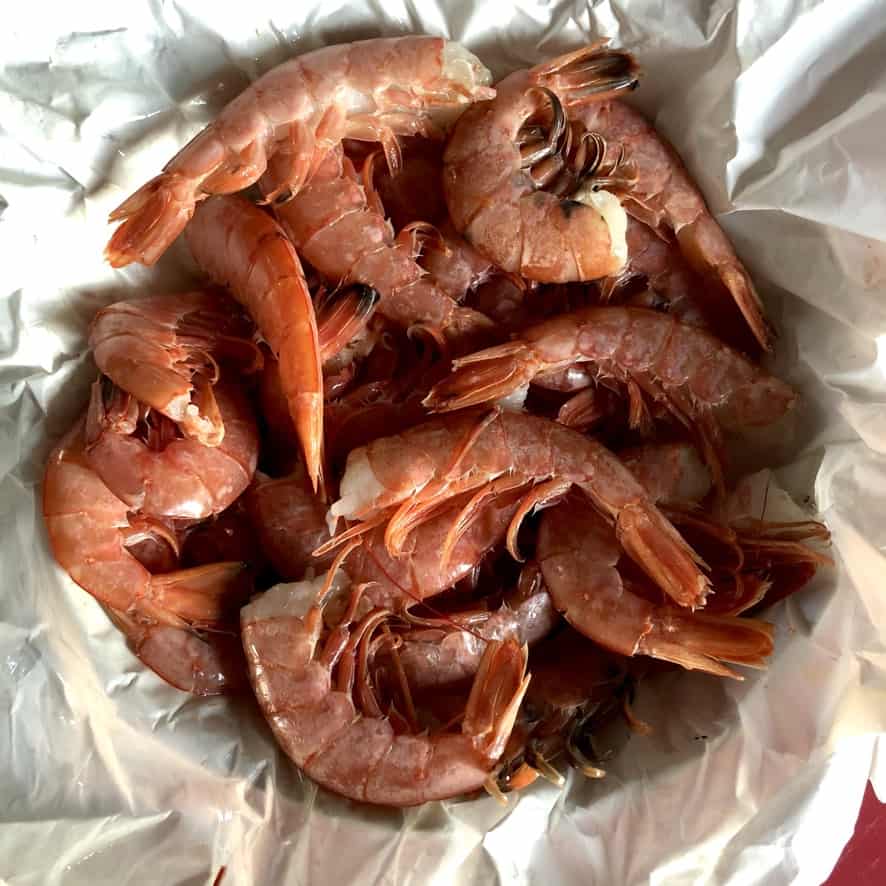
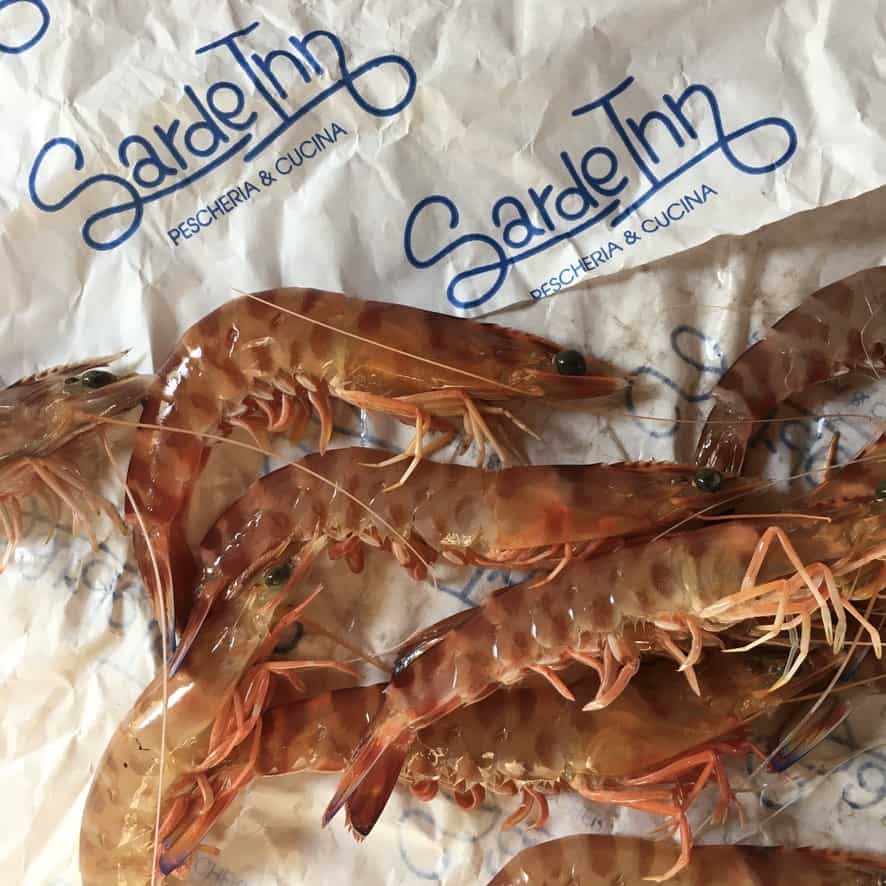


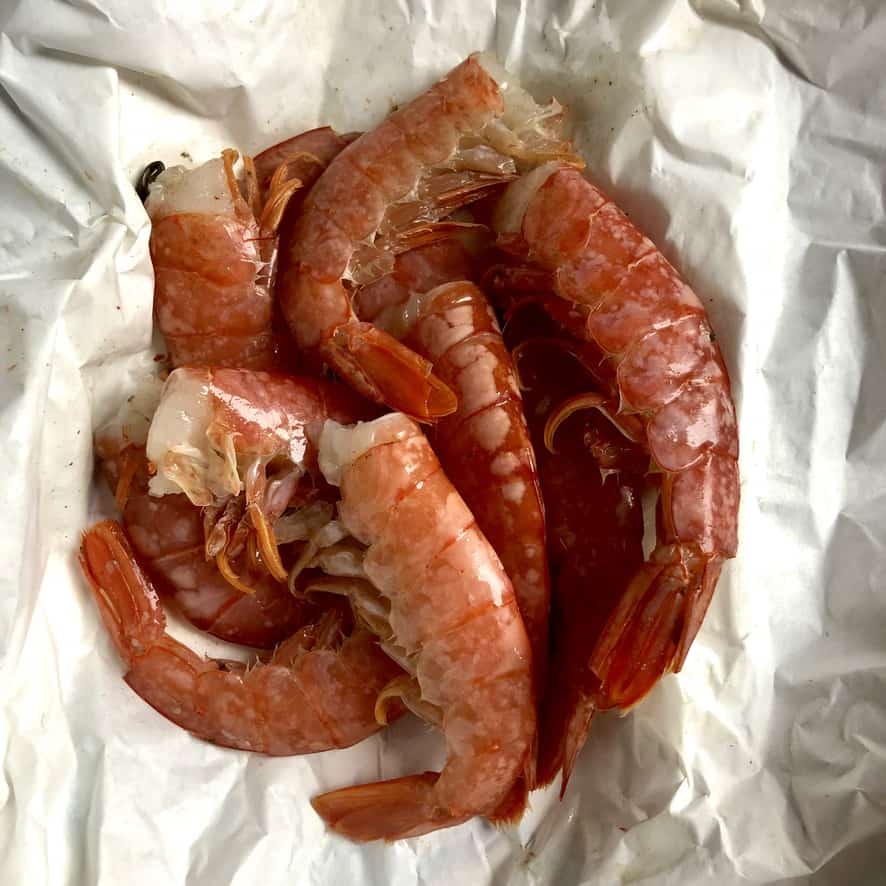
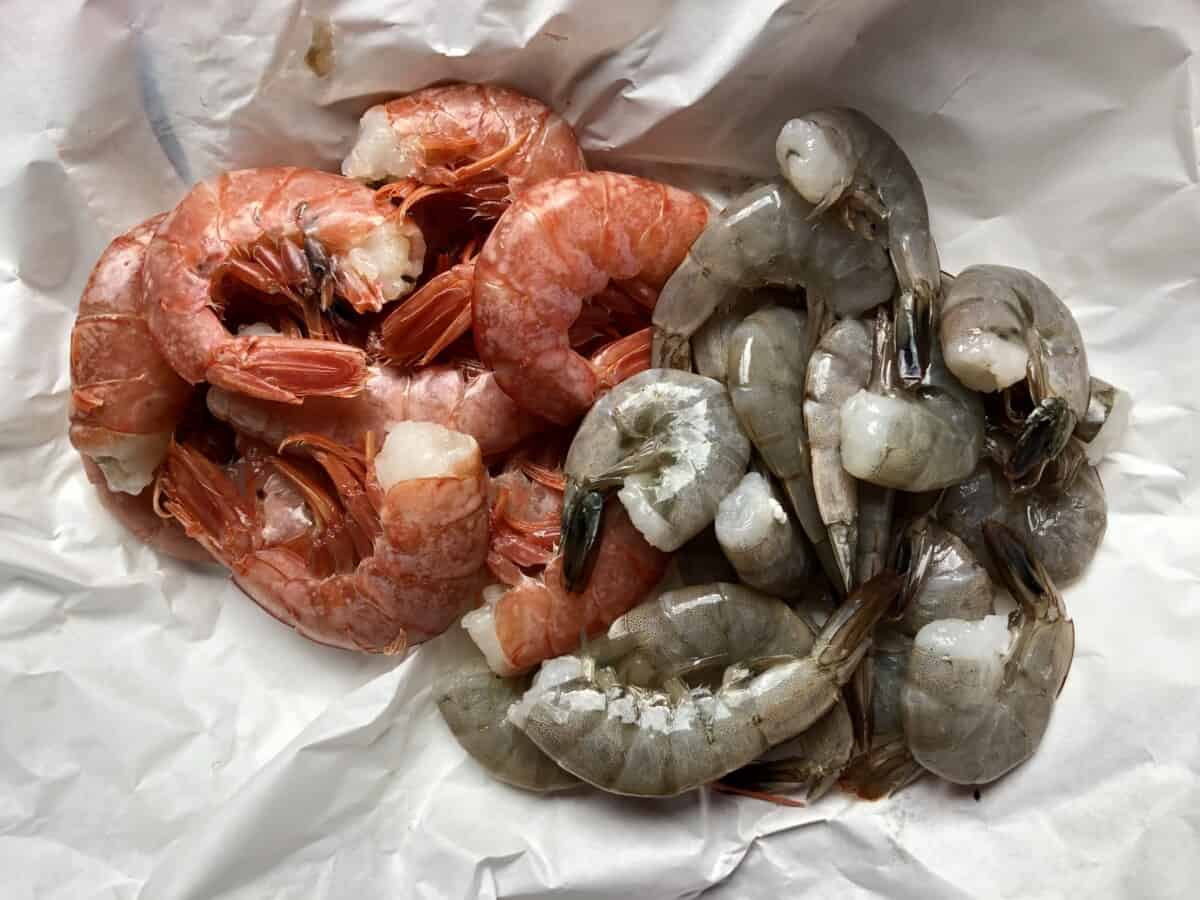
Red varieties of shrimp are the most tender species of the shrimp family because they have more fat than other varieties of shrimp.
These shrimp live in (and are caught in) very deep (1200-2400ft or 365m-731m) cold waters in just a few locations around the world. It's these conditions that give them their buttery lobster-like texture and uniquely sweet flavor.
Red shrimp also cook a bit faster than other types of shrimp because of their fatty flesh, making them a perfect candidate for easy, tasty weeknight meals in minutes.
Best Pan for Sauteing Shrimp
- Cast iron skillet (my top pick). Holds heat like nothing else, giving you the most consistent golden sear. I use mine almost every time I make this recipe.
- Carbon steel pan. Heats up fast, sears beautifully, and is lighter than cast iron. A great alternative if cast iron feels too heavy.
- Stainless steel skillet. Works well if you get it properly preheated. Just make sure it's a heavy-bottomed variety.
- Avoid nonstick pans for this recipe. They don't get hot enough to create a proper sear without risking damage to the coating and releasing toxic PFAS.
How to Cook Sauteed Shrimp for Pasta
If you're wondering what's the best way to cook shrimp for pasta, this 4-minute sauteed shrimp is our absolute favorite way! Not only is it full of garlic flavor from infusing the extra virgin olive oil first, but you never have to worry about overcooking the shrimp with this method.
Plus, if you're making shrimp for shrimp fettuccine Alfredo or shrimp fettuccine tomato-alfredo pasta, it's really just a matter of adding butter, sliced scallions, cream, and Parmigiano cheese to make these creamy pasta dishes.
This really is the easiest and most versatile recipe for cooking the best shrimp to make pasta.
What to Serve with Sauteed Shrimp
This sauteed shrimp recipe is incredibly versatile. Here are our favorite ways to serve it.
- Mozzarella-Parmesan Butter garlic toast
- Diver Scallops au Gratin (Capesante Gratinate)
- Perfect Pan-Seared Zucchini
- Chipotle-Garlic French Fries (Thrice Cooked)
- Perfect Pan-Seared 5-Minute Flank Steak for a surf-and-turf dinner
- Perfectly Pan-Seared Sweet Carrots
- Over Cilantro-Lime Rice or cauliflower rice for a quick sauteed shrimp and rice bowl
- Caesar Salad topper for a high-protein lunch
- As a party appetizer arranged on a platter with lemon wedges
Storage and Reheating
Refrigerator: Store leftover sauteed shrimp in a shallow, airtight container in the fridge for up to 2 days.
Reheating: Gently reheat in a skillet over low heat just until warmed through. Avoid the microwave if possible, as it tends to make shrimp rubbery. Alternatively, enjoy leftover sauteed shrimp cold on salads, in lettuce wraps, or with cocktail sauce.
Freezing: I don't recommend freezing cooked sauteed shrimp, as the texture changes significantly upon reheating.
Top Tips for Perfect Sauteed Shrimp
- Don't skip drying the shrimp. This is one of the reasons people end up with steamed instead of seared shrimp. Two minutes with paper towels saves the entire recipe.
- Season the shrimp right before cooking, not ahead of time. Salt draws out moisture, and moisture is the enemy of a good sear.
- Use a 12-inch skillet to give the shrimp enough space. If your skillet is smaller, cook in two batches. Crowding the pan drops the temperature and creates steam.
- Do NOT use pre-cooked shrimp. Pre-cooked shrimp will become overcooked and stringy when sauteed. Always use raw shrimp for this recipe.
- Remove shrimp from heat immediately when done. Shrimp continue to cook from residual heat. Pull them off the pan when they're just barely opaque in the center.
FAQ
Sauteed shrimp takes 2 to 4 minutes total, depending on the size. Large shrimp (31/40 count) need about 1 to 2 minutes per side over medium-high heat. Jumbo shrimp (16/20) may need closer to 2 minutes per side. The shrimp are done when they turn from translucent gray to opaque pink and curl into a loose "C" shape.
For the best sear, start with olive oil or another oil that can handle medium to high heat. Butter alone burns too quickly at searing temperatures. My favorite method is to saute in garlic-infused olive oil, then add a pat of butter in the last 20 seconds for flavor. This gives you the best of both worlds: a golden sear and rich buttery taste.
You should always thaw frozen shrimp before sauteing. Cooking frozen shrimp directly in a hot pan releases excess water, which creates steam and prevents the shrimp from getting a proper sear. Thaw quickly by placing sealed shrimp in a bowl of cold water for about 20 minutes, or overnight in the refrigerator.
No. Pre-cooked shrimp will become overcooked, tough, and stringy when sauteed. Always use raw shrimp for sauteing. Pre-cooked shrimp is best for cold dishes like shrimp salad or served with cocktail sauce.
A serving of sauteed shrimp (about 6 to 8 large shrimp cooked in olive oil and garlic) contains roughly 150 to 200 calories. Shrimp is naturally low in calories and high in protein, with about 20 grams of protein per serving. Adding butter or cheese will increase the calorie count.
Follow this sauteed shrimp recipe as written, then during the last 20 seconds of cooking, add a tablespoon or more of butter and a little parsley to the skillet. The butter melts into the garlic-infused olive oil and creates a rich garlic butter sauce. Spoon it over the shrimp when plating. You can also add a squeeze of lemon juice or a splash of white wine to the pan before adding the butter.
Either works! I prefer tail-on for presentation, especially when serving as an appetizer, but you may want the tails removed for adding to pasta. If you want easier eating (especially for kids or in rice bowls or as salad toppers), remove the tails before cooking.
Yes, sauteing shrimp with the shell on adds extra flavor. The shells get crispy and help protect the shrimp from overcooking. However, it does make them harder to eat. Shell-on cooking works best as an appetizer where guests peel their own shrimp.
Royal Red Shrimp Tips and Facts
- American Royal Red Shrimp's scientific name is pleoticus robustus, native to the Gulf Coast, the Keys, and even Connecticut.
- Royal Red shrimp are sweeter, fattier, and more tender than any other variety of shrimp.
- Royal Reds are fished (or rather, shrimped) out of very deep water (1200-2400ft or 365m-731m), which makes them more labor-intensive and can also make them more dangerous to catch.
Related Sauteed Shrimp Recipes
- Delicious Shrimp Scampi for Two (or a Crowd)
- The Best Shrimp Fettuccine Alfredo
- Easy Spicy Tomato-Alfredo and Shrimp Pasta (Anniversary Pasta)
- 4-Minute Perfectly Grilled Argentinian Red Shrimp
- Cajun-Style Royal Red Shrimp Pasta
- Diver Scallops au Gratin (Capesante Gratinate)
- Perfect Pan-Seared 5-Minute Flank Steak
- Perfect Pan-Seared Thick-Cut Steak (Bistecca alla Fiorentina)
Let's Get Started!
Made this Recipe? We'd love for you to rate ⭐️ it and tell us how it went for you!
Print📖 Recipe
4-Minute Perfect Pan-Seared Shrimp
- Total Time: 9 minutes
- Yield: 2-3 servings depending on the hunger level
- Diet: Gluten Free
Description
Restaurant-Quality tender sweet Argentinian Red pan-seared shrimp is a no-fail recipe for every shrimp-lover who wants to make better, more delicious shrimp at home. This shrimp recipe is ready in 4 minutes making it perfect for busy weeknight dinners and is the key ingredient in Biting's Super Delicious Shrimp Alfredo Pasta!
Ingredients
- ½ pound Argentinian Red shrimp (or other sweet shrimp) deveined with tails on and patted dry (230g)
- 1 tablespoon extra virgin olive oil (14g)
- 2 medium garlic cloves, sliced thinly (6g)
- sea salt to taste
Optional Garnishes
- 1 tablespoon unsalted butter (15g)
- ¼ to ½ teaspoons crushed red pepper flakes
- grated Parmigiano cheese
- finely chopped parsley
Instructions
- Clean the shrimp. Remove the shells from the shrimp leaving only the tail attached and devein. Pat the shrimp dry and place them on a plate while you prepare the garlic-infused olive oil.
- Infuse the olive oil. Add the olive oil and garlic to a cold cast-iron or another heavy-gauge skillet and increase heat to medium. Sauté the garlic until just perfectly golden brown and fragrant and remove the garlic from the pan and reserve.
- Sear the Shrimp. Increase the heat to medium-high heat and just before the skillet begins to smoke, add the shrimp in one single layer (avoid overcrowding the pan) and sprinkle them with salt to taste. Do not move them once they hit the hot skillet. Let the shrimp cook for about 2 minutes, or until they turn reddish-orange and have a golden sear. Flip them over being sure not to move them around and cook for 1 ½ to 2 minutes more, until just opaque and cooked through. Remove from the skillet and sprinkle with toasted garlic if desired. Serve immediately and Enjoy!
Notes
Garlic technique: Slice (don't mince) the garlic and add it to the cold pan with olive oil. Bring the heat up to medium so the garlic infuses the oil slowly without burning. Remove the golden garlic slices before increasing heat to sear the shrimp. Sprinkle them over the finished dish for crunch.
Pat shrimp completely dry. Any moisture on the shrimp creates steam instead of a sear. Use a clean kitchen towel or paper towels on all sides.
Get the pan screaming hot. The oil should shimmer and almost smoke before the shrimp go in. If using extra virgin olive oil, watch carefully since it has a lower smoke point. Swap for regular olive oil or grapeseed oil if you're nervous about overheating it.
Don't touch the shrimp. Once they hit the hot pan, leave them alone. They need uninterrupted contact with the hot oil to develop that golden, restaurant-quality sear.
Don't overcrowd the pan. Too many shrimp drops the temperature and steams them instead of searing. Cook in batches if needed.
For garlic-butter shrimp: Add 1 to 2 tablespoons of butter and a little parsley during the last 20 seconds. Top with reserved fried garlic and freshly grated cheese before serving.
For tips on buying the best shrimp, see the dedicated section in the main post.
- Prep Time: 5 minutes
- Cook Time: 4 minutes
- Category: Fish + Seafood
- Method: Pan-Sear
- Cuisine: American
Nutrition
- Serving Size: 4 to 6 ounces
- Calories: 164
- Sugar: 0g
- Sodium: 138mg
- Fat: 8g
- Saturated Fat: 1g
- Unsaturated Fat: 7g
- Trans Fat: 0g
- Carbohydrates: 2g
- Fiber: 0g
- Protein: 23g
- Cholesterol: 185mg

Food Safety
- The USDA recommends cooking shrimp to an internal temperature of 145 degrees F (63 degrees C).
- Always wash your hands thoroughly with soap and water after handling raw shrimp and before touching other surfaces or foods.
- Never thaw shrimp on the counter at room temperature. Use the cold water method or thaw overnight in the refrigerator.
- Cooked shrimp should be refrigerated within 2 hours (1 hour if the temperature is above 90 degrees F).
- Discard any shrimp that smells like ammonia or has a slimy texture, as these are signs of spoilage.
See more guidelines at USDA.gov.



Jaqueline says
The timing in this recipe is spot-on! Finally learned how to get that beautiful sear without overcooking. Game changer for weeknight dinners