

This Italian duck ragù recipe is regional Italian cooking at its very best. Italy is celebrated for its endless pasta sauces and ragùs, but surprisingly, one of the most famous and delicious of them all isn't really that well-known outside of Italy. But thankfully, that's changing!
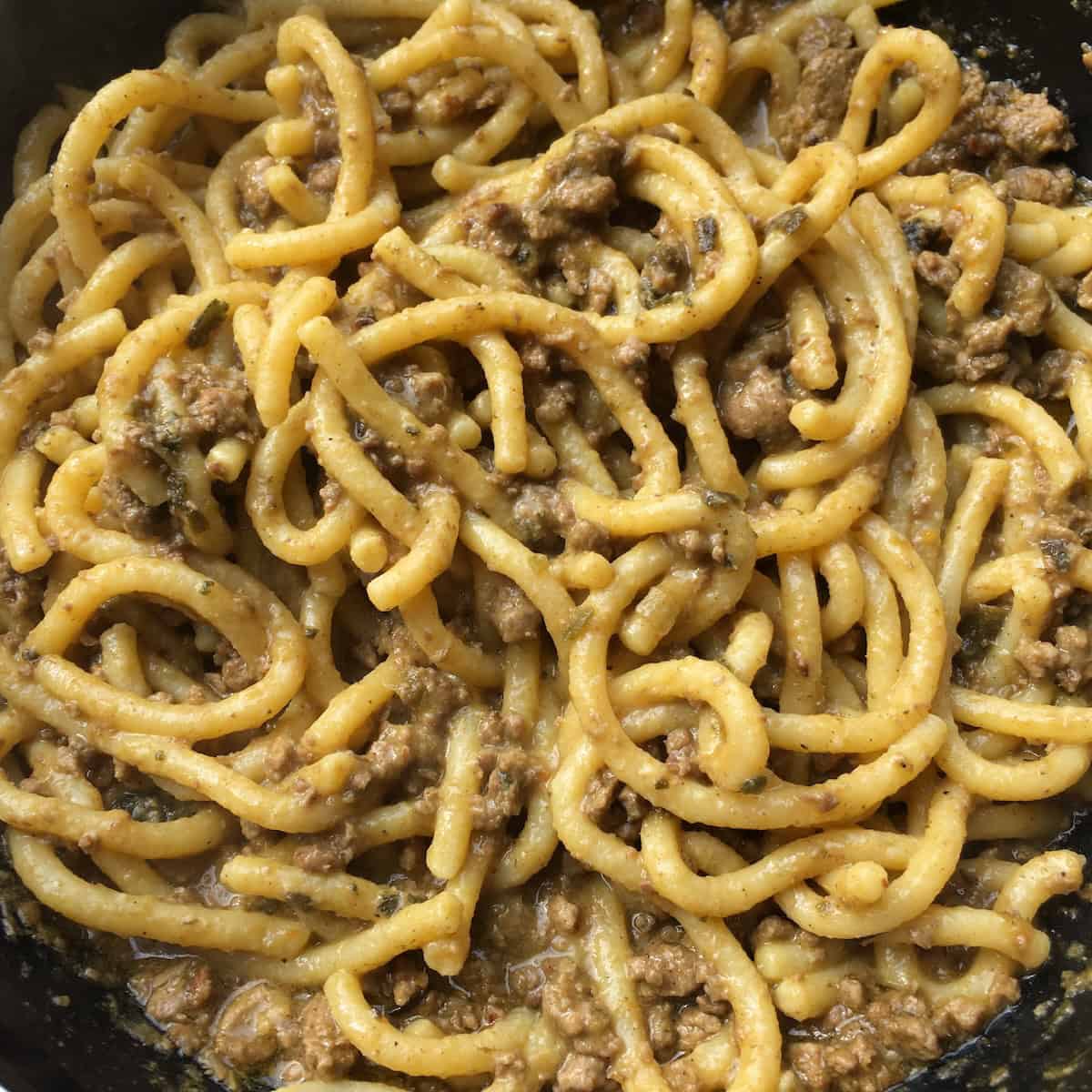
Bigoli al Ragù d'Anatra (or Bigoli with duck ragù) hails from the Veneto region in Northeast Italy, where we live. Venetian duck ragù is a slow-simmered Northern Italian pasta sauce made with ground duck, aromatic vegetables, wine, and warm spices like cinnamon and nutmeg, traditionally served with bigoli or pappardelle pasta.
And it's Grade-A delicious! As in, it's one of our absolute favorite Italian ragùs to make and eat. This isn't a recipe that's "ready in 30 minutes or less". It's a recipe to be savored and tasted along the way, while you sip on some wine, and its warm, delicious aromas waft through the entire house.
It's a slow-simmered ragù made with duck, soffrito, garlic, herbs, spices, white wine, butter, duck or chicken stock, milk, and extra virgin olive oil, all simmered to perfection and usually tossed with fresh bigoli (pronounced Bee-go-lee) or pappardelle pasta.
Jump to:
- Photos of Real Italian Restaurant Duck Ragù From Northern Italy
- What Does Duck Ragù Taste Like
- Stanley Tucci's Duck Ragù Version
- Why You'll Love This Recipe
- Classic Venetian Duck Ragù Ingredients
- How to Make Venetian Duck Ragù Step-by-Step
- Use the Bones To Make a Quick Homemade Duck Broth
- Substitutions
- Variations
- Equipment
- Storage
- Serving Duck Ragù
- Wine Pairings for Duck Ragu
- Top Tips For Making Duck Ragù at Home
- Sugo vs Ragù: What's the Difference
- Classic Italian Duck Ragù FAQ's
- What Makes Venetian Duck Ragu Special
- More Authentic Sauces and Italian Ragû Recipes
- More Delicious Pasta Recipes to Make
- 📖 Recipe
- Food Safety
- Cinnamon, Cloves & Freshly Grated Nutmeg are Spices Often Used in Northern Italian Cuisine
- Fun Facts About Bigoli with Duck Ragù
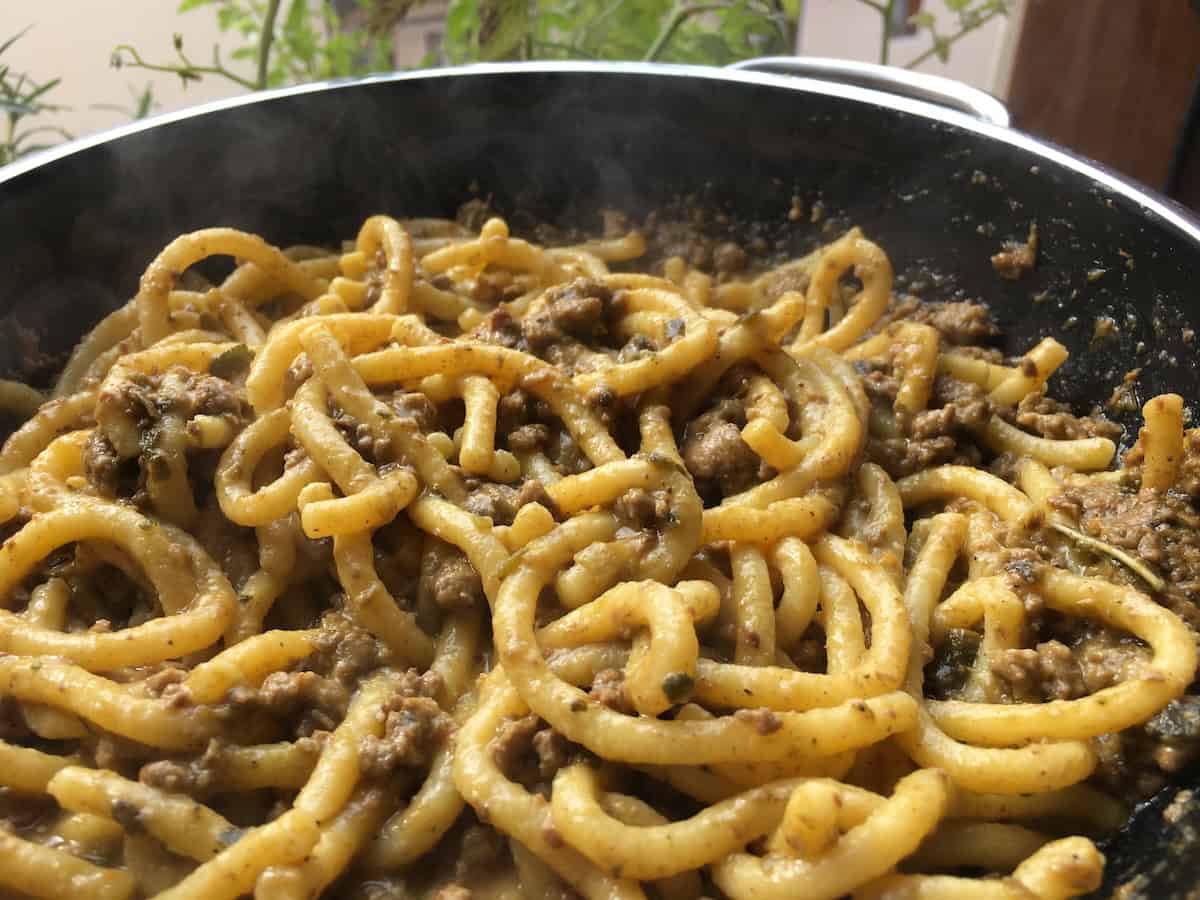
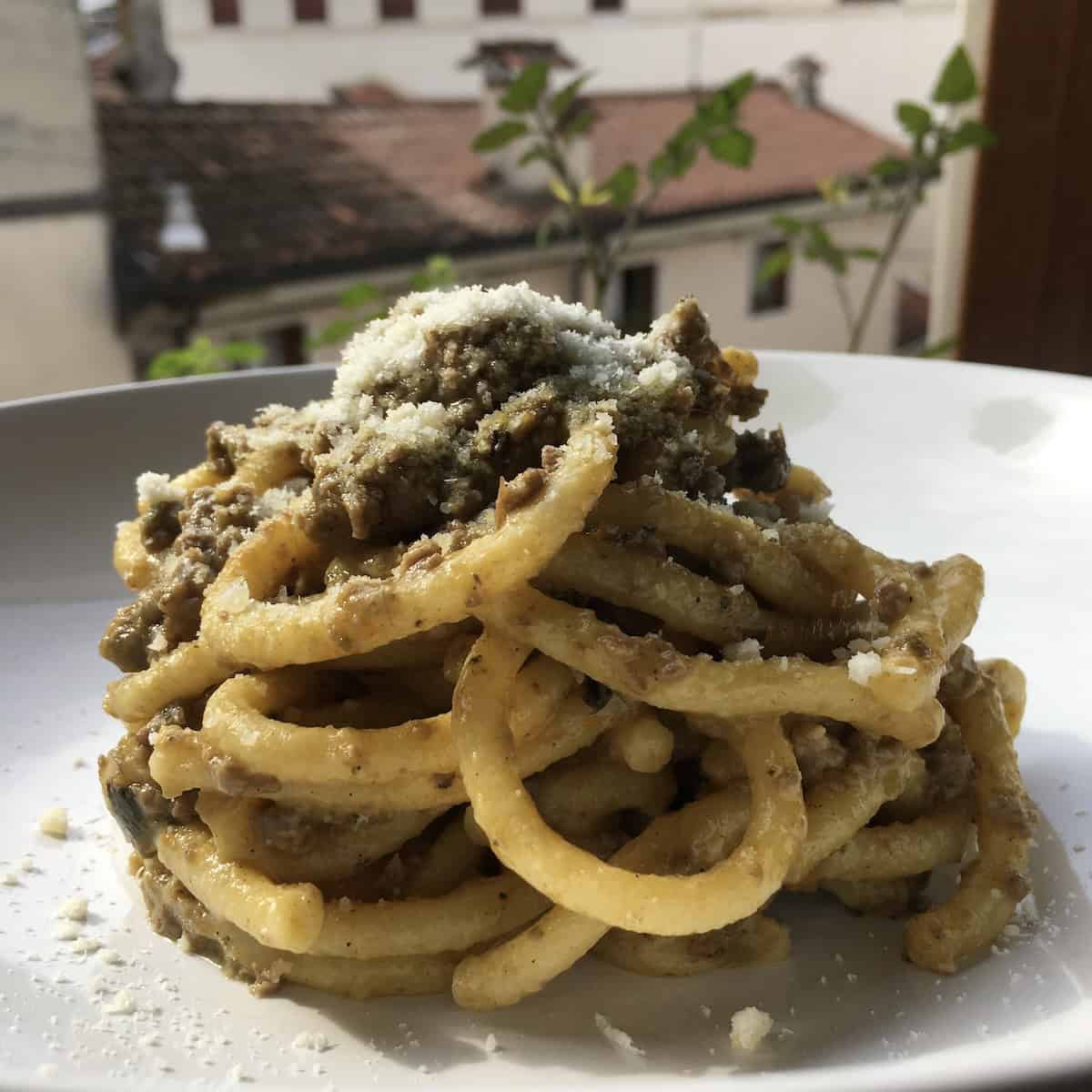
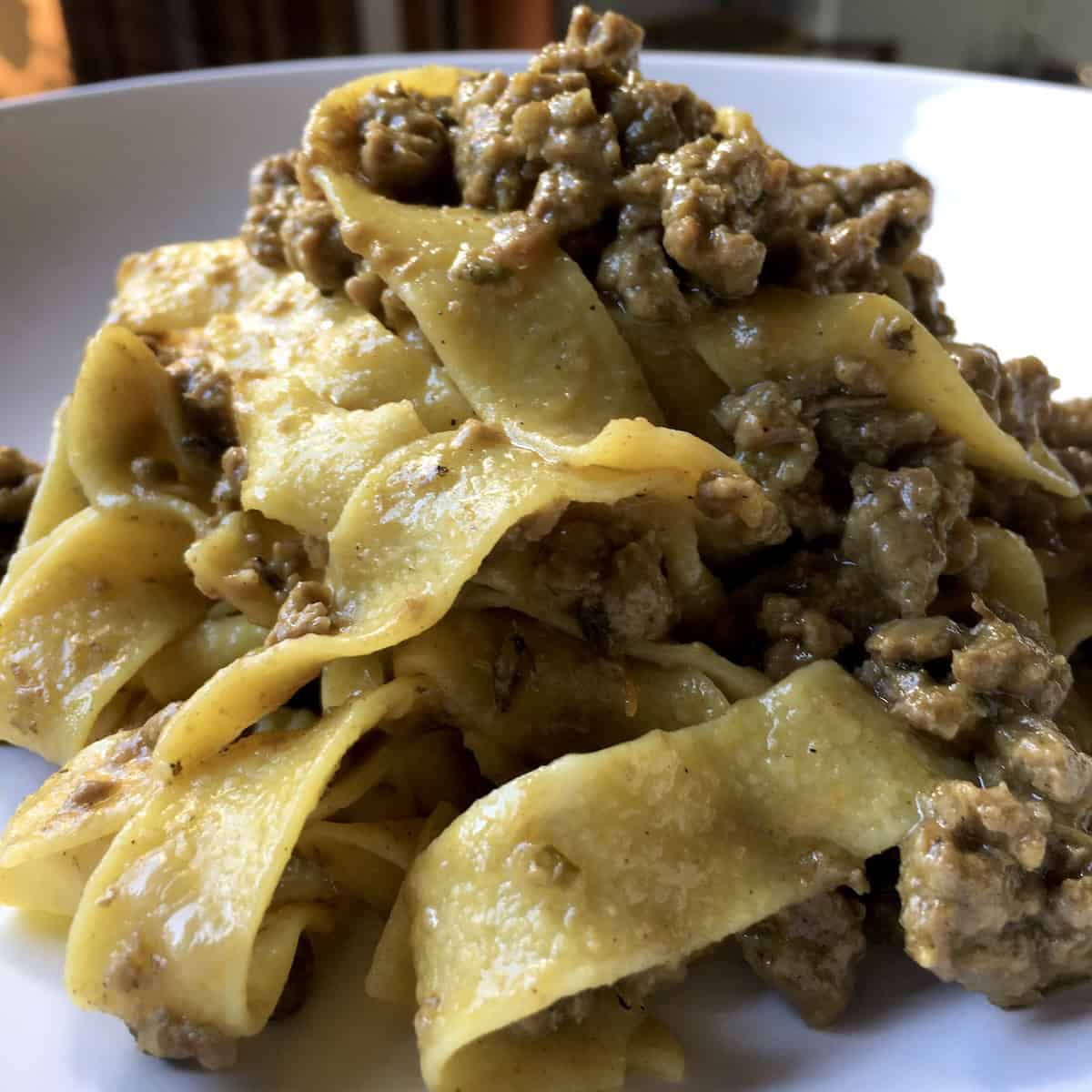
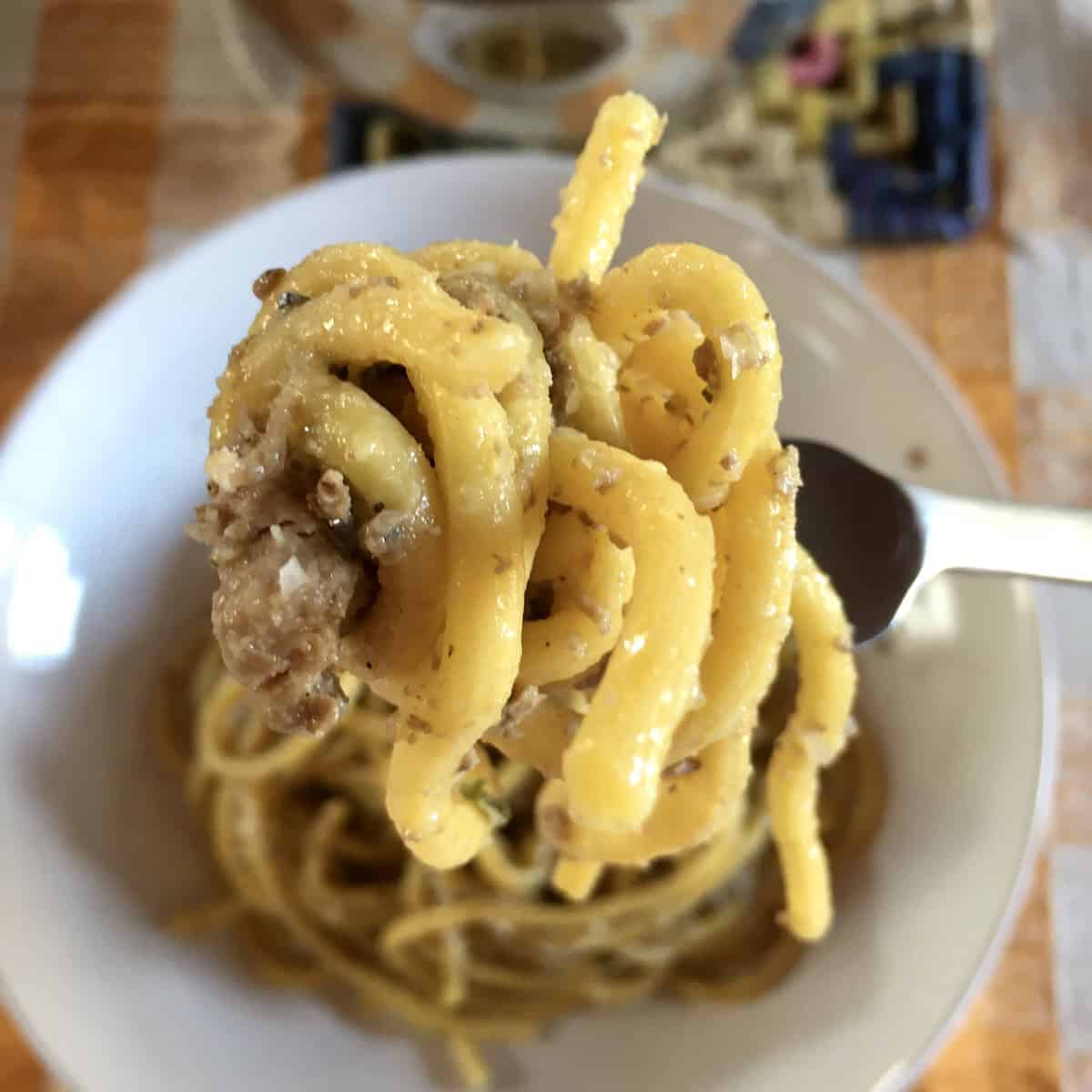
Photos of Real Italian Restaurant Duck Ragù From Northern Italy
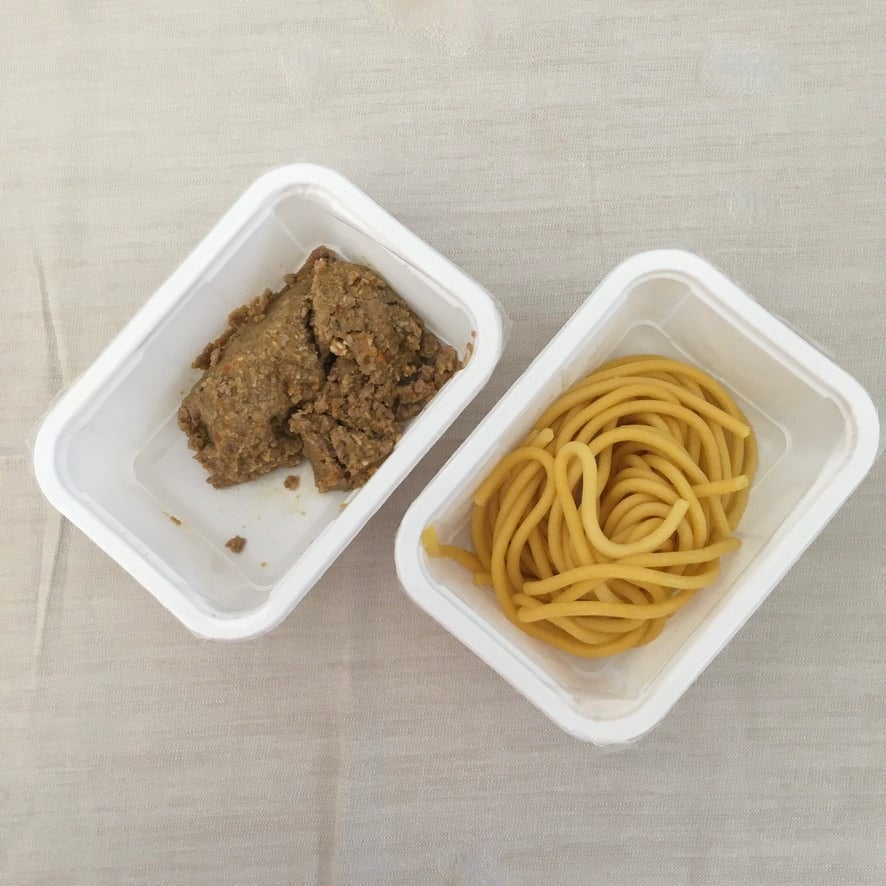
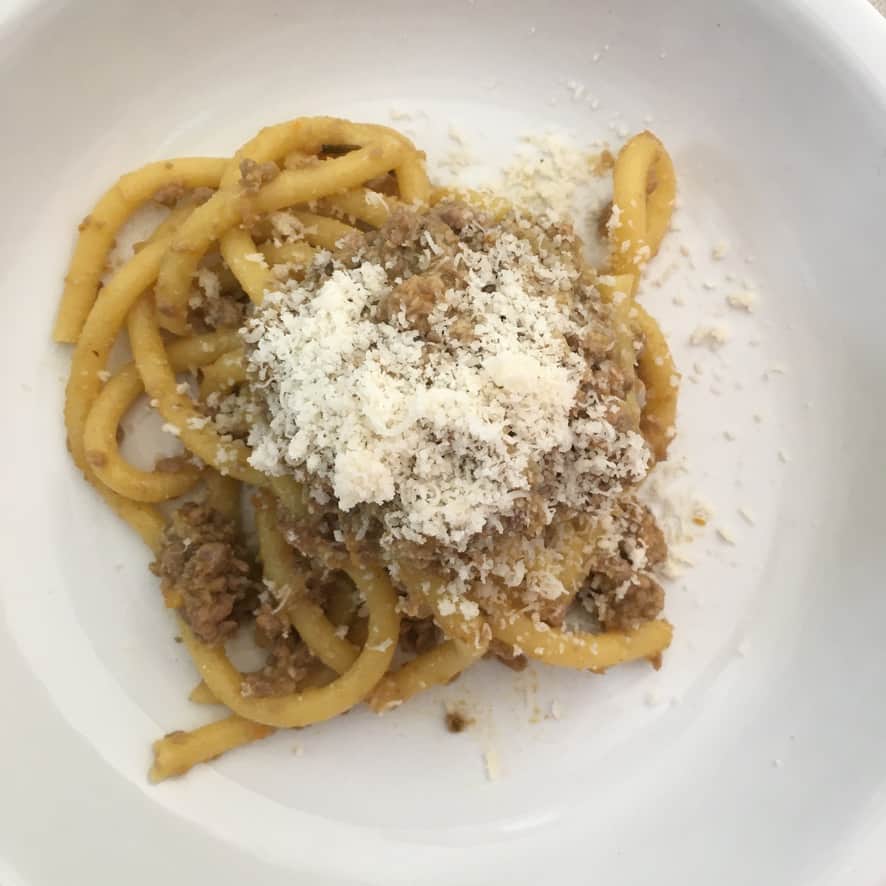
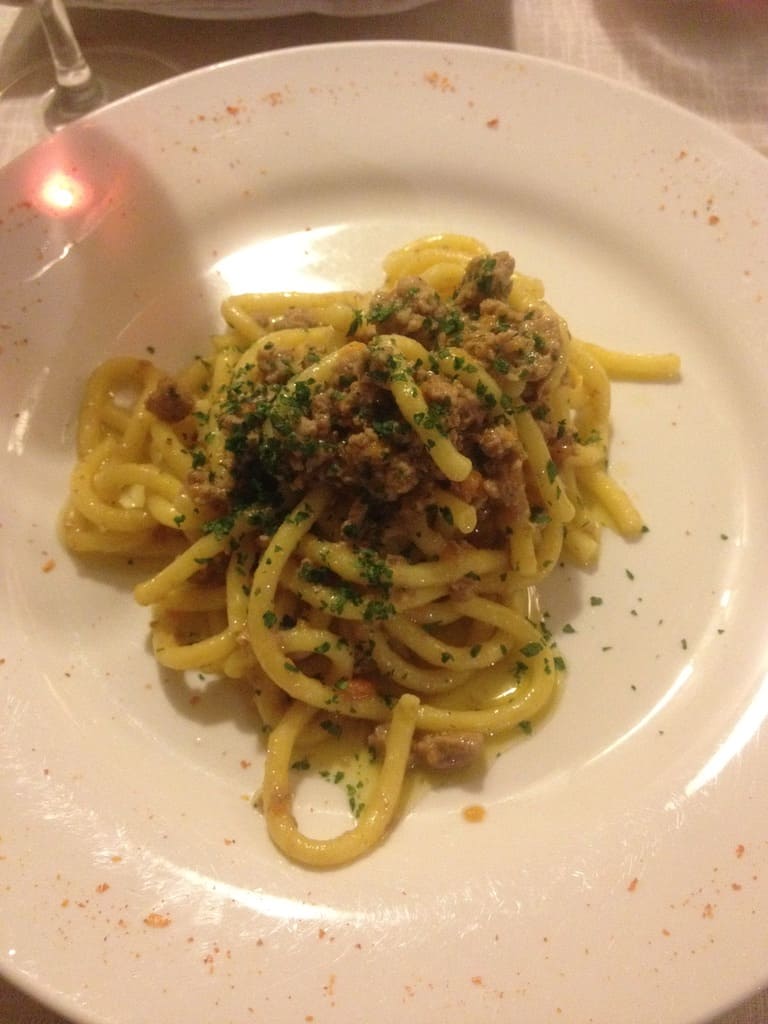
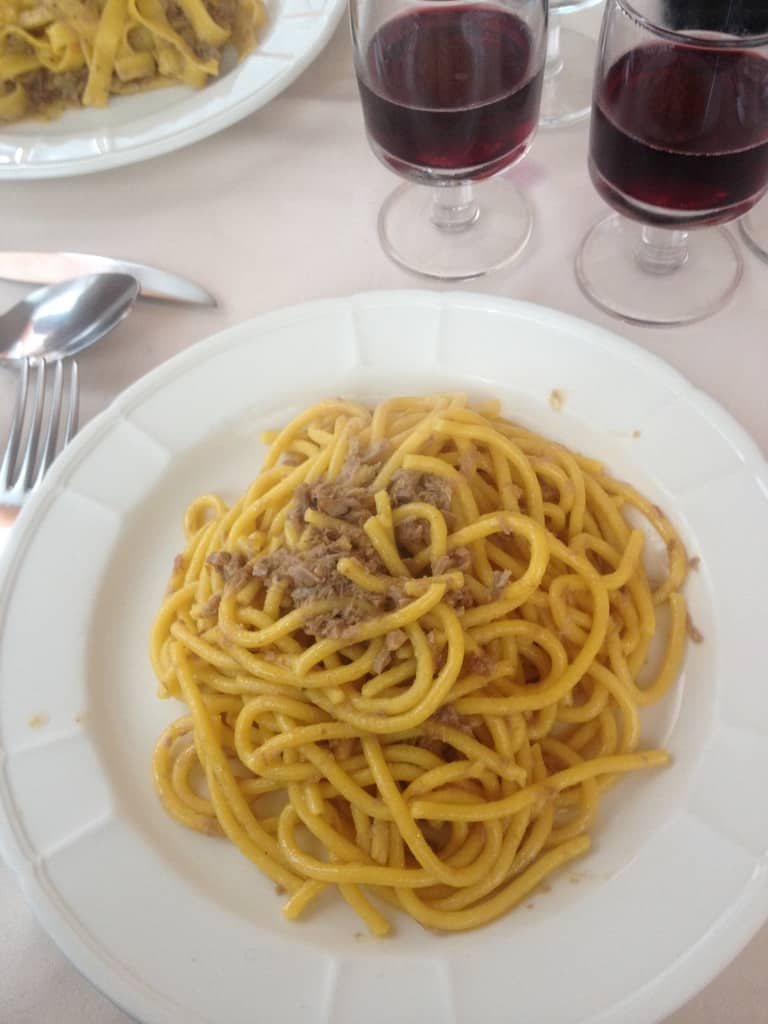
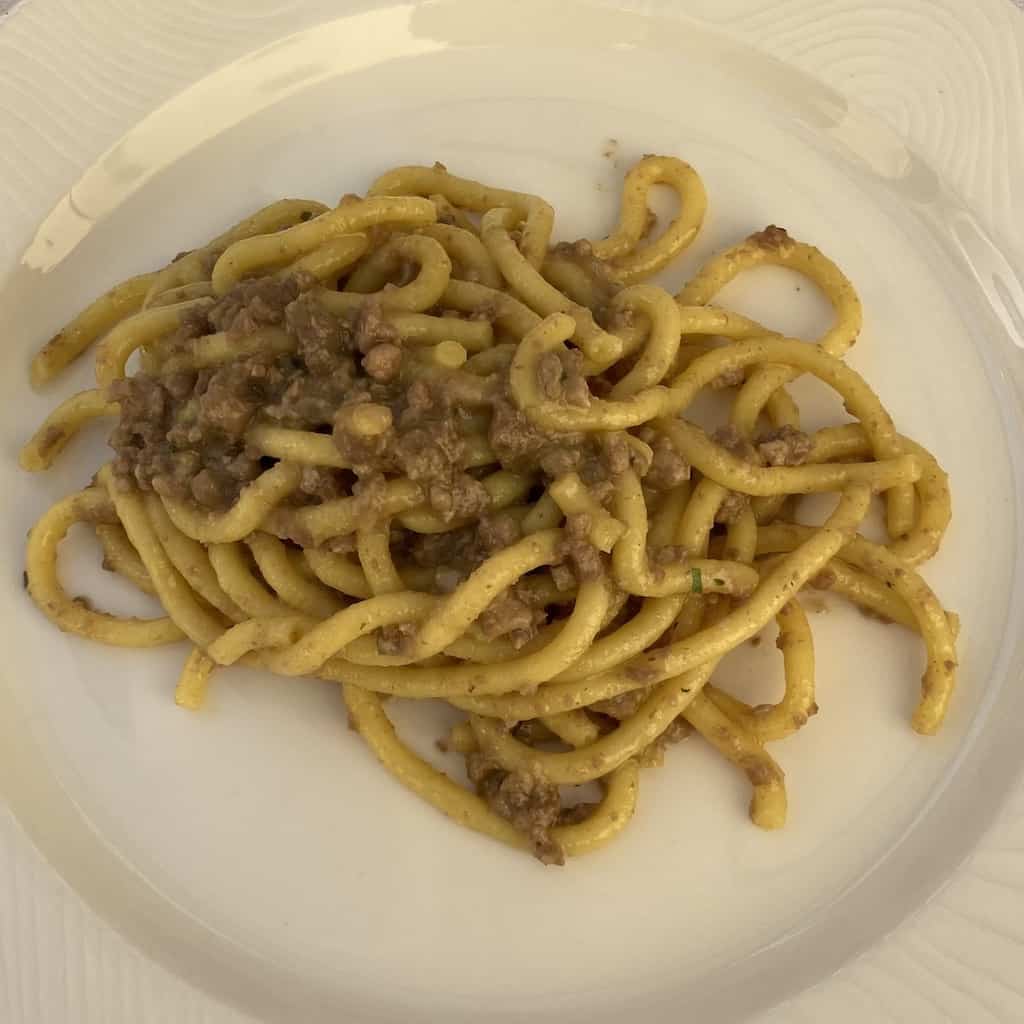
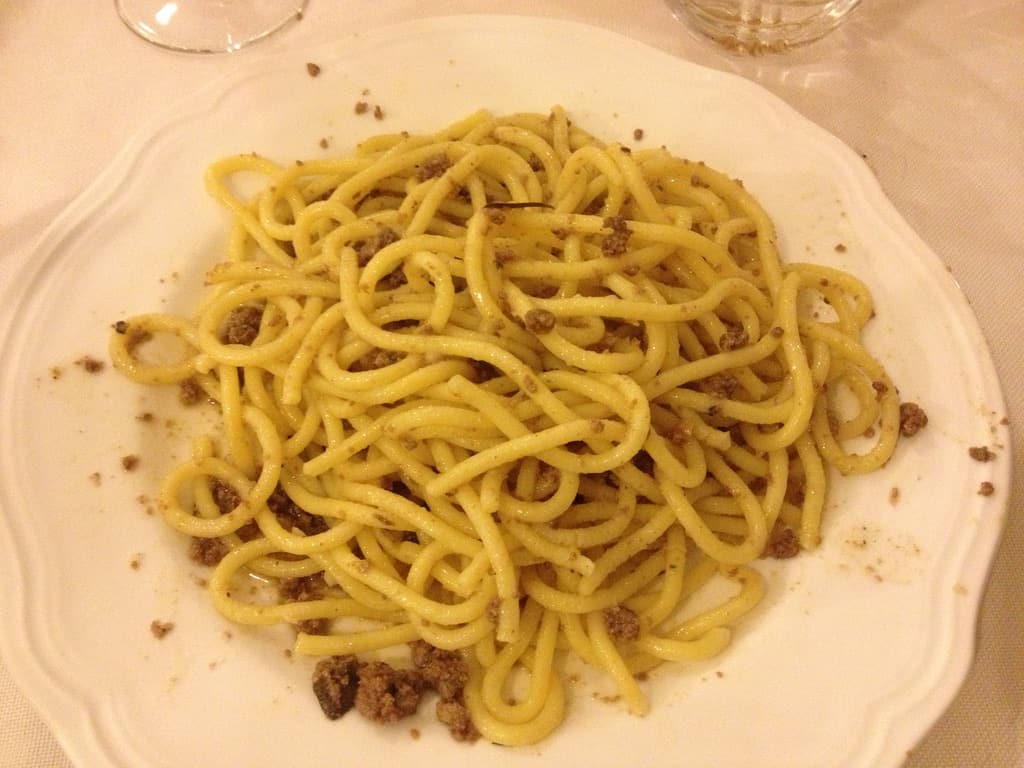
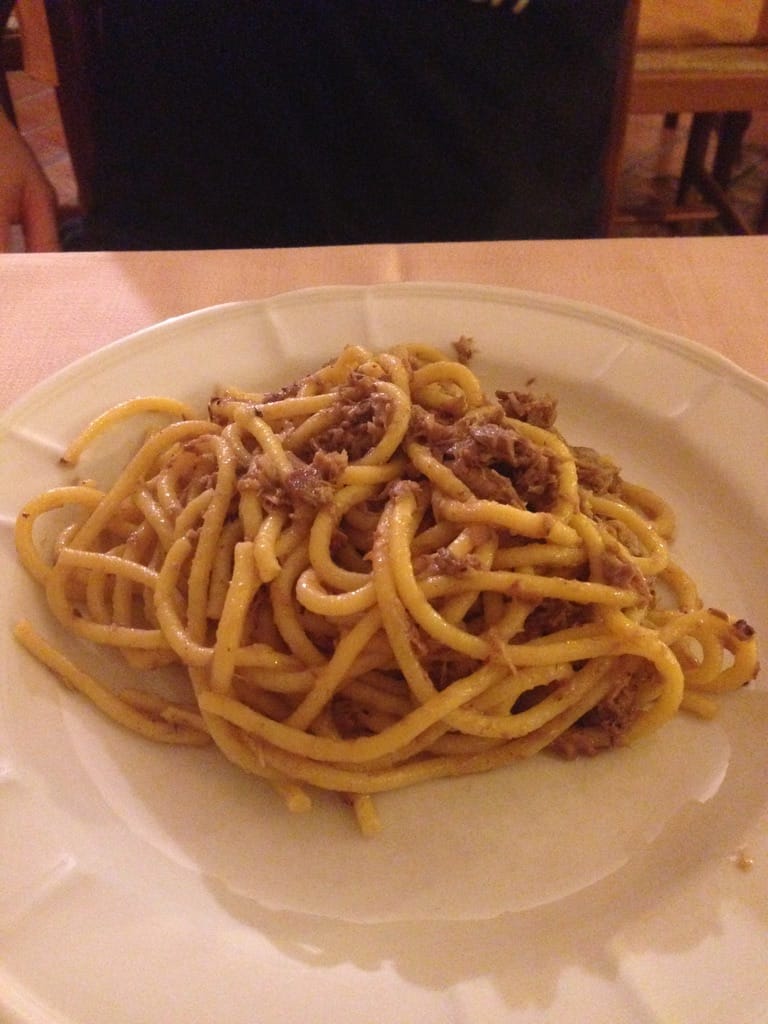
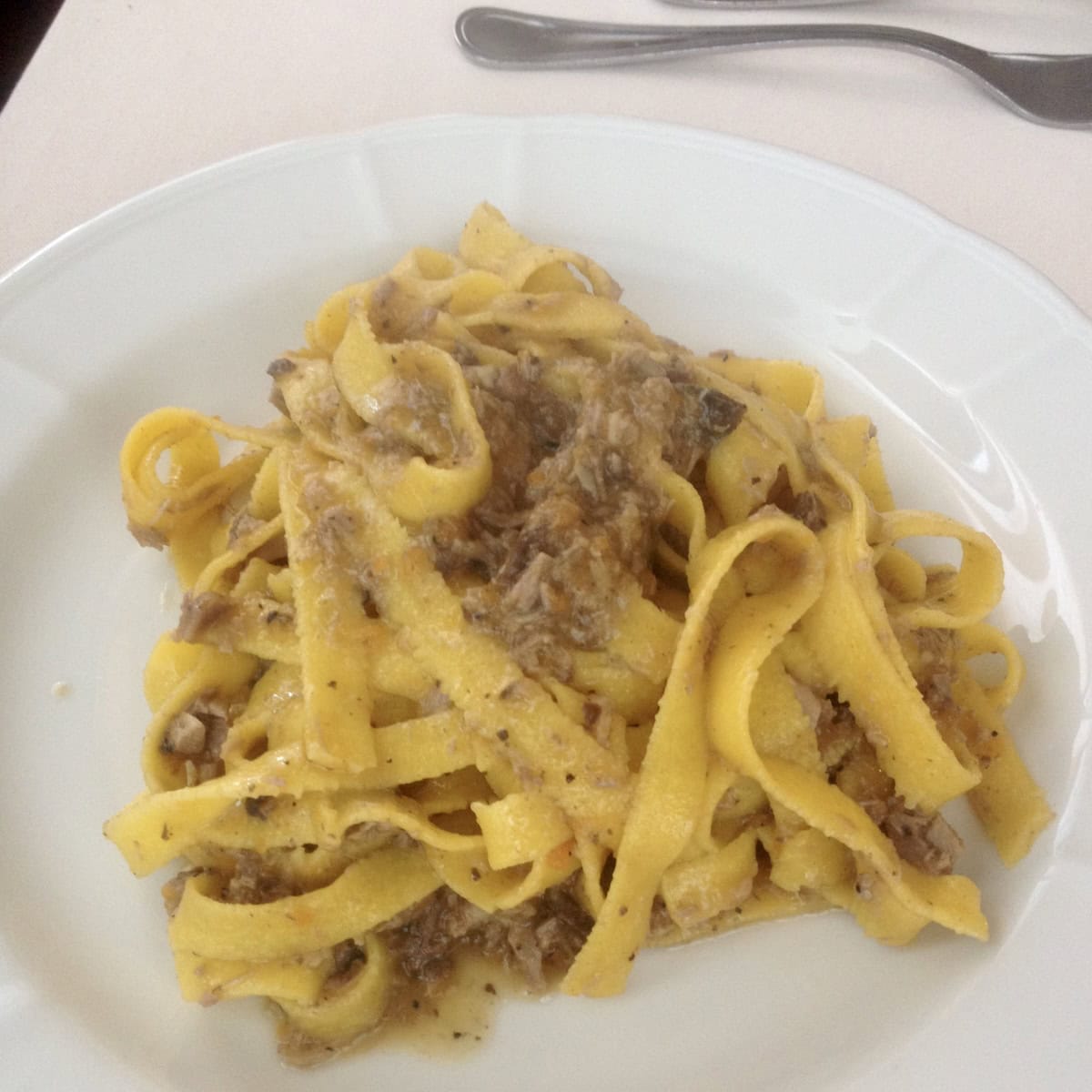
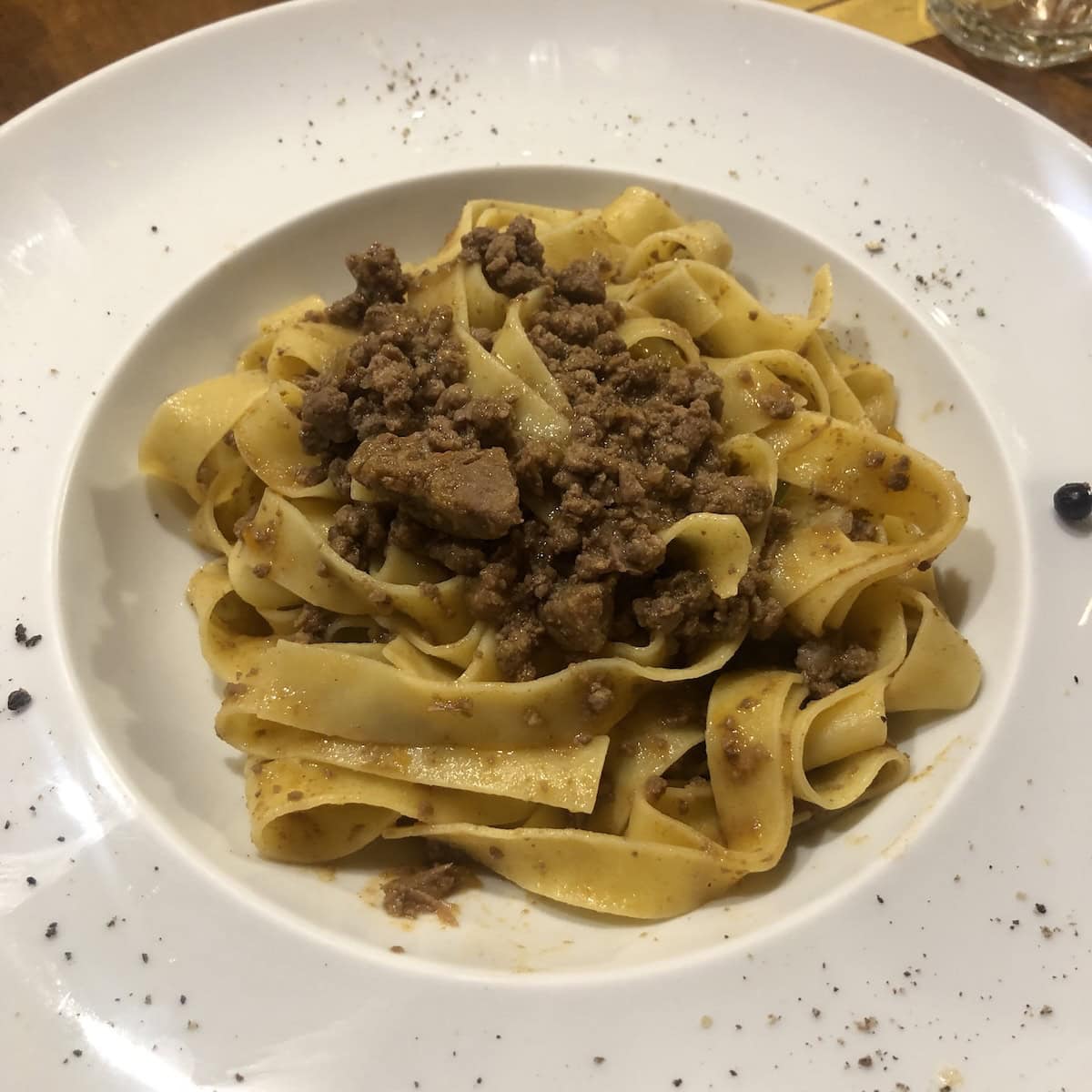
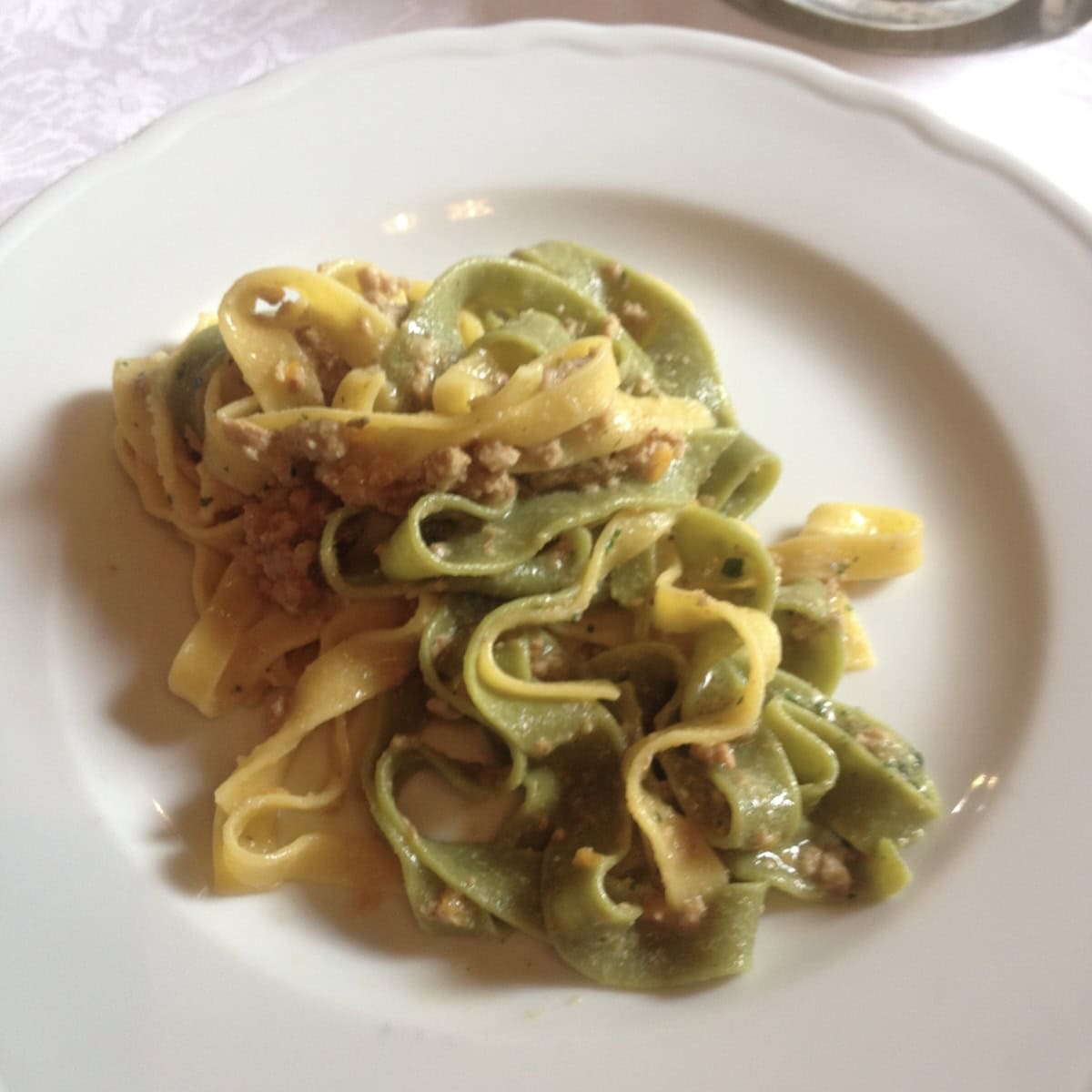
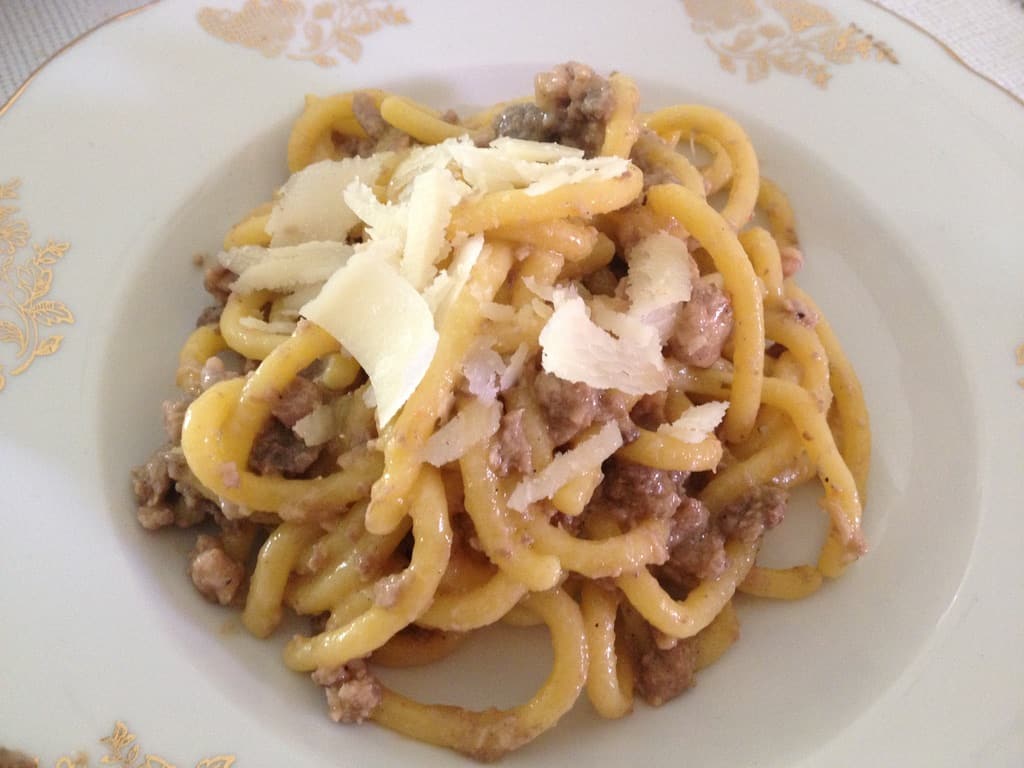
The photos below show real duck ragù and duck ragù with pasta from our local Italian restaurants, artisanal makers, and trattorias who've been making traditional duck ragû for generations.
This will give you an idea of what authentic Italian duck ragù really looks like in Italy and how it's typically served. As you can see, we genuinely and absolutely love this pasta!
And what it may think it lacks in visual appeal, it more than makes up for in flavor, texture, and pure Italian excellence! It's SOOO, so delicious!

What Does Duck Ragù Taste Like
This Duck ragù has a rich, deeply savory herby-sage flavor that's more flavorful and more complex than chicken, and not as heavy as beef. The meat itself is incredibly tender, and with the right preparation methods, it has no gamey flavor at all!
Years ago, before I was even living here, Luca first took me to try it at a local trattoria known for this Bigoli d'Anatra. I wasn't thinking much of it. Instead, I was thinking, "yeah, ok, I'm sure it's good, but c'mon, how good can this duck ragù actually be?".
It completely blew me away. I mean, it absolutely blew my mind. The first thing I said was, "This tastes like Thanksgiving!". It instantly became one of my favorite pastas.
The warm spices (cinnamon, nutmeg, and cloves) may sound odd, but they add a very subtle warmth and depth without being able to pinpoint exactly what you're tasting.
The duck's natural richness gets balanced by the acidity of white wine and the aromatic vegetables, while the olive oil, butter, and milk create this incredibly comforting, velvety sauce that clings to every strand of pasta.
Stanley Tucci's Duck Ragù Version
Note on Stanley Tucci's Duck Ragù version: Stanley Tucci featured duck ragù in "Searching for Italy," which included ingredients like orange, orange zest, tomato puree and paste, and a bunch of cinnamon, which is another version that's less popular where we live in the Veneto (and is NOT the same recipe in this post).
His version might be delicious, but it's a completely different dish from this recipe. The traditional Veneto duck ragù you'll find just about everywhere here uses no tomato, no citrus, and focuses on much subtler use of spices with more of a focus on the flavors of sage, and on the duck itself. Both are great, but the recipe in this post is our (treasured) preferred and delicious authentic version.
Why You'll Love This Recipe
- Authentic Veneto recipe - It comes straight from the region where duck ragù was born, refined by years of eating it at local trattorias that specialize in this regional dish, and using Luca (a native who grew up eating it) as my official taste-tester and approver! And using a local artisanal duck ragù as a side-by-side comparison to get the flavor just right for you!
- Restaurant-quality at home - The kind of dish that is simple to make but guaranteed to be special and wow dinner party guests or just your sweet pasta-loving family.
- Deeply flavorful - The slow-simmering develops layers of rich, complex flavor that you don't get from quicker duck sauces.
- Perfect for entertaining - Make it ahead and reheat it - SO good!...or let it finish simmering while you enjoy wine with guests.
- Freezer-friendly - Batch cook and freeze for future pasta nights for easy weeknight meals or when you don't want to spend all weekend in the kitchen!


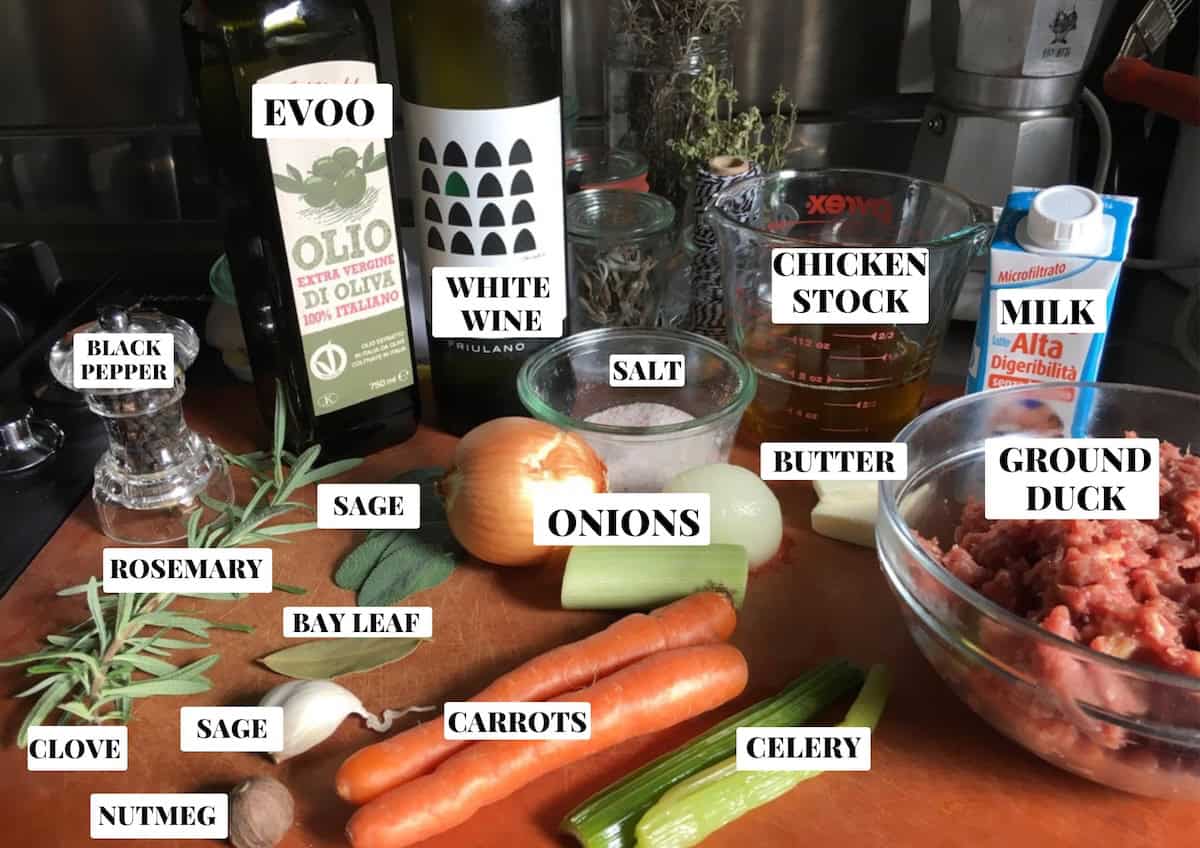
Classic Venetian Duck Ragù Ingredients
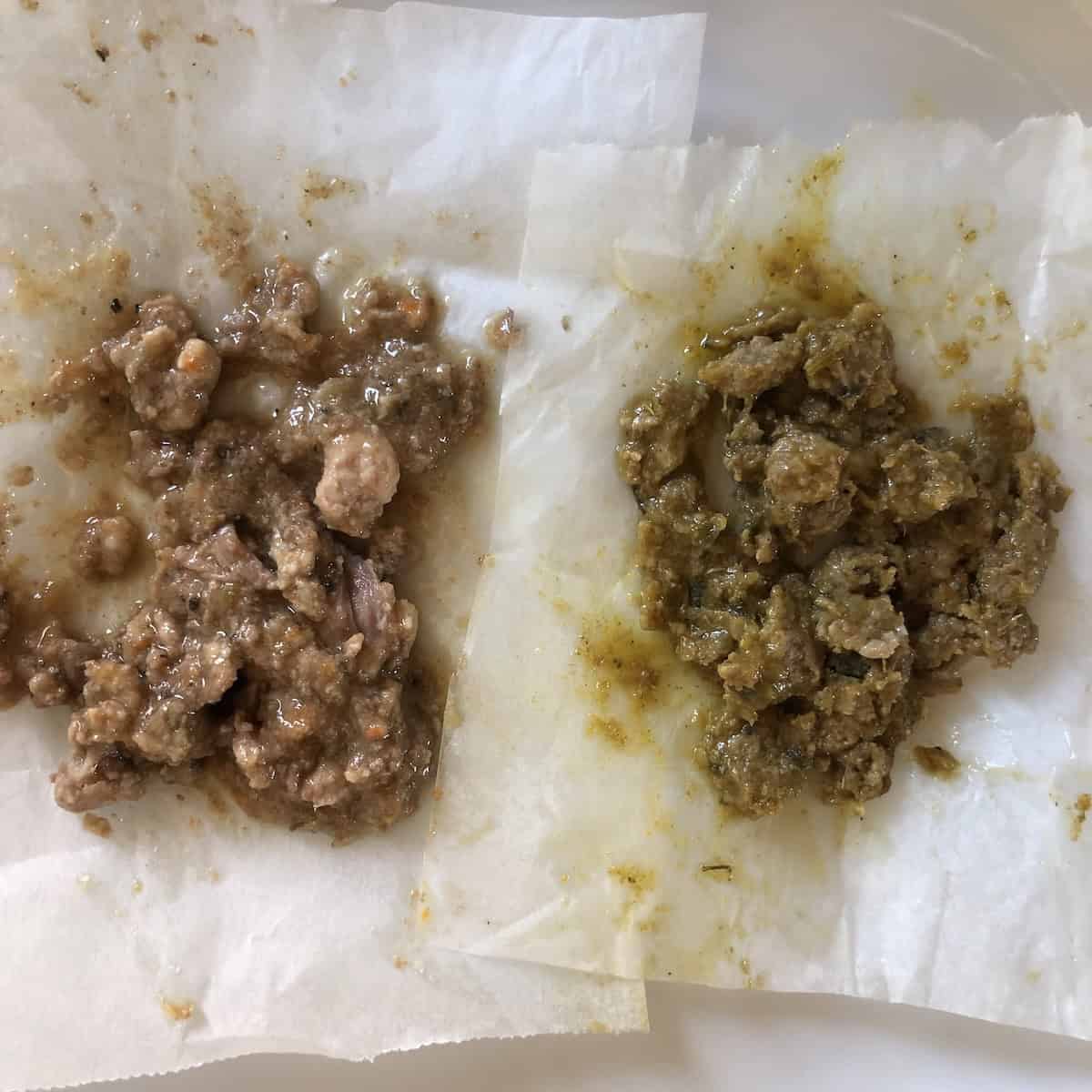
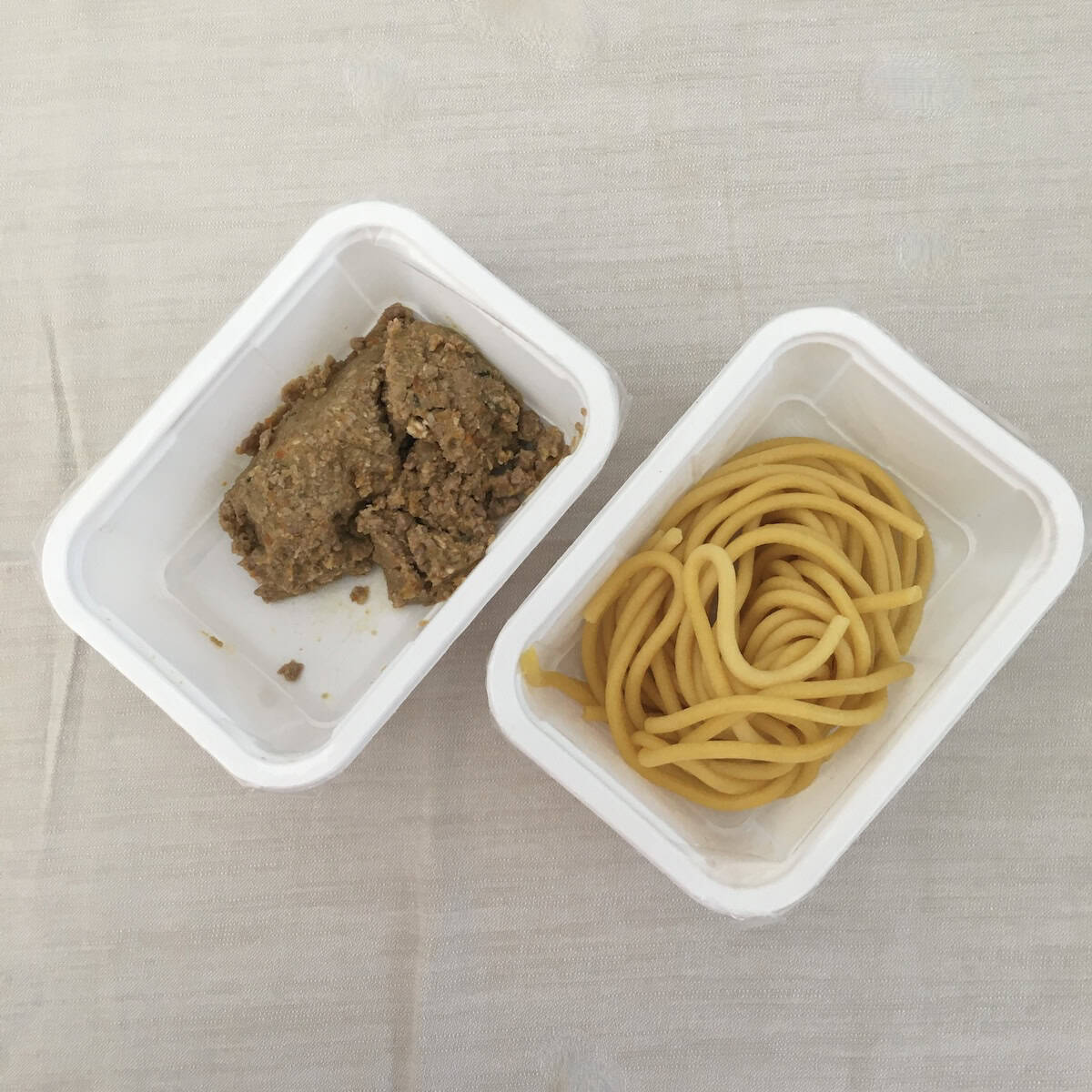
I developed this recipe with Luca (a native Northern Italian who grew up eating this pasta) as my numero uno taste-tester, using a direct comparison to our favorite local artisanal duck ragu. He rated this homemade version even better!
Likely because the local shop's duck ragù also has turkey meat (a filler) and uses some sunflower seed oil instead of straight-up duck meat and EVOO.
- Ground duck (or duck legs or combo of legs and breasts)- The star of the show (more on where to buy below)
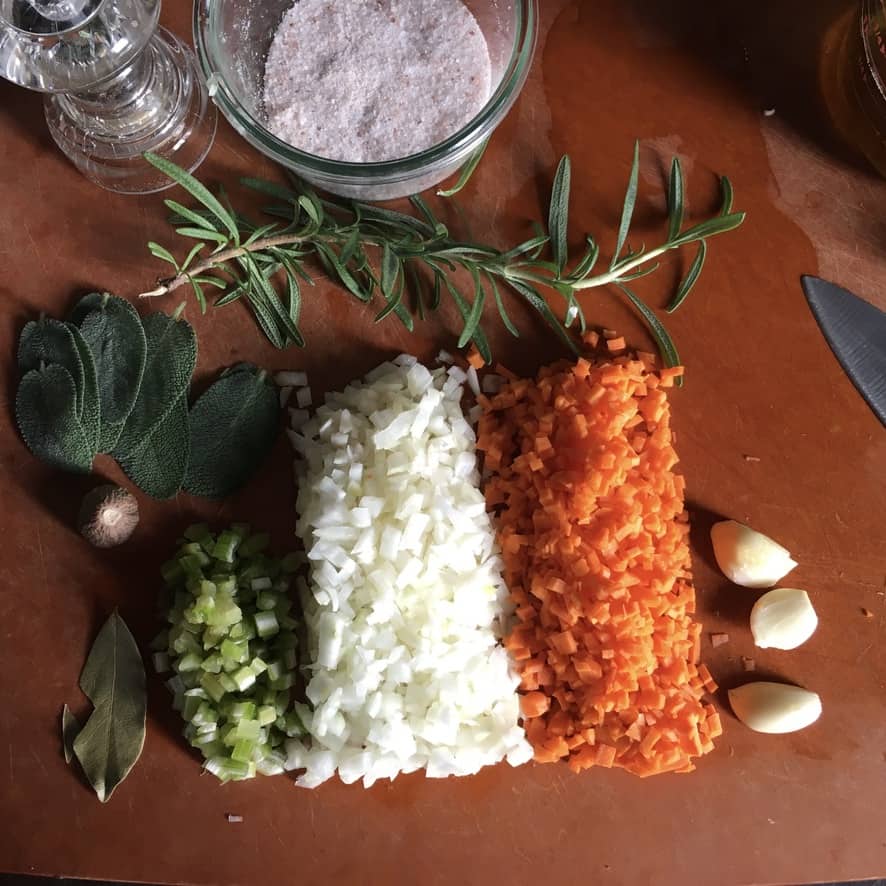
- Soffrito vegetables - Onion, carrot, celery for the aromatic base
- Garlic - Just enough for a good undertone flavor
- Fresh herbs - Sage, rosemary, and bay leaves lend that 'Thanksgiving' flavor
- Warm spices - Cinnamon, nutmeg, and cloves (I'm not a huge fan of cloves, so you just have to trust me on this -in the small amounts used in this recipe, these spices are all super subtle, but necessary to get just the right local flavor)
- Dry White wine - For deglazing and acidity - you can use a dry red wine too, just so long as the wine is highly drinkable😉)
- Duck or chicken stock - Homemade is best, but quality store-bought works well too. I use the bones from the whole duck to make a quick pressure cooker duck broth, but a good chicken broth is great too.
- Milk - For added richness, creaminess, and most importantly, to tenderize the meat and help remove any gameyness it may have.
- Butter - Adds a really nice flavor and helps with the creamy factor
- Extra virgin olive oil - Use the highest quality you can afford
See recipe card for quantities and the side-by-side comparison below!

How to Make Venetian Duck Ragù Step-by-Step
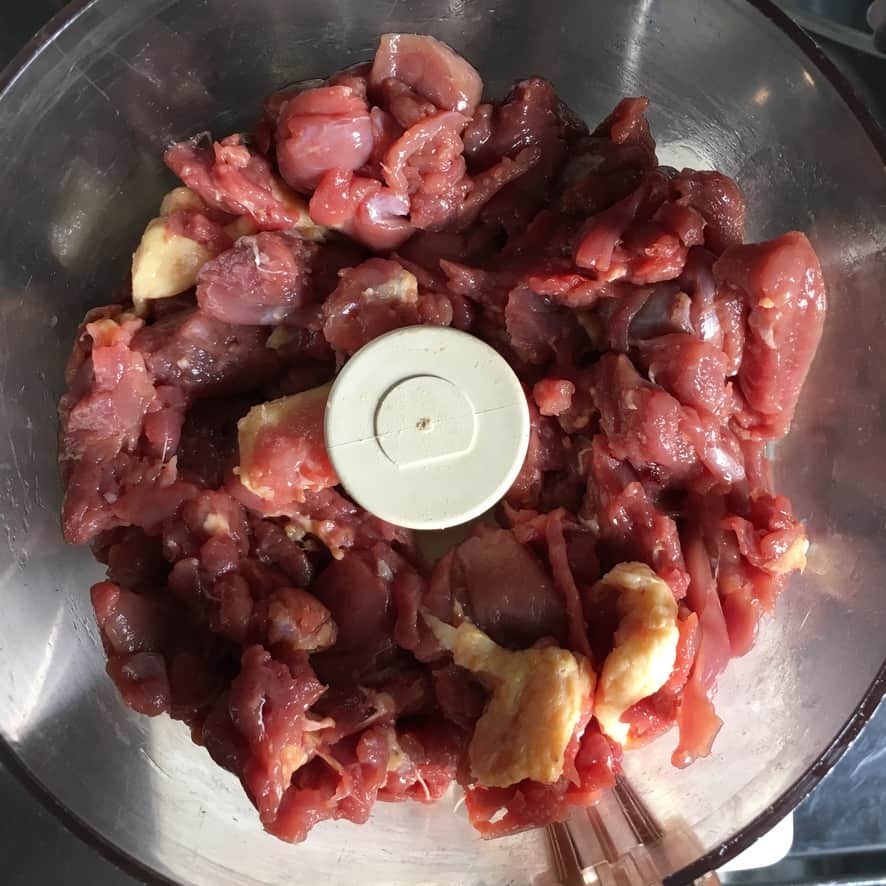
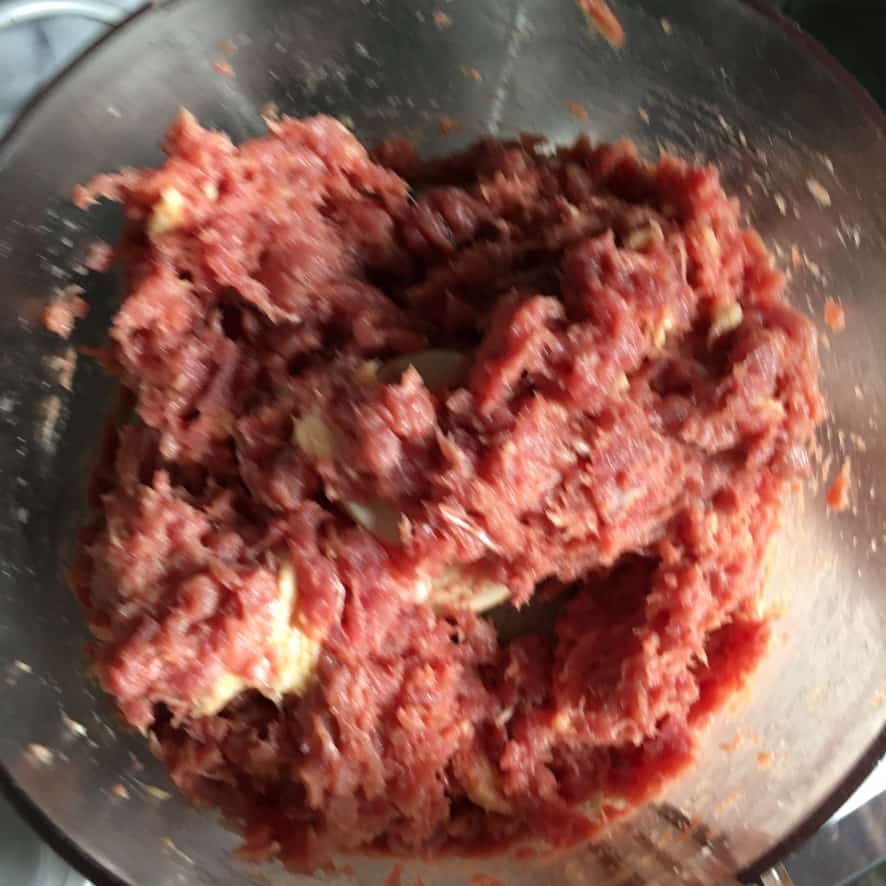
Step 1. Prep the duck: Use ground duck meat, or if starting with a whole duck or duck pieces, break it down and remove the skin and meat from the bones. I pulse the duck meat in a food processor until it resembles ground pork-this gives you more control over texture than store-bought ground duck but either works.
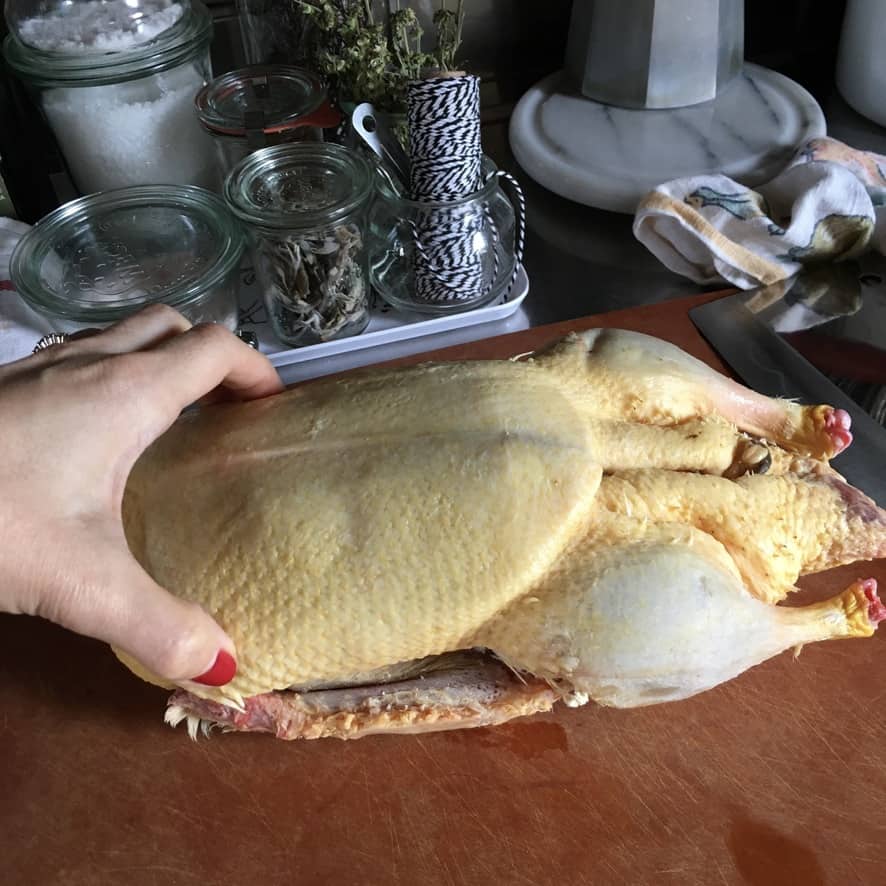
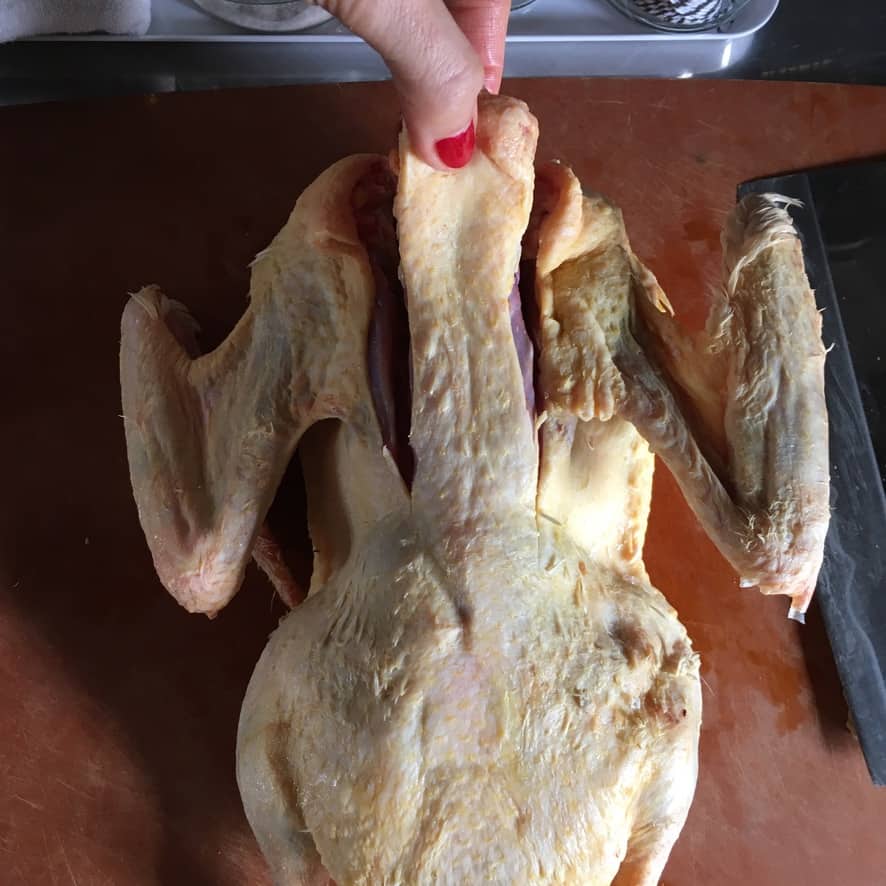
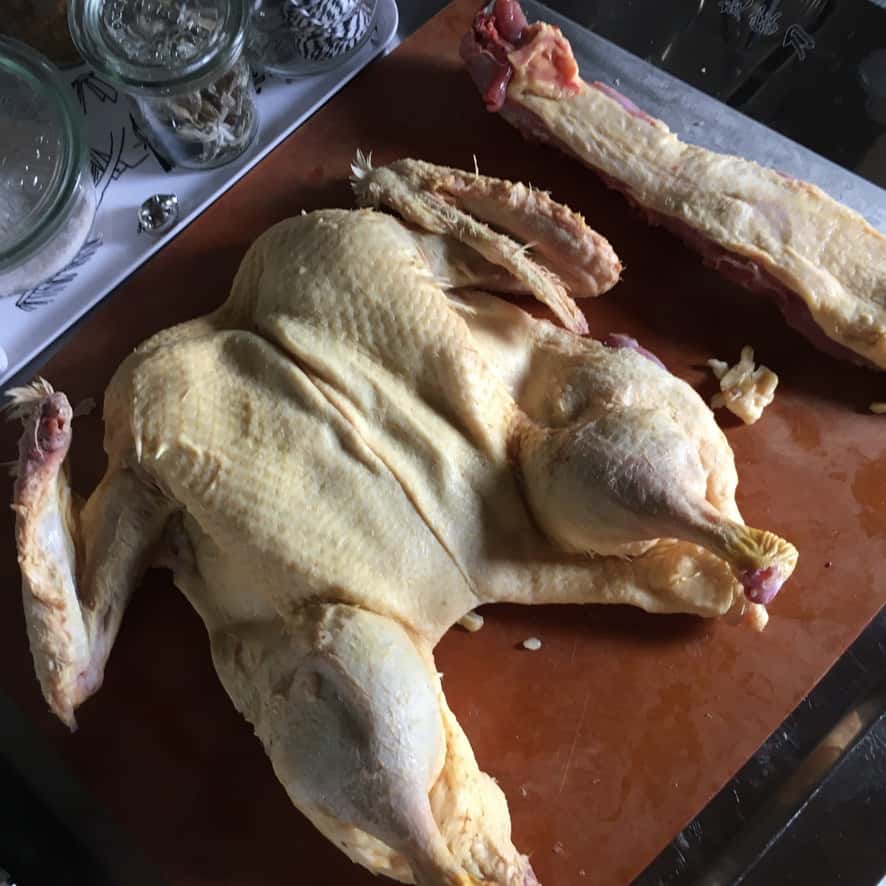
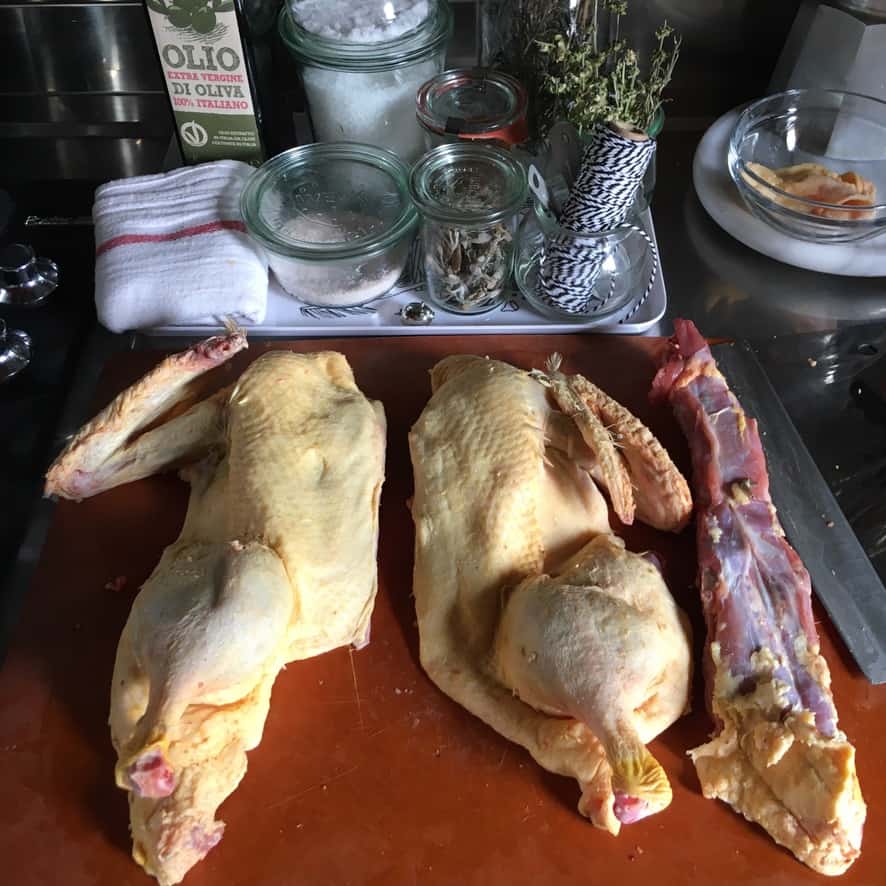
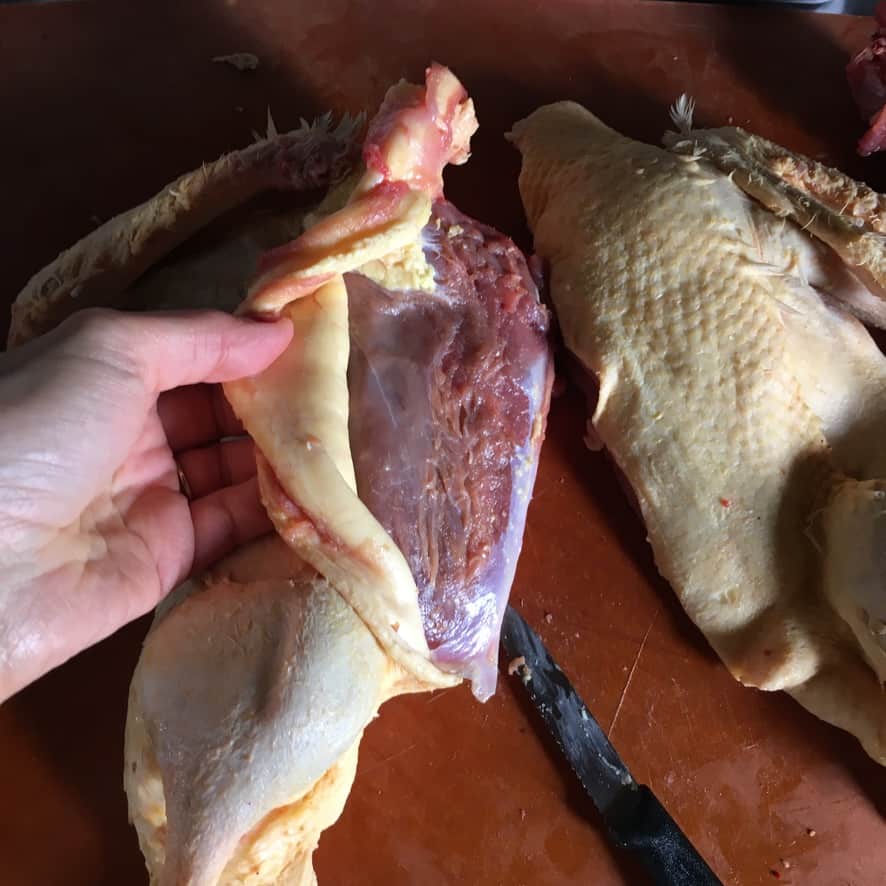
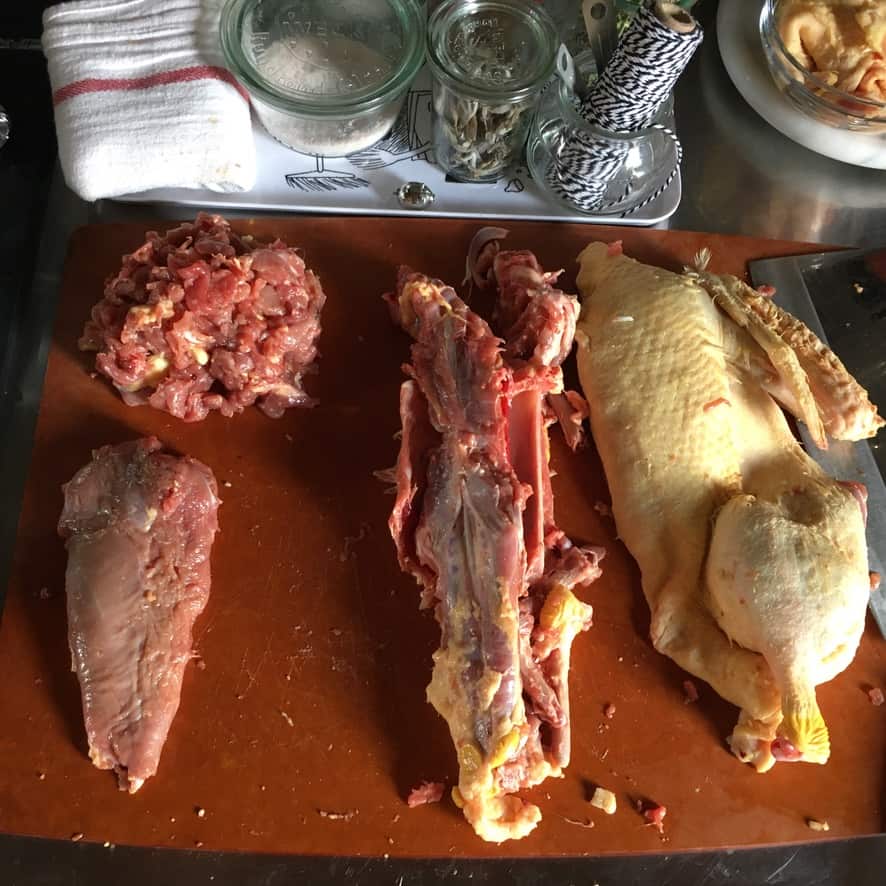
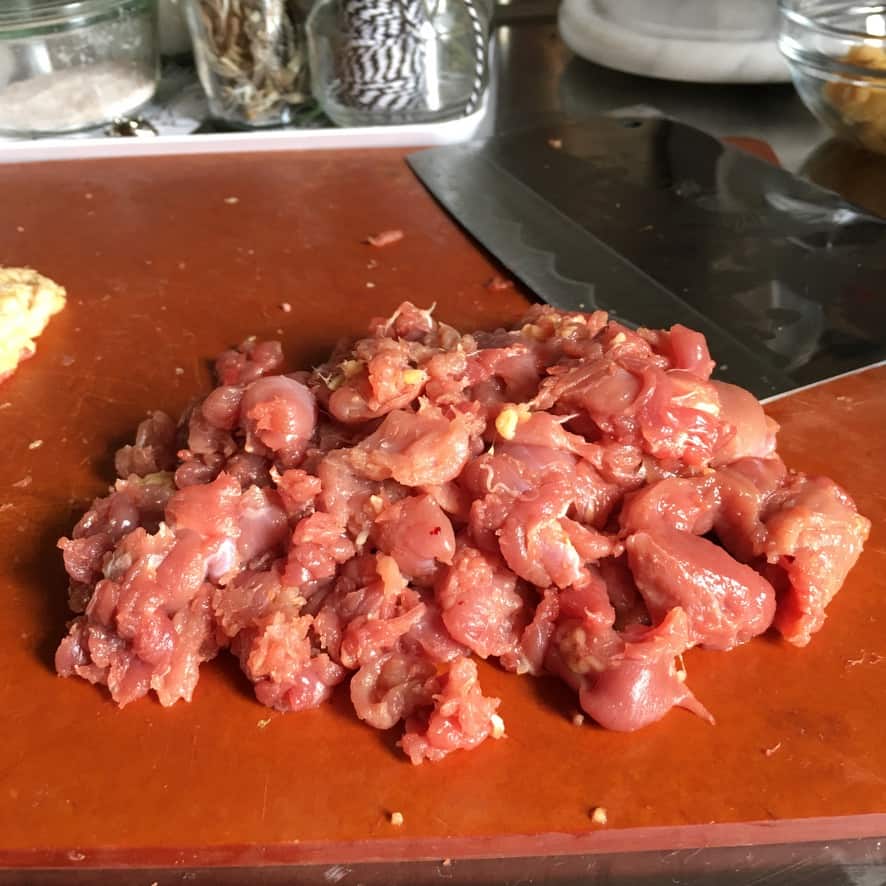
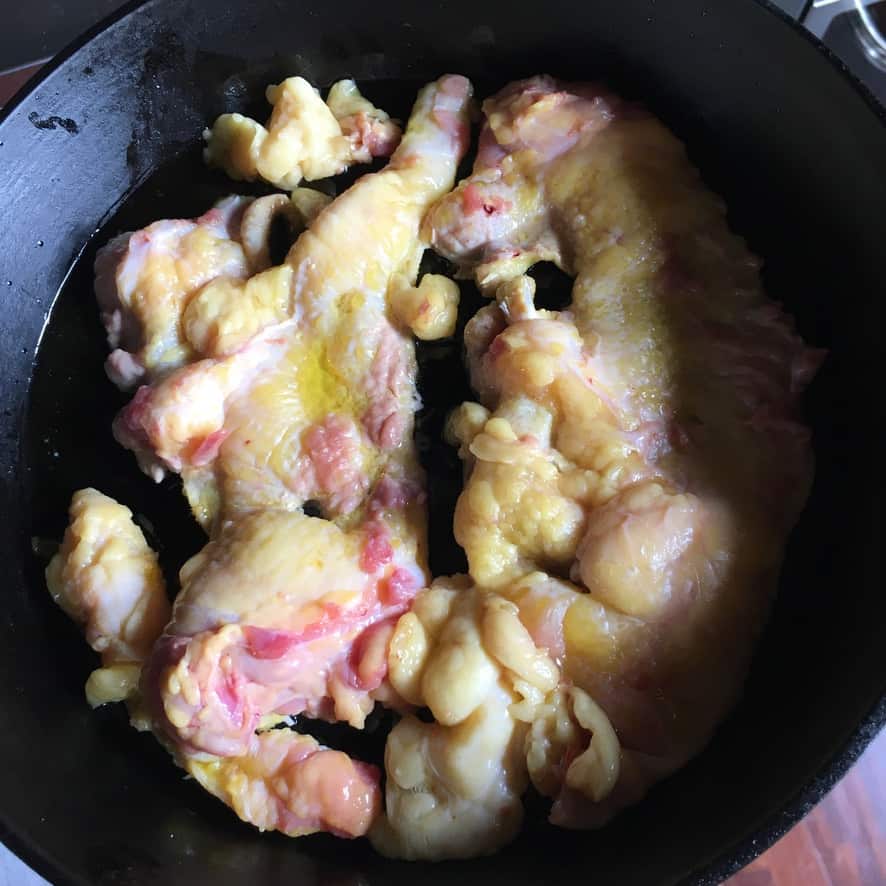
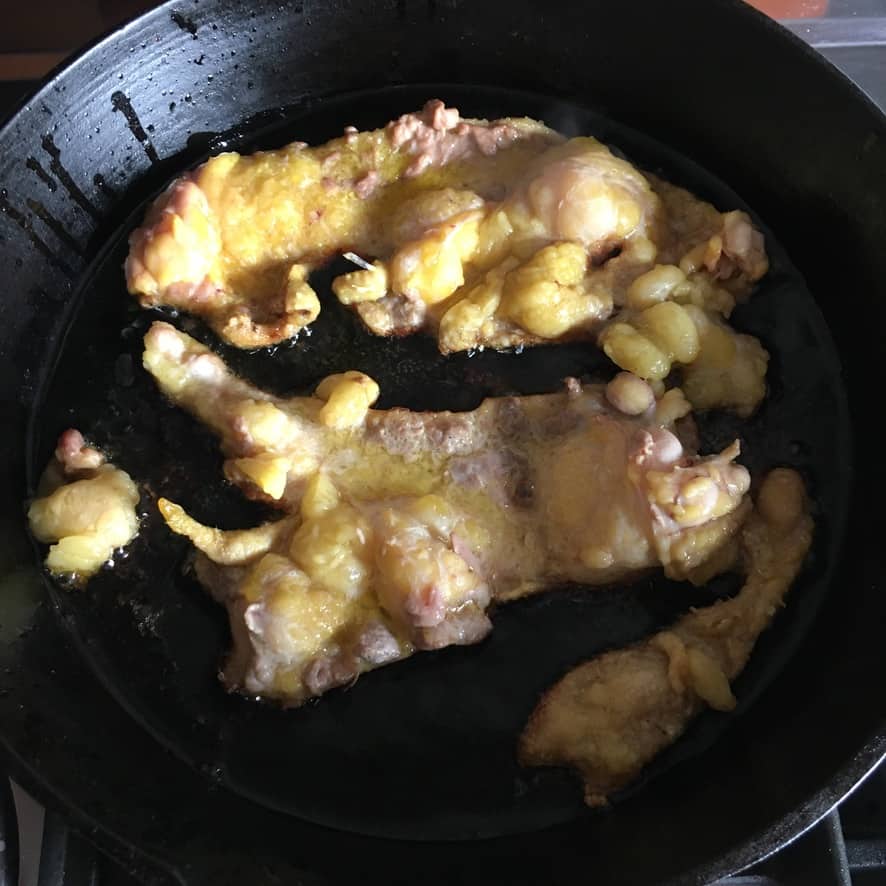
Step 2. (Optional Step, but worth it) Render the fat: If you have duck skin and excess fat, render it slowly in your Dutch oven until the skin crisps and the fat liquifies. This rendered duck fat is incredible for cooking-I never waste it.
Strain and save it for making the best French fries of your life, or making cast iron steaks, then wipe out the pot. Then take a drink of that wine and enjoy that delicious crispy duck skin while it's still hot!
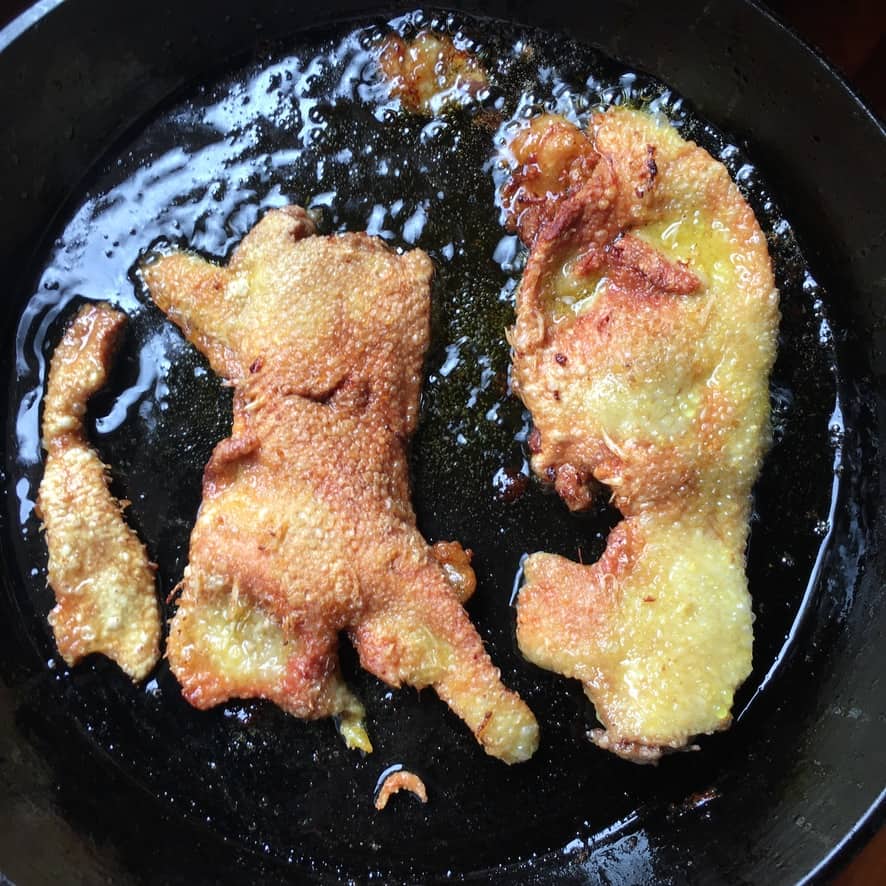
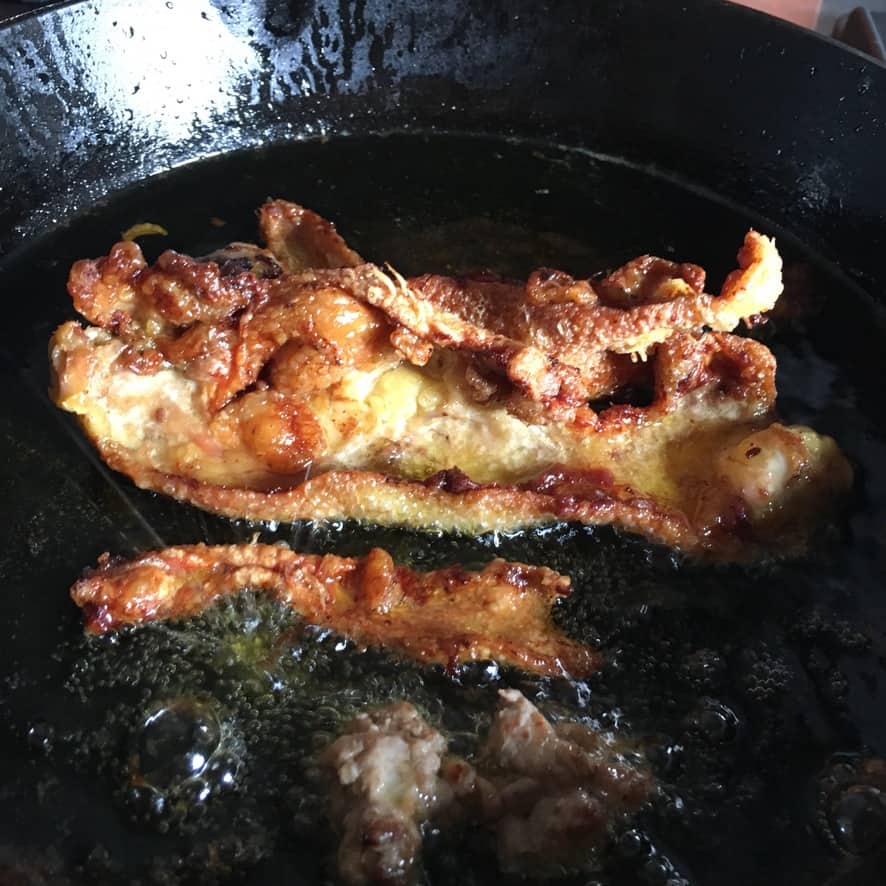
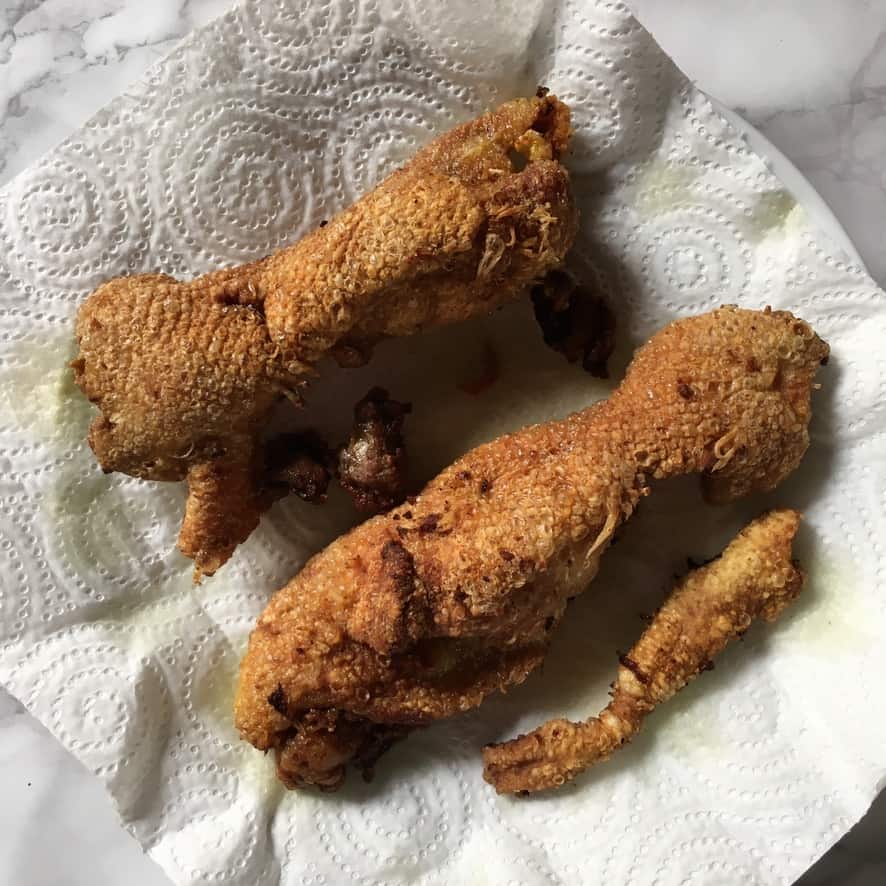
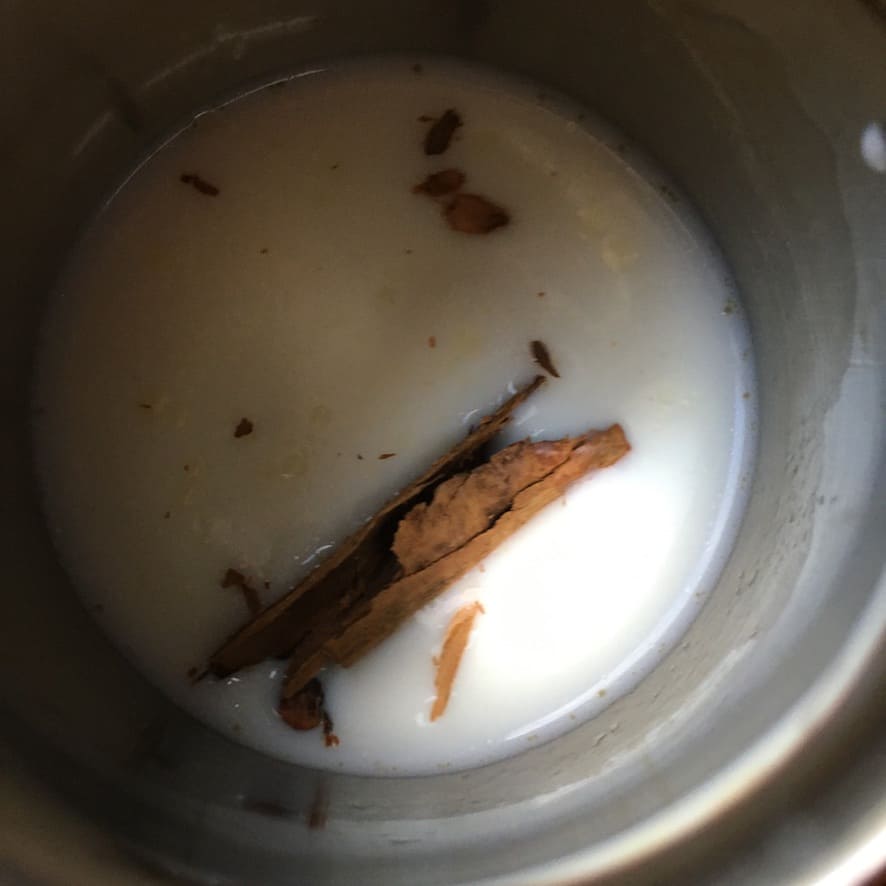
Step 3. Infuse the milk with spices: Here's where the magic starts. Heat the milk with the cinnamon stick, clove, and freshly grated nutmeg, letting those warm spices steep while you build the ragù base.
This technique infuses the spices without them being identifiable-you taste depth and complexity, not straight up "cloves or "cinnamon." Strain it before adding to the sauce later.
Step 4. Crisp the herbs: In olive oil and butter, and a bit of duck fat, fry fresh sage, rosemary, and garlic until the herbs are crispy and the garlic is golden. This creates an aromatic base that perfumes the entire ragù. The herbs should be fragrant, and the oil should smell incredible.
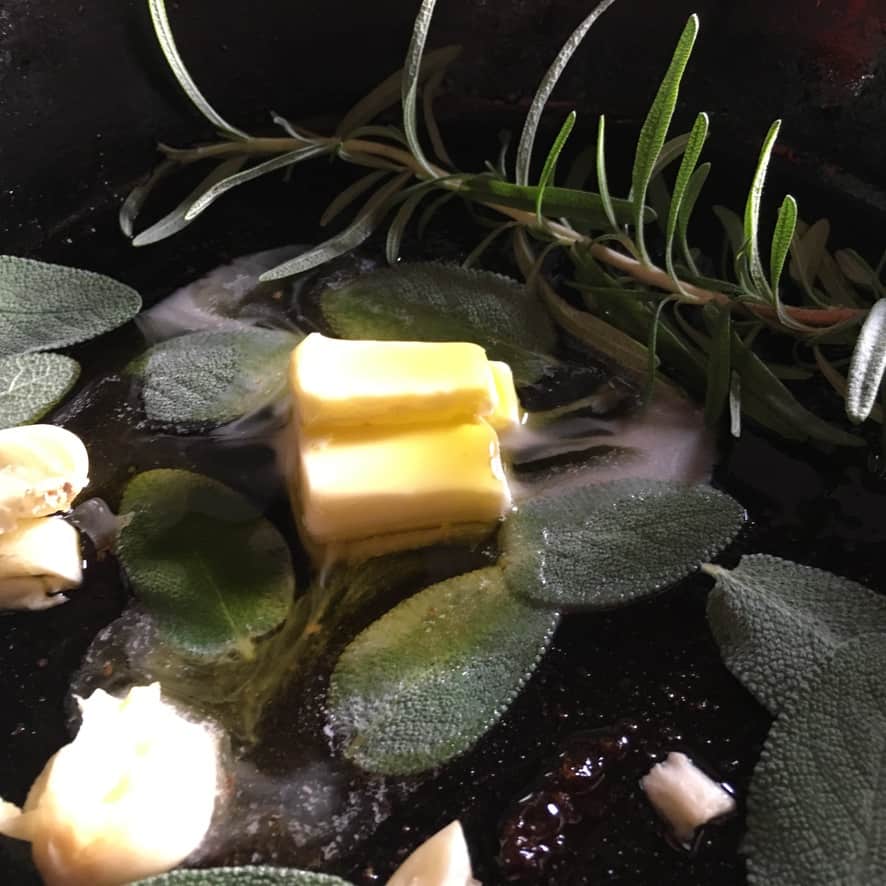
Step 5. Build the soffrito: Add your finely diced onion, carrot, and celery. Cover and cook low and slow until everything softens and turns translucent without browning. This takes patience-about 10-12 minutes-but it's where the sweetness and depth start to develop. Don't rush this step.
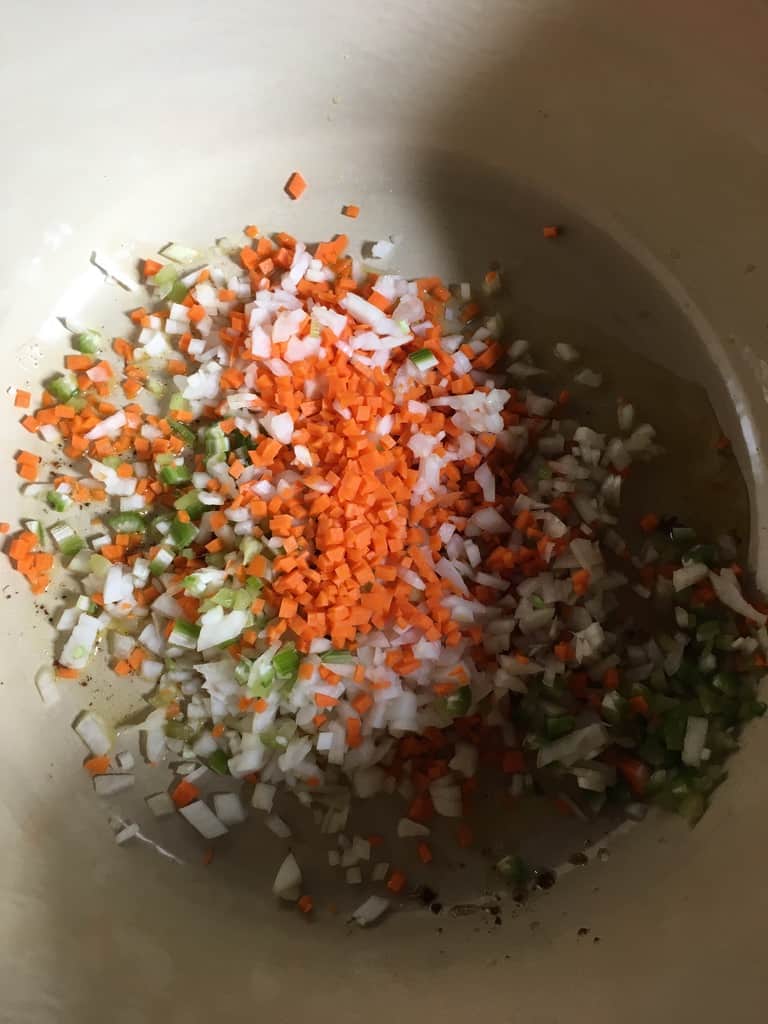
Step 6. Brown the duck and build the fond: Add the ground duck, dried herbs, salt, and pepper. Cover and cook gently until the bottom of the pot develops a beautiful brown fond-those caramelized bits stuck to the bottom of the pan.
This is pure concentrated flavor. If you're working with duck legs, brown them well on all sides first, developing crispy skin before the long braise.
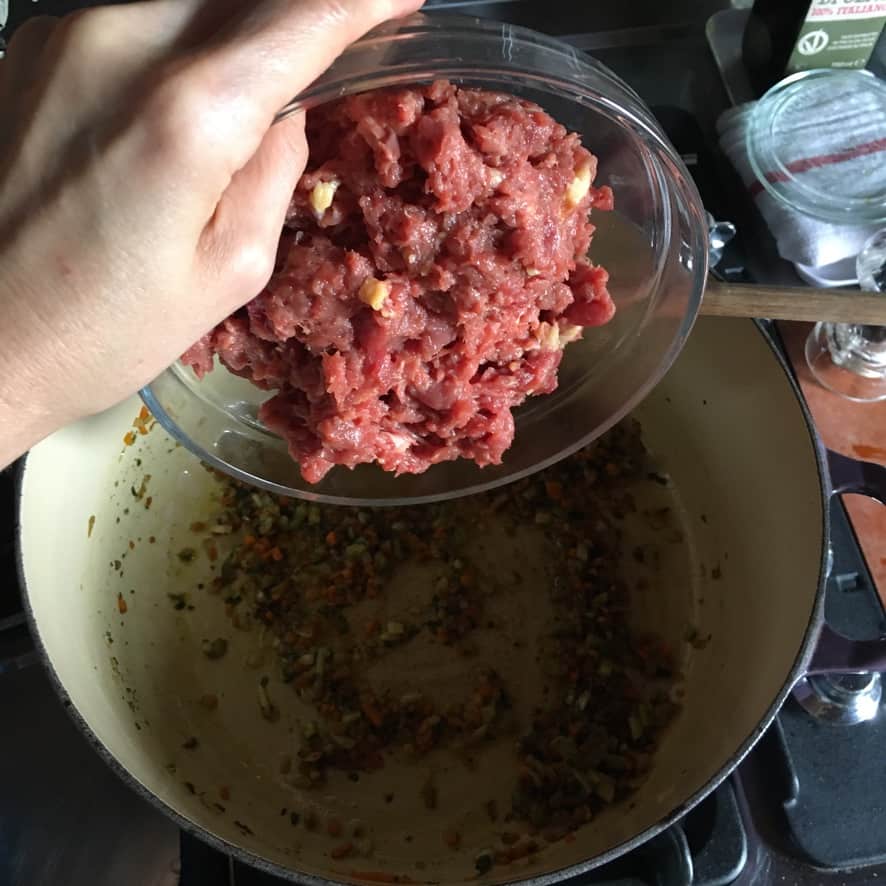
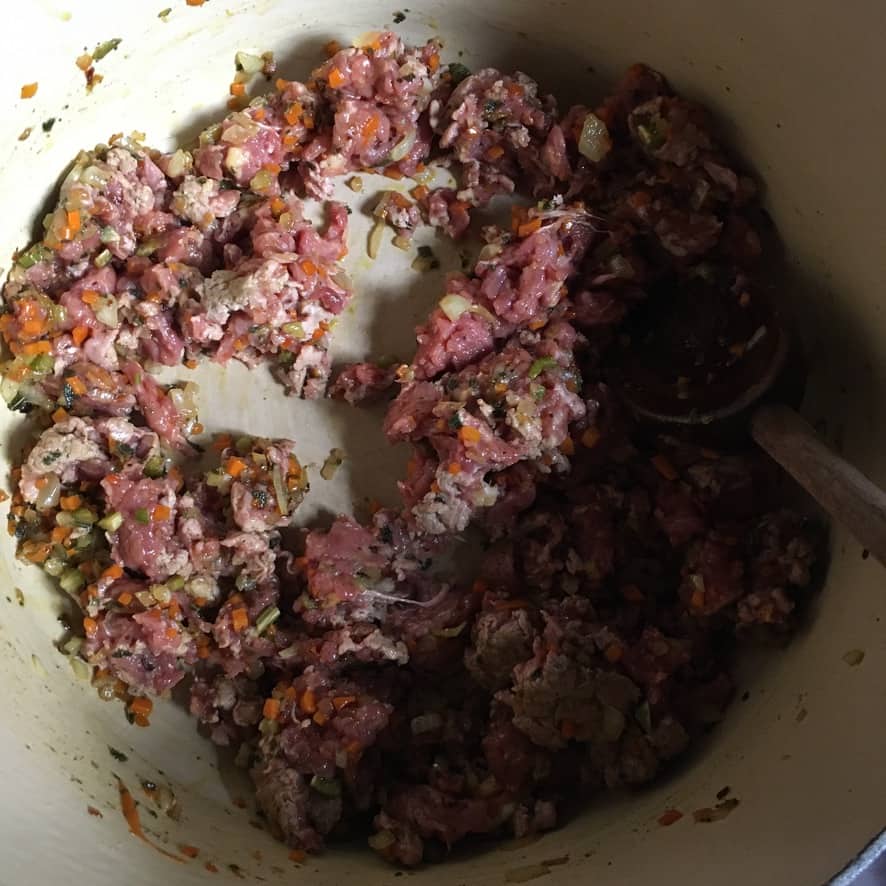
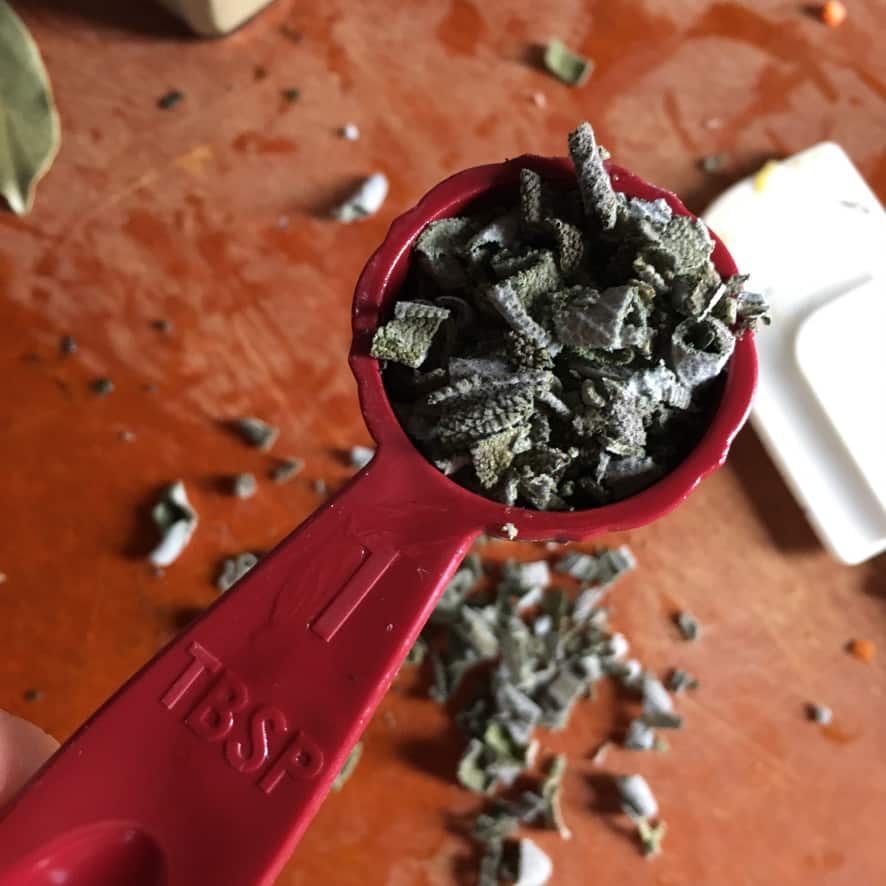
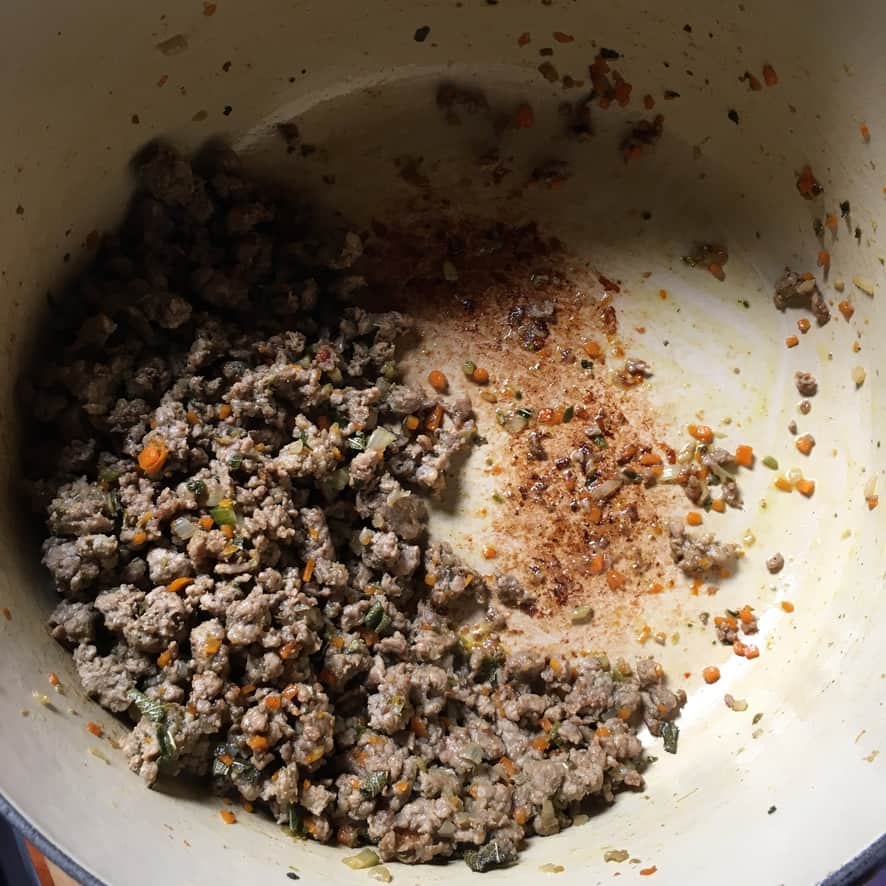
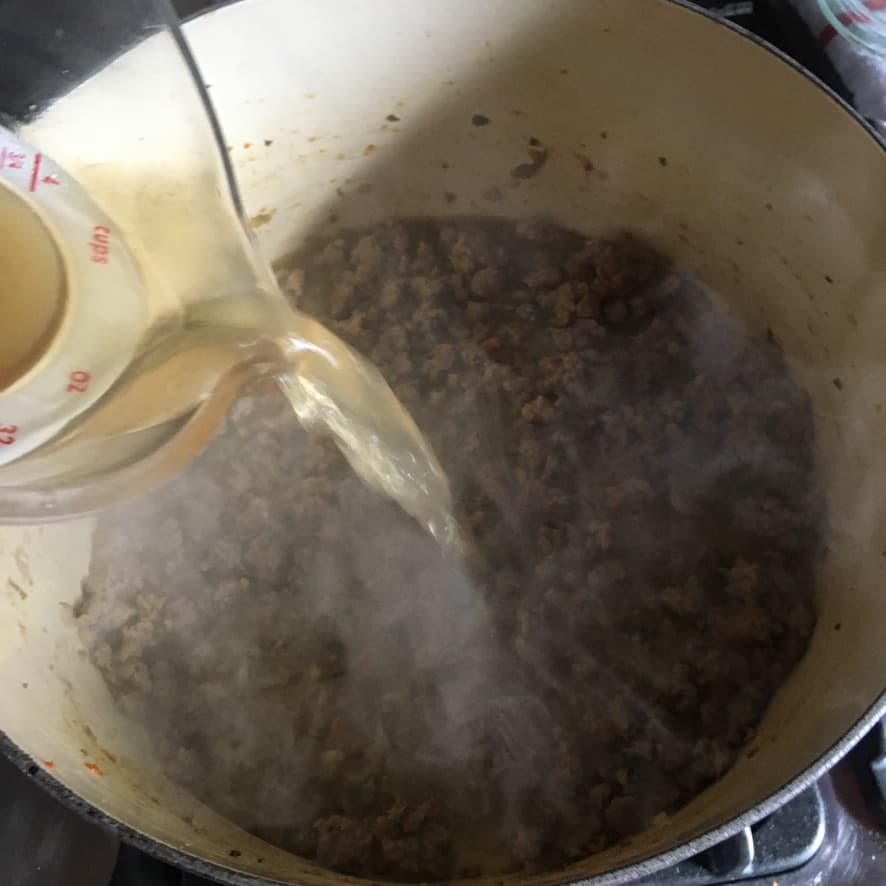
Step 7. Deglaze and simmer: Pour in white wine and scrape up every bit of that fond with a wooden spoon-this is where all the flavor lives. Let the wine reduce slightly, then add your duck stock and that spice-infused milk. The milk might seem unusual, but it's traditional and creates incredible tenderness and richness.
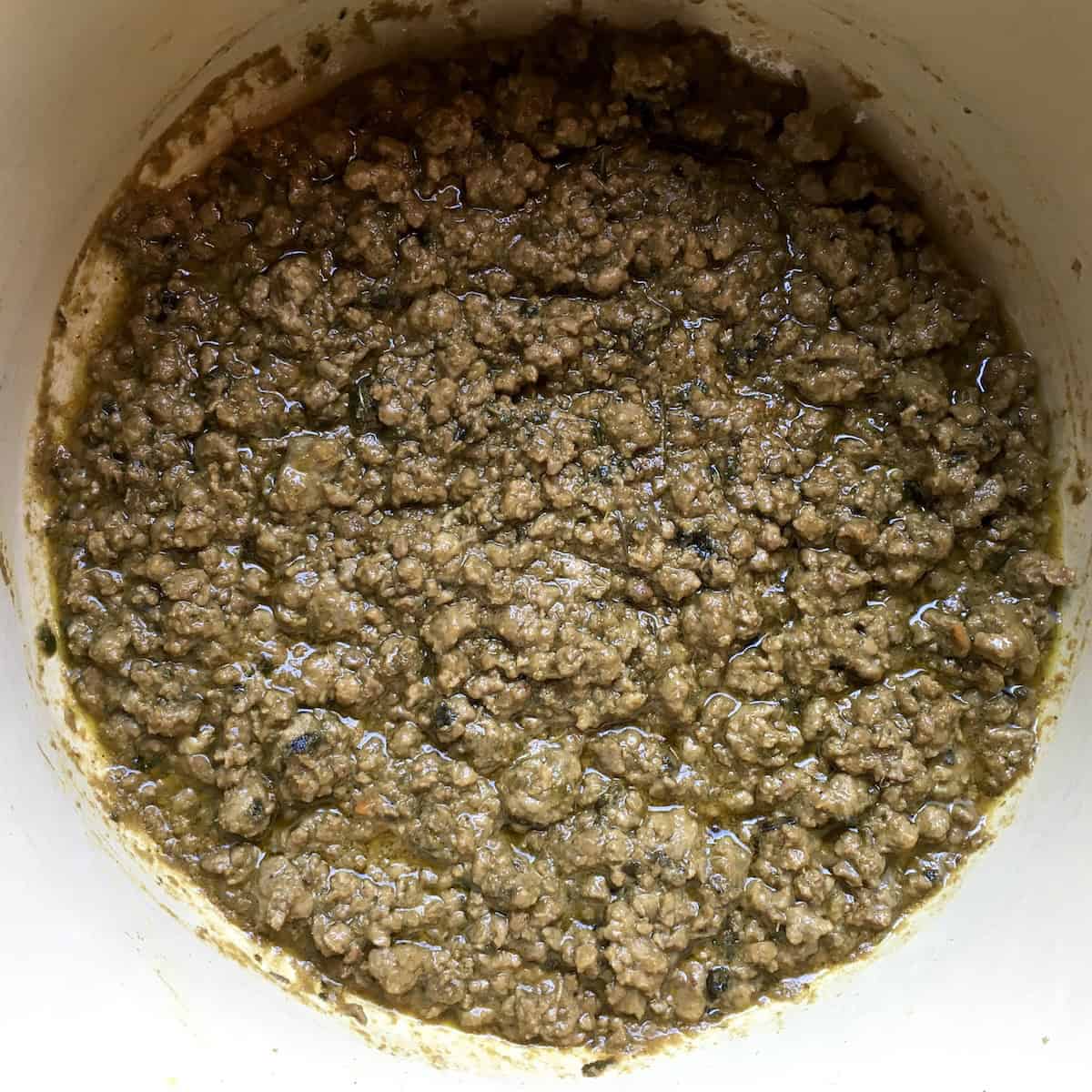
Add a bay leaf, bring everything to a boil, then reduce to a gentle simmer. Cover and let it bubble away for at least an hour, then continue for another 40-60 minutes until the sauce thickens into a proper ragù. If using duck legs, they should be fall-off-the-bone tender-shred the meat and return it to the sauce.



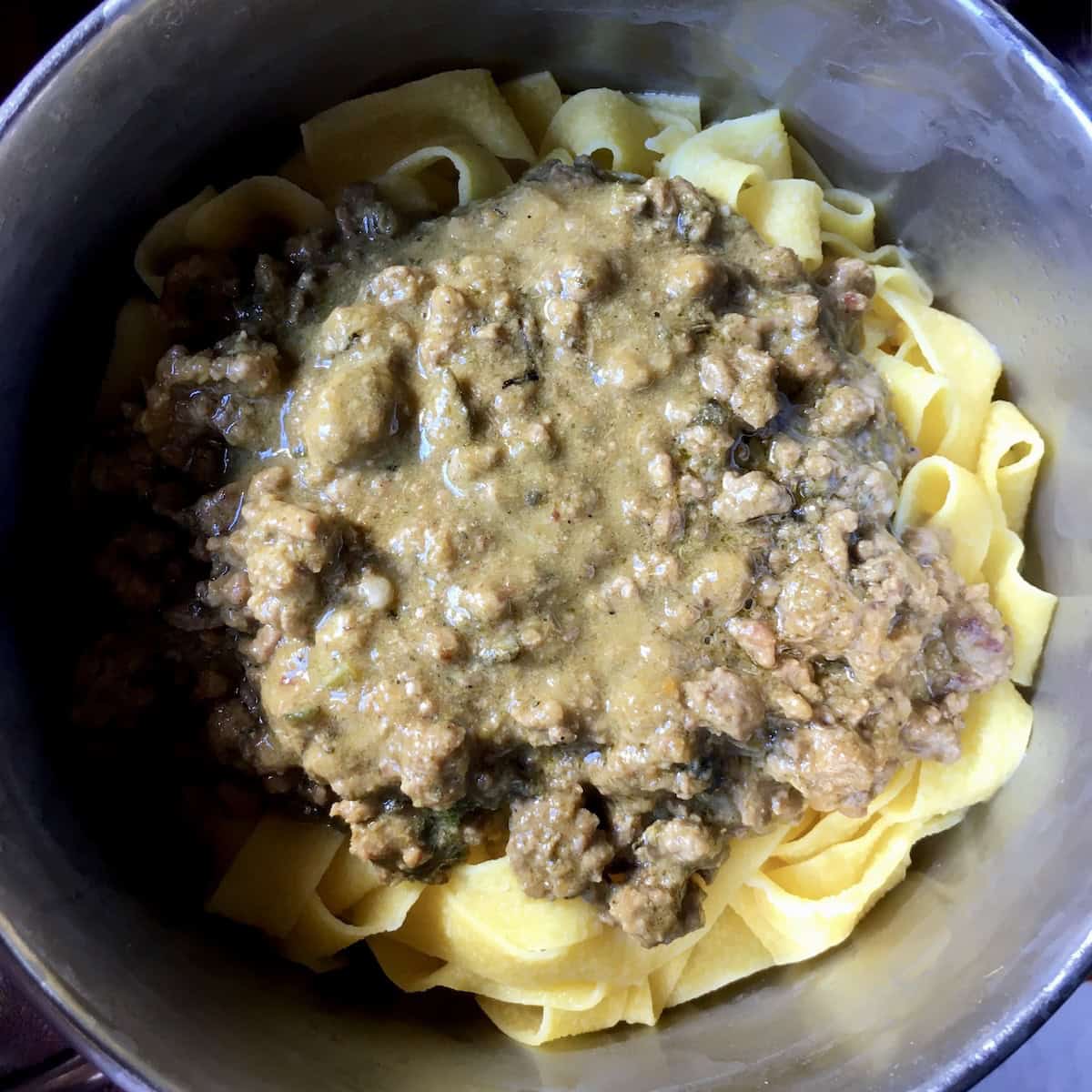
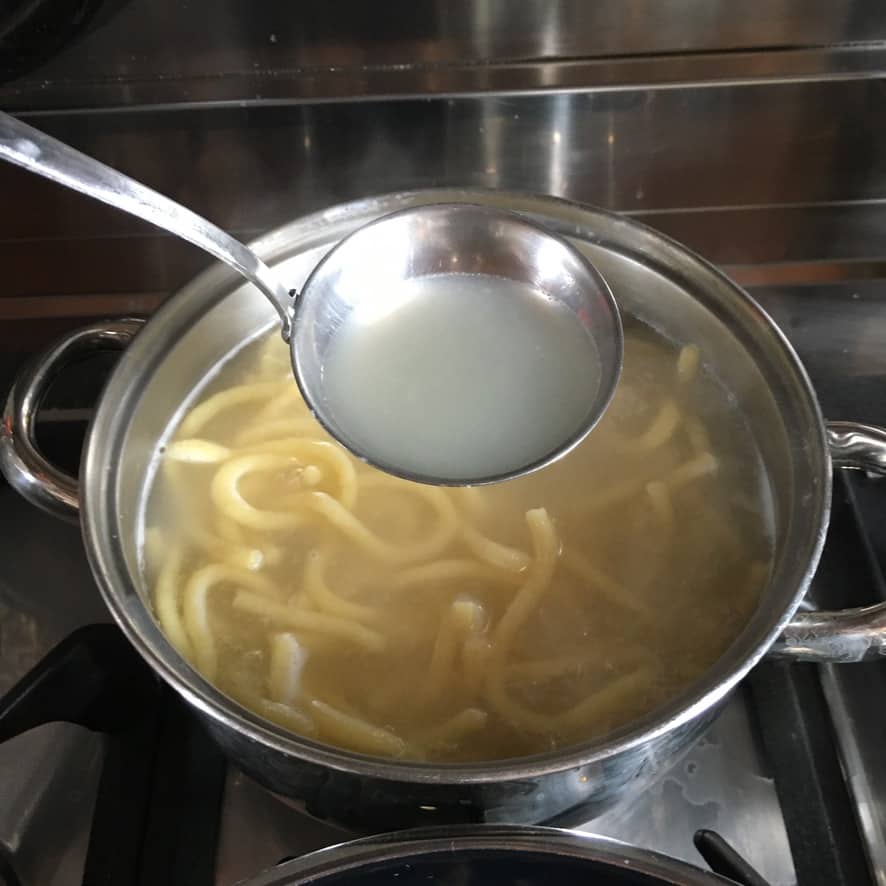
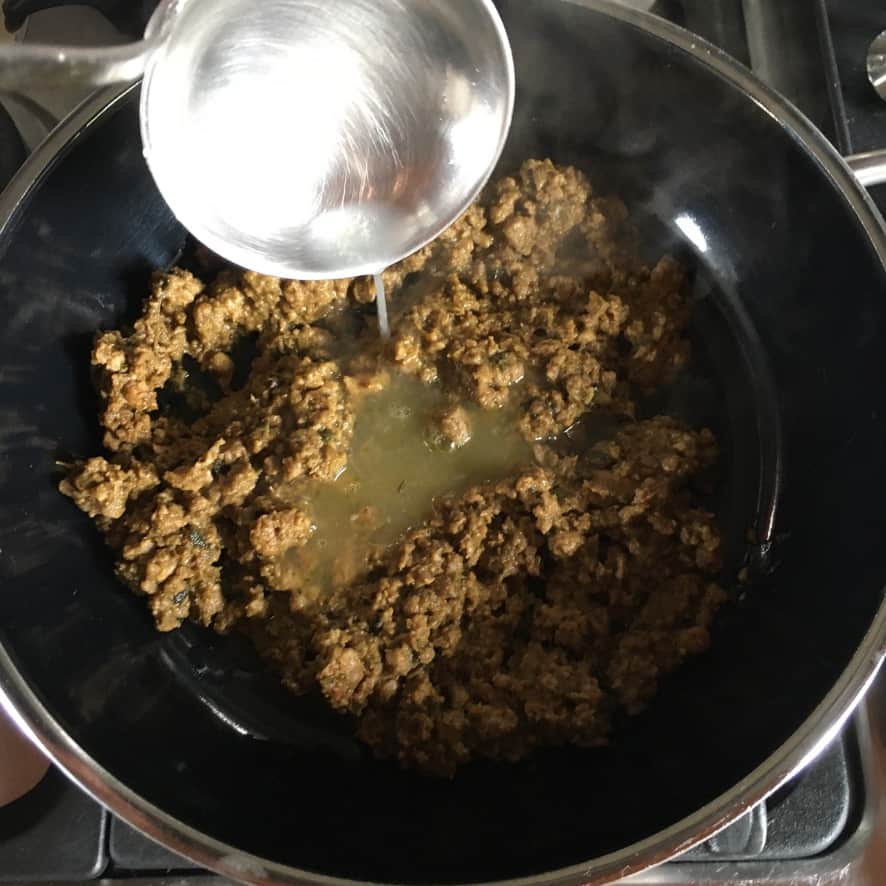
Step 8. Add the pasta and finish: Cook your bigoli or pappardelle in lightly salted water. A few minutes before the pasta reaches al dente, ladle some starchy cooking water into the ragù to help it emulsify.
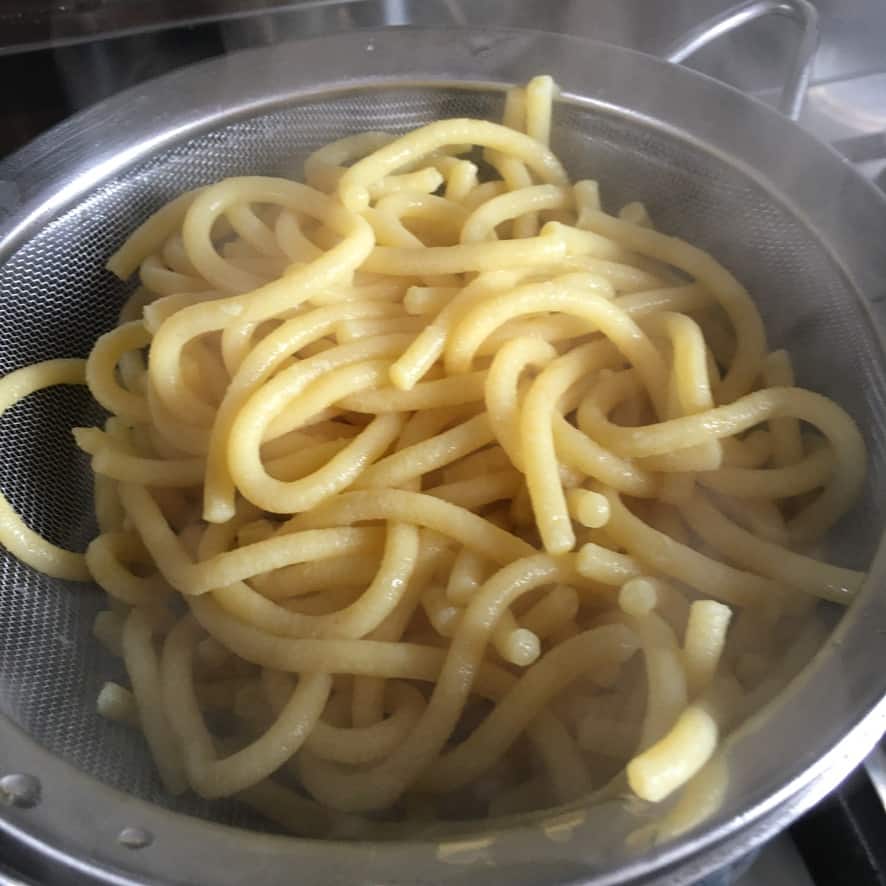
Drain the pasta and toss it directly into the ragù, letting it absorb all that beautiful sauce. This extra starch from the cooking water is how you get that glossy, cohesive coating that clings to every strand. Serve immediately with freshly grated Grana Padano or Parmigiano-Reggiano.
Hint
The spice-infused milk is a game-changer. It distributes the warm spices evenly throughout the ragù very subtly without any overwhelming flavor. You taste complexity and warmth, not individual spices.
The ragù should reduce to a thick, meaty consistency that clings to pasta. If it's too thin, simmer uncovered for the last 30 minutes. If it's too thick, add a splash more stock.
Find detailed measurements and times in recipe card below.
Use the Bones To Make a Quick Homemade Duck Broth
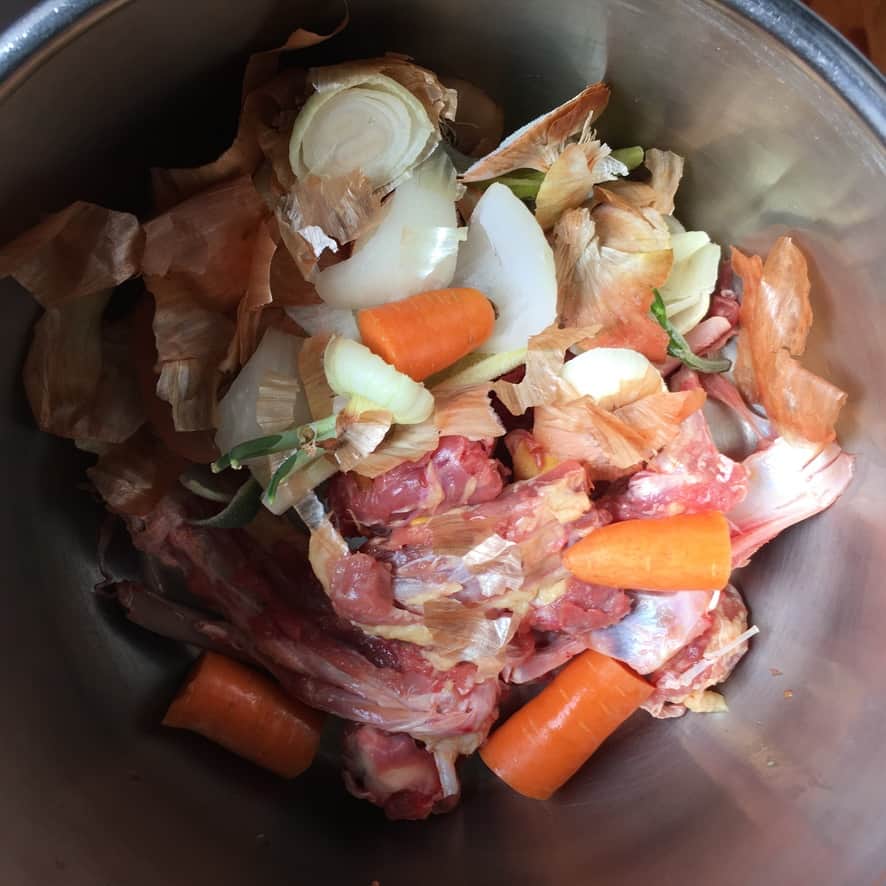
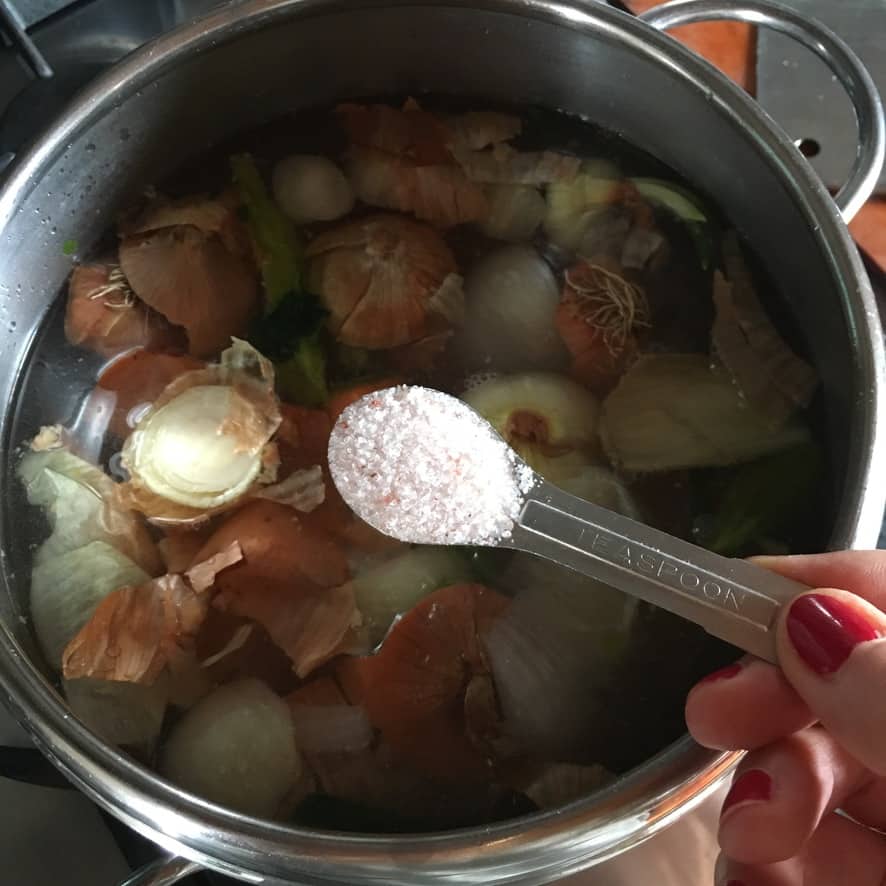
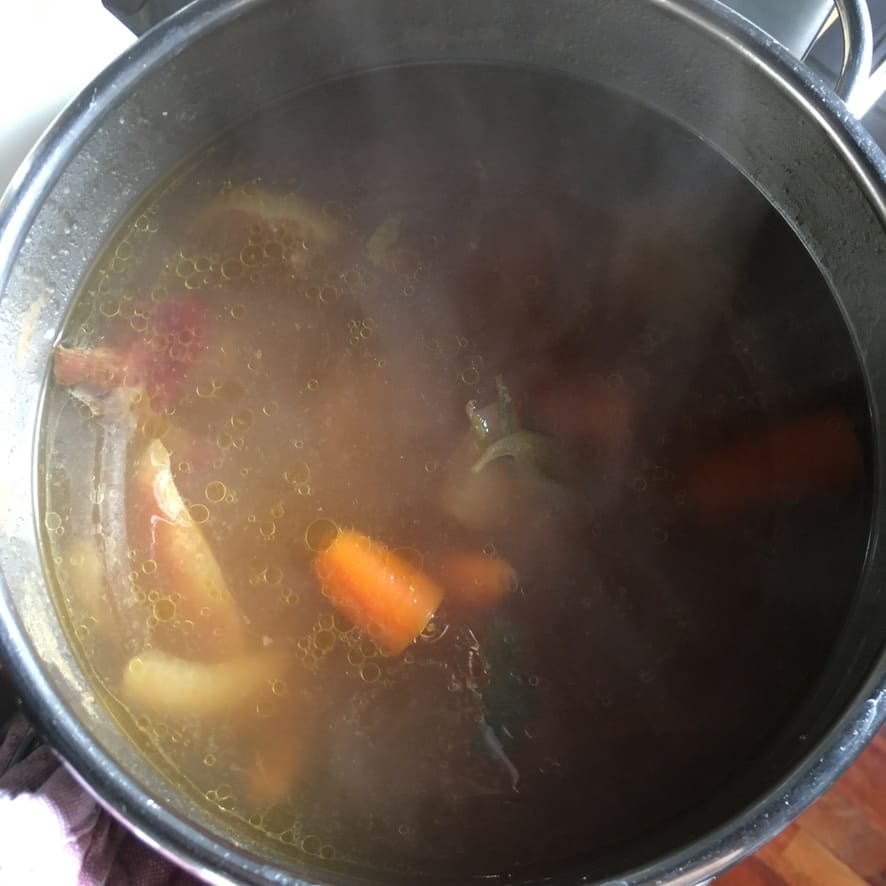
Throw the duck bones into a pressure cooker with an onion, carrot, and celery stalk. Add 1 teaspoon of salt, two quarts of water, and bring it to high pressure.
Cook on high pressure at the lowest setting that will allow it to maintain high pressure and cook for 30 minutes. Super easy, and this stock will add even more delicious flavor to your duck ragù.

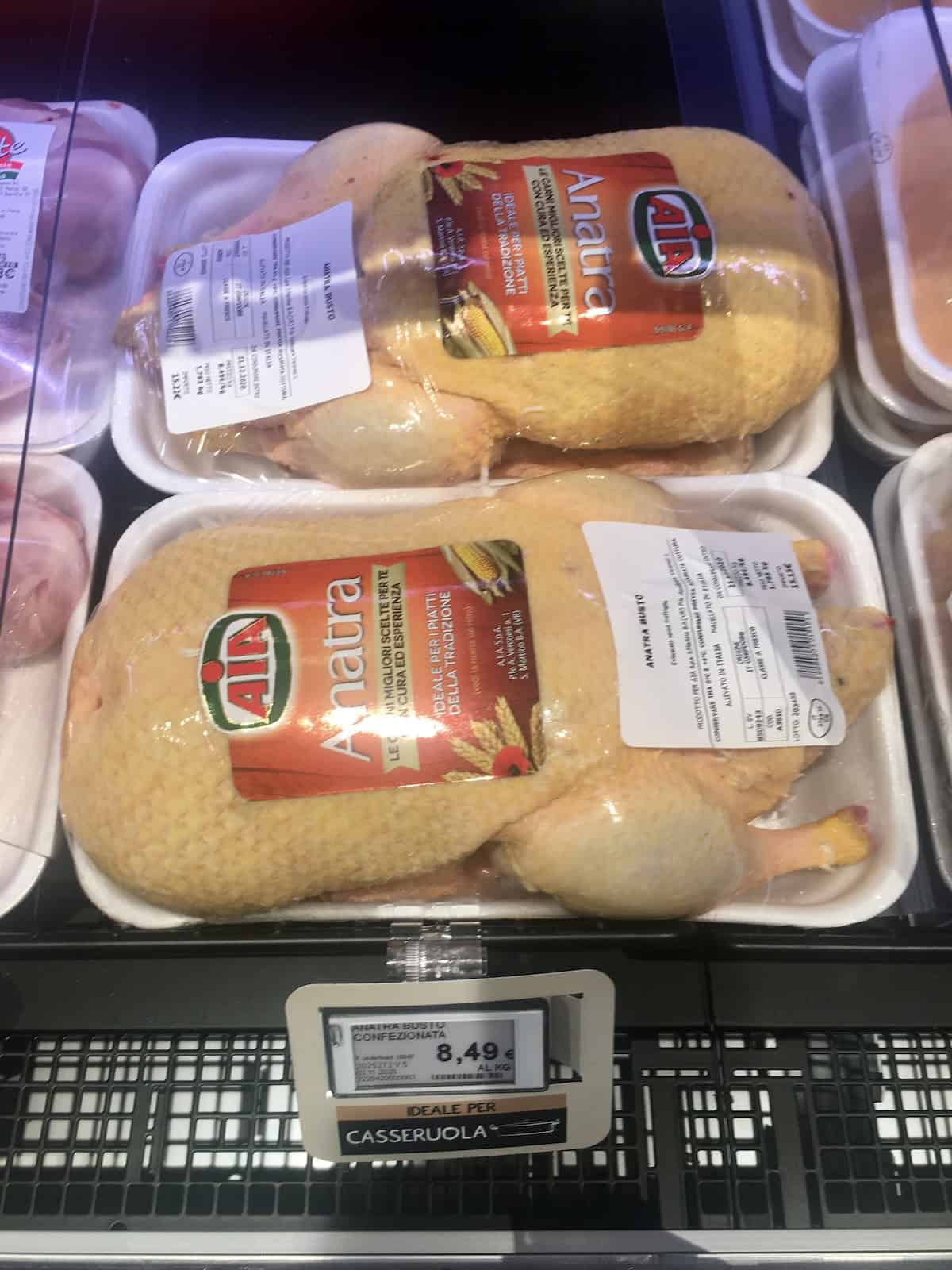
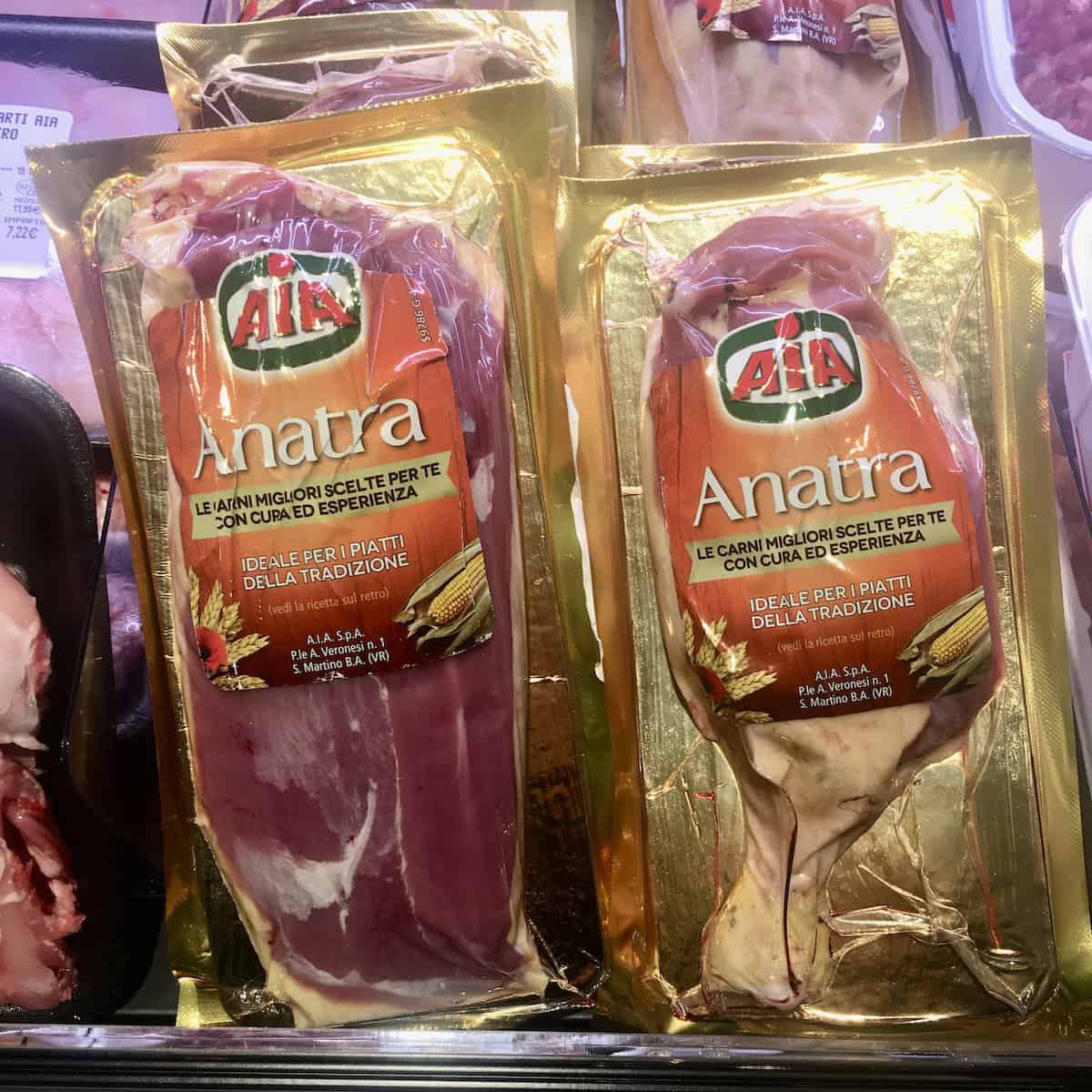
Where to Buy Duck for Ragu
Ground duck is ideal for ragù, but it can be tricky to find. Here's where to look:
- Your favorite duck hunter (cheapest option) - The best place to start is asking your duck-hunting family or friends to give you one their ducks! Depending on how gamey the wild duck meat is, you may want to give it a 12 to 24-hour rest in milk to help pull out some of that "beasty" flavor.
- Local butcher shops - Call ahead and ask them to grind duck legs or thighs for you. Most of them will happily do this.
- Specialty grocery stores - Whole Foods, local co-ops, and gourmet markets often carry ground duck like Mary's Ducks or fresh duck legs/breasts, or even whole duck you can break down. If using pre-ground lean duck you may want to add extra EVOO and butter or another fat (like leaf lard) so the ragù isn't too lean.
- Asian markets - Excellent source for whole ducks at better prices than mainstream grocers but they are likely not antibiotic-free or sustainably raised.
- Online sources - D'Artagnan, Fossil Farms, Hudson Valley Farms, and Marx Foods ship frozen ground duck nationwide and many of them carry the Muscovy duck that's traditionally used here in the Veneto!
- Farmers markets - Duck farmers often sell ground duck or will grind duck for you on request.
Fresh vs frozen: Both work beautifully. Frozen duck is often more accessible and just as delicious when properly thawed overnight in the refrigerator.
Duck pieces vs whole duck: Traditionally, this ragù is made by grinding up the whole duck for the best flavor and texture.If working with duck breasts, I recommend grinding up the skin as well to give the ragù extra fat and flavor.
Substitutions
- Duck breast instead of legs: Yes, you can use duck breast, though it's leaner. Brown it, then shred or dice it. It won't have quite the richness of legs or ground duck, but it works. Cook time will be shorter (about 1.5 hours total).
- Chicken stock instead of duck stock: Totally fine. Duck stock adds deeper flavor, but quality chicken stock is a perfect substitute most home cooks will have on hand.
- Red wine instead of white: Some Tuscan versions use red wine. It creates a darker, slightly heavier ragù. If you go this route, use a good Italian red like Chianti.
- Skip the milk: For dairy-free, you can omit the milk. The ragù will be slightly less creamy but still delicious. Add a bit more stock to compensate for the liquid.
Variations
- With added duck liver, chicken liver, pancetta, or guanciale (Tuscan style): Finely mince any one of these additional meats and add it to the soffrito. This adds more depth and richness, but the duck flavor won't be quite as front and center if you do.
- Dairy-Free Duck Ragù recipe: If you have dairy allergies, substitute the butter and milk in this recipe with equal amounts of your favorite plant-based alternatives. Just be sure you use an unsweetened dairy-free milk.
Equipment
- Large Dutch oven or heavy-bottomed pot - Essential for even, slow cooking. I use a 7-quart Le Creuset Dutch oven, but a 5 or 6-quart pot works great!
- Food processor or meat grinder - For grinding the duck meat (alternatively, you can use a meat cleaver or sharp knife, but it takes longer)
- Wooden spoon - For stirring and scraping up flavorful bits from the pot bottom.
- Sharp knife - For finely dicing soffrito vegetables.
- Large pot for pasta - You'll need plenty of boiling water for the pasta.
Storage
Refrigerator: Store completely cooled ragù in an airtight container for up to 4 days. The flavors actually improve overnight, making this perfect for meal prep.
Freezer: Duck ragù freezes beautifully for up to 6 months when stored properly. Portion it into meal-sized containers, place a piece of parchment or wax paper on the surface, and place the lid on it.
Alternatively, add the ragù to freezer bags, remove all the air, and seal them up. For even more protection, I like to place these filled bags into another (slightly larger) freezer-safe container and freeze for easy weeknight dinner meals.
Thaw overnight in the refrigerator, then reheat gently on the stovetop, adding a splash of stock if needed.
Reheating Duck Ragù: Reheat slowly over medium-low heat, stirring occasionally. Add a splash of stock, milk, or pasta cooking water to loosen it up if needed. Don't microwave if you can avoid it-stovetop reheating preserves the texture better.
Serving Duck Ragù

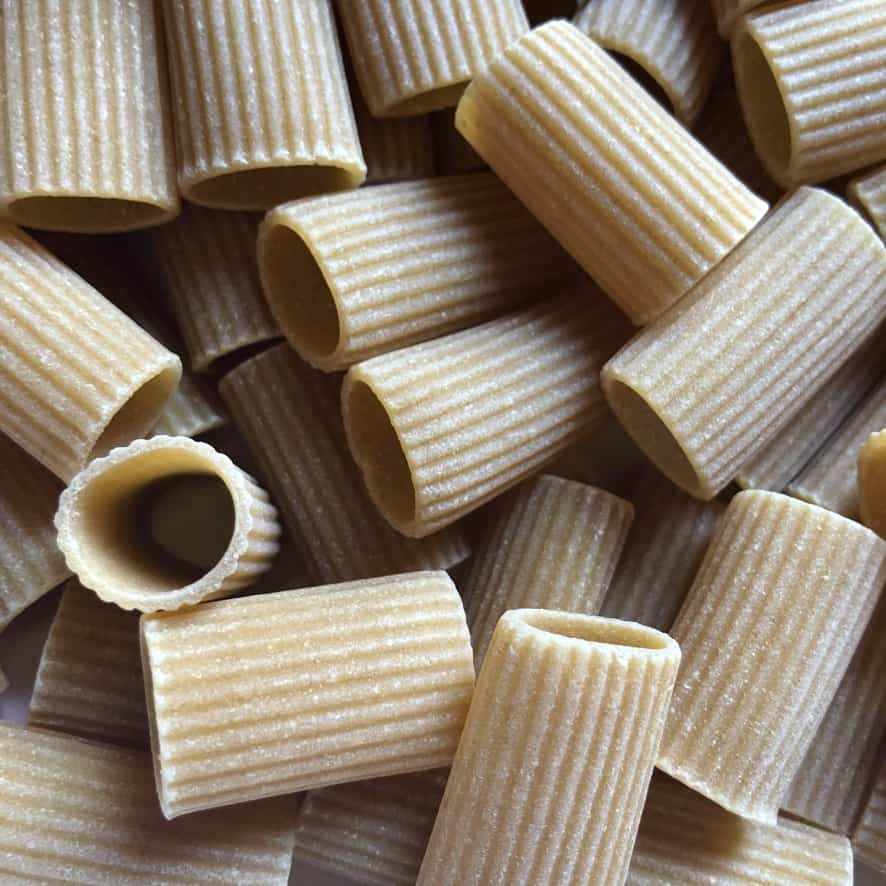
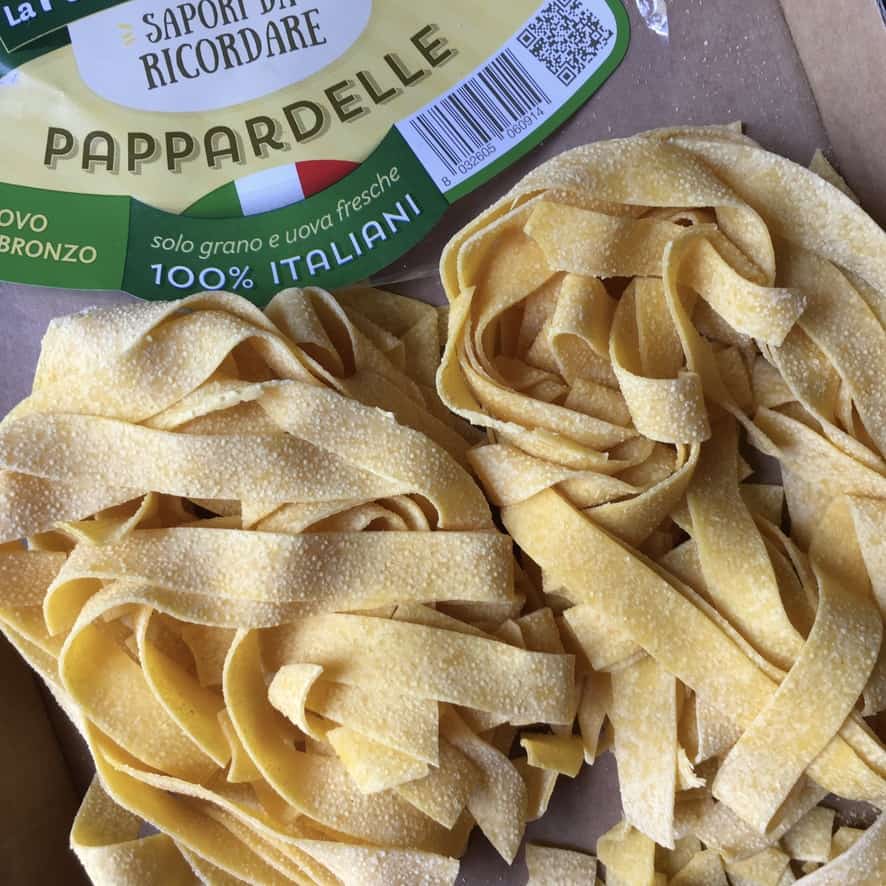
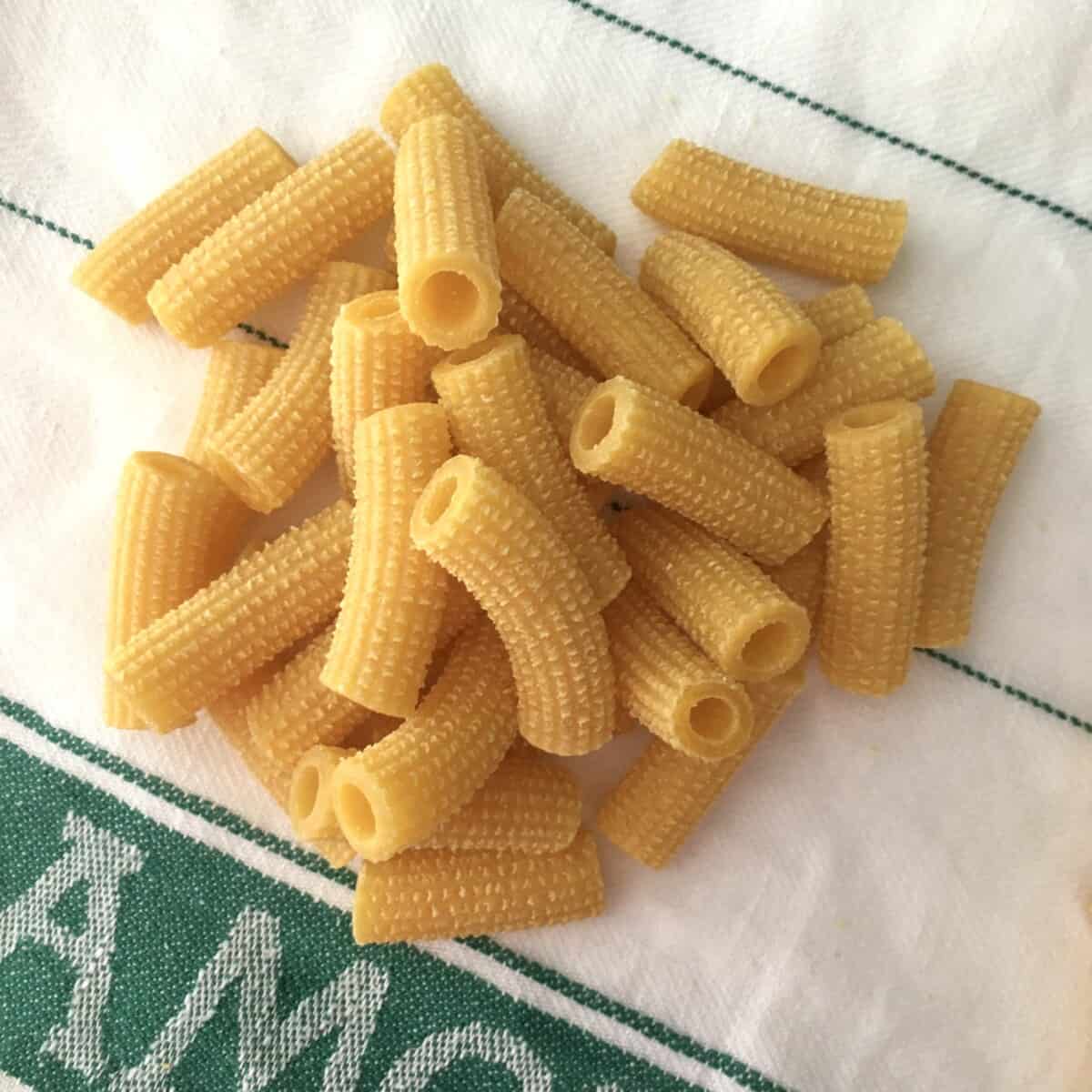
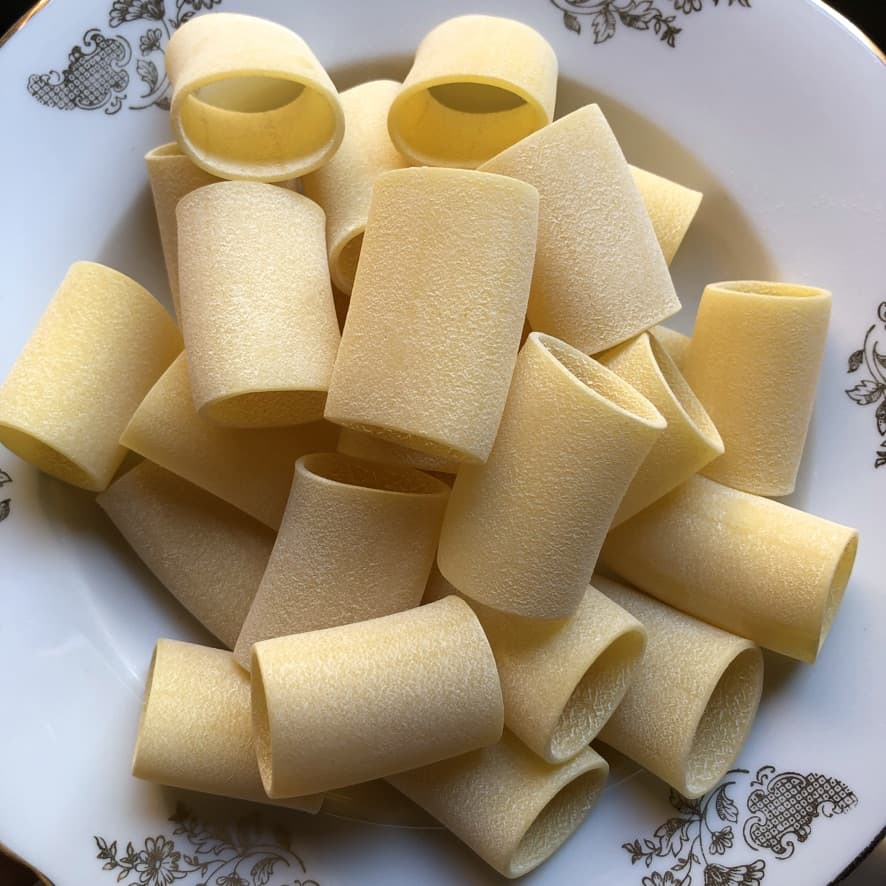
The best pasta to pair with Duck Ragù:
Fresh Egg Pasta:
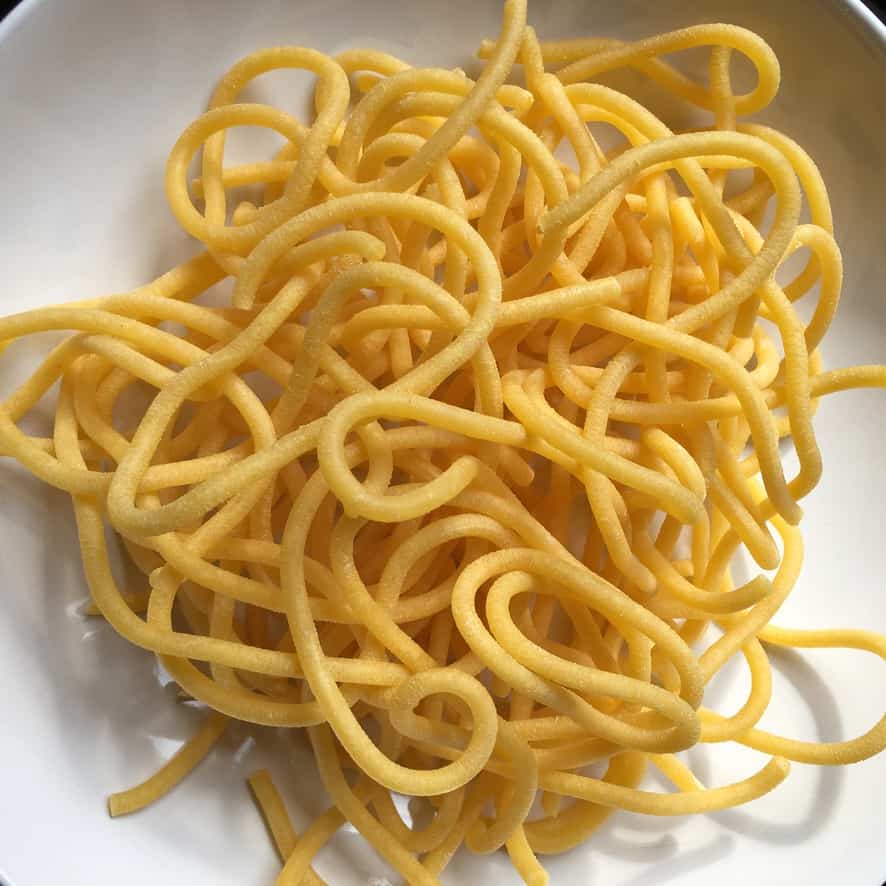
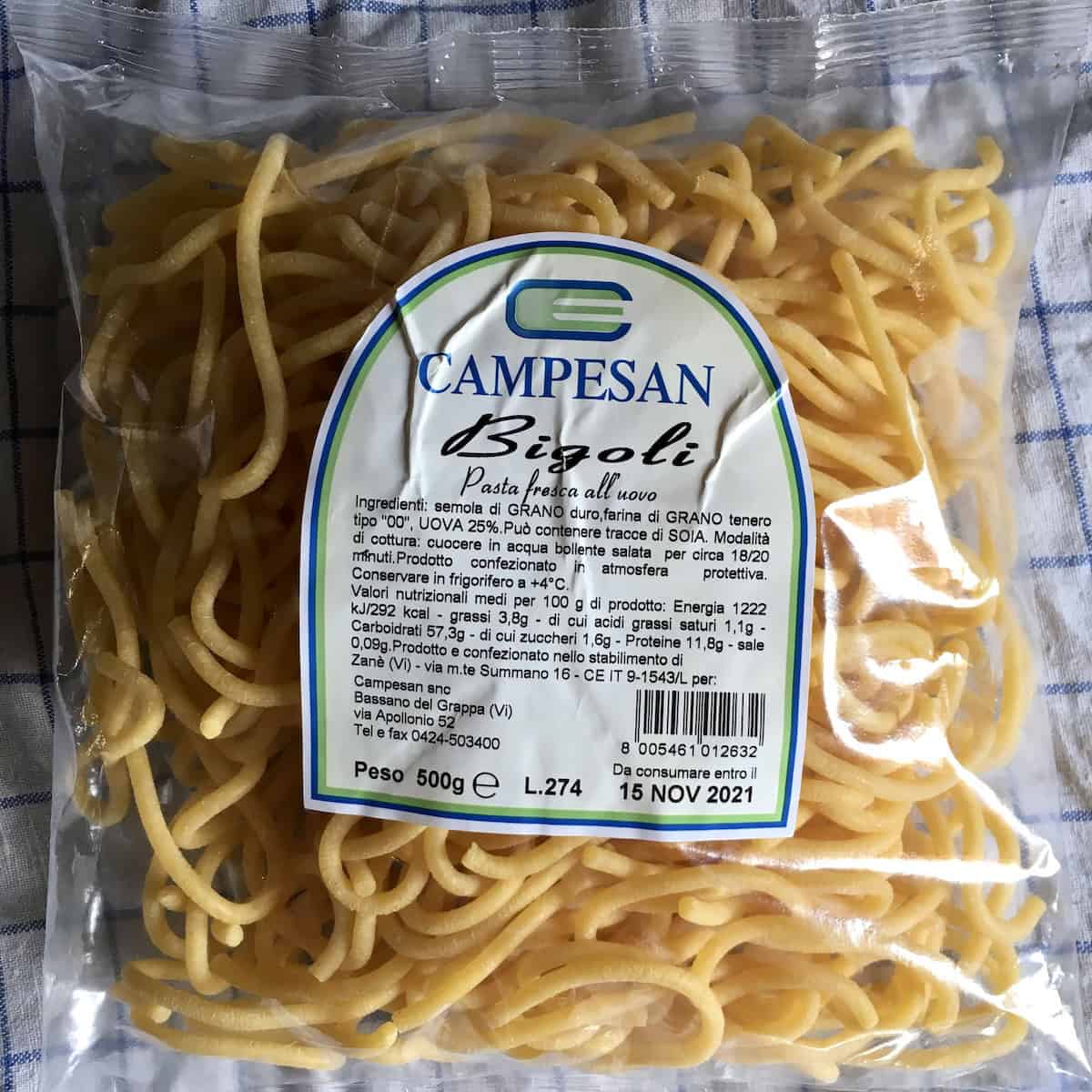
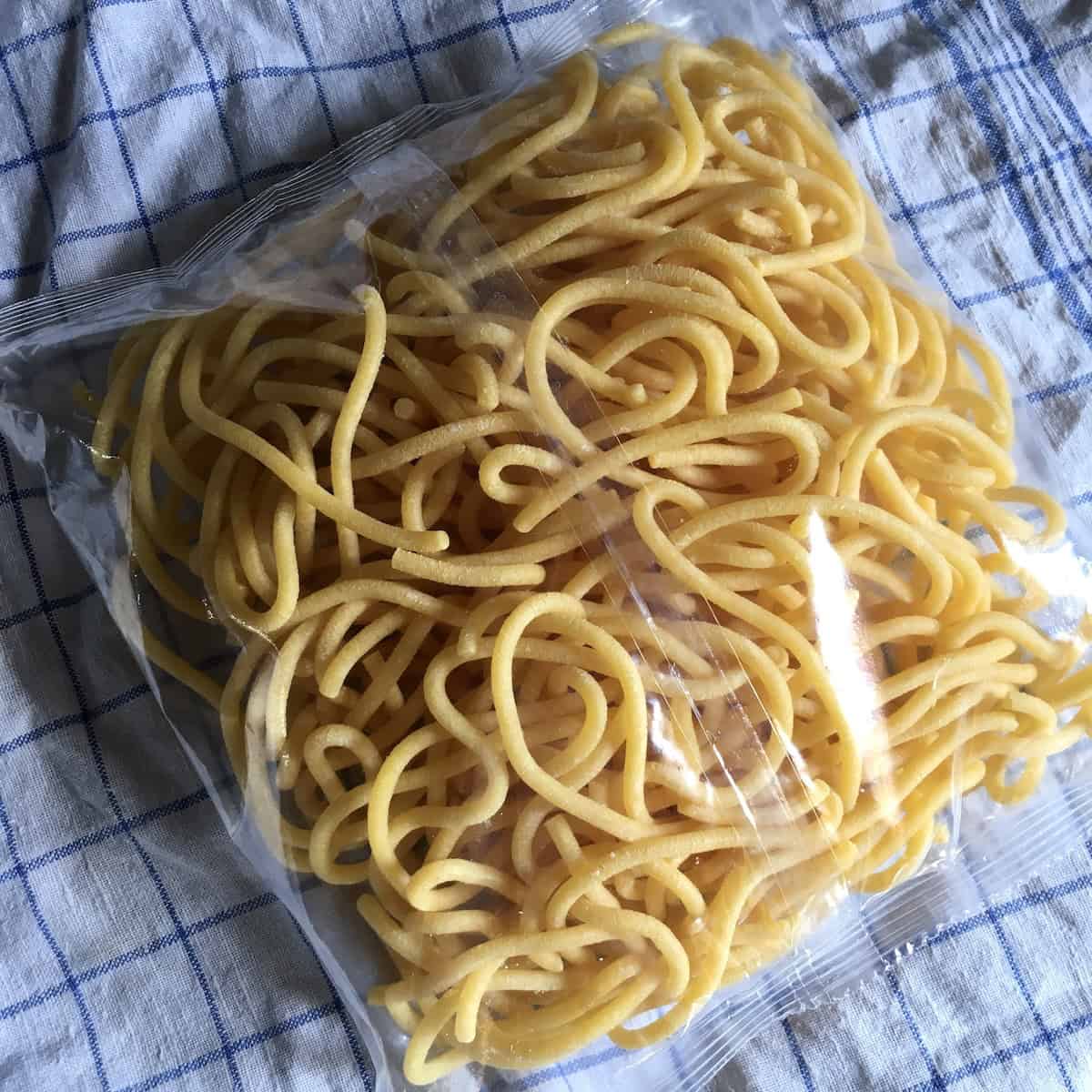
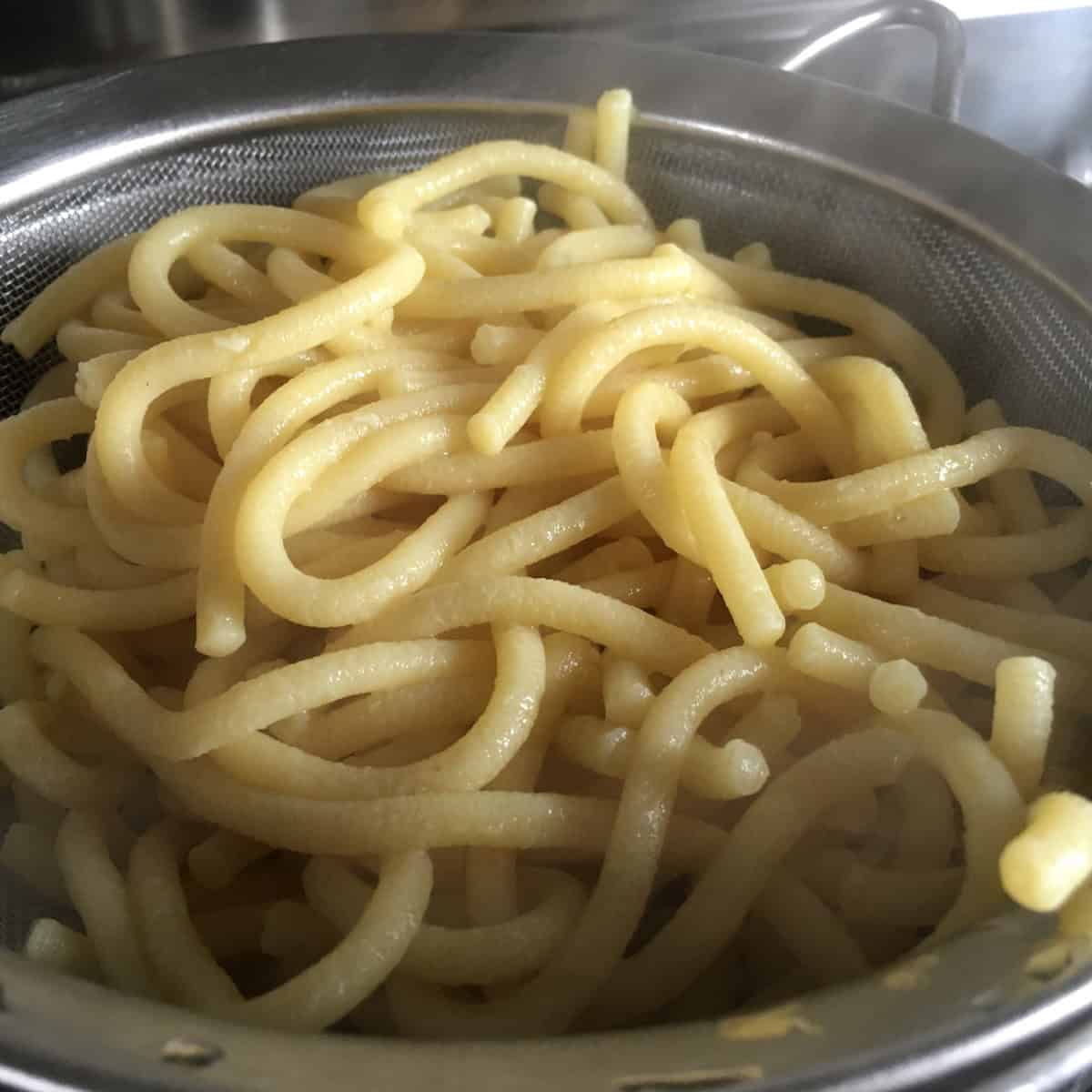
Bigoli pasta reigns supreme! The fat, chewy, porous fresh bigoli pasta (no, it's nothing like spaghetti at all!) is the traditional choice here in the Veneto. These thick, unctious strands soak up the rich duck sauce perfectly!
If you can't find fresh bigoli pasta where you live, substitute fresh ribbons of pappardelle or tagliatelle egg pasta. Both of these noodles are also traditionally eaten with this duck ragù, especially in regions outside of the Veneto, where you won't find bigoli being made.
I'm also a fan of the large Italian fresh egg macaroni, but that's also probably harder to find outside of Italy.
Regular Dried Semolina Pasta:
For dried pasta, rigatoni, mezze maniche, or paccheri all work wonderfully, but I can't recommend using spaghetti (please just don't).
Serve piping hot duck ragù pasta in your favorite pasta plates or bowls!

Garnishes & Finishing touches:
Grate aged 24-30 month Grana Padano or Parmigiano-Reggiano or over the top. A drizzle of your best extra virgin olive oil wouldn't hurt either. Keep it simple-the ragù is the star.

Wine Pairings for Duck Ragu
Duck ragù is rich and flavorful, so it's typically paired with equally robust red wines to match its intensity. Each of these reds also makes a perfect substitute for the white wine used in this recipe.
Here are the best pairings from the Veneto region:
Valpolicella Ripasso: My top choice. This wine's balance of ripe fruit, sweet spices, and smooth tannins complements the richness of duck ragù beautifully. It's aged about 15 months in large barrels, giving it a slightly toasted, woody profile with dried flowers, jammy fruit, and plenty of sweet spices. Elegant and perfect for this dish.
Raboso: A typical Veneto wine with high acidity and firm tannins that cuts through the duck's richness. You'll get evolved notes of fruit in alcohol, sweet spices, tobacco, and damp earth. Full-bodied, warm, and intense-it stands up to the rustic flavors of duck ragù like a champ.
Bardolino Superiore: Lighter than the others but still harmonious. Fresh and fruity with notes of raspberry, strawberry, red flowers, and light mineral touches. It has lovely smoothness and complexity without overpowering the dish-perfect if you want something less demanding but still delicious.
Amarone della Valpolicella: Good Amarones can be quite expensive, so you may want to save it for special occasions. This powerful, concentrated wine can handle the richest duck ragù. The dried grape flavors and velvety texture make it a more luxurious pairing.
For white wine lovers: Try a full-bodied Soave Classico. Its richness and subtle almond notes surprisingly complement duck ragù without fighting for attention or being completely overwhelmed by it.

Top Tips For Making Duck Ragù at Home
- Good browning (fond): Build that fond for maximum flavor. Whether you're using ground duck (like this recipe) or braising whole duck legs and breasts to shred, proper browning is everything. For ground duck, break it apart and cook until it develops those crispy, caramelized bits on the pot bottom-that fond is pure flavor that gets unlocked when you deglaze with wine. For whole duck pieces, brown them well on all sides until the skin is super golden and crispy before braising. No matter which method you use, don't rush the browning step.
- Don't be intimidated by the spices: The cinnamon, nutmeg, and cloves might seem unusual, but they're traditional to Venetian duck ragù. When I first tried this at a local trattoria, I immediately told Luca, "This tastes like Thanksgiving!" but you can't pinpoint exactly what you're tasting. The warm spices add subtle depth without being obvious-trust the tradition.
- Ground duck vs duck legs - both work: Ground duck is more traditional here and what I prefer. But I'm sure shredded duck will be equally delicious, just a different mouthfeel. Choose based on your time and what's available at your butcher.
- Give it the full simmer time: This ragù needs a total of 2-3 hours of cooking and gentle simmering to develop the rich, complex flavors we get at our favorite local restaurants. You can't rush duck ragù-the long, slow cook is what makes it special. Use this time to sip wine and enjoy the aromas filling your kitchen.
- Low and slow wins: Keep the simmer gentle. Aggressive boiling can make the meat tough and cook off liquids too fast. You want gentle bubbles, barely breaking the surface.
- A little added pasta cooking water is essential: After cooking bigoli or pappardelle, reserve some of the starchy cooking water. Add a little of it gradually when tossing the pasta with ragù-this creates the glossy, cohesive sauce that clings to every strand, just like they do it at trattorias here.
- Taste as you go: The ragù should be deeply flavorful and well-seasoned. Adjust salt, pepper, and spices throughout cooking, but avoid adding too much salt in the beginning so your concentrated ragù isn't overly salty as it reduces.
- Make it ahead: This ragù is even better the next day. The flavors meld and deepen overnight. Make a double batch and freeze half. You can thank me later!🤗
Sugo vs Ragù: What's the Difference
There's often confusion about what makes a sauce a "ragù" versus a "sugo," which I talk a bit about in my authentic Bolognese Ragû post. But here's the gist of it to help clear up any confusion.
This is based on the knowledge I've gained from living in Italy, which includes my Italian family here who have been making sugos and ragùs for longer than I've been alive.


Ragù is a meat-focused sauce where the meat is the star. It's slow-braised for hours until deeply flavorful and tender, with typically minimal tomato (if any). The long cooking time breaks down tough cuts of meat and concentrates flavors.
Think Bolognese or this duck ragù-the sauce is rich, thick, and clings to pasta because of the meat, not tomato. Ragù comes from the French "ragoût," meaning a stew, which makes perfect sense!
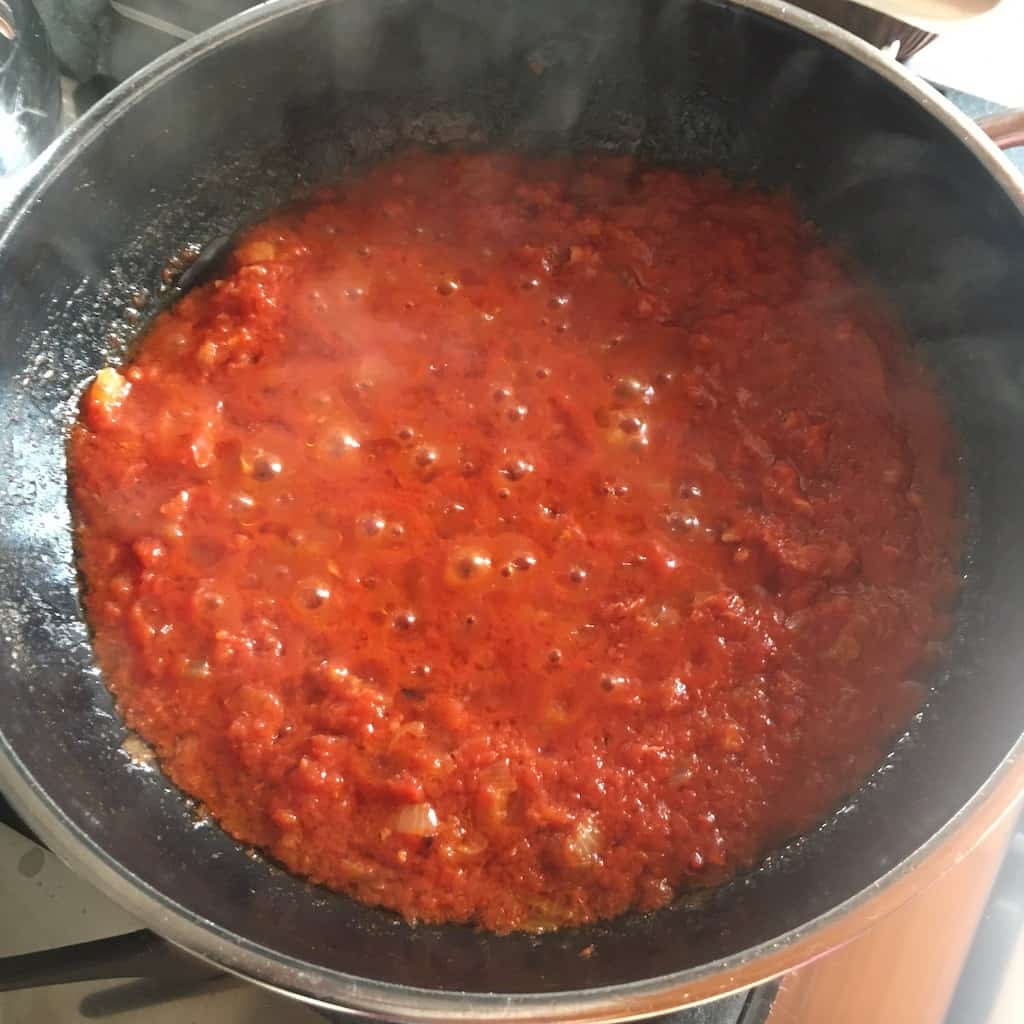

Sugo is a common Italian word for "sauce" and most often refers to sugo di pomodoro (tomato sauce). It's typically a tomato-based sauce where vegetables and/or meat play a supporting role for flavor, but tomatoes are the foundation.
It cooks faster (usually 30 minutes and occasionally up to 2 hours) and has a saucier, runnier consistency. Examples include classic tomato sauce or Sunday gravy with meatballs-the meat adds flavor, but tomatoes dominate.
Duck ragù specifically is a ragù, not a sugo (although there are authentic recipes for duck sugo). While some versions (including many of the Tuscan duck ragù recipes) include tomato paste for depth, the duck is the star.
It's slow-simmered for hours until super tender and the sauce is thick and meaty. This traditional Veneto version contains no tomato, relying on the duck's richness, white or red wine, and aromatics for flavor.
Classic Italian Duck Ragù FAQ's
Soffrito is the Italian word for "under-fried" or "fried slowly". It's the process of gently cooking diced vegetables (usually onions, carrots, and celery) in olive oil until soft (not browned) and the flavors are released. It's similar to the French "mirepoix," which also uses onions, carrots, and celery but uses butter instead of olive oil to fry them in.
Yes! You can substitute the fresh sage for ground or rubbed sage, but keep in mind dried sage is more concentrated in flavor than fresh sage leaves.
Furthermore, dried ground sage is more potent than dried rubbed sage (which is the fluffy and soft one). Overall, fresh sage is more flavorful than any dried variety and retains its natural oils. Which is why I like to use both fresh and freshly dried homemade rubbed sage in this duck ragù recipe. See the recipe notes section for sage equivalents and substitutions.
Yes! You can use duck breast and duck legs in this recipe. Just use equal amounts as called for in the recipe (or close to it). You may need to use more or less olive oil if your ragù seems dry or isn't fatty enough. If you can get ground duck meat from your local butcher, even better. Ground duck is readily available in all the supermarkets here in Italy, but you may have to seek out a specialty shop in your area.
Most likely, you won't easily find fresh egg bigoli pasta for sale in the United States (or anywhere outside of Italy), but pappardelle and tagliatelle egg pasta are also traditionally used in this specialty pasta. Freshly made Italian-style large macaroni is also great.
All of these pasta shapes are incredibly delicious paired with this ragû. The best non-egg pasta varieties (aka regular semolina pasta) for duck ragû are rigatoni, mezze maniche, and paccheri pasta.
Venetian duck ragù is a slow-simmered Northern Italian pasta sauce made with ground duck or duck legs & breasts, aromatic vegetables (soffrito), wine, warm spices like cinnamon and nutmeg, duck or chicken stock, and milk. It originated in the Veneto region of Northeast Italy and is traditionally served with bigoli or pappardelle pasta. Unlike tomato-heavy sauces, this ragù is meat-focused with no (or minimal) tomato, creating a rich, deeply savory sauce.
Duck ragù is rich and deeply savory with complex layers from the warm spices and wine. To me, this recipe tastes like Thanksgiving in pasta form-that comforting, aromatic quality you can't quite pinpoint, but can't stop eating! The duck is tender and flavorful without being heavy, and the sauce is velvety and incredibly satisfying.
Duck ragù keeps well in an airtight container in the refrigerator for up to 4 days. The flavors actually improve overnight, making it perfect for meal prep. Reheat gently on the stovetop over medium-low heat, adding a splash of stock if it's too thick. After day two, I usually just portion and freeze it.
Yes, and you absolutely should! Duck ragù freezes beautifully for up to 6 months when stored properly. Let it cool completely, then portion into airtight containers or freezer bags. Thaw overnight in the refrigerator and reheat slowly on the stovetop. Do not freeze the pasta with the sauce-freeze the sauce separately and cook fresh pasta when ready to serve.
Serve duck ragù with a medium-bodied red wine from the Veneto region like Valpolicella Ripasso or Amarone. These wines have the acidity and fruit notes to balance the rich duck without overpowering it. If you prefer white wine, try a full-bodied Soave Classico, which works well enough and complements the dish without being completely overtaken by the ragù. For cooking, it's less important what type of wine you choose to use. Use one of these reds, or use a dry white wine like Soave, Pinot Grigio, or Sauvignon Blanc.
If your ragù is too thin, simmer it uncovered for the last 30-45 minutes to let excess liquid evaporate. If it's too thick, stir in a splash of stock or pasta cooking water until you reach the desired consistency. The ragù should be thick and meaty, not soupy, but still coat the pasta easily.
Duck ragù is meat-focused with minimal or no tomato (like this recipe), slow-cooked for 2-3 hours until the duck is fall-apart tender. The meat is the star. Duck sugo is primarily tomato-based with duck added for flavor, cooked for less time (usually under 2 hours), and has a saucier consistency. Ragù is thicker and meatier; sugo is lighter and more tomato-forward. This recipe is a traditional ragù.
Duck ragù (Ragù d'Anatra or Ragù d'Arna in Venetian dialect) originated in the Veneto region of Northeast Italy, particularly around Venice and the surrounding cities. The tradition comes from the abundance of ducks in the Venetian lagoon and Po River delta. It's still a beloved local specialty, though not as well-known outside Italy as Bolognese ragù.
The warm spices (cinnamon, nutmeg, cloves) are traditional in Venetian duck ragù, reflecting historical spice trade influences from when Venice was a major trading port. In the best duck ragù, they add subtle depth without being obvious-you taste richness and complexity, not "cinnamon" or "cloves" directly. That said, you can reduce them if you prefer. Start with half the amount and adjust to taste. These spices make the dish special and authentic.
You can omit the milk for a dairy-free version. Milk adds richness and helps tenderize the meat during the slow cook, but it's not absolutely essential. If you skip it, add a bit more stock to compensate for the lost liquid. The ragù will taste different and be less creamy but still delicious and deeply flavorful.
Duck ragù uses duck and spices, instead of beef/pork, creating a completely different flavor that's not comparable in any way to Bolognese ragù. It often includes warm spices like cinnamon and a single clove, which aren't traditional in Bolognese sauce. Venetian duck ragù often uses white wine instead of red, and all of our local versions here in NE Italy contain no tomato at all. The cooking process is similar (slow-braising), but the flavor profile is distinctly different-both are rich and aromatic.
The ragù is done when the sauce has thickened up and not a lot of liquid remains. The flavors will have melded-it should taste rich, complex, and balanced, not like separate ingredients. This usually takes 2-3 hours of gentle simmering. Taste frequently in the last hour and adjust seasoning. When the final bit of starchy pasta water gets added to the ragù in the final stage, the ragù should be creamy enough to coat the back of a spoon (and your bigoli or pappardelle!)
Yes, wild duck works beautifully and adds even more complex, gamey flavor. Note that wild duck is leaner and can be tougher than domestic duck, so you may need to simmer it longer (3-4 hours) and add a bit more milk for extra tenderness. The flavor will be more intense, which some people love. Adjust cooking time based on the size and age of the bird.
What Makes Venetian Duck Ragu Special
Living here in the Veneto has taught me that this isn't just another pasta sauce-it's a reflection of Venetian history and culture. When Luca first took me to try bigoli with duck ragù at a local trattoria, I immediately understood why this dish is beloved by everyone here.
The warm (incredibly subtle, but necessary) spices (cinnamon, nutmeg, cloves) aren't random additions-they're a direct link to Venice's history as a major spice trading port during the Ottoman Empire.
The architectural influences you see all over the city from that era carry through to the food. These spices add subtle complexity without being obvious, but never obnoxious. You taste warmth and depth, not directly "cinnamon" or "clove."
Duck was abundant in the Venetian lagoon and Po River delta, making it a practical choice for local cooks. Combined with the region's love for bigoli (those fat, chewy egg noodles made with a traditional bronze press), you get a dish that's uniquely Venetian.
The meaty, herbaceous, sage-filled ragù clinging to porous pasta is as good as pasta gets in Italy, but with this recipe, you really can replicate it at home!
We've eaten this dish at our favorite local trattorias countless times. We've also bought artisanal duck ragù from a nationally award-winning specialty shop here in the Veneto and compared it side-by-side with homemade versions.
This recipe captures what makes the best versions so special-the balance of rich duck, aromatic vegetables, warm spices, and just enough acidity from white wine to keep it from feeling heavy.
More Authentic Sauces and Italian Ragû Recipes


More Delicious Pasta Recipes to Make
Here are a few of our favorite pasta dishes that we think you might also enjoy.
- Shrimp Pasta with Spicy Tomato-Cream Sauce (Tomato-Alfredo)
- Italian Ham & Asparagus Lasagna w/Asparagus Bechamel
- Easy Baked Ziti with Beef Ragù (from Scratch)
- Authentic Bolognese Sauce (Ragù alla Bolognese)
- Italian Ham & Mozzarella Lasagna (Lasagna di Prosciutto Cotto e Mozzarella)
- Easy Crab Linguine (Linguine Nero di Seppia al Granchio Blu)
- Authentic Italian Tortellini (Tortellini in Brodo)
- The Best Spaghetti Sauce with Beef (Spaghetti con Ragù)
- Authentic Lasagna Bolognese Recipe (Lasagne alla Bolognese +Video)
- Amatriciana Recipe (Pasta Amatriciana with Guanciale or Pancetta)
- Spaghetti alla Carbonara (Cook Pasta Like A Roman)
- Tagliatelle al Ragù (Northern Italian Beef Ragù w/Pasta)




Let's get started!
Made this Recipe? We'd love for you to rate ⭐️ it and tell us how it went for you!
📖 Recipe
Duck Ragù Recipe (Northeast Italy-Style Bigoli d'Anatra)
- Total Time: 3 hours 30 minutes
- Yield: 6 to 8 servings depending on hunger level
Description
Bigoli with duck ragù is down-home regional Italian cooking at its best. This slow-cooked ragù made with duck, soffrito, garlic, herbs, spices, white wine, butter, stock, milk, and extra virgin olive oil all simmered to perfection and tossed with bigoli (pronounced Bee-go-lee) or pappardelle pasta. Don't want to de-bone a whole duck? Use duck breast or duck legs instead. No matter what, this pasta recipe is sure to impress.
Ingredients
- 3 ounces fresh bigoli egg pasta per person (80g)
- 1 lb 5 ounces duck meat from 1 whole duck, deboned and skin removed (610g)
- 2 ½ tablespoons unsalted butter (35g)
- 4 tablespoons extra virgin olive oil (55g)
- 1 tablespoon duck fat (13g)
- 12 fresh sage leaves, chopped (4g)
- 3 tablespoons + ½ teaspoon dried rubbed sage (about 20-25 whole dried sage leaves crumbled)
- leaves from 1 sprig of fresh rosemary, finely chopped
- ½ sprig freshly dried rosemary, crumbled (or just use more fresh rosemary)
- 2 ½ ounces carrot, diced (about 2 medium carrots) (65g)
- 3 ½ ounces yellow onion, diced (about 1 ½ medium onions) (100g)
- 1 medium celery stalk rib, diced (40g)
- 2 garlic cloves, smashed (8g)
- 1 dried bay leaf
- 1 teaspoon kosher salt, or to taste (6g)
- freshly cracked black pepper (30 turns on peppermill), or to taste
- 1 cup of homemade or store-bought duck stock or chicken stock
- 2 ounces dry white wine (pinot grigio, soave, etc.) (50g)
spice-infused milk ingredients
- 5 tablespoons whole milk (70g)
- a pinch of ground cinnamon
- 1 inch piece of cinnamon stick
- 1 clove
- freshly grated nutmeg (about 7-10 quick bursts on a Microplane grater)
 Get Recipe Ingredients
Instructions
- Clean and debone the duck. Break down the duck by cutting it down the center of the back and opening it up. Remove all of the skin and fat to a separate bowl. Using a boning knife (or another sharp knife) remove the meat from the bones and place it into the bowl of a food processor. Pulse the meat about 5-6 times, or until the meat is about the size of ground pork. Cover and refrigerate until ready to use. Reserve the bones to make duck stock.
- (Optional Step) Render the duck fat. In a large dutch oven or another heavy-bottomed pot, add the duck skin and excess duck fat in a single layer and turn the heat on to medium. Cook slowly over medium heat until the fat has completely rendered and the duck skin is crispy. Remove the crispy skin and pour the fat into a heat-proof container.
- Infuse the milk. In a small pot, heat the milk until just before boiling, add the pinch of cinnamon, cinnamon stick, clove, and a little freshly grated nutmeg. Allow the spices to steep in the milk while you proceed with the recipe. Strain the milk just before adding it to the ragù.
- Fry the herbs. In the same pot, add the olive oil, butter, 1 tablespoon of duck fat, chopped fresh sage leaves, chopped fresh rosemary, and garlic. Sautée until the sage and rosemary are crispy, and the garlic is just golden brown.
- Make the soffrito. Add the onions, carrots, celery, and ½ teaspoon salt. Stir the mixture to combine, cover with a lid, reduce heat to low, and cook stirring occasionally for about 10-12 minutes, or until vegetables are soft and translucent but not browned.
- Cook the ground duck. To the soffrito, add the ground duck, dried rubbled sage, dried rosemary, ½ teaspoon salt, and black pepper to taste. Stir to combine and cook over low heat covered for 15 minutes or until the bottom of the pan starts to reveal a fond (browned bits on bottom of pan).
- Deglaze the pan and simmer ragù. Add the white (or red) wine and simultaneously scrape the brown bits from the bottom of the pan using a wooden spoon as you stir the mixture. Cook for a couple of minutes to allow some of the alcohol to evaporate. Next, add the stock, strained milk, and a bay leaf. Bring the mixture to a boil, reduce to a simmer, cover, and cook for about 1 hour. Adjust seasonings, adding more salt and pepper if necessary. Remove the bay leaf after 1 hour of cooking so as not to overpower the dish. Return the lid, and continue cooking over low heat for another 40 to 60 minutes, or until the sauce has thickened into a ragù.
- Cook the pasta and finish the ragù. In lightly salted boiling water, cook pasta to al dente according to package instructions. At just about 3 minutes before noodles are cooked to al dente, ladle in approximately ¼ cup of starchy pasta cooking water to the ragù to help emulsify the sauce and better coat the noodles. Adjust seasonings, and add strained pasta to the sauce. Toss to combine and serve with freshly grated Grana Padano or Parmigiano cheese, and Enjoy!.
Notes
- You can add a little pancetta if you'd like to for extra flavor and fat.
- You can substitute different forms of sage if you don't have fresh sage (i.e. dried rubbed sage or ground sage). Just remember that ground sage will always be more potent than freshly dried sage leaves and dried rubbed sage. And fresh sage leaves will always be more flavorful. This is the reason I choose to use dried rubbed sage and fresh sage leaves (plus I grow it, so it's available year-round). See sage equivalents below.
- If you can't find freshly made bigoli egg pasta, substitute fresh (or dried) pappardelle egg pasta. Just be sure to look for egg pasta and not a regular semolina flour pasta. Egg pasta's consistency and sauce absorption ability are the perfect complement to this duck ragù. And whatever you do, don't use spaghetti noodles. Bigoli tastes and feels nothing like spaghetti, and it's not a good match for this ragù.
- You can use ground duck meat from your local butcher, to replace having to buy and debone a whole duck. You may also use duck breast and leg meat (or a combination of them both), if you can't find a whole duck or just don't want to break it down and debone it.
Sage Equivalents + Measurements
1 tablespoon chopped fresh sage = 1 teaspoon dried sage
12 fresh sage leaves = 1 teaspoon dried sage
12 fresh sage leaves = 1 teaspoon dried sage
- Prep Time: 1 hour
- Cook Time: 2 hours 30 minutes
- Category: Pasta
- Method: Slow-Simmered
- Cuisine: Italian
Nutrition
- Serving Size: ½ cup
- Calories: 240
- Sugar: 2g
- Sodium: 320mg
- Fat: 17g
- Saturated Fat: 6g
- Carbohydrates: 5g
- Fiber: 1g
- Protein: 15g
- Cholesterol: 60mg

Food Safety
- Cook duck to a minimum internal temperature of 165°F (74°C) to ensure it's safe to eat.
- Don't leave duck ragù at room temperature for more than 2 hours. Refrigerate promptly after cooking.
- Always store leftovers in airtight containers within 2 hours of cooking and consume within 4 days.
- When reheating, bring the ragù to a full simmer (165°F/74°C internal temperature) before serving.
- Thaw frozen ragù overnight in the refrigerator, never at room temperature.
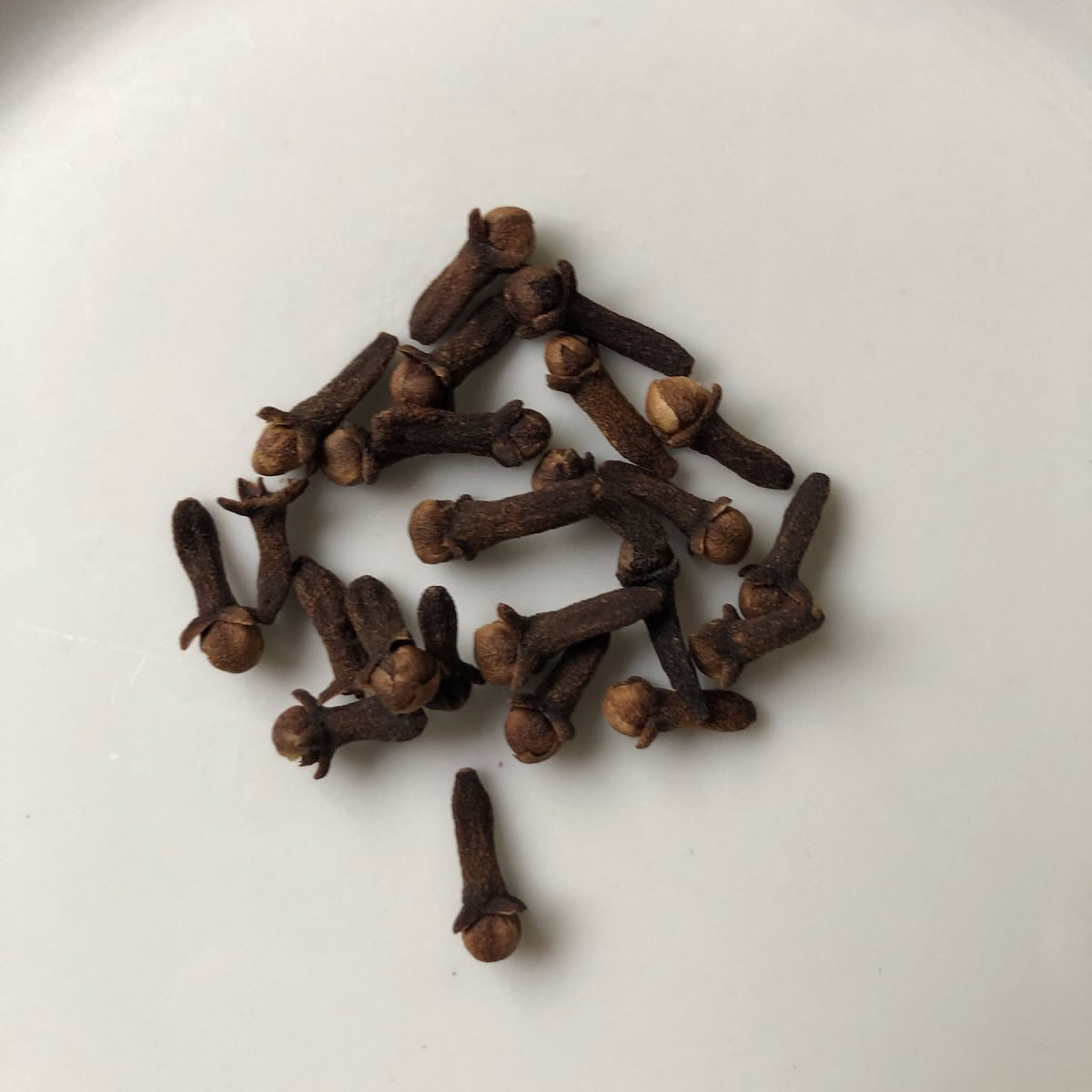
Cinnamon, Cloves & Freshly Grated Nutmeg are Spices Often Used in Northern Italian Cuisine
You might be thinking it's strange for savory Italian dishes to use cloves, cinnamon, or even nutmeg, but it's actually commonplace. Especially in the northeastern regions of Italy, where the influence of the great spice trade can still be seen (and tasted) today.
Duck ragù is thought to have originated in Venice, where the flavors and spices used in the dish reflect the influence of the Ottoman Empire. You can also see this influence in the architecture throughout the city. I have had some duck ragû in Venice that, to me, tasted overly spiced.
Not this recipe though🤗, it only uses a single clove a little cinnamon and nutmeg to mimic our favorite local restaurants and trattorie!
Duck ragù from this region (in its truest form) has no tomatoes in it. However, today many versions include small amounts of tomato paste or tomato purée, but always in moderation to the ratio of duck meat.
In our immediate area, I've never seen tomatoes added to duck ragù, but it can also be really tasty.
Fun Facts About Bigoli with Duck Ragù
Bigoli's humble beginnings: Bigoli (or "bigoi" in Venetian dialect) started as simple countryside pasta made with wholemeal flour, eggs, and water. What makes it special is the traditional bronze press-called a bigolaro-that extrudes the dough, creating those characteristically thick, rough strands with a porous surface that grabs onto rich sauces like duck ragù. The texture is nothing like smooth, delicate pasta-it's chewy, substantial, and meant to soak up every bit of sauce.
Duck ragù's countryside roots: This dish comes from Veneto's agricultural traditions, where families raised ducks in their courtyards for their flavorful, rich meat. Duck was more accessible than beef or veal for rural families, making duck ragù a practical yet celebratory dish. The long, slow simmering transformed humble duck into something extraordinary-a tradition that continues at trattorias throughout the region today.
Not just for duck: While duck ragù is beloved, bigoli are incredibly versatile. Here in the Veneto, you'll also find them served with bigoli in salsa (sardines and onions), bigoli with herring, or various meat sauces. Each pairing celebrates the pasta's ability to hold up to bold, assertive flavors.
A dish for celebration: Traditionally, bigoli with duck ragù was reserved for holidays, family gatherings, and special occasions-not everyday weeknight cooking. It symbolized abundance, celebration, and the time to gather around the table. That tradition continues, though now you can find it year-round at local trattorias and osterias throughout the Veneto.
Festival dedicated to bigoli: The Veneto region takes its bigoli seriously-there are actual local festivals here celebrating this pasta! Throughout the year, various towns host sagre (food festivals) where you can taste bigoli prepared in countless traditional variations. These festivals are boisterous, crowded, and full of locals who take their pasta very seriously. If you're ever in the Veneto, check local listings for bigoli festivals-they're a blast.



Jim says
Never would've thought to prepare duck this way - outstanding!