

If you love paper-thin chewy wontons, potstickers, or even those delicious crispy fried wonton strips in your favorite egg drop soup, you'll want to make this homemade wonton wrapper recipe. Not only is this recipe easy, but it's made using just flour, egg, salt, and water.
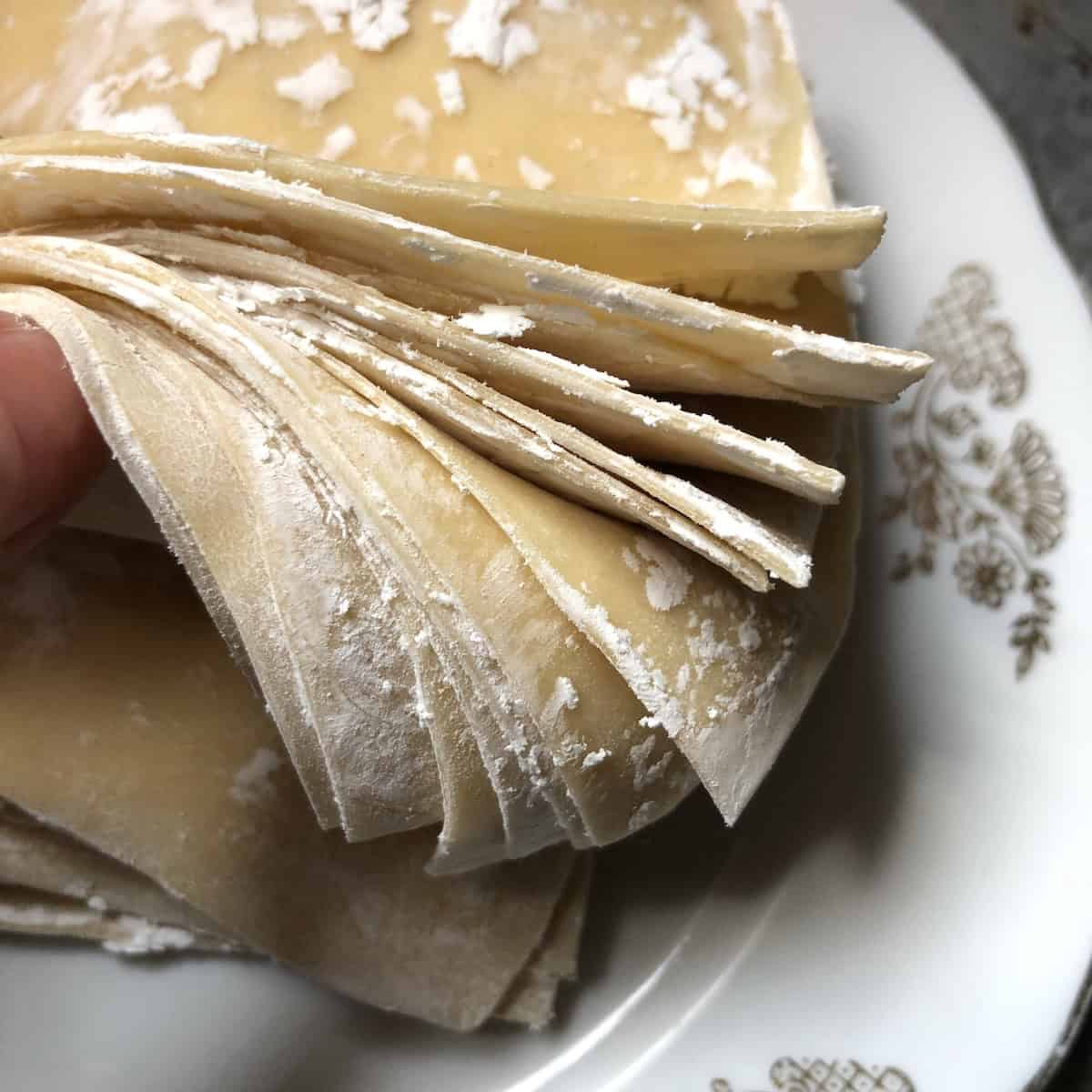
Seriously, when you see just how easy it is to make homemade wonton wrappers, you'll never again be disappointed when your local grocery store runs out (or just doesn't carry them). With just a few easy steps, you'll be filling these chewy, tender wrappers with anything you want.
GOOD TO KNOW: This all-purpose flour version is the one most people reach for, since it uses pantry staples you probably already have. If you keep bread flour on hand, there's also a bread flour wonton dough variation further down the post that I personally prefer for its sturdier, easier-to-roll texture. Both work great, so use the recipe based on whichever flour you've got.🤗
Jump to:
- What are Chinese Wontons?
- Why You'll Love This Homemade Wonton Wrapper Recipe
- Dumplings vs. Wontons - What's the Difference
- How are Wontons different from Dumplings?
- Homemade Chinese Wonton Wrapper Ingredients
- How to Make Homemade Wonton Wrappers from Scratch Step-by-Step
- Bread Flour Variation
- How to Store and Freeze Homemade Wonton Wrappers
- How To Fill and Shape Homemade Wonton Wrappers
- How to Make Fun Wonton Wrapper Shapes with Cookie Cutters
- How to Use Homemade Wonton Wrappers (with Photos)
- FAQs
- Recipes to Use Homemade Wonton Wrappers Plus More Tasty Dim Sum Dishes
- 📖 Recipe
- Food Safety

What are Chinese Wontons?
I'm sure most of you have seen the packages of square wonton wrappers for sale in the refrigerated section of your local grocery store or Asian grocery store.
They're so quick and convenient to use when you're in the mood for homemade Chinese food. I love these premade wrappers, but like most of you, I've been in a situation where the grocery store was out of stock or didn't sell them at all.
Which is a bummer when you're really craving Chinese food and have no good takeout options. Making homemade wonton wrappers is not only necessary sometimes, but they also taste really good.
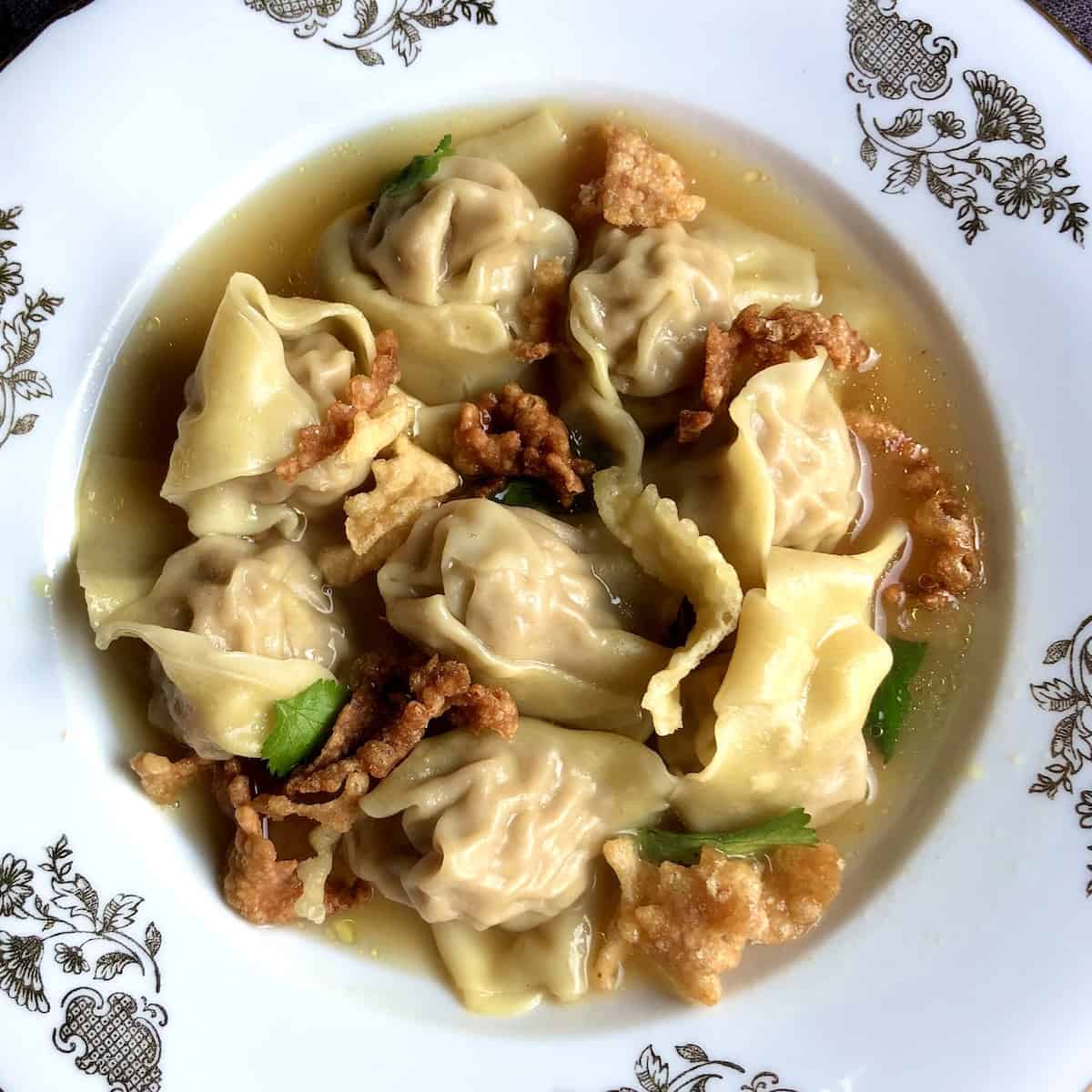
Wontons are a style of dumpling that typically uses a square-shaped wrapper to enclose a meat or vegetable filling. Sometimes they include egg (which gives them a slight yellow hue, like in this recipe).
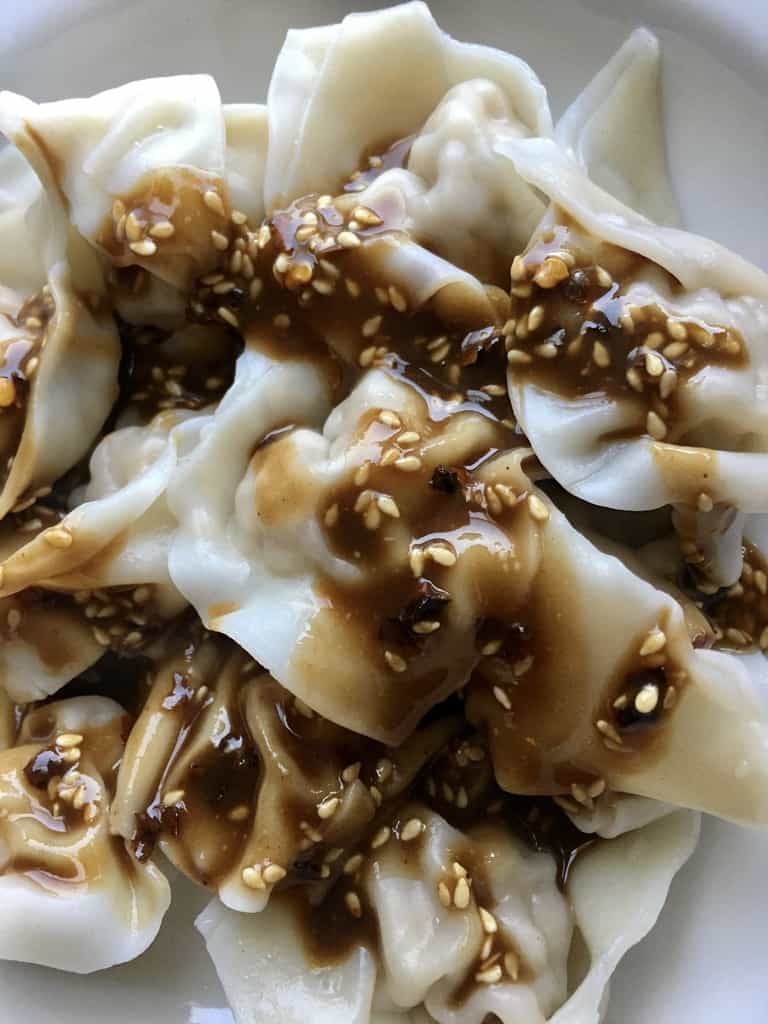
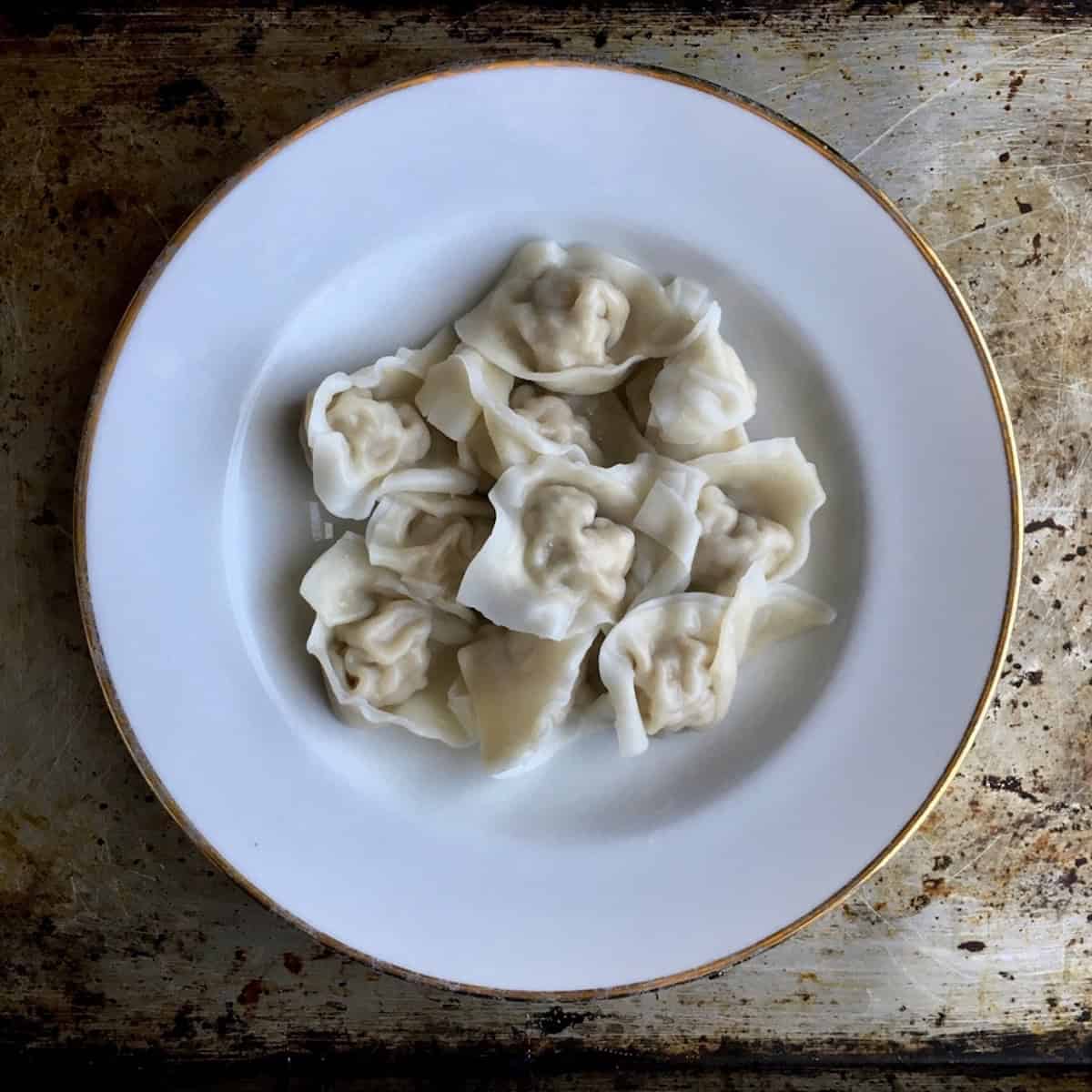
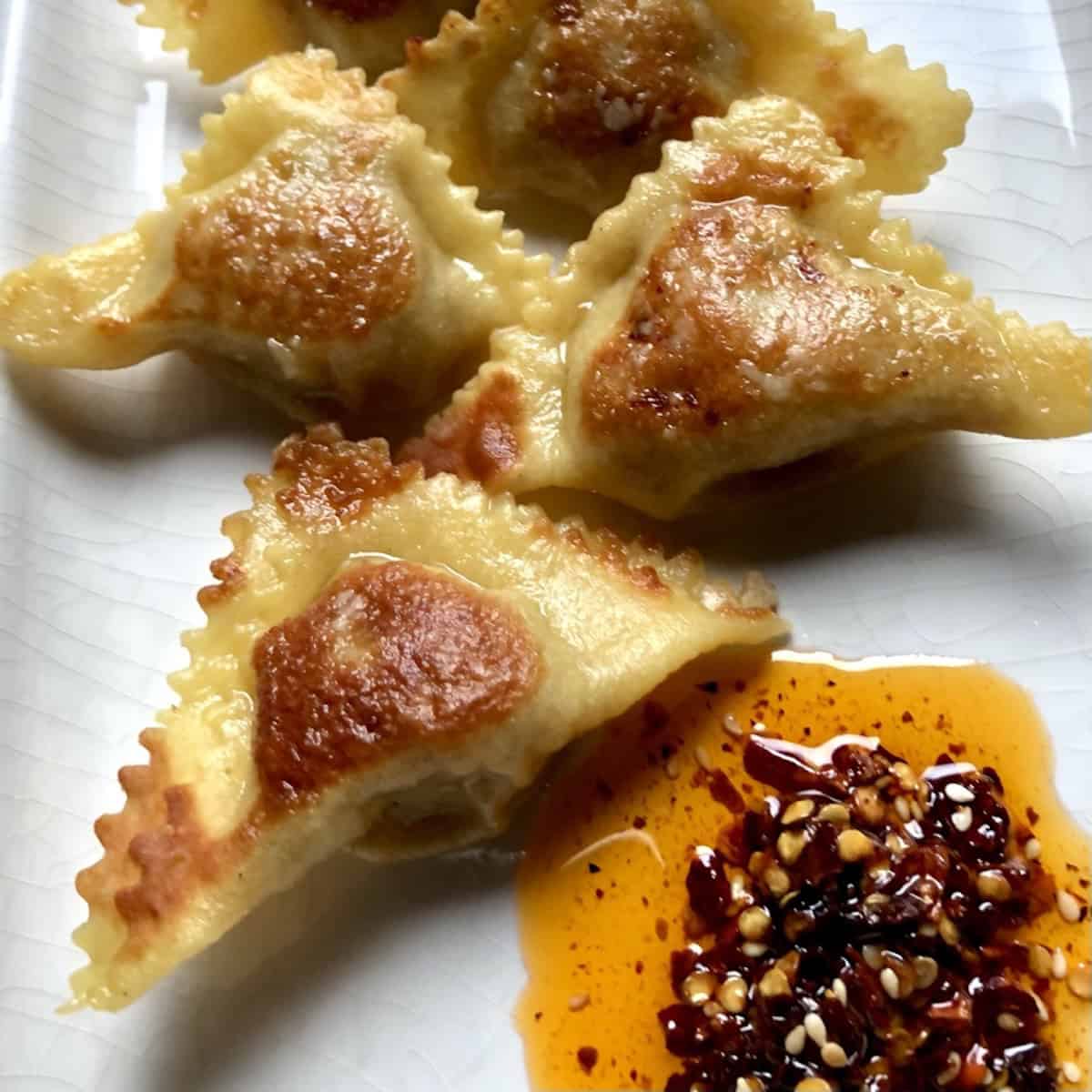
They're steamed, boiled, or fried (think crispy wonton strips in egg drop soup). In the Sichuan province where I lived for 4 years, wontons are often served on top of heaping spoonfuls of spicy wonton sauce, and then gently tossed to coat (see photos below) - this is my absolute favorite way to eat wontons.
Why You'll Love This Homemade Wonton Wrapper Recipe
- Makes deliciously tender and silky wontons
- You can make them as thin or as thick as you like
- The egg in the dough adds richness and flavor
- No special flour needed (this recipe uses regular all-purpose flour)
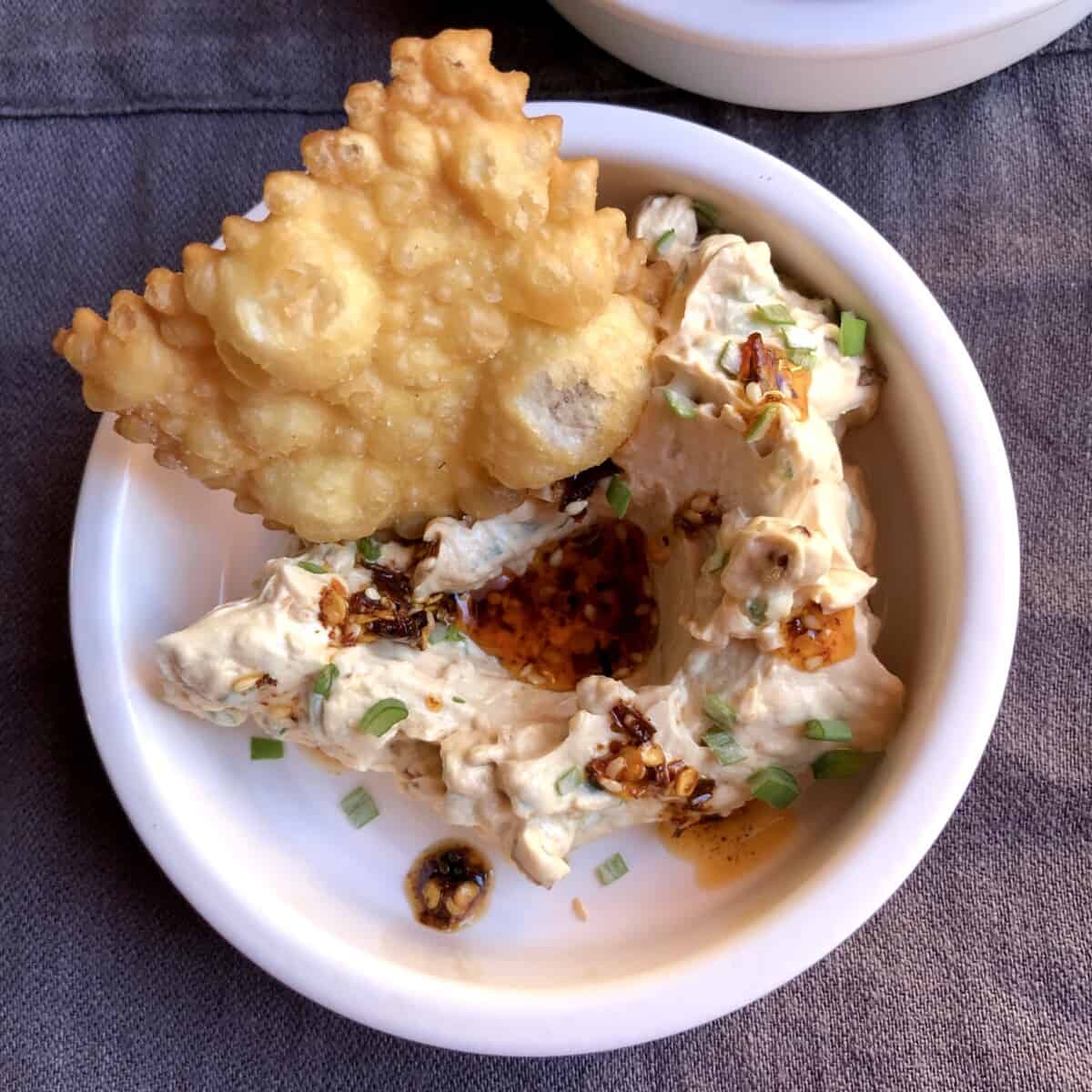
- Use them to make potstickers, beggar's purses, fried or boiled wontons, or as wonton chips for Sichuan chili crisp cream cheese dip
- Uses flour, egg, salt, and water (how easy is that?)
- Easy to make and roll out using a regular rolling pin (no pasta machine needed)
Dumplings vs. Wontons - What's the Difference

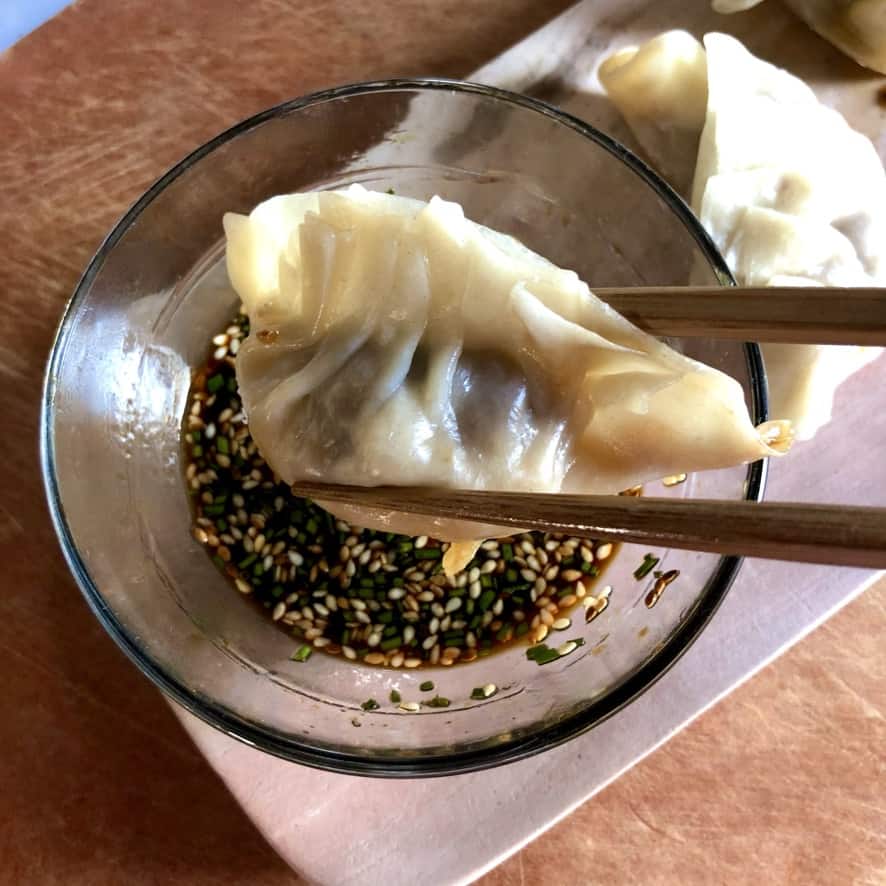
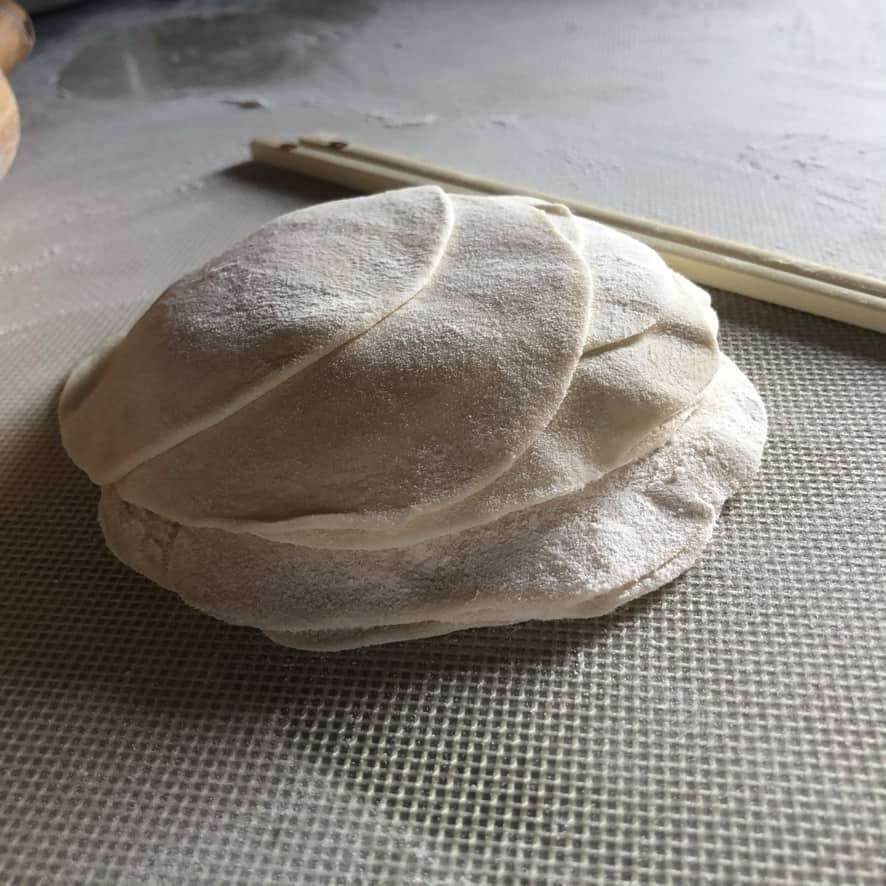
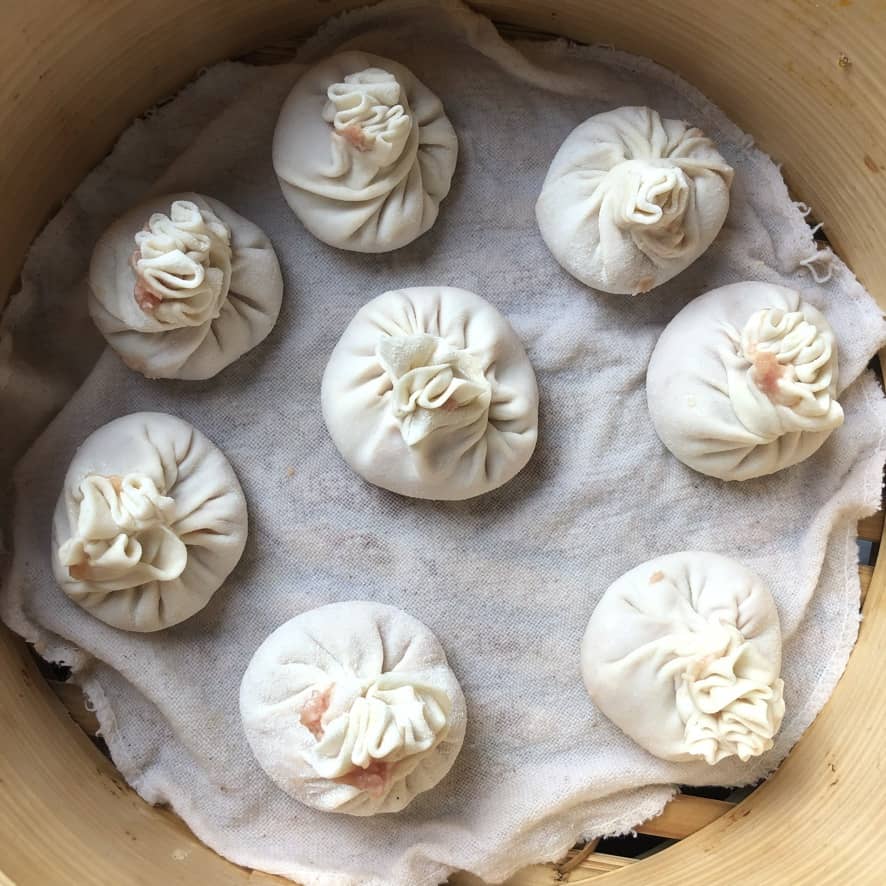
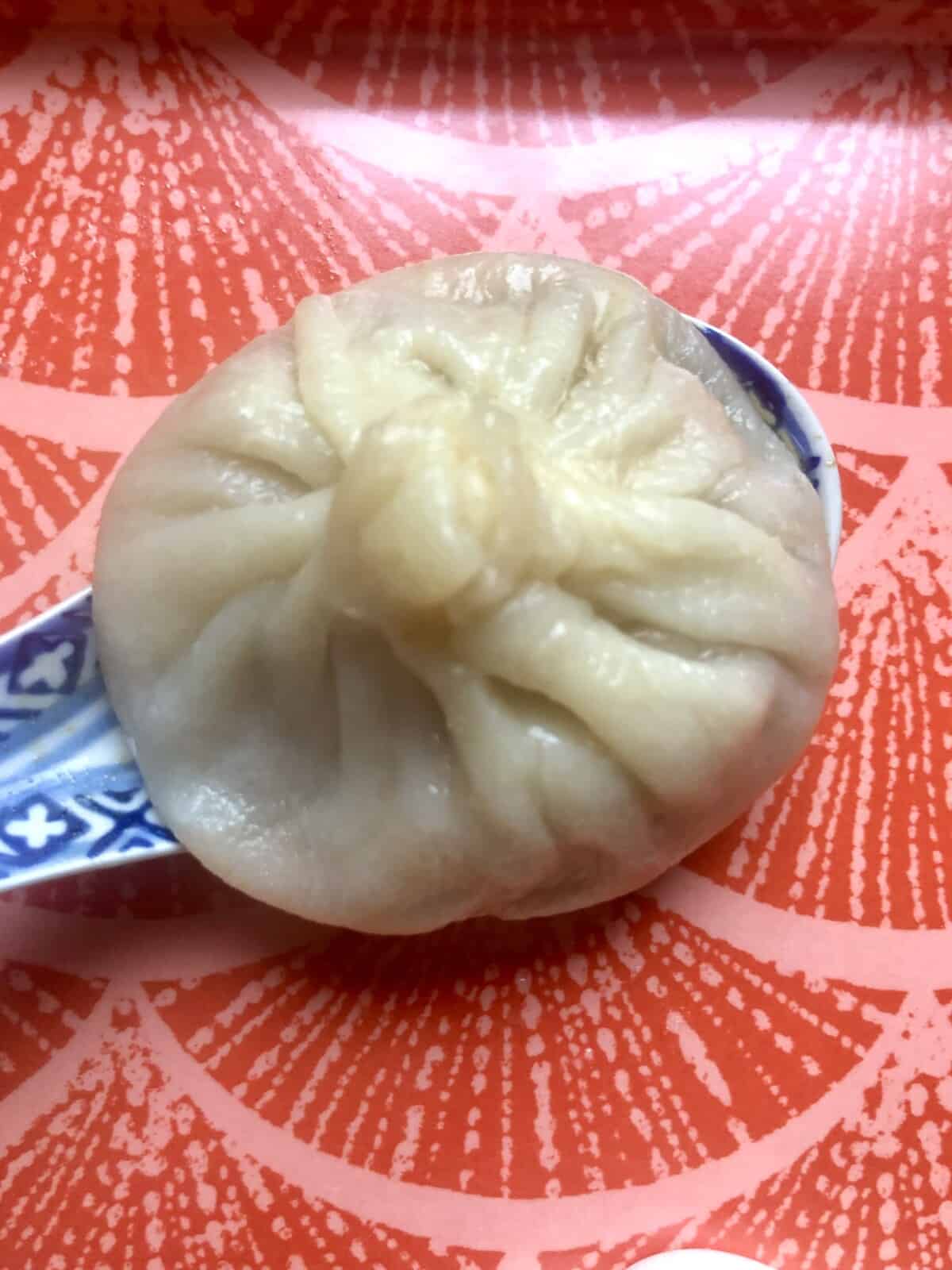
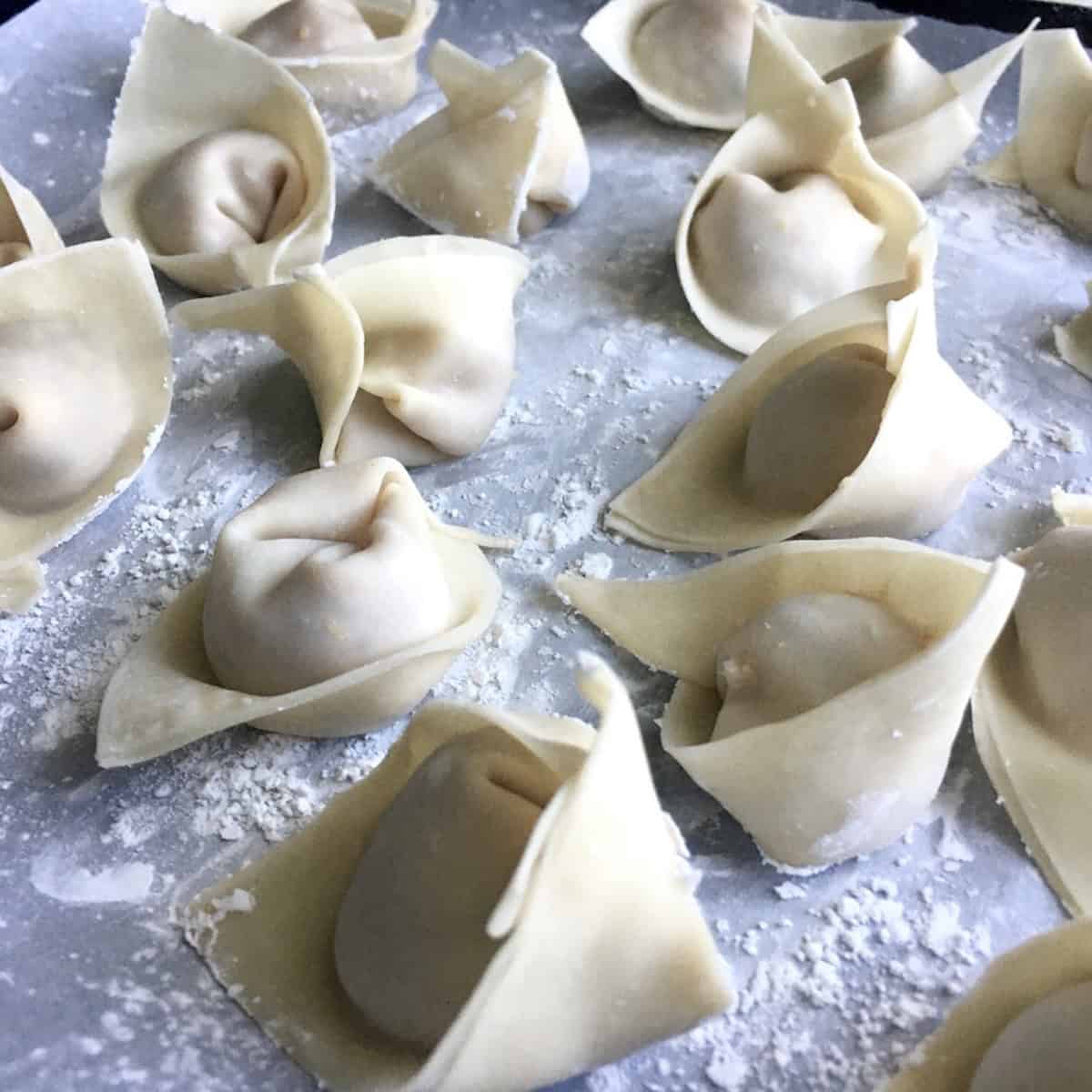

HINT: Prefer bread flour? There's a bread flour wonton dough variation below that I personally reach for. You can't go wrong with this all-purpose version, though, especially when bread flour isn't in your pantry.
How are Wontons different from Dumplings?
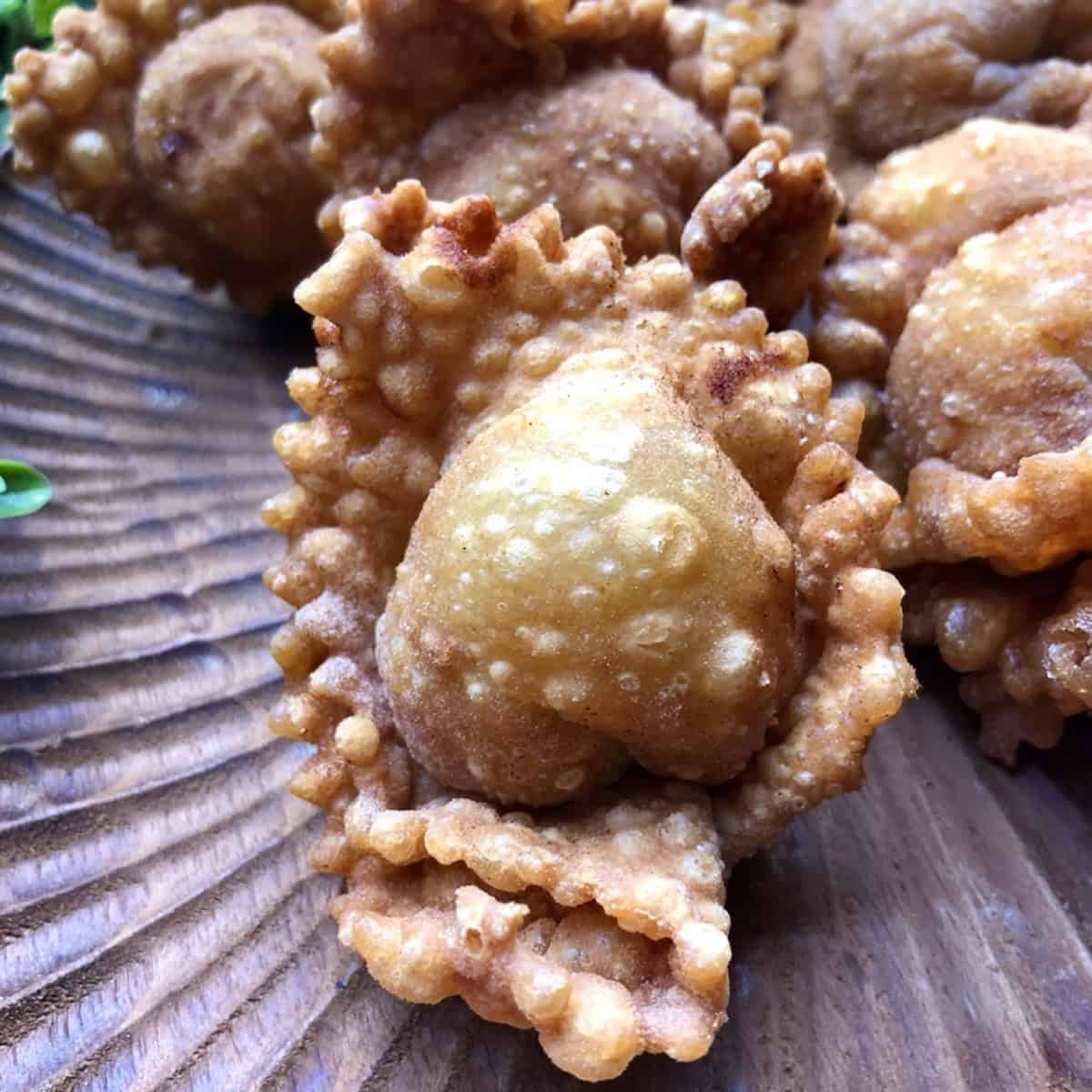
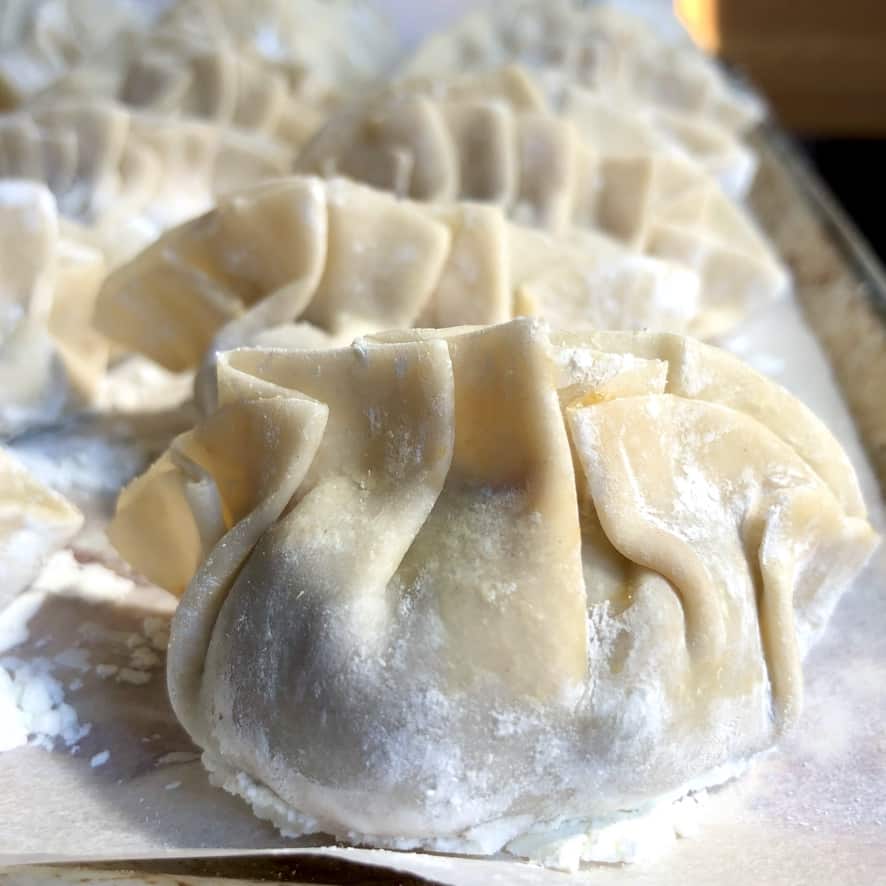
There are several key (important) differences between typical Chinese wontons and dumplings, and it's not just their shape, as you can see in the photos (above).
The obvious difference is, of course, the shape. Dumplings are typically formed using round wrappers, and wontons using square wrappers. But there's a little more to it than that. Here are a few important factors that set these two styles of wrappers apart.
Ingredients
Standard dumpling dough is typically made using just 2 ingredients: flour and water (sometimes a little salt is added). And wonton dough is often made with the addition of eggs.
Thickness & Texture
Dumpling wrappers are usually thicker than wontons and have a little more "chew" to them. Whereas a good wonton (according to my Sichuan family and friends) must be thinner.
No matter what, a good dumpling or wonton should have a pleasant chew to it.
Shape
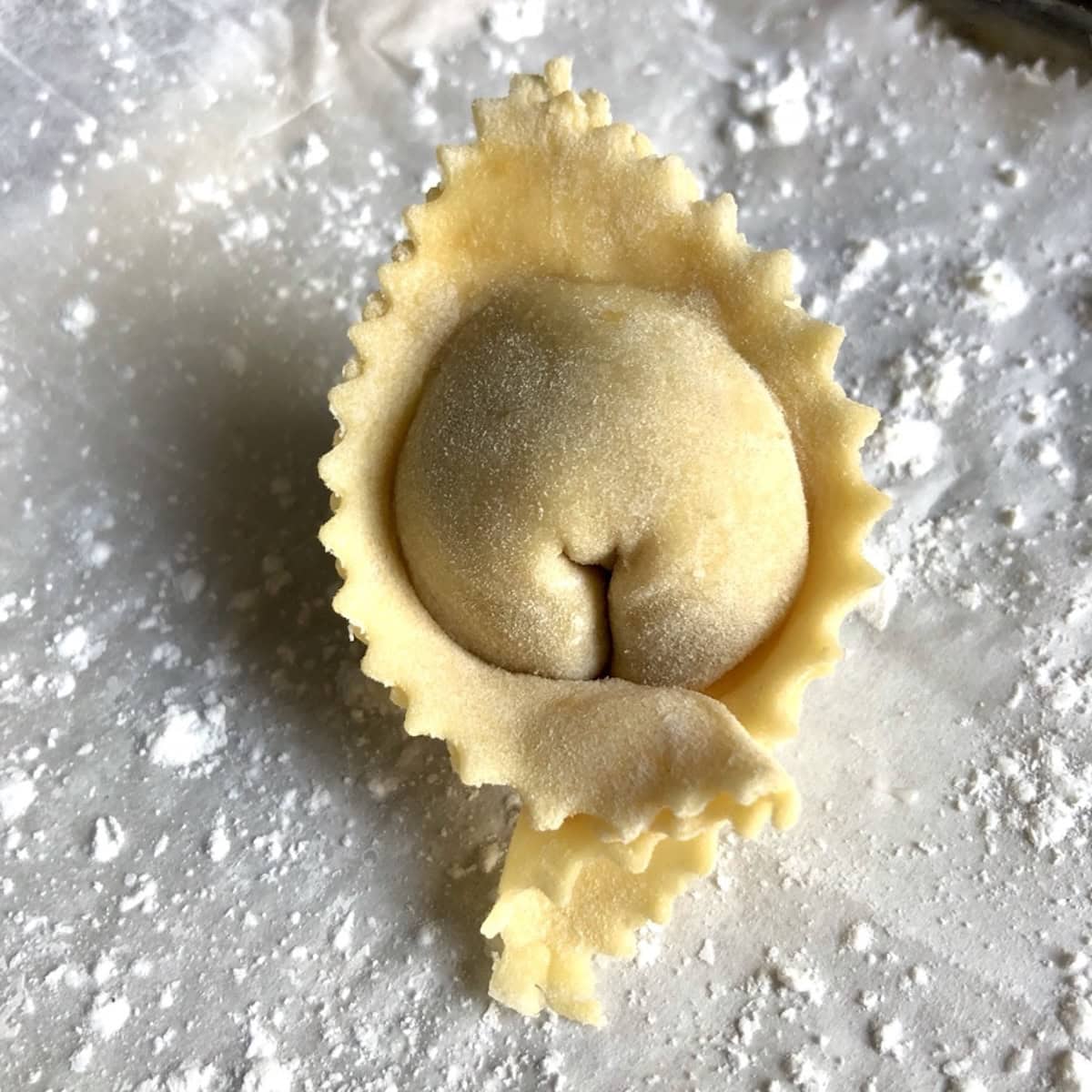
Dumplings typically use round wrappers, and wontons usually use square, rectangular, or triangular wrappers.
Both types of wrappers can be shaped into a multitude of different designs depending on the region, type, or style of the dumpling recipe being used.
Uses
Dumplings and wontons can be used interchangeably in some recipes, like potstickers, for instance, but for other recipes, like Shanghai Soup Dumplings, dumpling dough is the standard and much easier to use, in my opinion.
Homemade Chinese Wonton Wrapper Ingredients
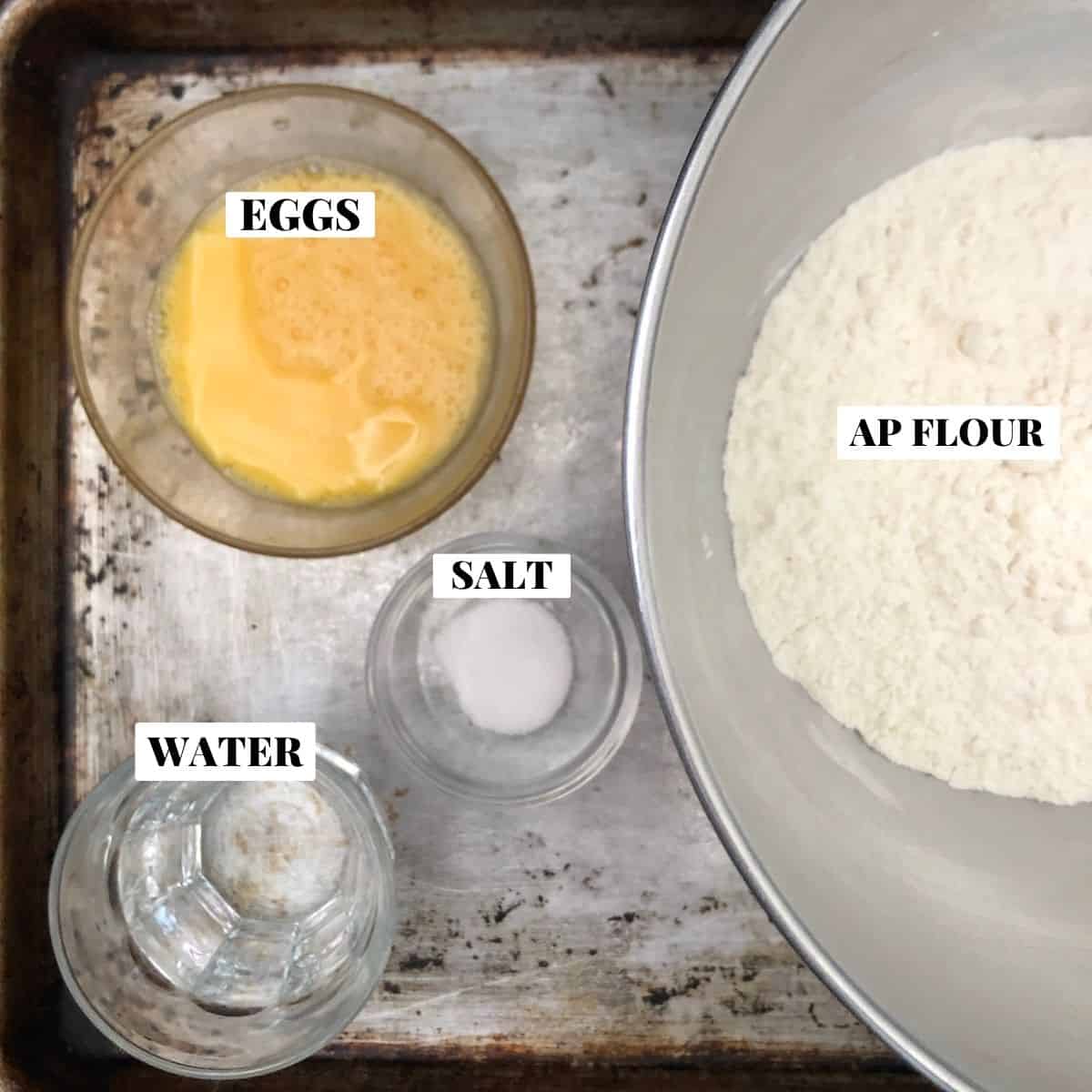
No need to order takeout because these tasty wontons can be filled with anything you can dream up.
Our favorite wonton style is Sichuan spicy chili oil wontons, which have a feather-light ginger pork filling and are covered in a spicy, delicious, lightly sweet and sour sauce made with tahini (or peanut butter or both), toasted sesame seeds, a little crunchy sugar, soy sauce, black Chinese vinegar, homemade Sichuan chili oil, bird's eye chili, and Sichuan flower pepper oil.
That's a mouthful, I know, but it's authentic and incredibly delicious. If you love potstickers, you can use this dough or this traditional dumpling dough to make them.
HOMEMADE WONTON DOUGH
- all-purpose flour
- eggs
- kosher salt
- water
- cornstarch (for rolling out and dusting)

How to Make Homemade Wonton Wrappers from Scratch Step-by-Step
If you're curious about Chinese wontons or live in a place without a well-stocked Asian grocery store or takeout food options, you can still get your wonton fix by making your own. Here's how to make them step-by-step:
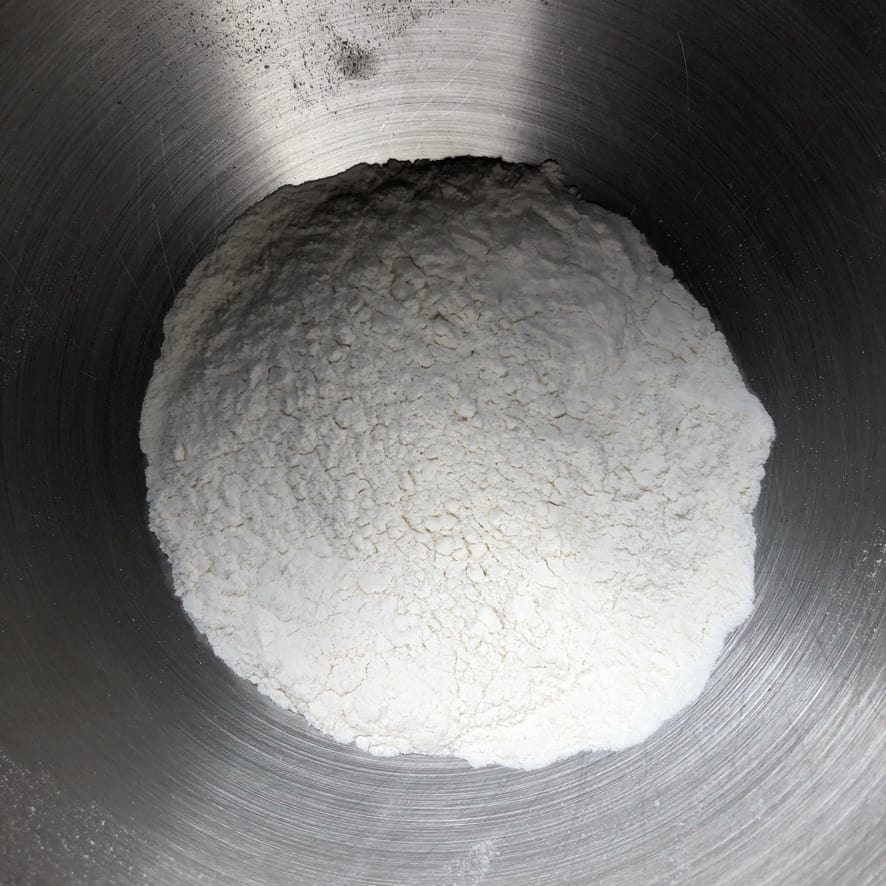
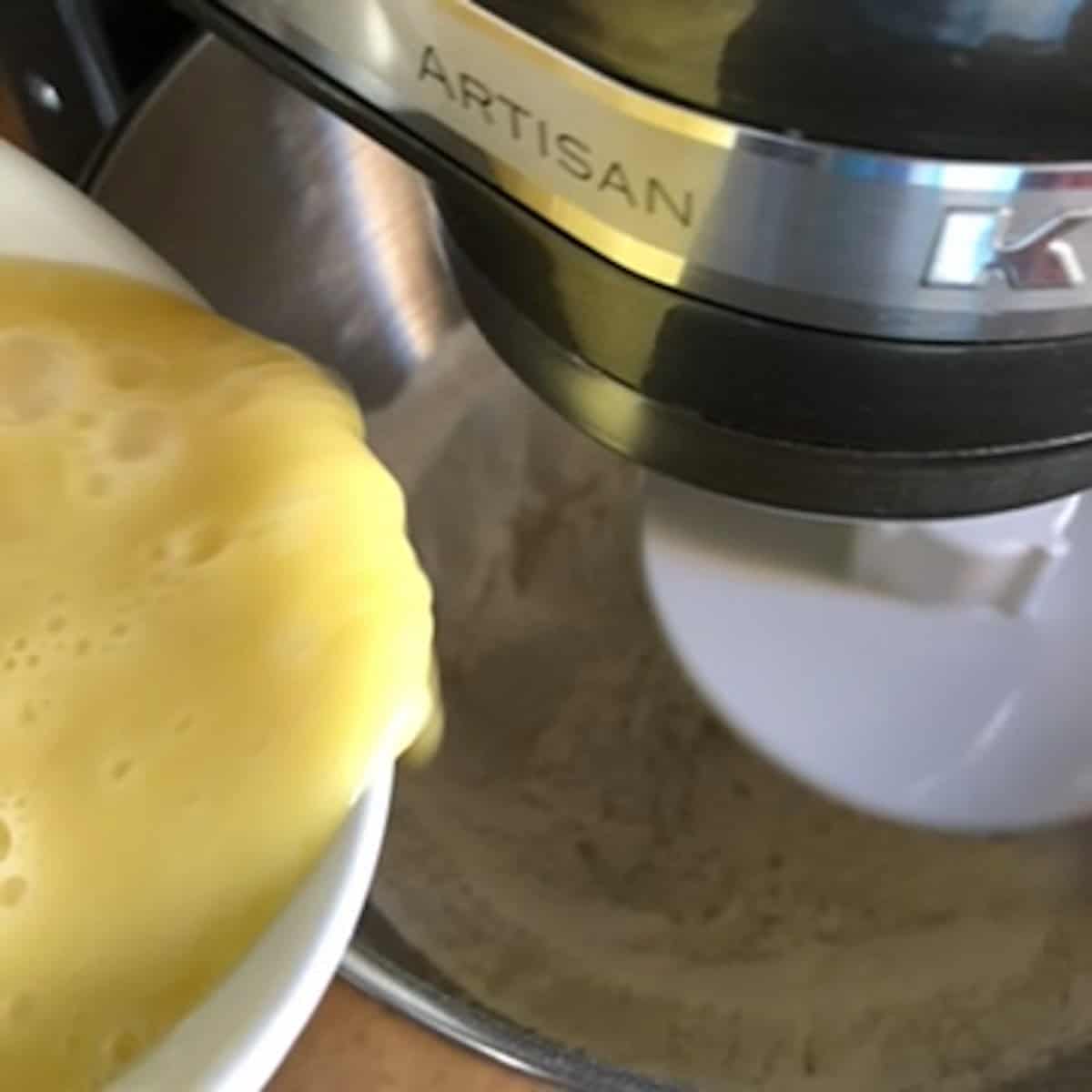
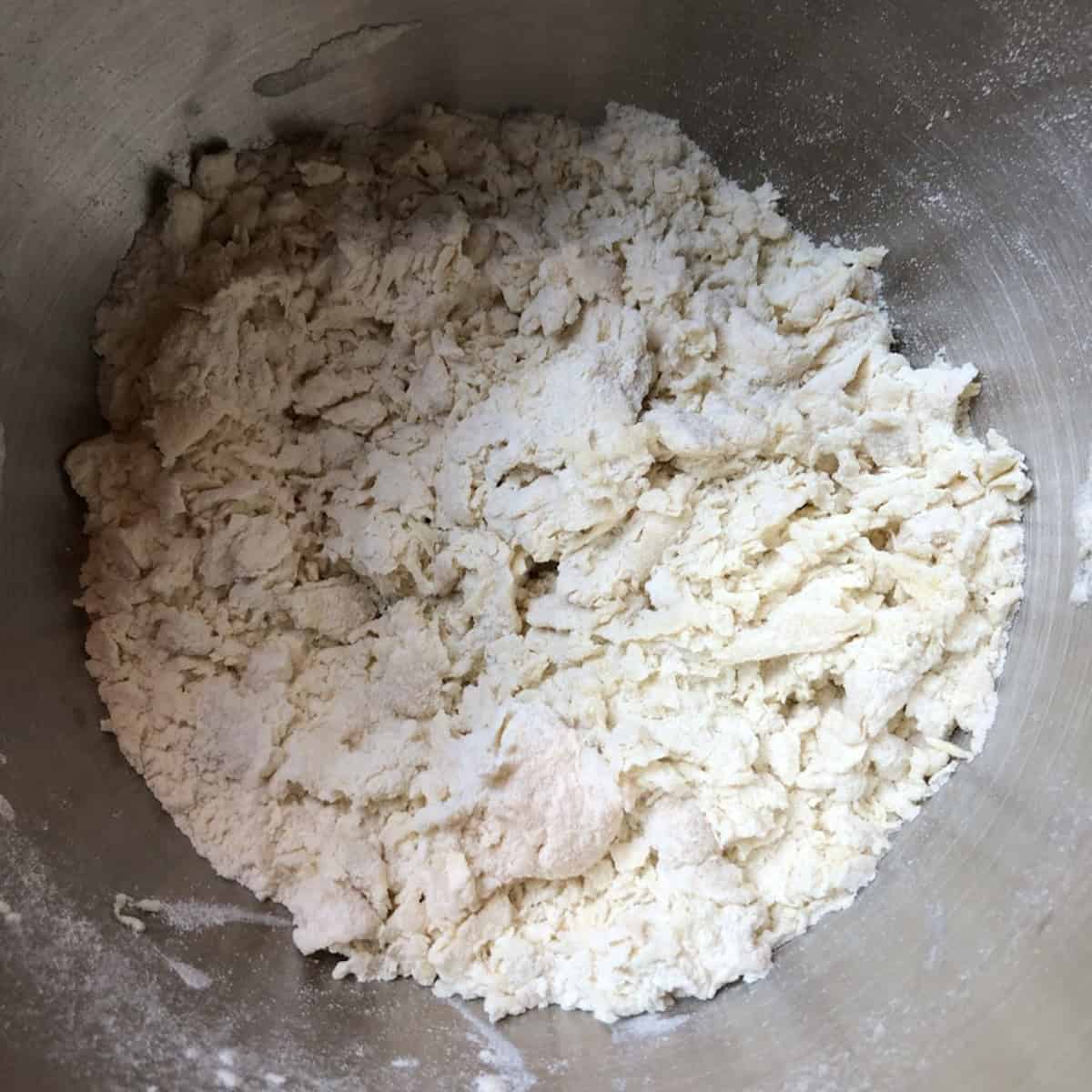
Step 1. Make the wonton dough. In a large bowl (or the bowl of a stand mixer fitted with the dough hook attachment), add the flour and salt and stir to combine. Add the beaten egg and stir well to incorporate it (it'll be a shaggy mess at this point).
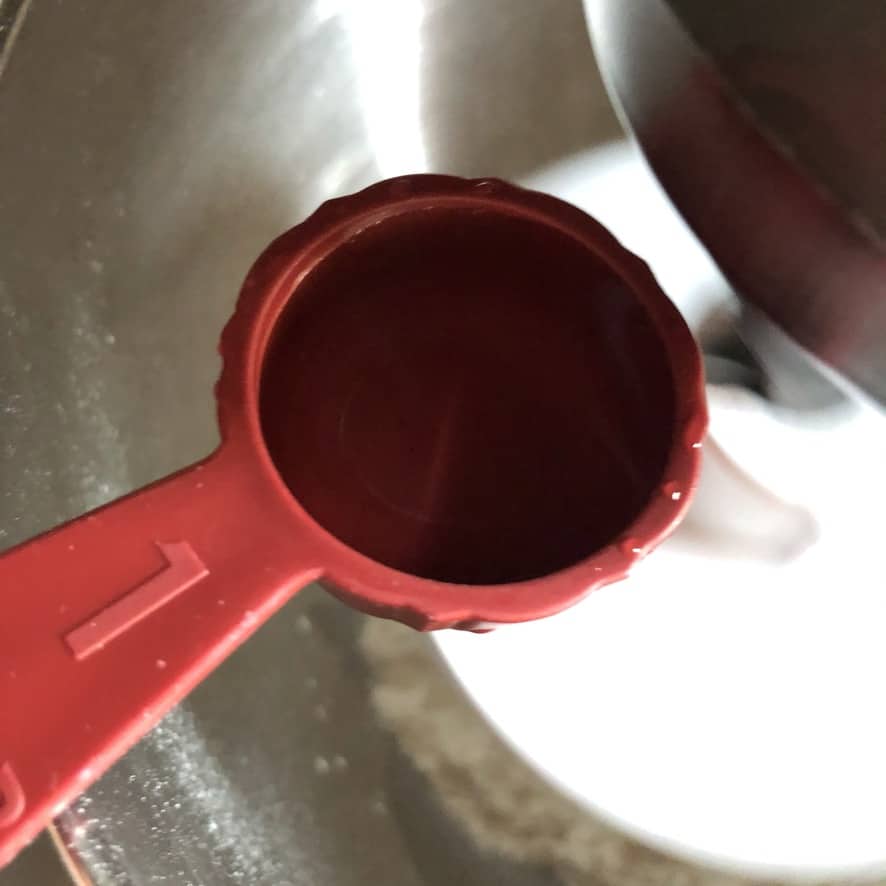
Slowly add the water, 1 tablespoon at a time, then, as it starts coming together, add only about 1 teaspoon at a time, until the mixture just forms a ball. This is a fairly stiff dough, so go slowly and stop adding water as soon as it holds together.
NOTE: If your dough is too soft, the wontons will lack structure and will be difficult to fold and hold their shape once you've filled them.
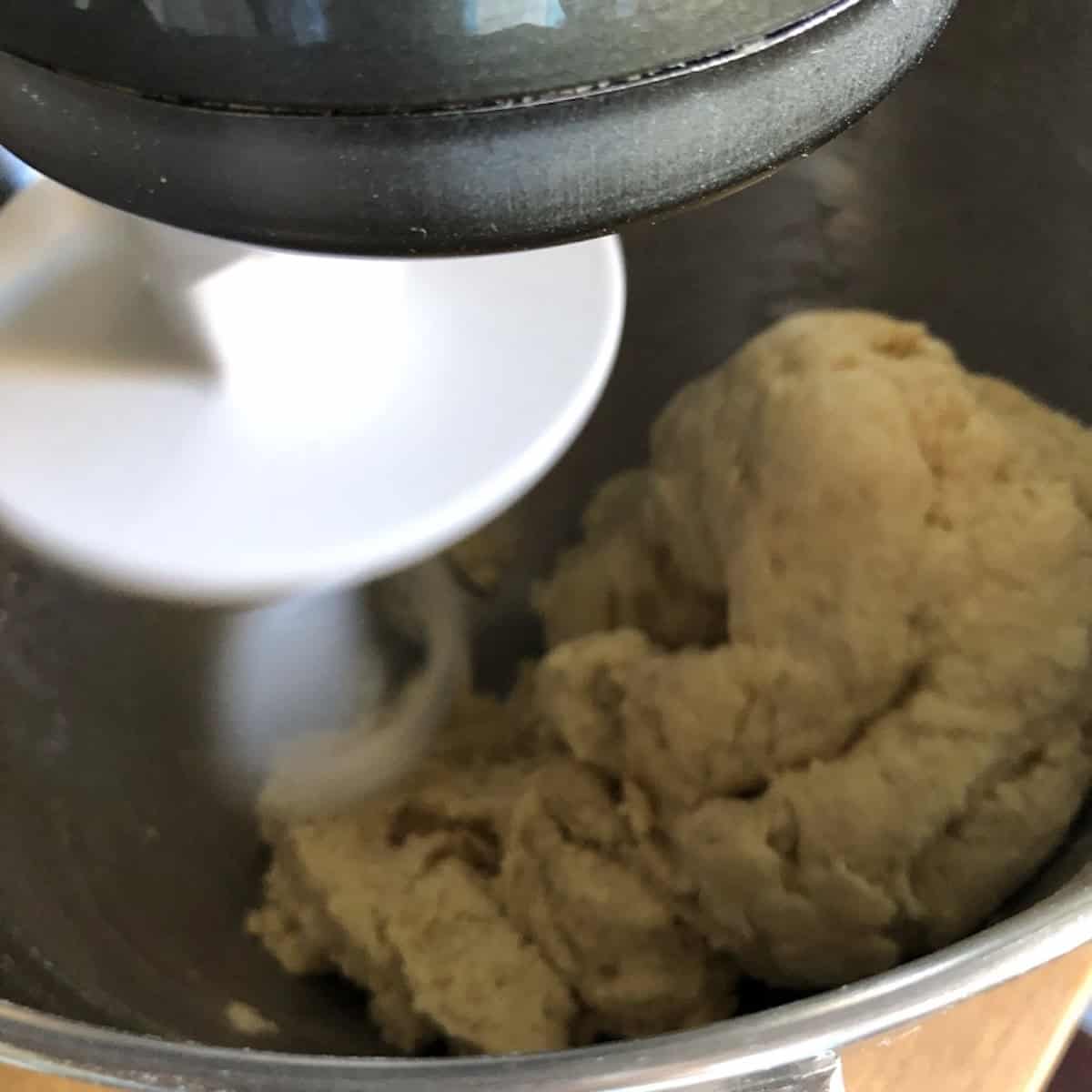
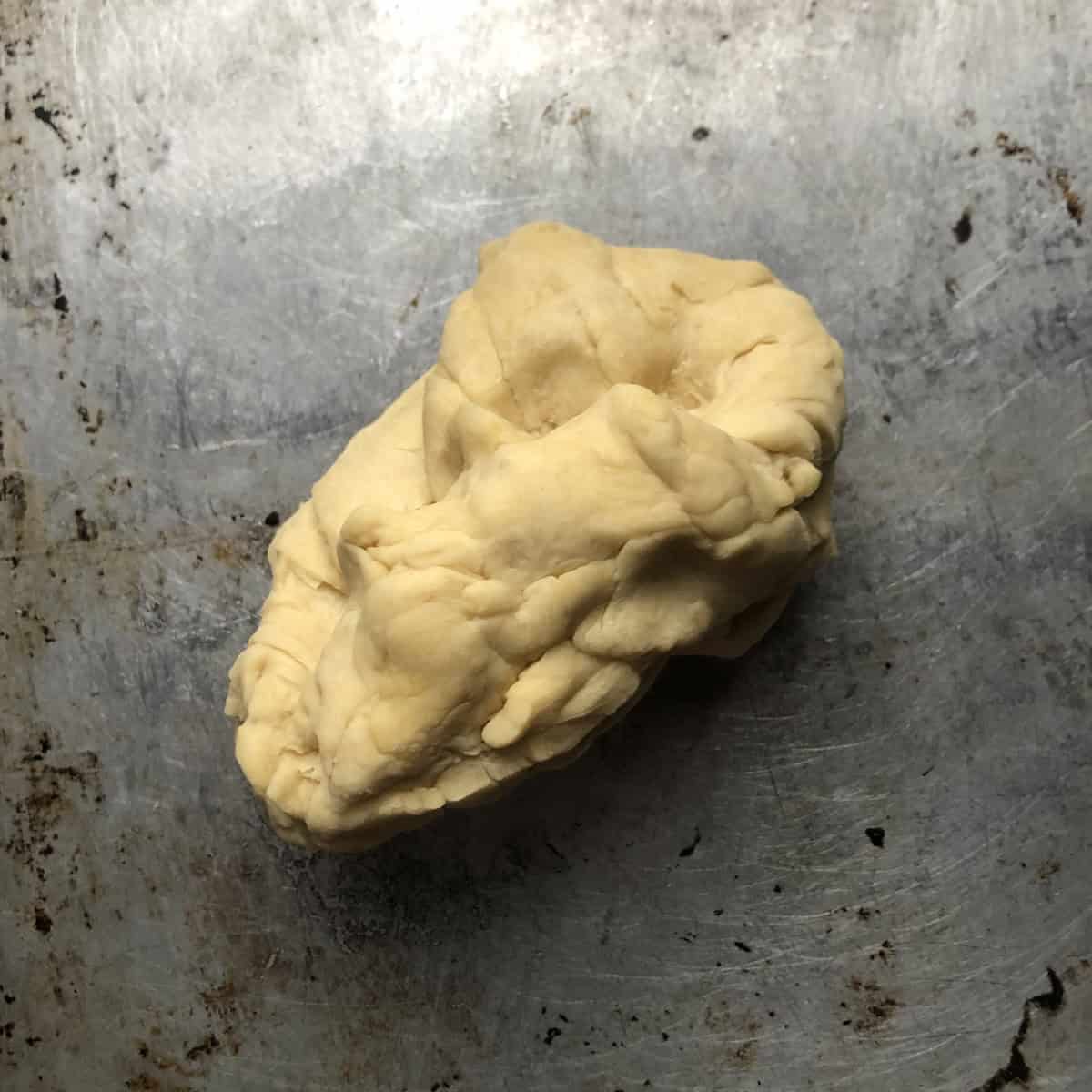
Step 2. Lightly knead the dough & rest it. If kneading the dough by hand, remove the stiff dough round from the mixing bowl and knead it for about 2 minutes. Place it back into the bowl, cover it, and allow it to rest at room temperature for 10 minutes (this helps the gluten relax and makes it easier to knead by hand).
If using a stand mixer with the dough hook attachment, you can skip letting it rest and begin kneading it right away.
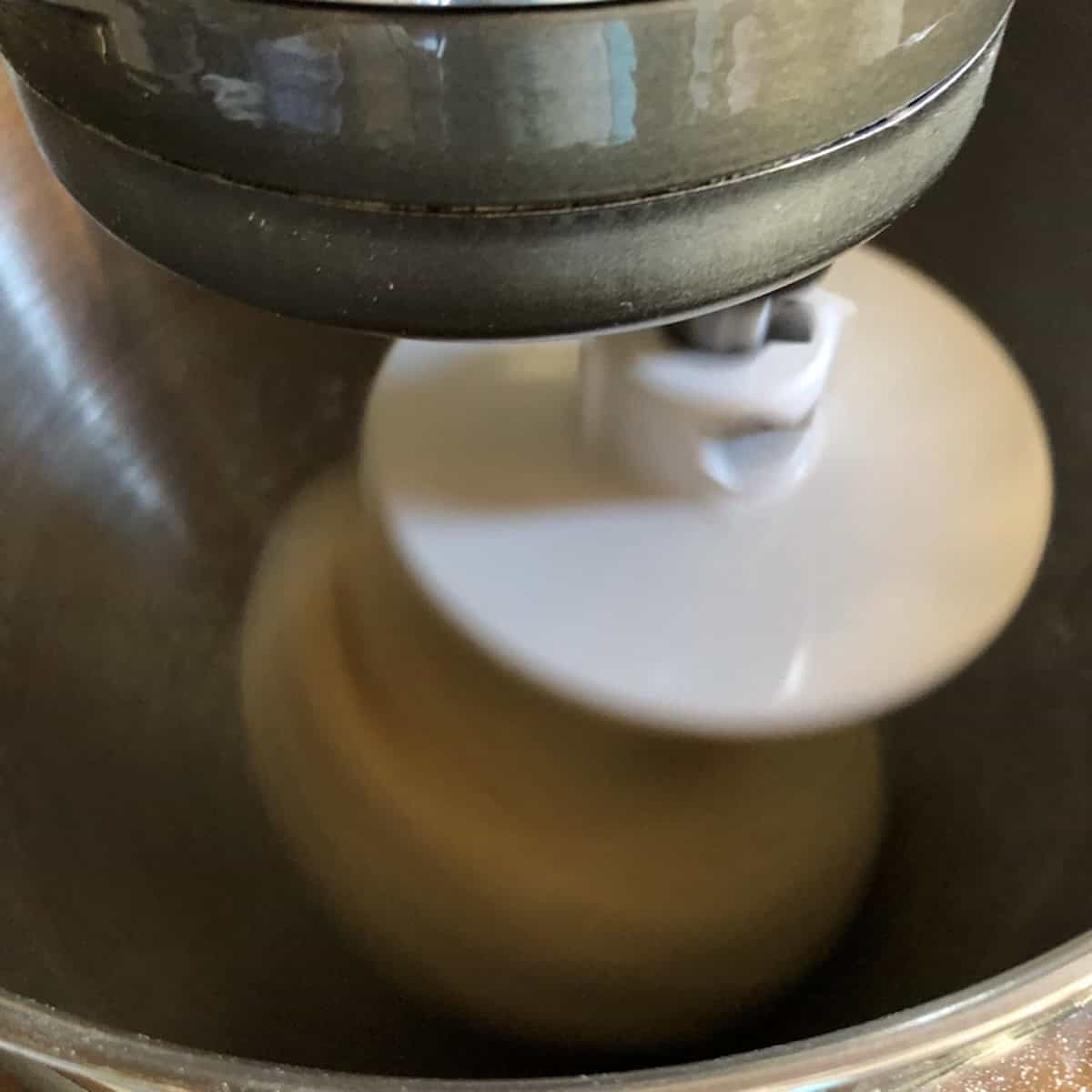
Step 3. Fully knead the dough & rest it. Knead the dough in the mixer using the dough hook attachment on speed 2 for 10 minutes (or by hand for about 12 minutes) until the dough is smooth and pliable. Cover the dough and rest it for at least 30 minutes.
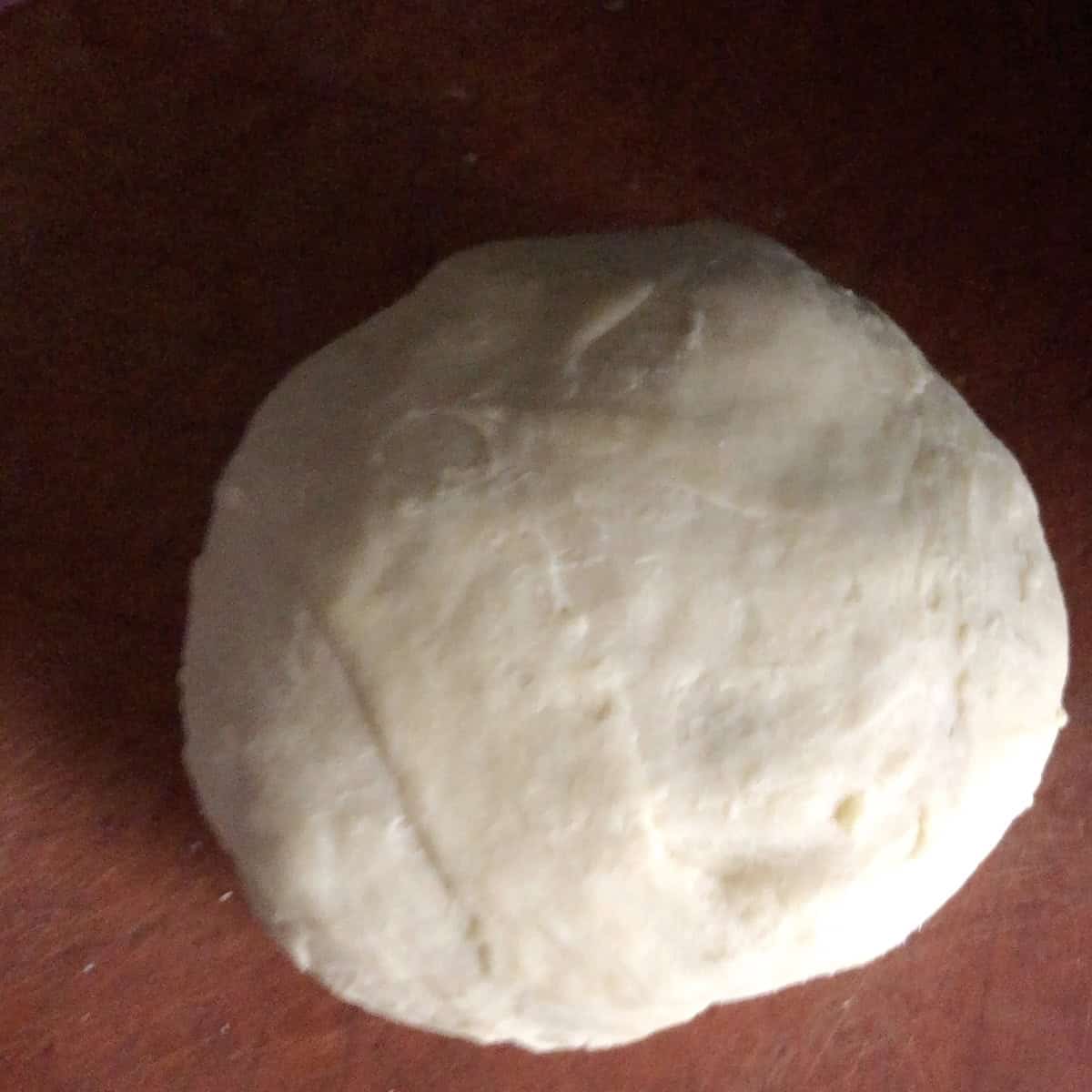
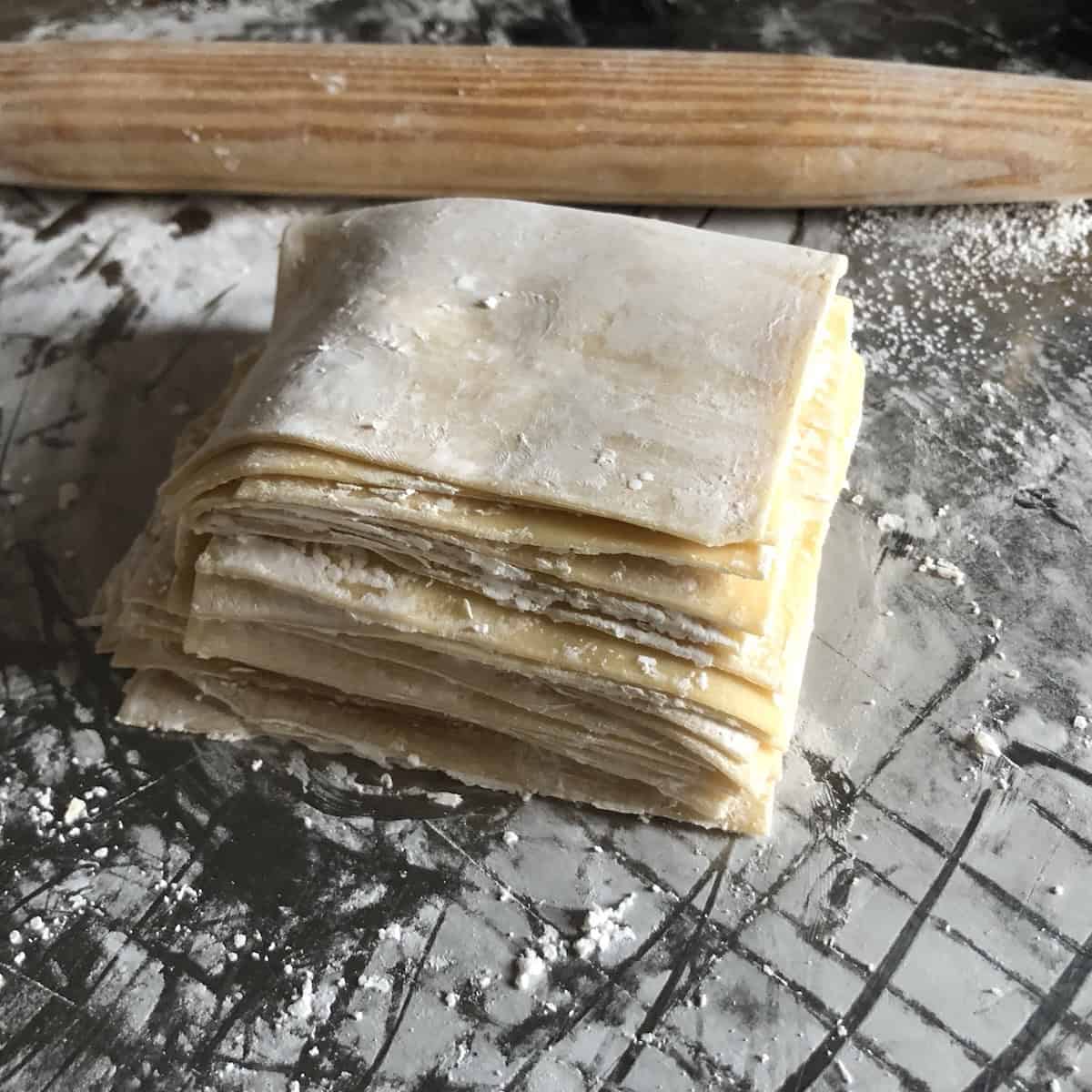
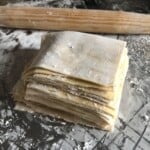
Step 4. Roll out the wonton wrappers. Divide the dough into 4 equal pieces. Working with one piece at a time, on a lightly cornstarch-dusted workspace, roll the dough out into a rectangle or circle about ¼ inch thick (about the same as pie crust thickness).
Dust it with cornstarch and fold it like a business letter. Cover it with sustainable cling film while you roll the remaining three pieces of dough, repeating the same steps for each. Rest the covered dough for 30 minutes.
NOTE: This is a fairly stiff dough. If it feels too stiff or keeps curling and snapping back while you try to roll it out, the gluten just needs more time to relax. Cover it with sustainable cling film and let it rest even longer; it is fine to rest the dough for up to an hour before rolling.
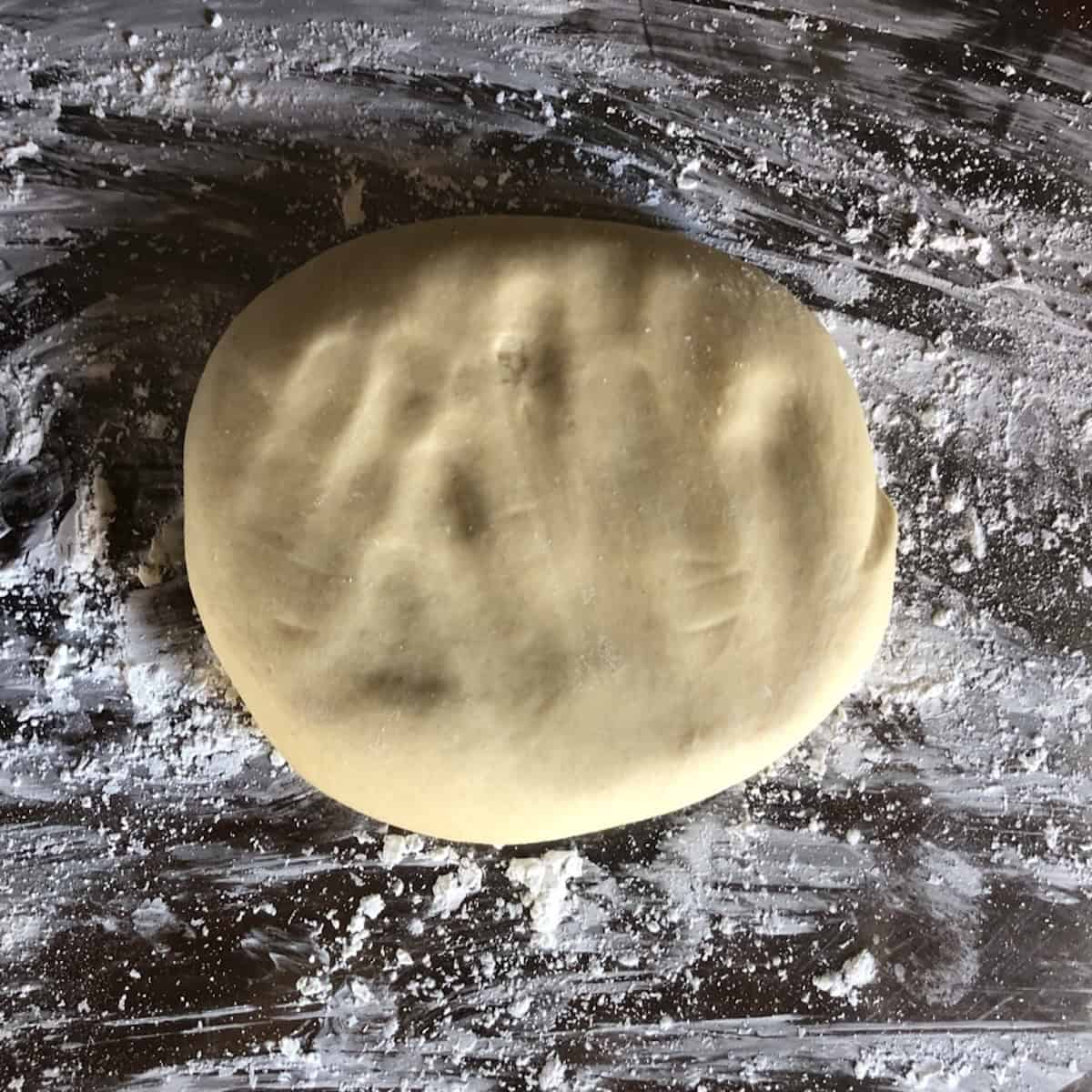
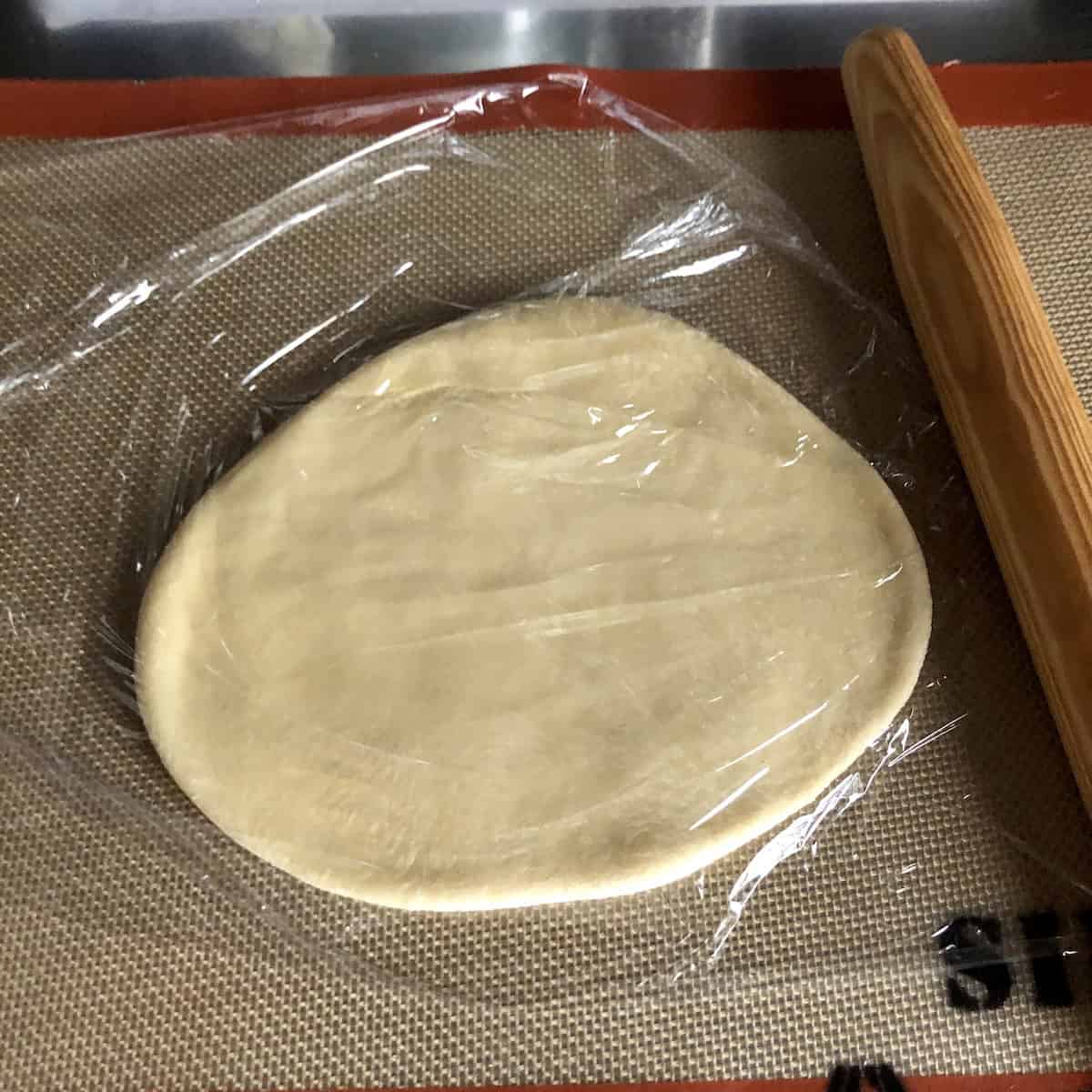
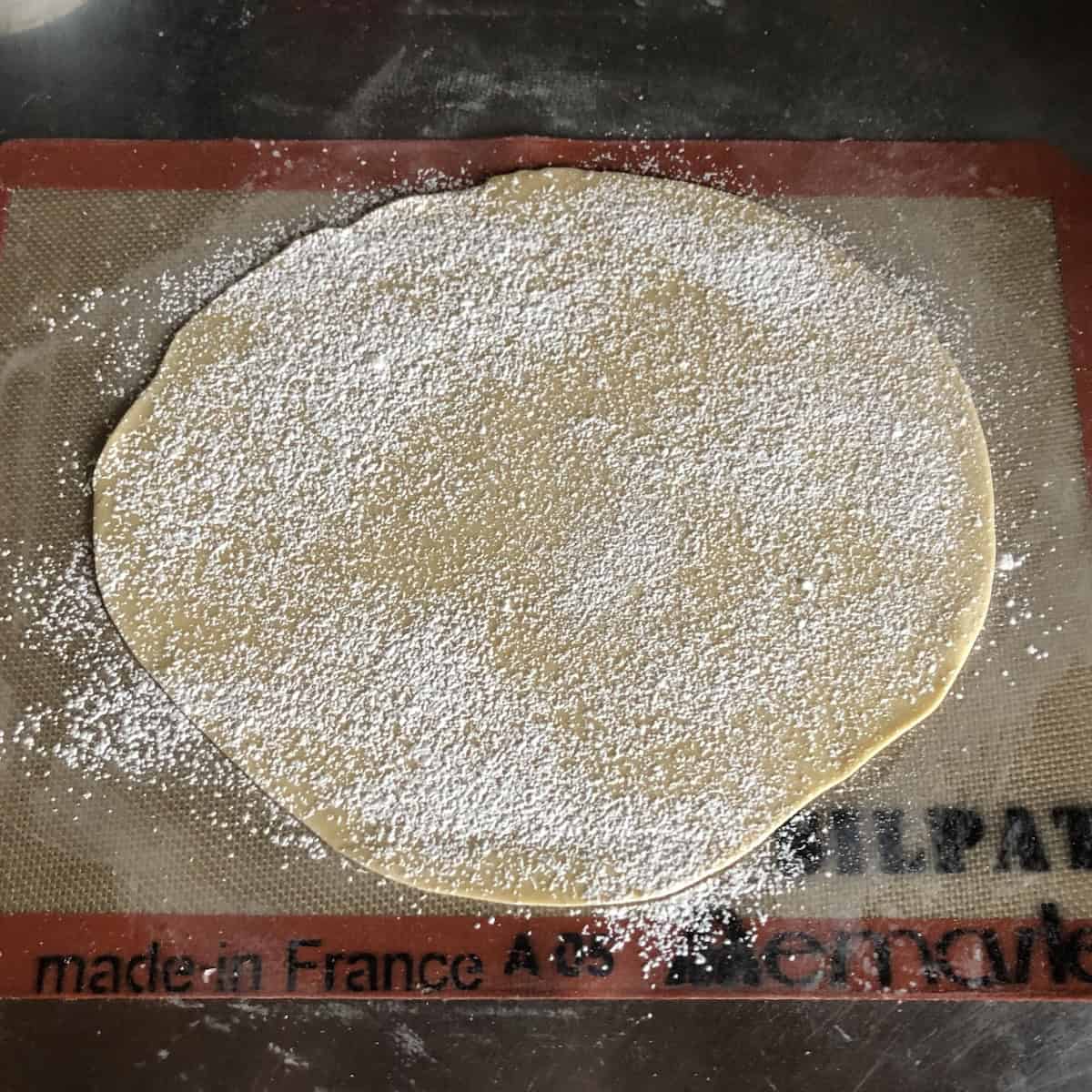
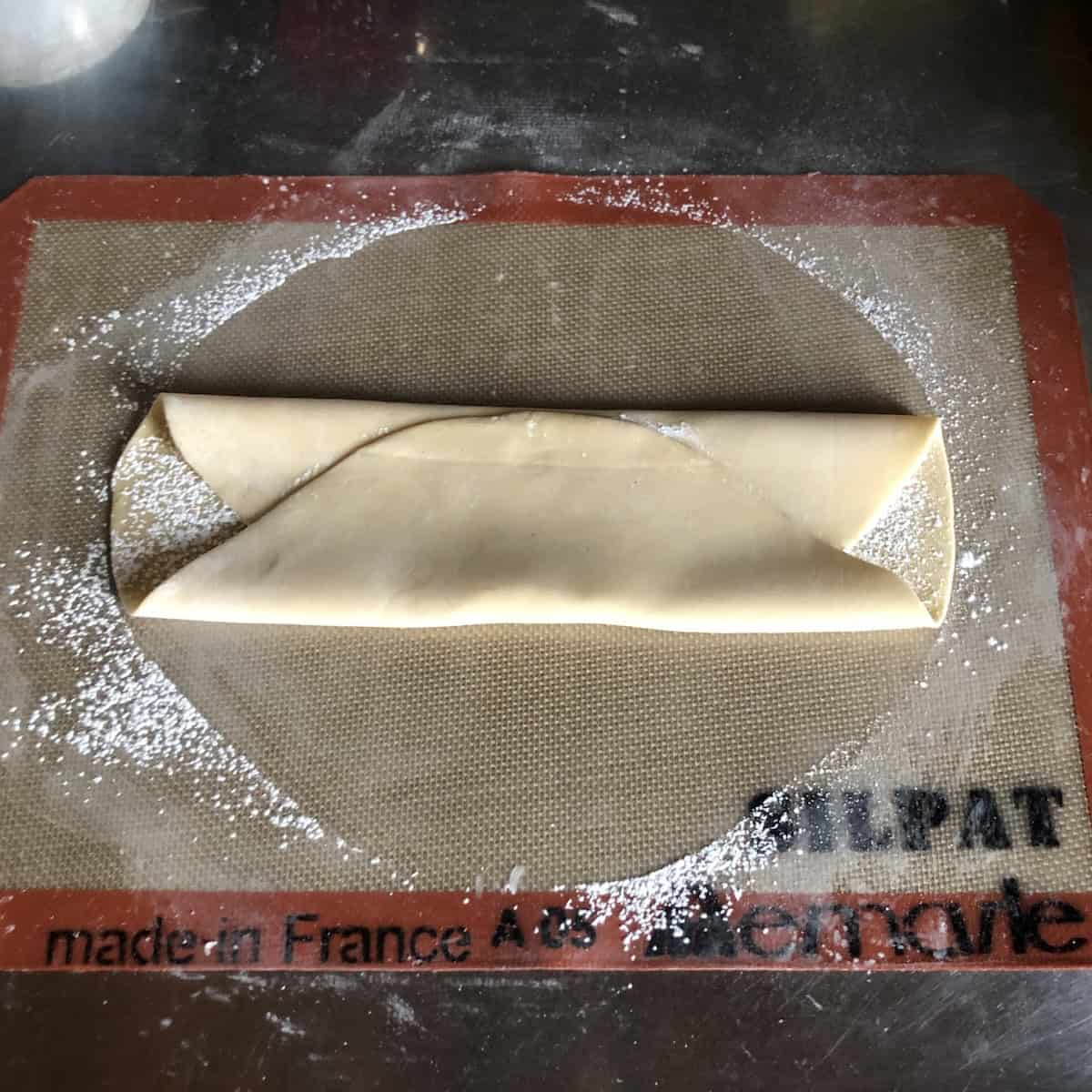
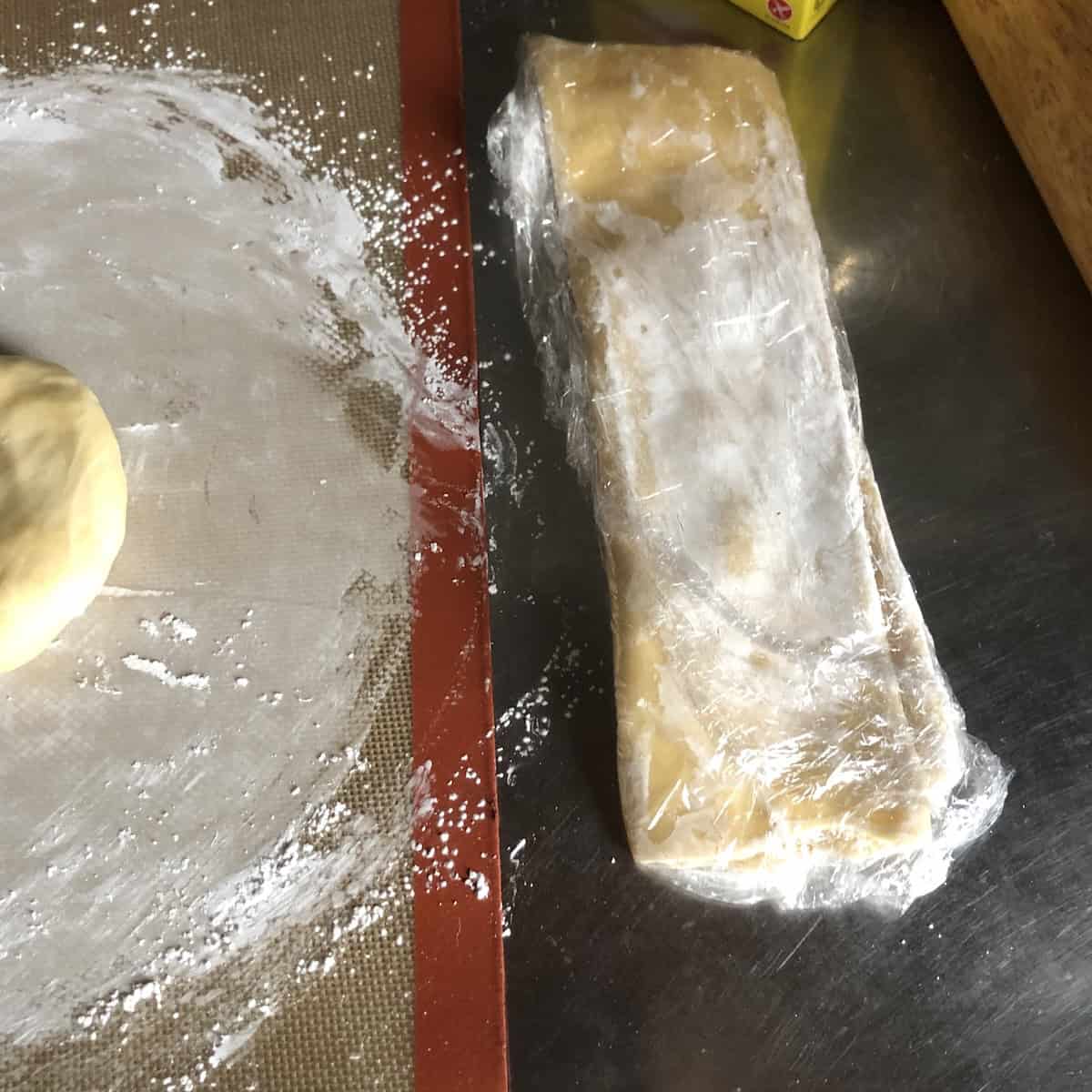
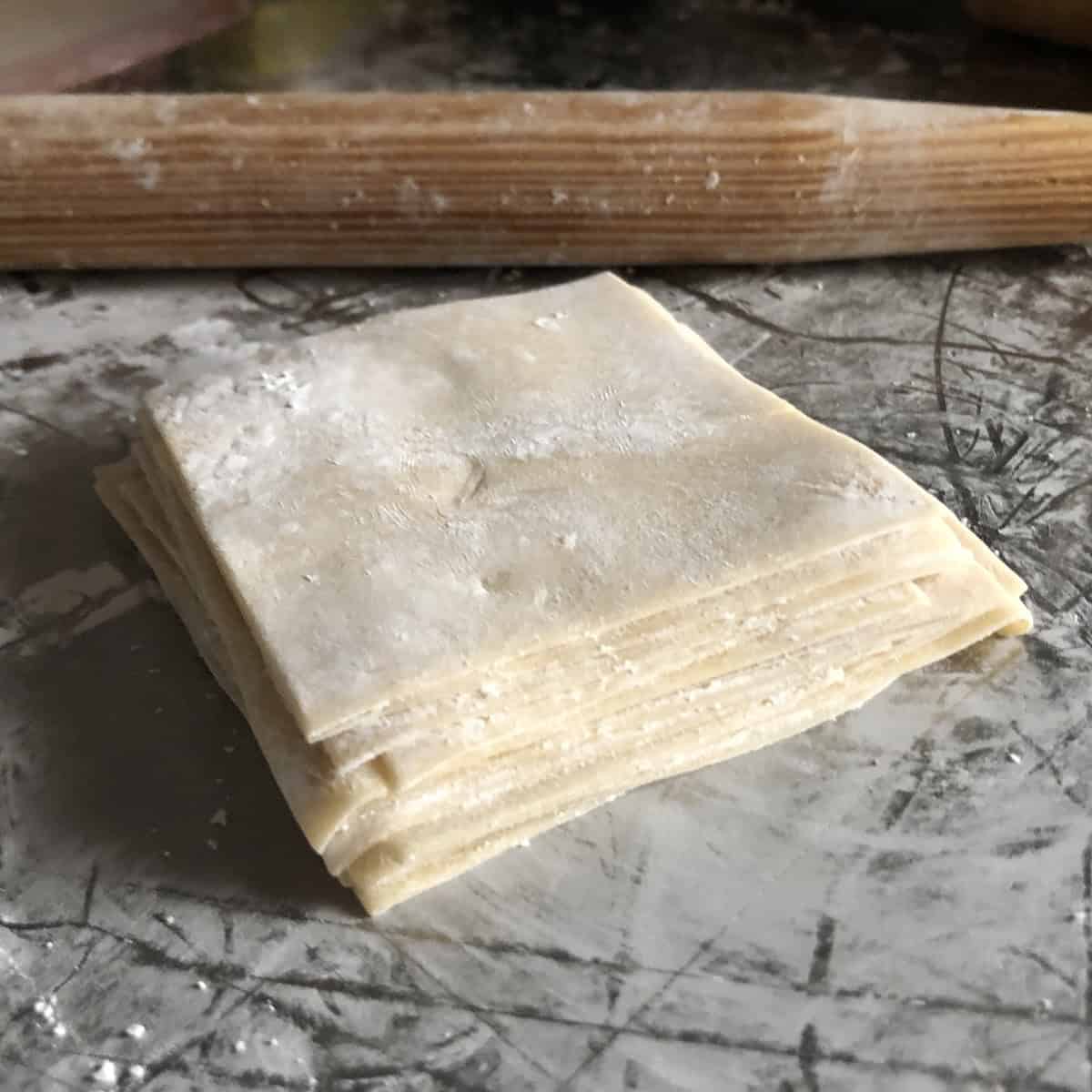
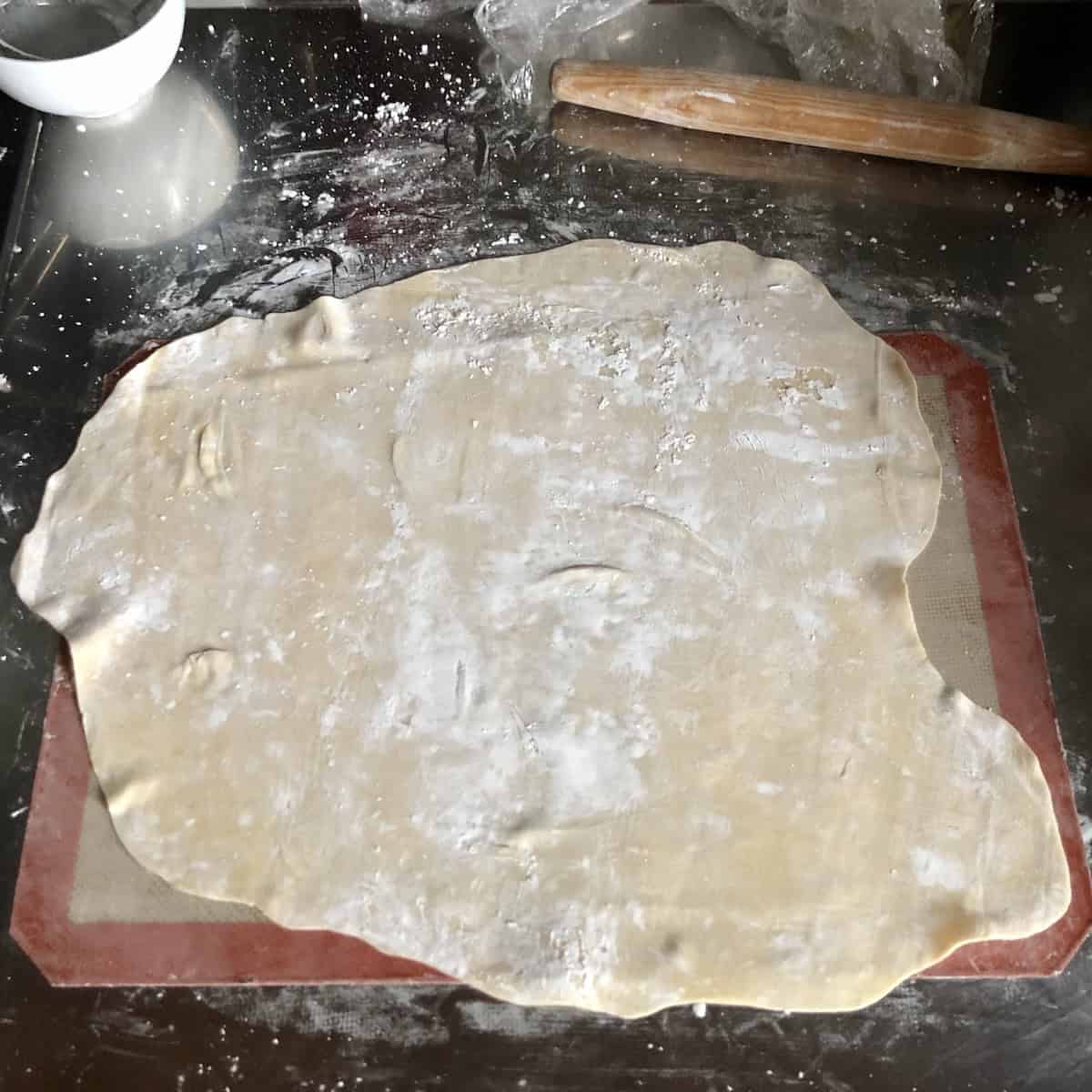
Step 5. Cut the wonton wrappers. Remove one piece of rested dough onto a lightly dusted workspace and unfold it. Sprinkle it with a little cornstarch and roll it out to ⅛ inch thick (paper-thin like the photo below), dusting with more cornstarch as needed, to keep it from sticking.
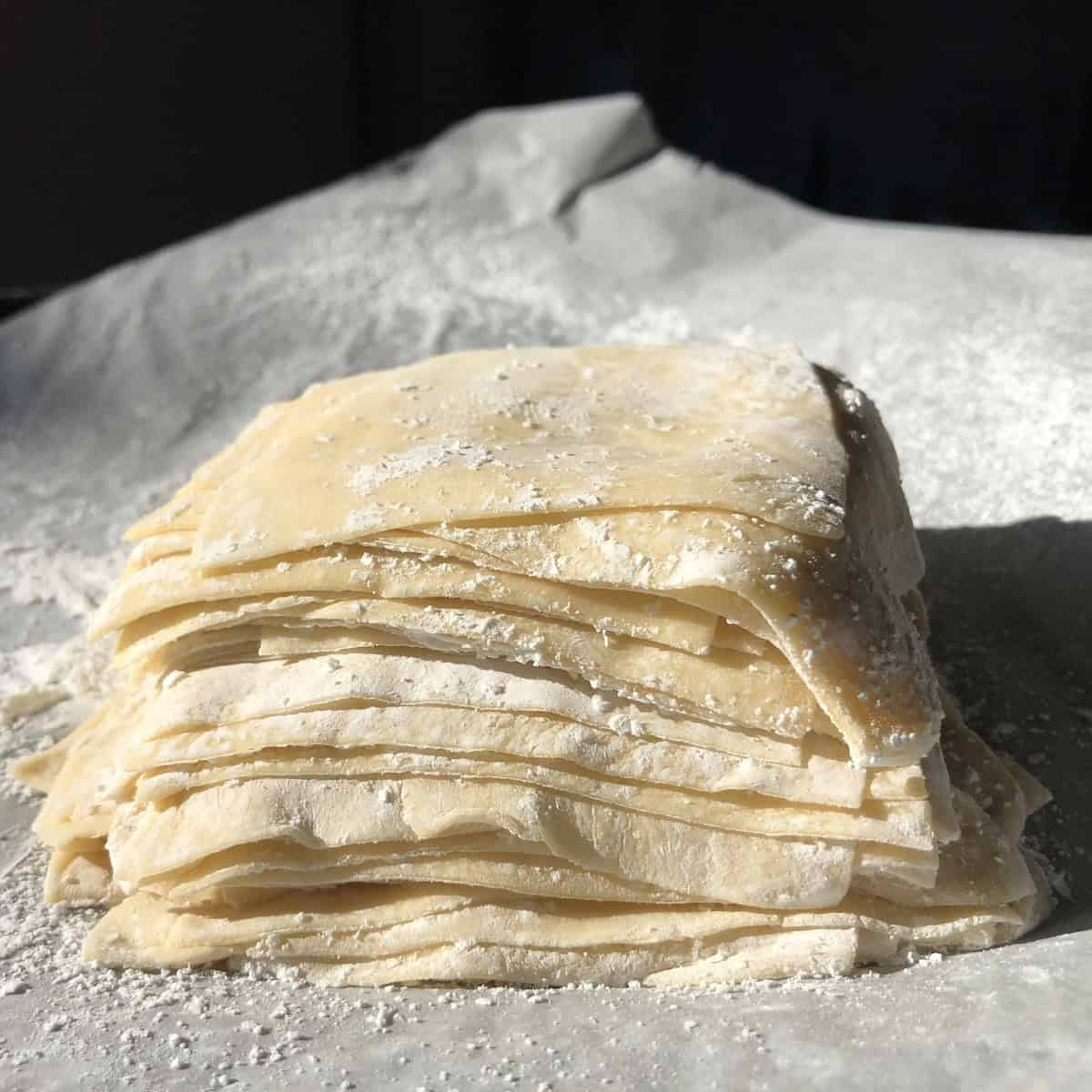
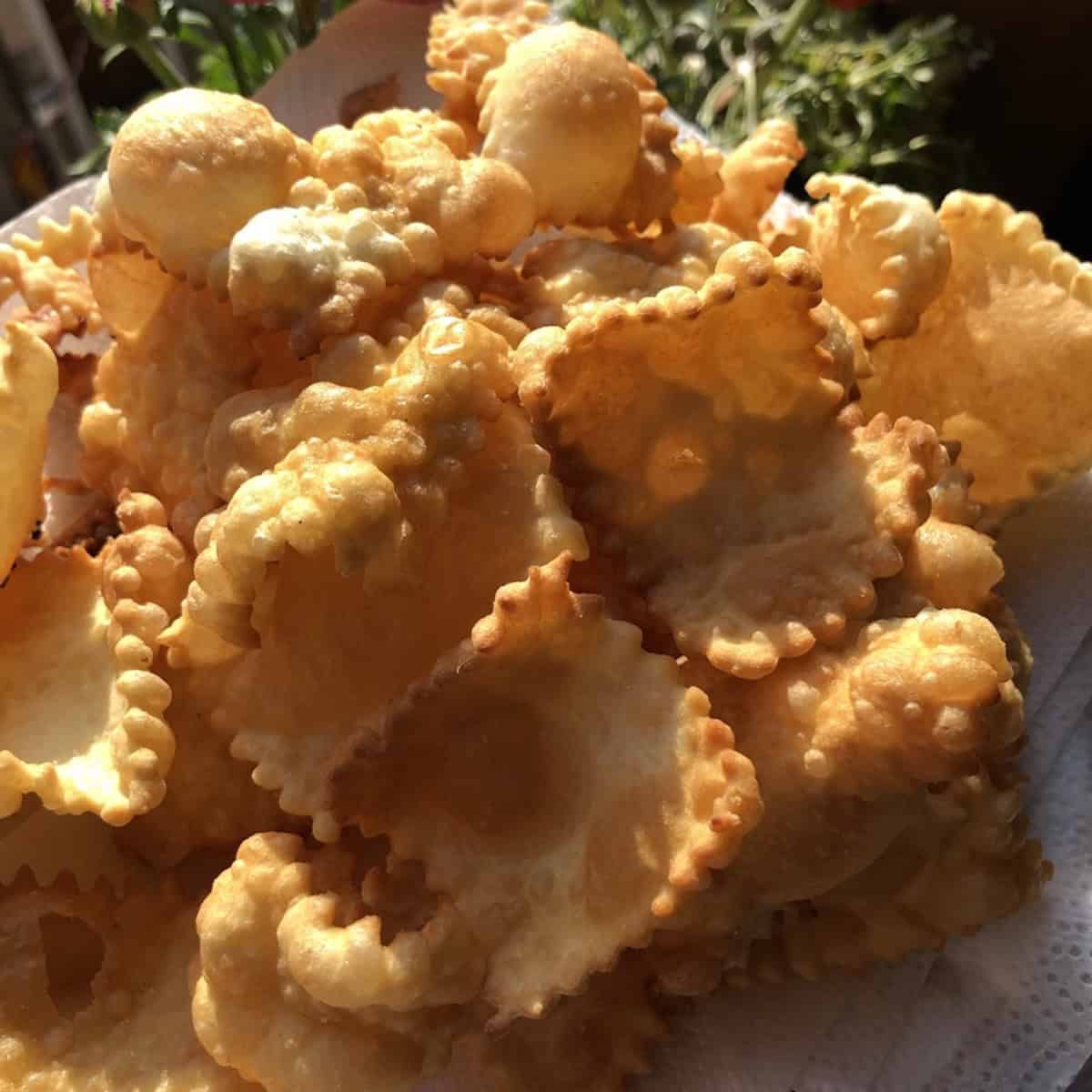
Using a pizza wheel cutter or a knife, cut the dough into 3-inch (8cm) squares and sprinkle with cornstarch in between each one as you stack them to keep them from sticking. Repeat with the remaining dough. Save the scrap pieces to be used as noodles in soup, or fry them to make delicious crispy wontons, and Enjoy!
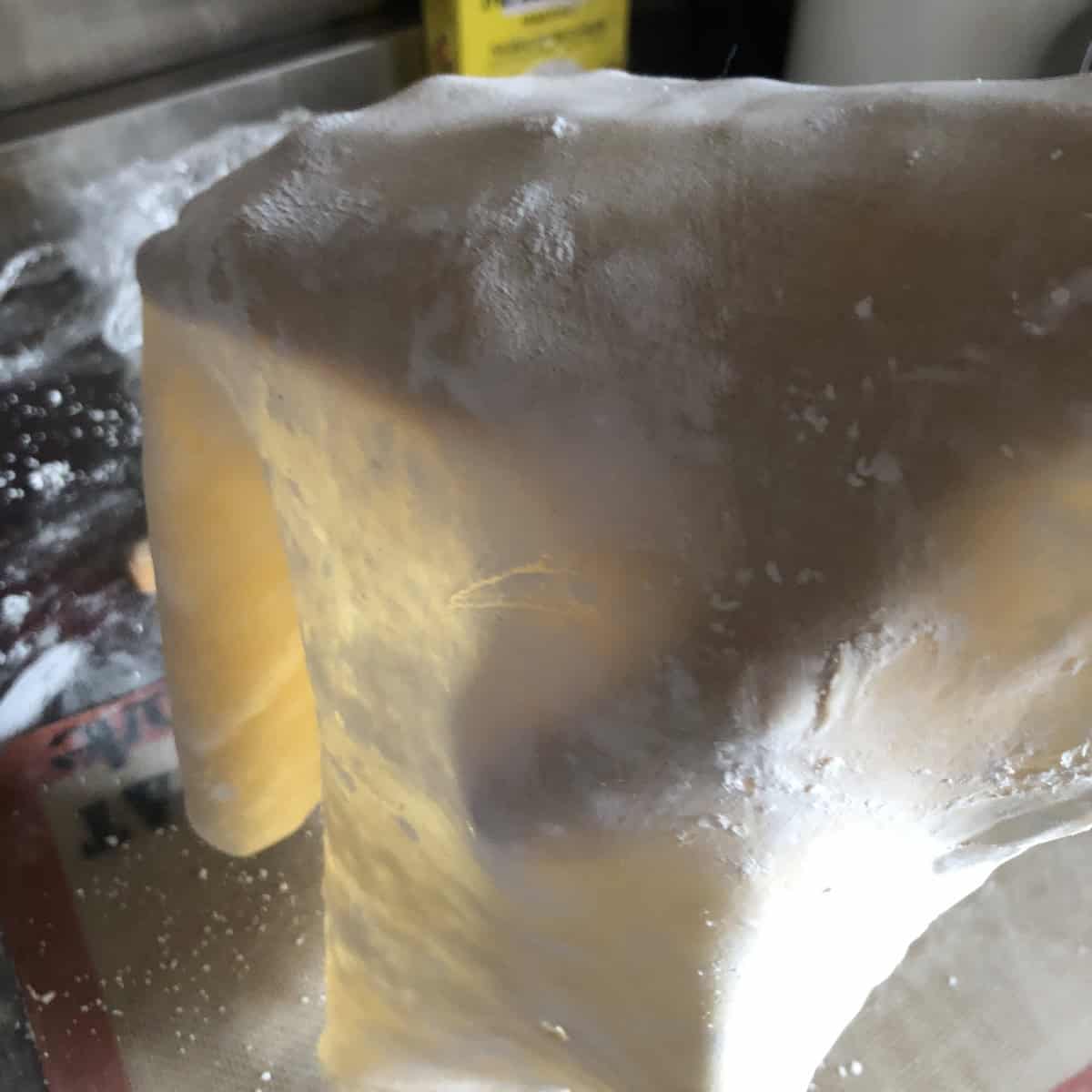
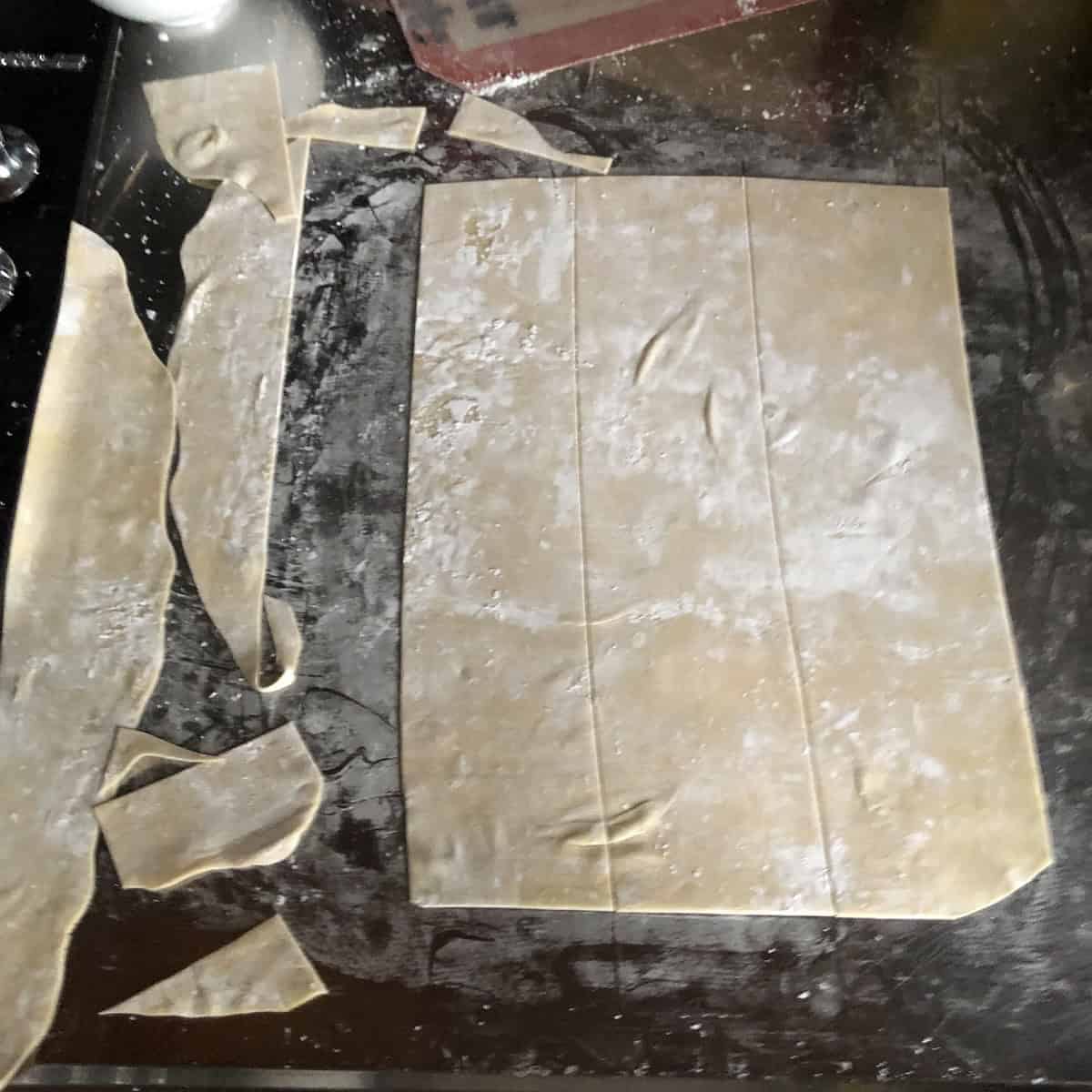
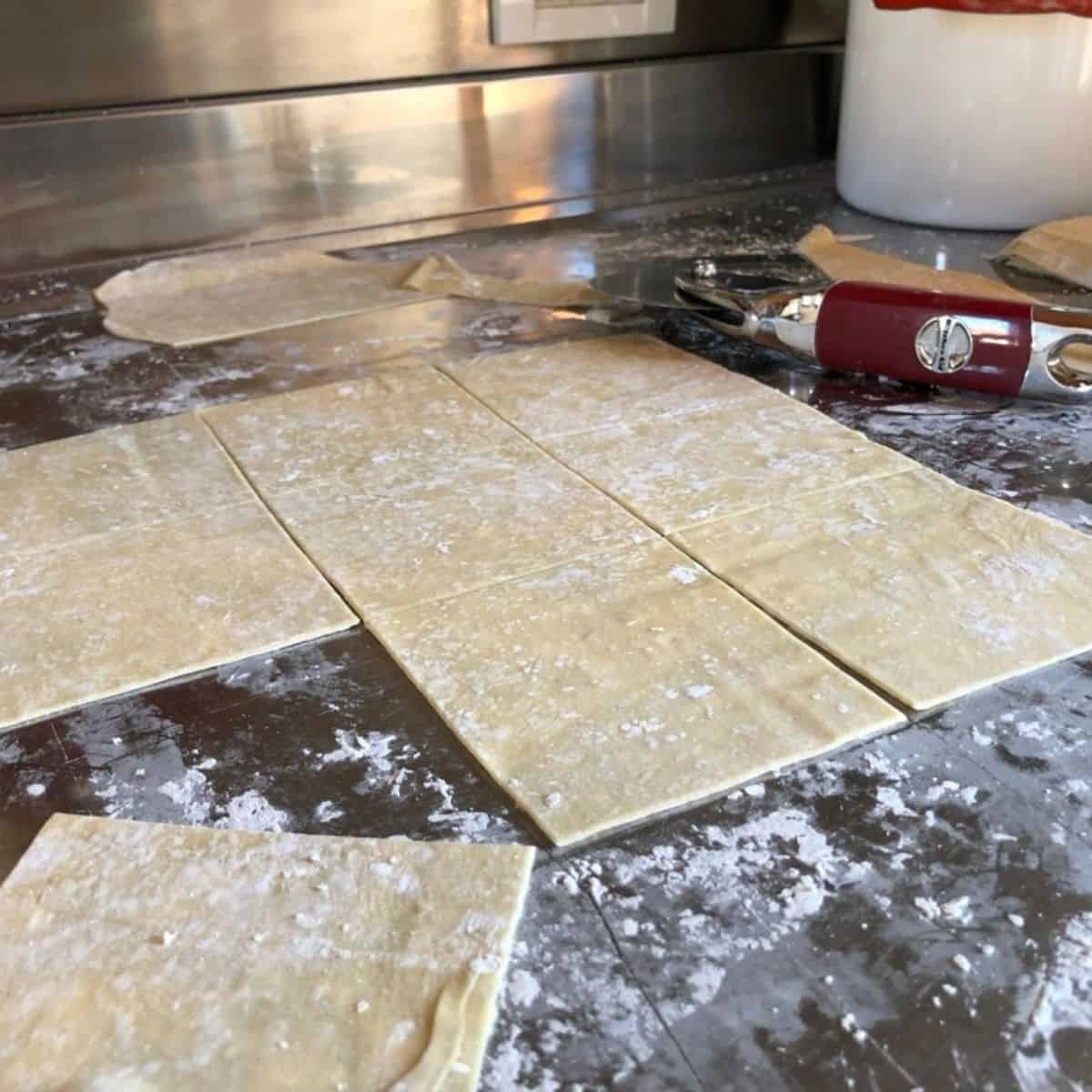
Hint: If your dough seems too soft or sticky, add more flour until you reach the right consistency. If your dough seems too dry, wet your hands and work the dough to incorporate a little water at a time until you reach the desired consistency. Also, if you're not using them right away, wrap them in cling film and refrigerate them, or put them into a freezer bag and freeze.
Bread Flour Variation
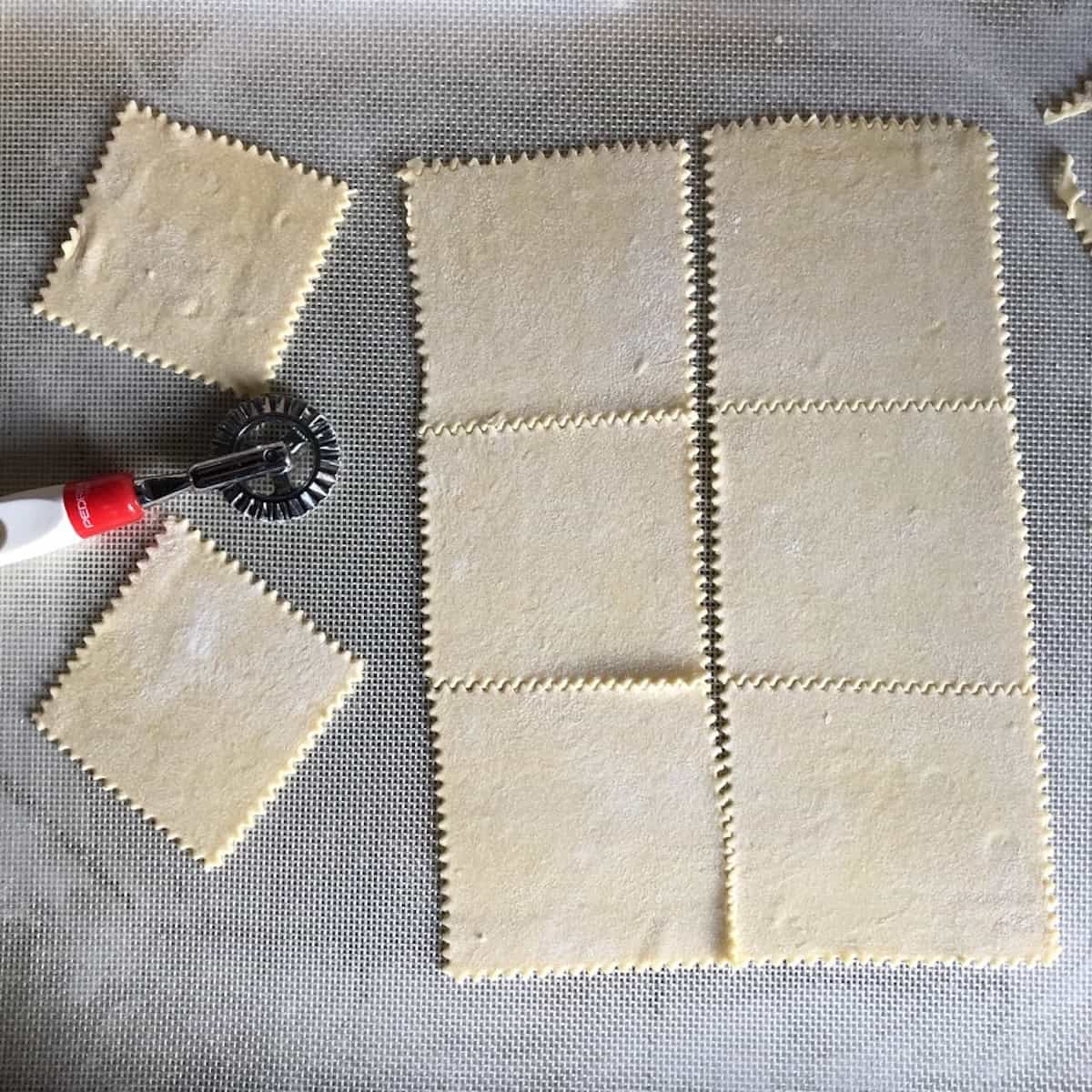
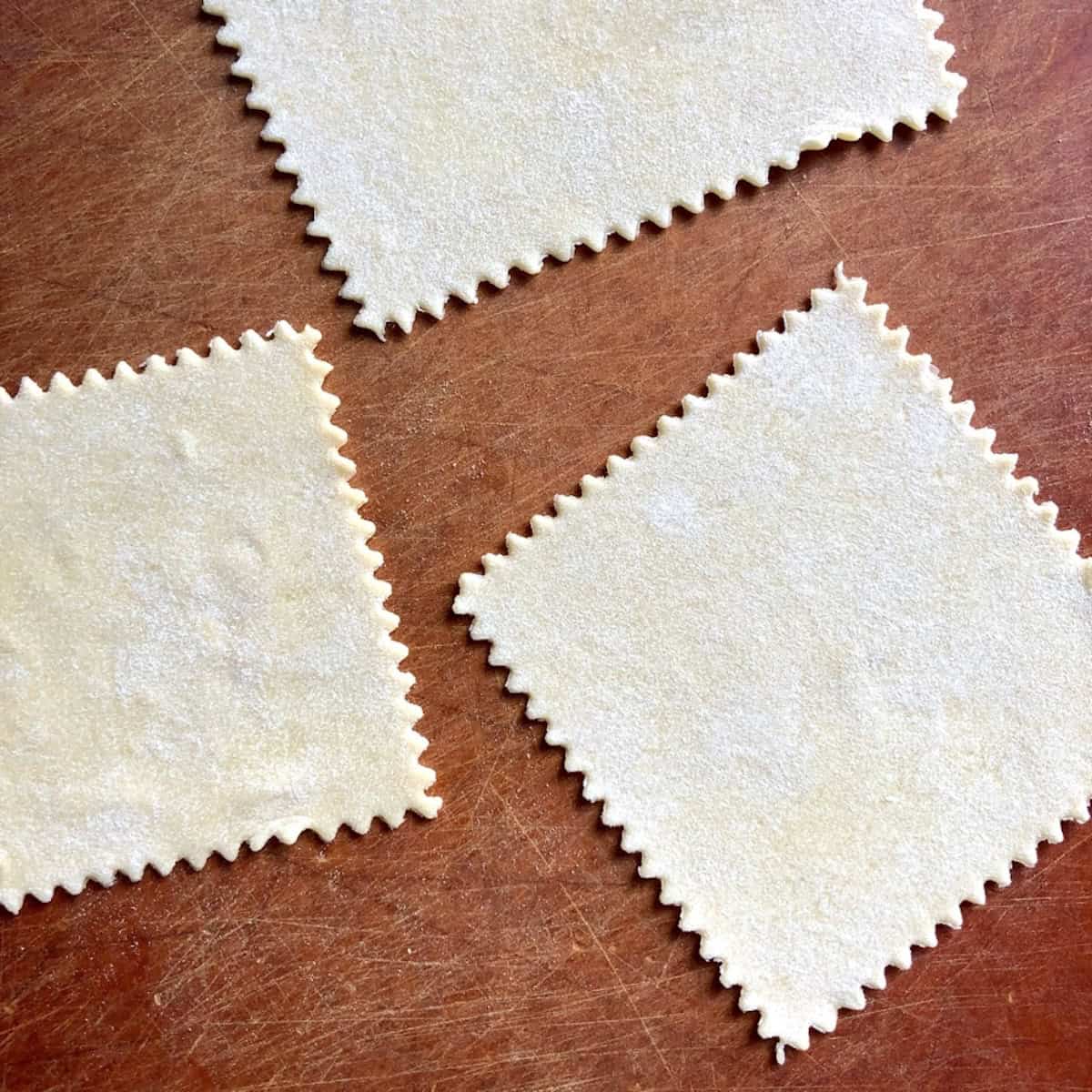
This bread flour wonton dough (some cooks call the wrappers wonton paper or wonton pastry) has a bit more chew to it. Bread flour has more protein, so the wrappers come out a little sturdier and perhaps a little easier to roll, fill, and seal. You make it exactly like the all-purpose version above, just with these amounts:
- 2 cups bread flour (240g)
- 2 large eggs, lightly whisked (100g)
- ½ teaspoon kosher salt (3g)
- 4 to 6 tablespoons warm water (60g to 88g)
- bread flour or cornstarch for rolling out and dusting the wrappers
Everything else stays the same: mix, lightly knead and rest, fully knead, roll, fold like a business letter, rest, then cut into 3-inch squares.
How to Store and Freeze Homemade Wonton Wrappers
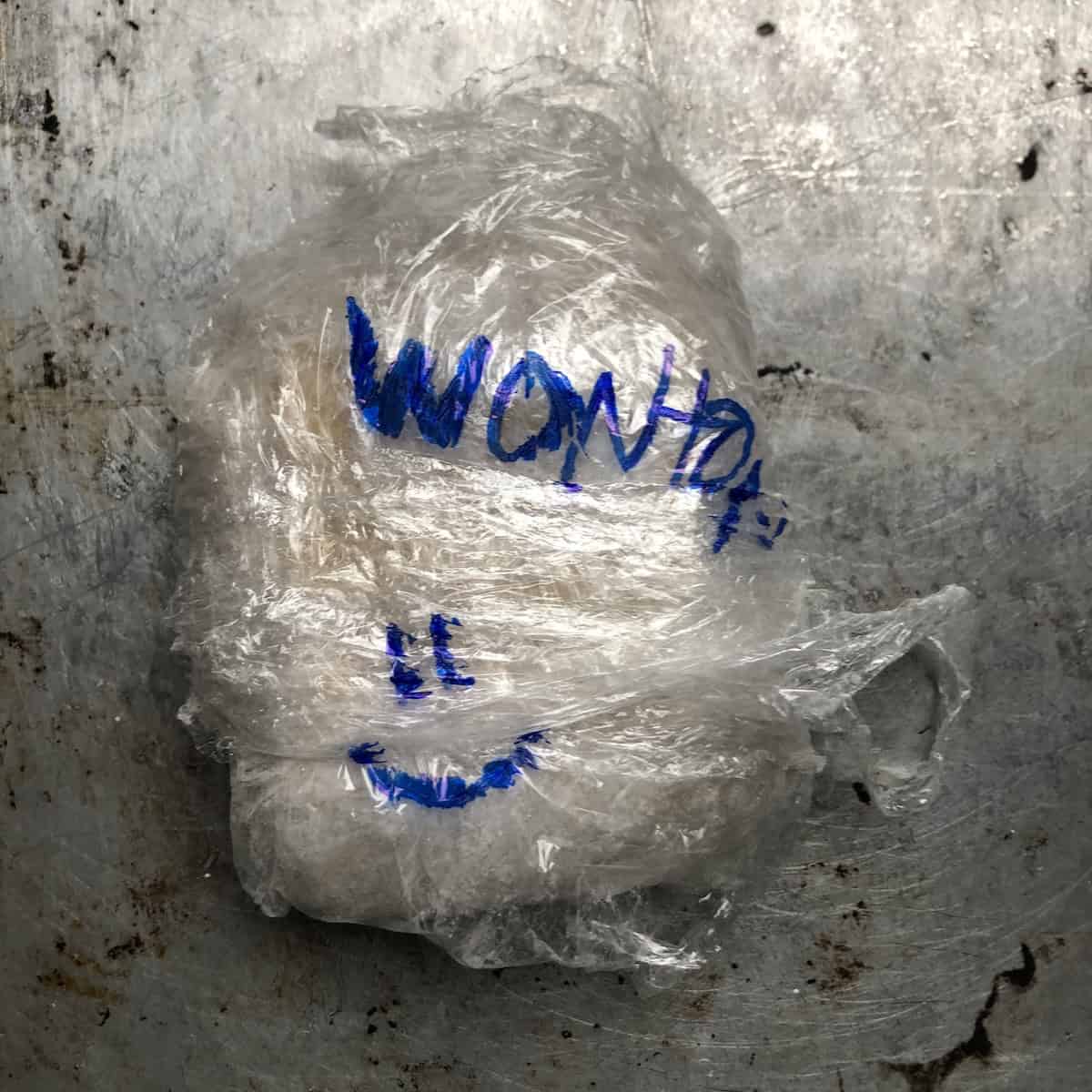
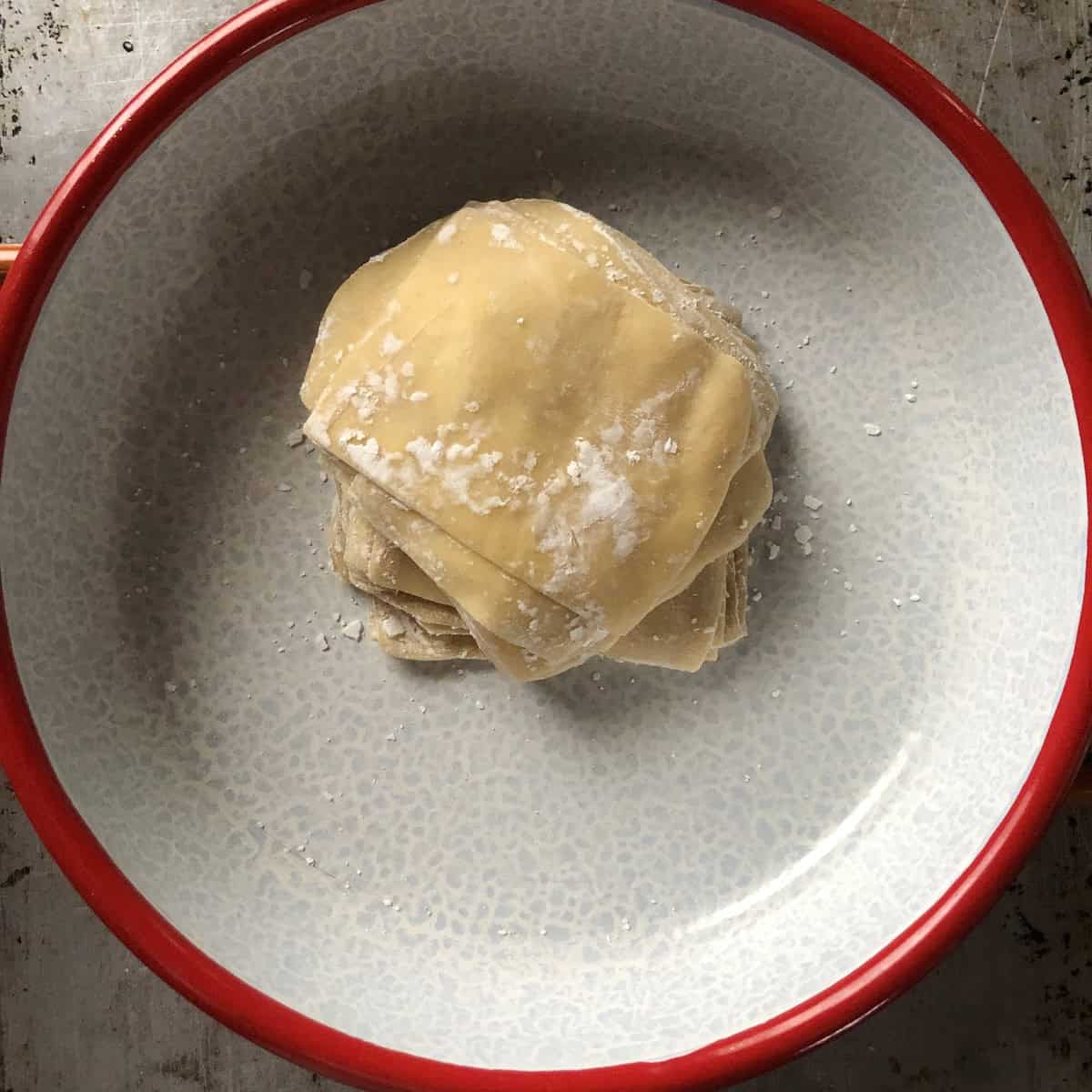
These wrappers freeze beautifully, so it is worth making a big batch and stashing extras for your next round of wontons, dumplings, or crispy fried snacks.
- Dust between every layer. Lightly coat each wrapper with cornstarch so the sheets do not stick together once stacked.
- Stack in the portions you will actually use. Freezing in batch-sized stacks means you only thaw what you need.
- For up to 3 months, wrap in sustainable cling film, then bag. Wrap each stack snugly in cling film, slide it into a freezer bag, and press out as much air as possible before sealing.
- For 3 to 6 months, add parchment first. For longer storage, wrap each stack in parchment paper before the cling film and freezer bag. The parchment keeps ice crystals from forming on the wrappers over time.
- Thaw overnight in the fridge, then use for any recipe. Let a stack thaw in the refrigerator overnight before gently separating the wrappers.
Frozen wrappers will look a little darker than the day you make them, and that is completely normal. If your dough was nice and stiff to begin with, they hold up perfectly to any filling and any shape you want to fold.
How To Fill and Shape Homemade Wonton Wrappers
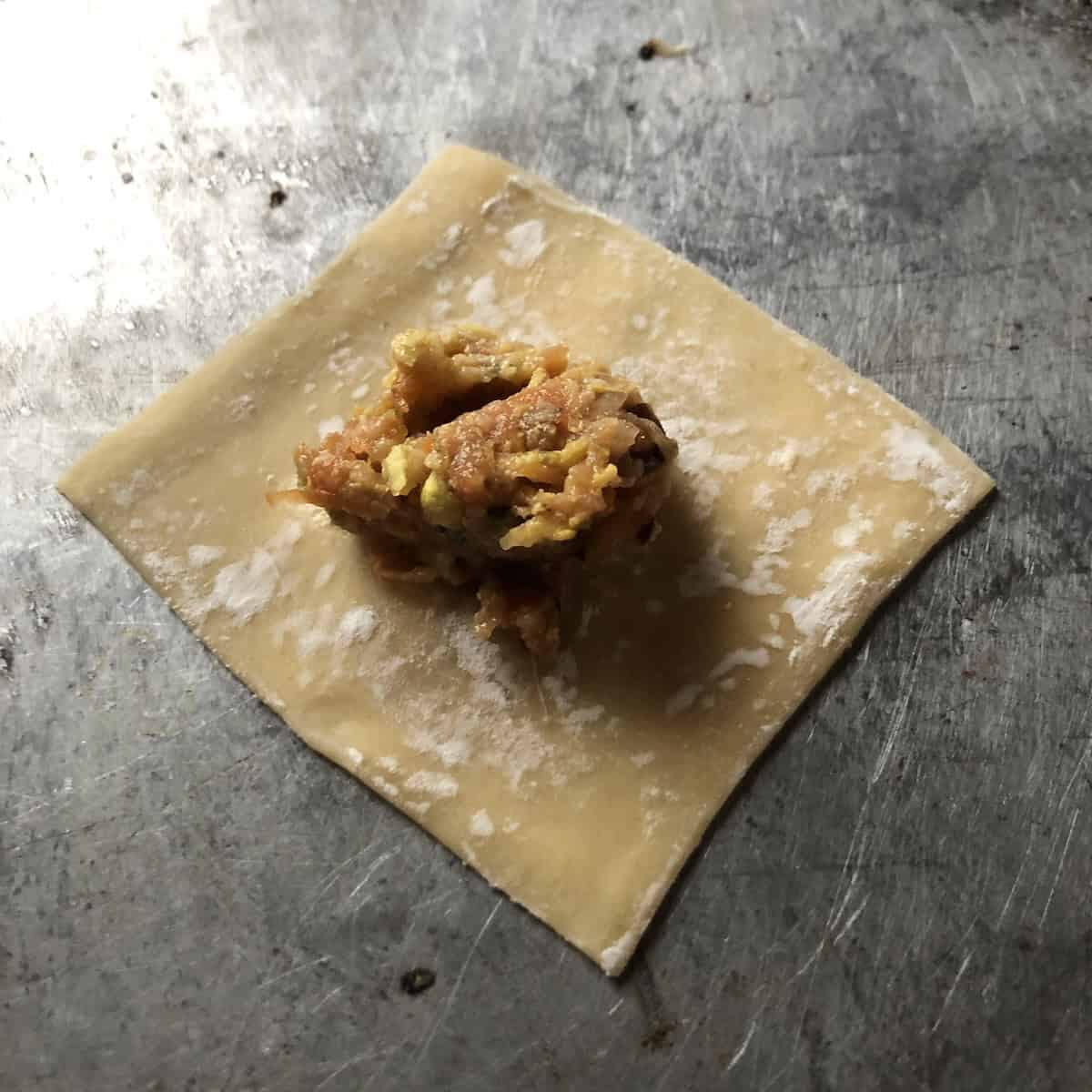
Resist the urge to overfill the wonton wrappers. It is tempting to add "just a little more," but an overstuffed wrapper will tear and split apart while you form it or later while it cooks.
The goal is a good dough-to-filling ratio that lets you seal the edges easily, pressing out any trapped air without the filling seeping out. From here, you can fold the wrappers into the traditional Chinese wonton shape (steps below) or leave them as flat triangular potstickers.
How to Fold Wontons
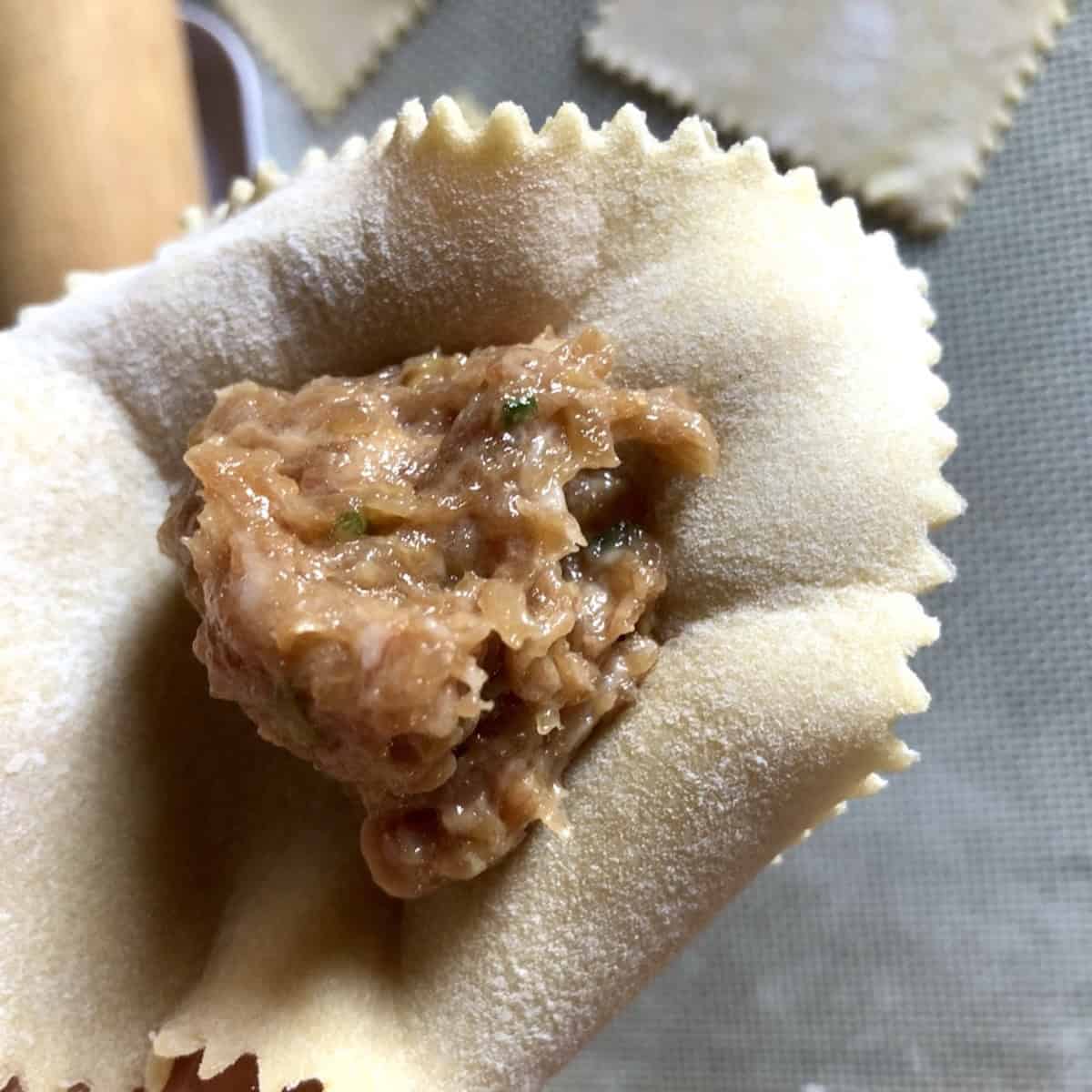
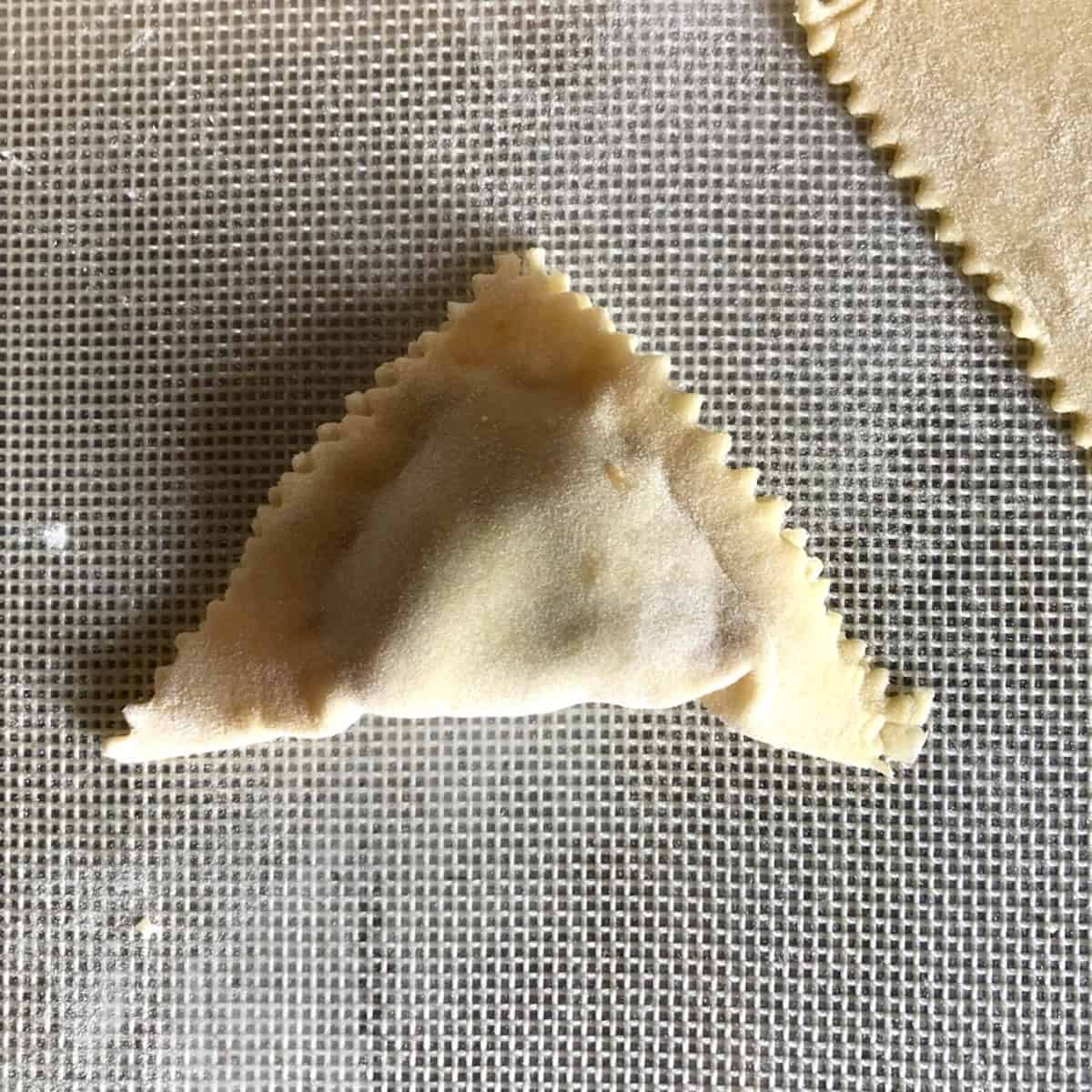
How to fold a wonton into the traditional Sichuan shape:
- Place a small amount of filling just off-center on the wonton wrapper. The egg in the dough makes it slightly tacky and easy to seal, but if the edges feel dry, dab them with a little water.
- Fold the wrapper over the filling corner to corner to make a triangle. Press out any trapped air, then press the edges firmly to seal so the filling stays put.
- Bring the two wide corners of the triangle together around the tip of your finger, overlap them slightly, and pinch to seal, dabbing with a little water if they need help sticking. That overlap is what gives a Sichuan wonton its classic folded shape.
- For flat triangular potstickers instead, stop after step 2 and leave the sealed triangle as is.
If you are making potstickers, you can usually get away with adding a little more filling, but remember, a little filling goes a long way.
How to Make Fun Wonton Wrapper Shapes with Cookie Cutters
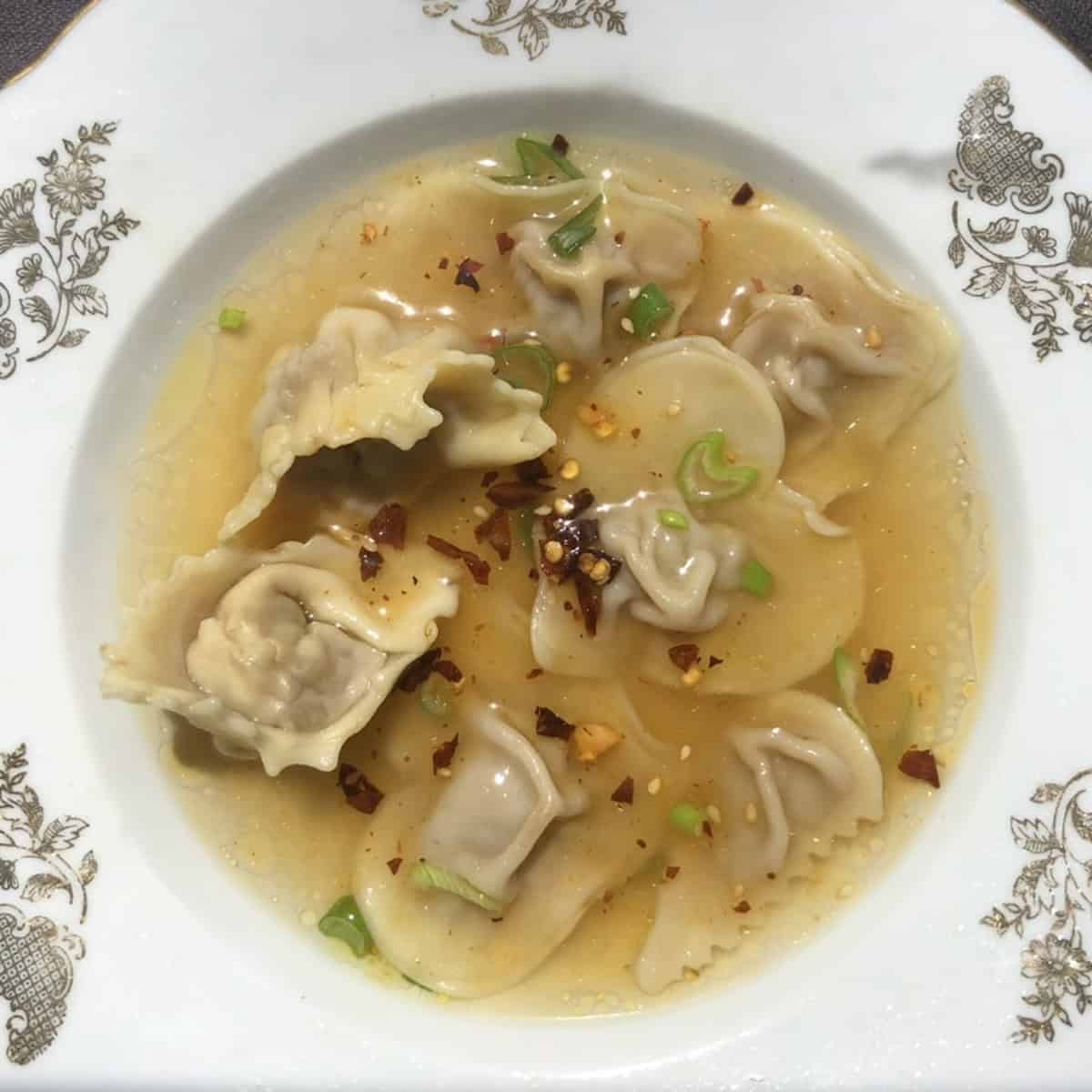
The traditional fold above is the classic, but it is not the only way to shape a wonton. Once you can roll and cut the wrappers, you can turn them into almost any shape, and a cookie cutter makes it easy. This is a fun one to do with kids or for a holiday like Valentine's Day. Here are a few of my favorites.
Heart-Shaped Wonton Wrappers
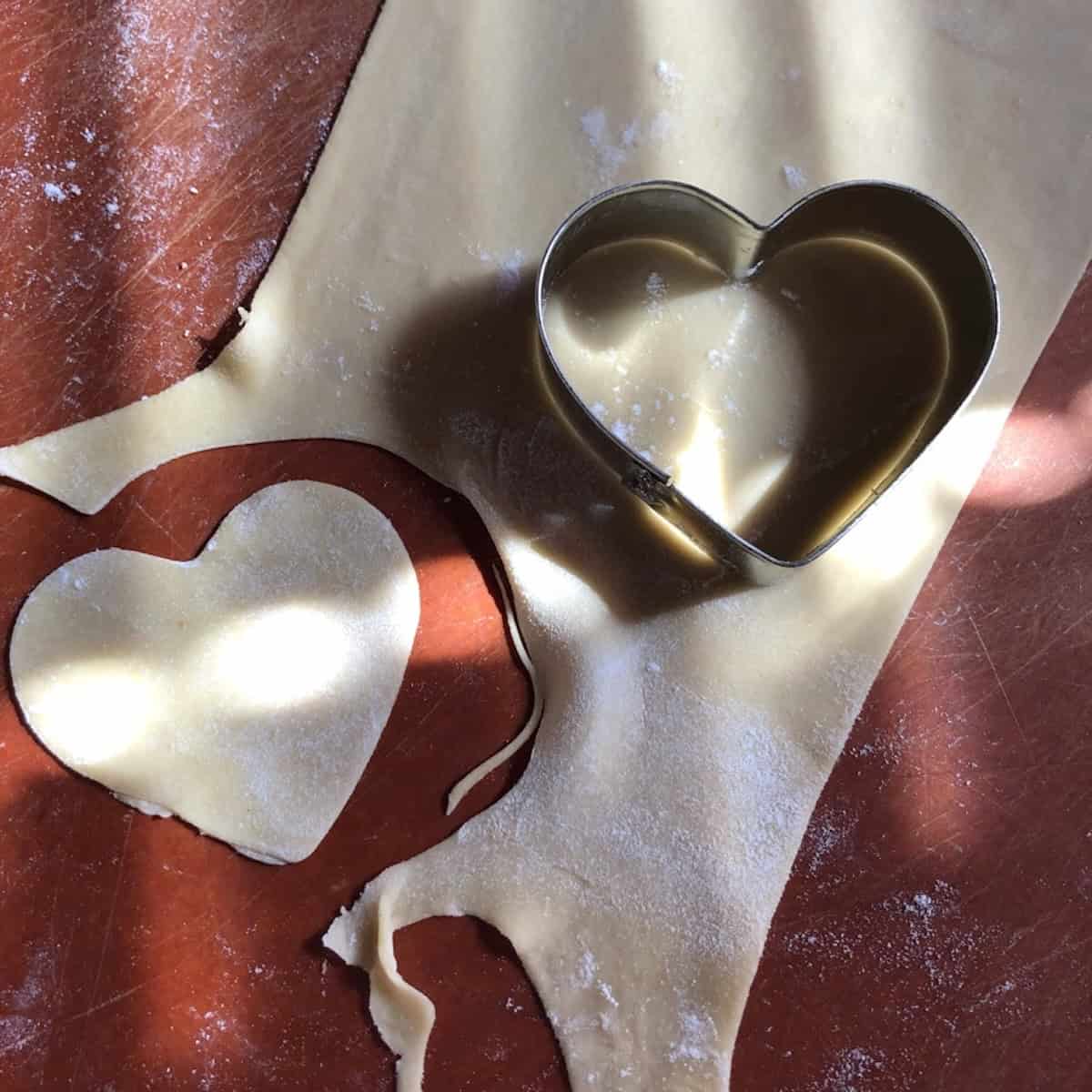
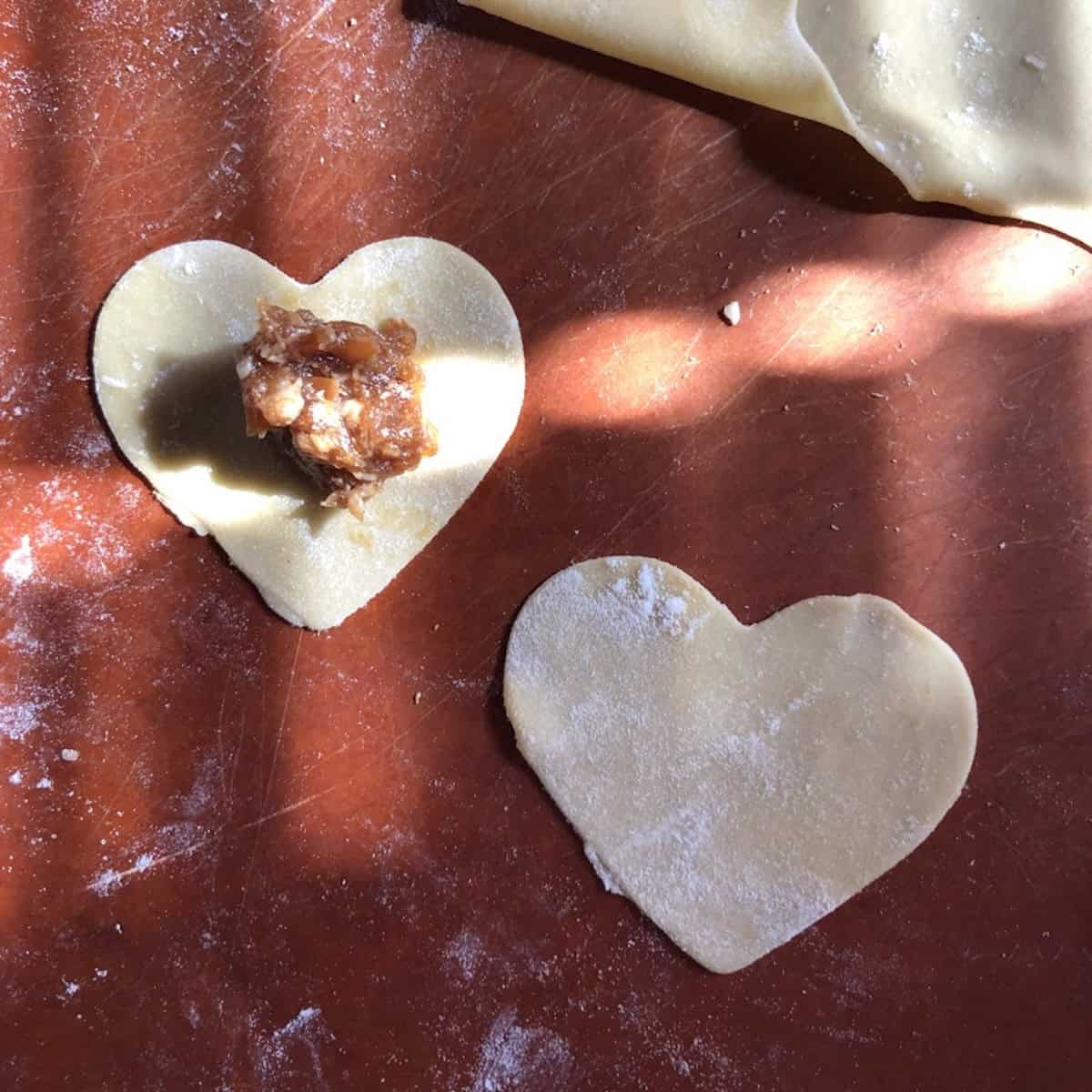
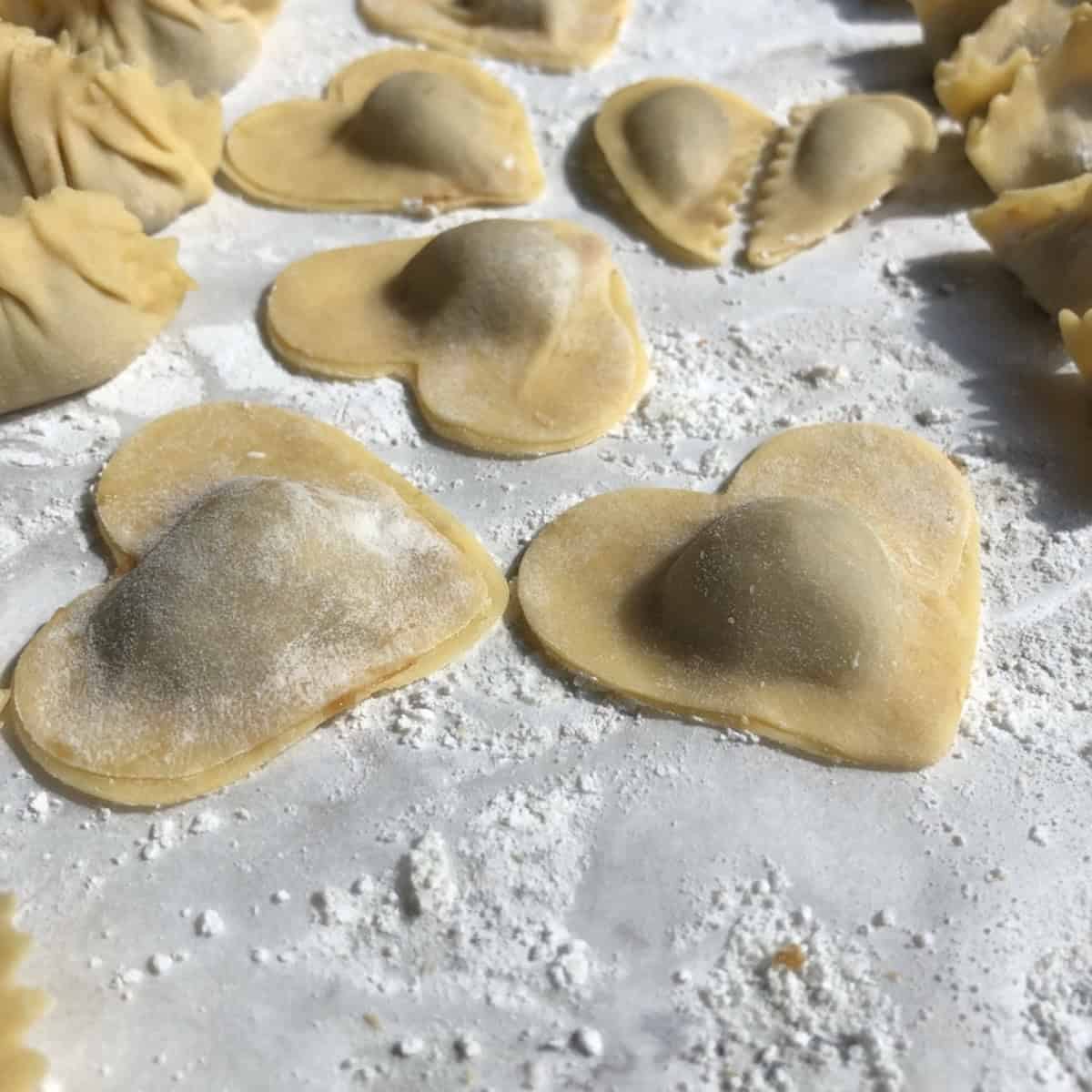
Roll the dough thin and cut out hearts with a cookie cutter. Place a little filling in the center of one heart, top it with a second heart, and press the edges to seal, crimping with a fluted pastry wheel or the tines of a fork for a decorative edge. They seal like a tiny ravioli, which I love since I am rolling pasta all the time here in Italy.
Broken-Heart Wonton Wrappers
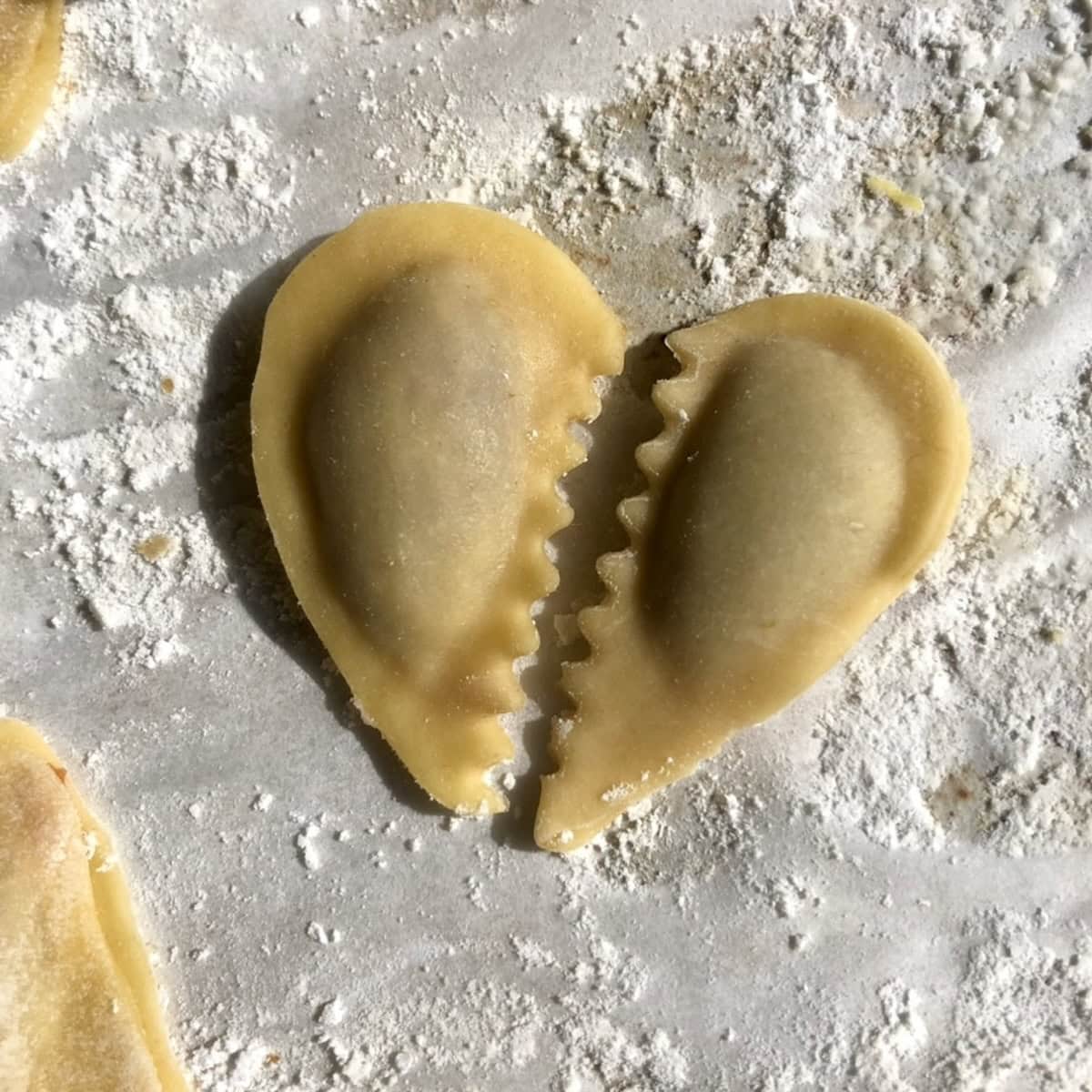
For a broken heart, cut and fill a heart the same way, then run a fluted wheel straight down the center so it looks split in two. A fun anti-Valentine's or Galentine's touch.
Dumpling and Classic Shaped Wontons
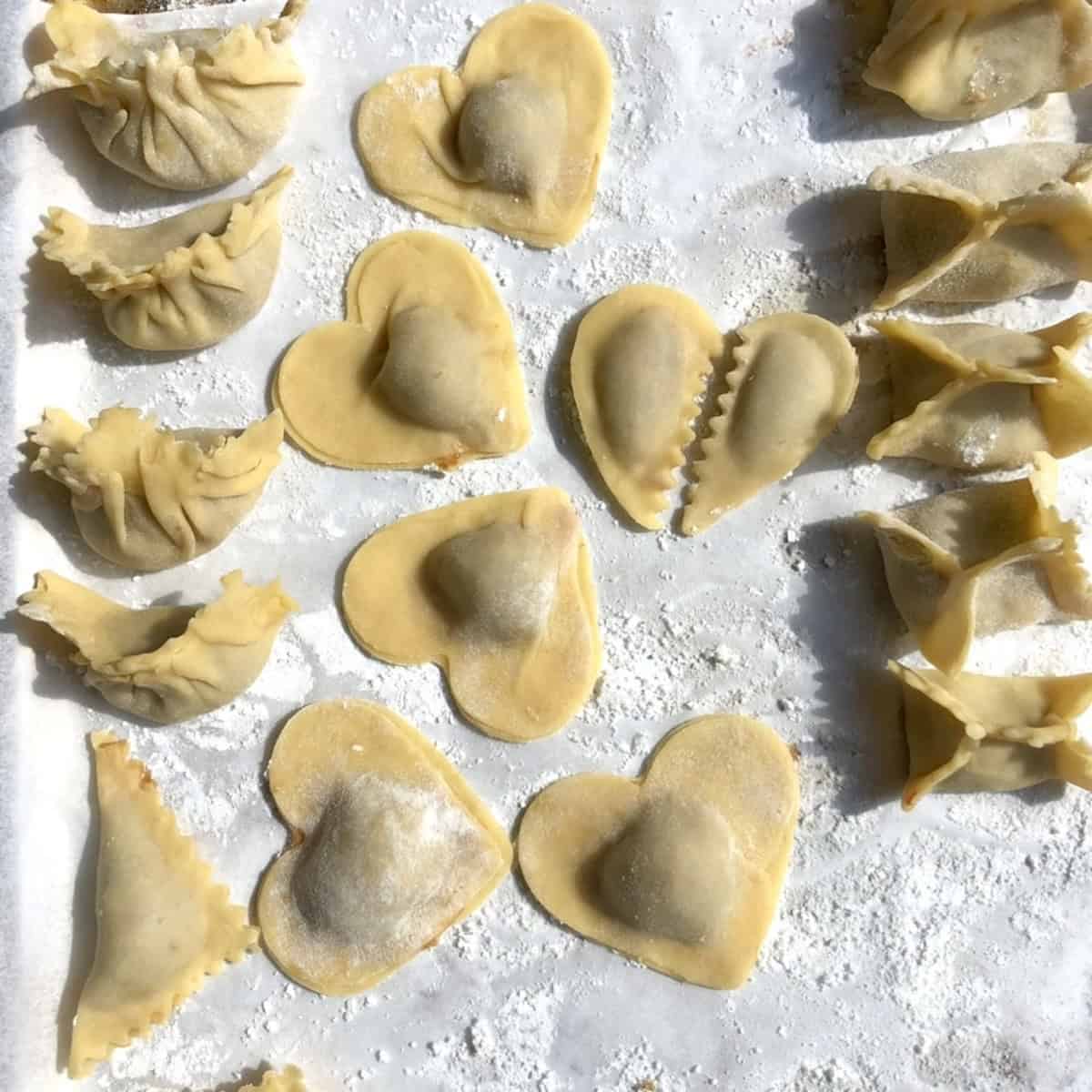
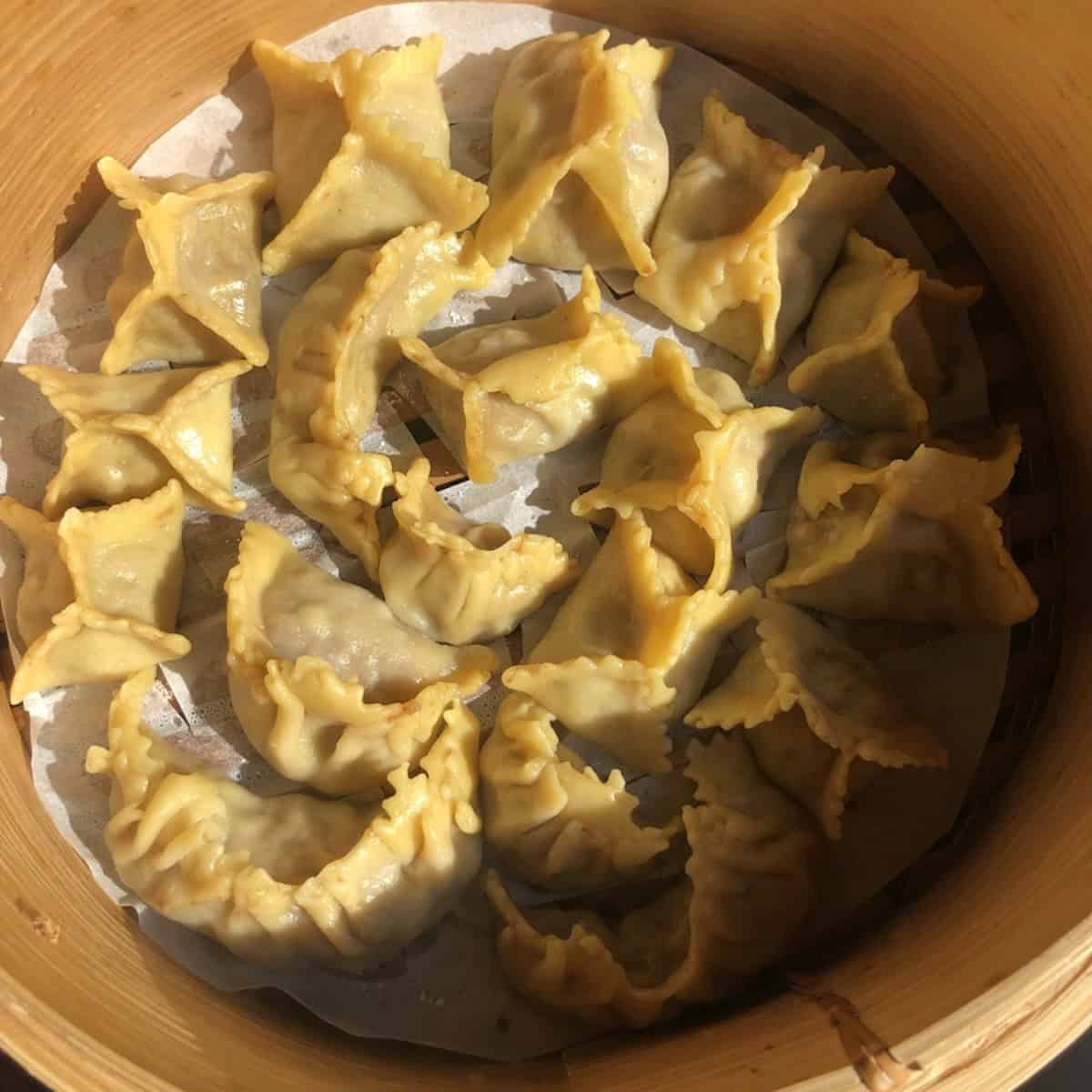
You can also pleat these wrappers into classic dumpling shapes or use the traditional folded wonton from the steps above. Mix and match on one tray for a pretty spread.
Shaped wontons cook just like the standard ones. Boil them in soup or broth, steam them in a bamboo steamer, or pan-fry them into crisp-bottomed potstickers. Cook them to a safe internal temperature (see the food safety notes below).
How to Use Homemade Wonton Wrappers (with Photos)
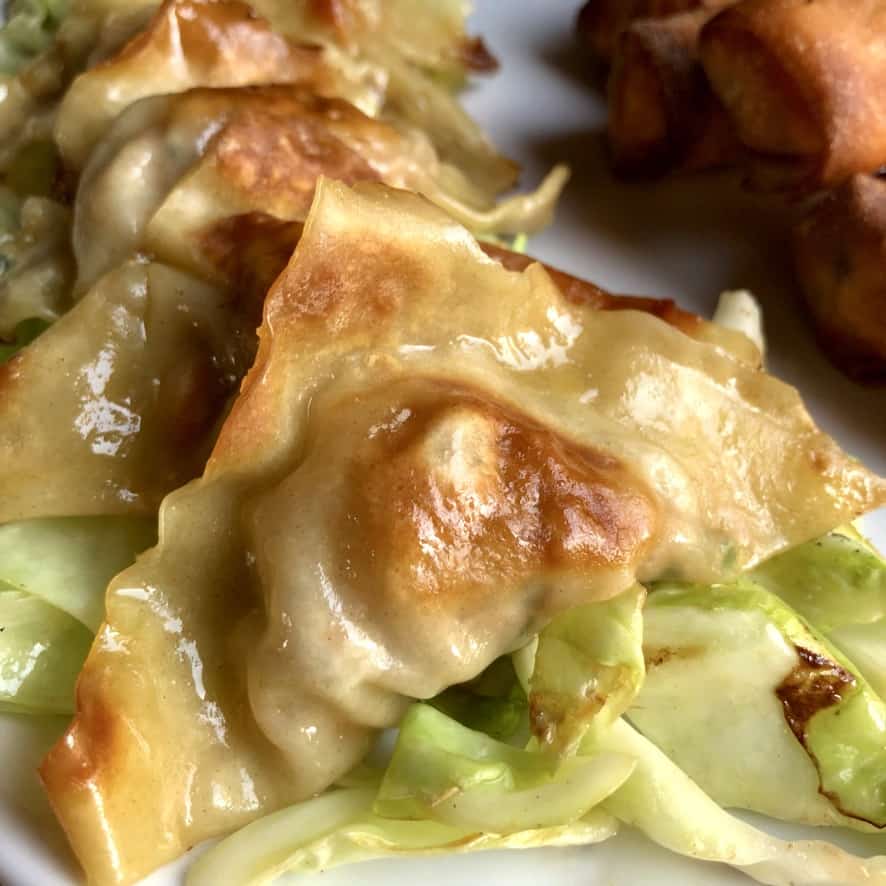
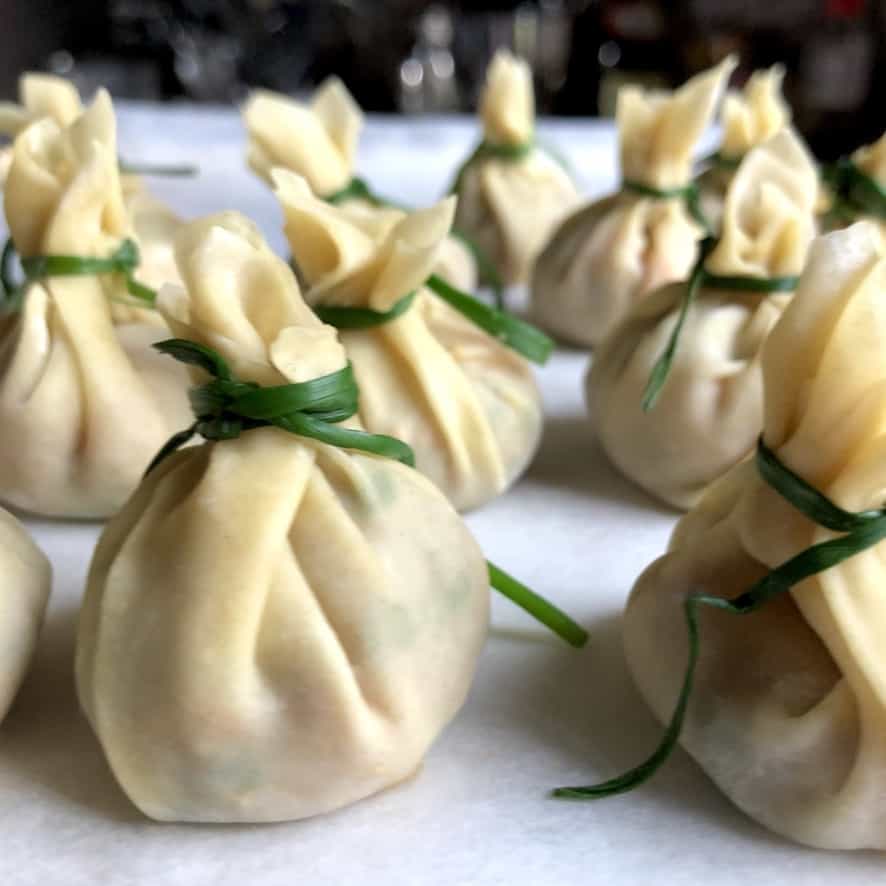
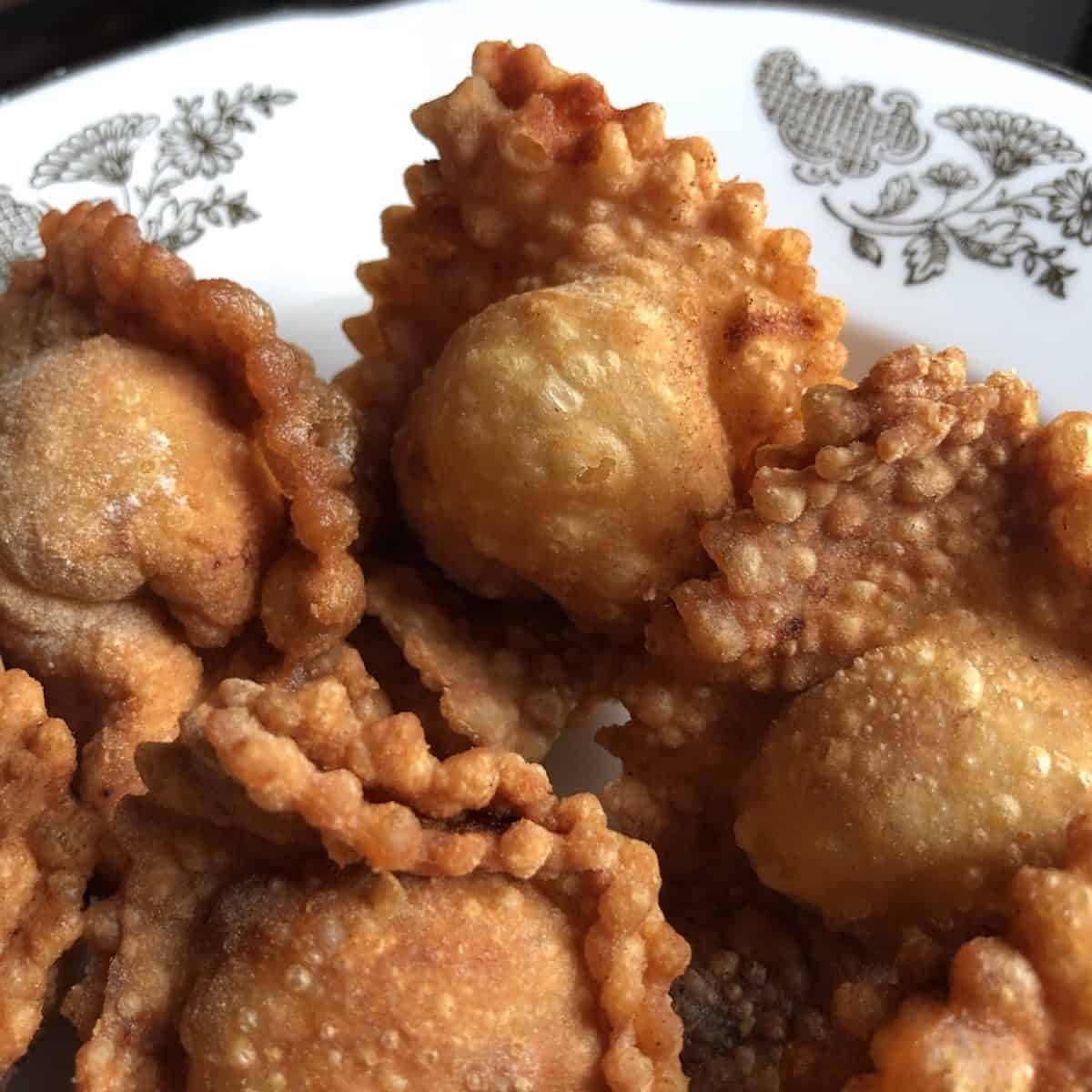
Use these homemade wrappers to make wonton strips for egg drop soup, fried wontons, wonton soup, Sichuan wontons in red chili oil, moneybag dumplings,


FAQs
Wonton wrappers are thin sheets of dough made from a few pantry staples. This homemade recipe uses all-purpose flour, egg, water, and a little salt, which gives the wrappers strength and a silky, chewy bite. Store-bought versions vary, since some include egg and some are just flour and water, so making them yourself lets you control exactly what goes in.
They start from a similar flour-and-water dough but are not identical. Wonton wrappers include egg and are rolled thinner and cut into squares, while dumpling wrappers have no egg and are usually thicker and cut into rounds. You can use one in place of the other in a pinch, though the texture and fold will change. There is a full breakdown higher up in this post.
No. Traditional wonton wrappers, including this recipe, are made with wheat flour, so they contain gluten and are not gluten-free. To make a gluten-free version, swap in a measure-for-measure gluten-free flour blend, then handle the dough gently and dust it well, since it is more delicate and behaves a little differently than wheat dough.
Both work. You can even use 00 flour to make wontons, which I've done many times here in Italy. This recipe uses King Arthur all-purpose flour for tender, easy-to-roll wrappers from ingredients most people keep on hand. For a sturdier, slightly chewier wrapper that is a little easier to fill, use the bread flour variation in this post, since bread flour has more protein, which gives the dough extra structure.
This is an egg wonton wrapper, and the egg adds richness and helps the dough hold together for paper-thin wrappers that resist tearing. Not every wrapper uses egg, and many traditional Chinese versions are made with just flour and water. If you're looking for an egg-free wonton wrapper, check out my 2-ingredient Chinese dumpling wrappers instead.
It depends on the dish. Filled wontons are usually boiled in water or broth for soup, steamed, or pan-fried into potstickers, and the wrappers fry up crisp on their own for the best wonton strips ever. Cook filled wontons until the wrappers turn tender and translucent and the filling reaches a safe internal temperature, as noted in the food safety section above.
Yes. They are best used the day you make them, but you can refrigerate them overnight or freeze them with plenty of cornstarch between each layer (or wax or parchment paper) so they don't stick. Freeze them flat in a sealed bag and cook filled wontons straight from frozen. See the food safety notes for handling raw dough that contains egg.
Recipes to Use Homemade Wonton Wrappers Plus More Tasty Dim Sum Dishes
If you're looking for a few other dishes to round out your takeout night in, below are a few of our favorites we think you may also enjoy.
- 2-Ingredient Dumpling Wrappers (Easy Chinese Dumpling Dough)
- Chili Crisp Cream Cheese Dip (w/Homemade Wonton Chips)
- Crispy Shrimp Burger Recipe (Homemade Teochew Shrimp Patties + Video)
- Naturally Colored Dumpling Wrappers (For Chinese New Year (春节)
- Asian Sesame Dressing (Easy 5-Minute Homemade Recipe + Video)
- Chili Oil Firecracker Shrimp Spring Rolls (With Video)
- Har Gow Recipe 虾饺 (Steamed Shrimp Dumplings + Video)
- Authentic Sichuan Wonton Soup (Long Chāo Shǒu 龙抄手)





Let's get started!
Print📖 Recipe
How to Make Homemade Chinese Wonton Wrappers
- Total Time: 1 hour
- Yield: 60 Wonton Wrappers
- Diet: Vegetarian
Description
If you love paper-thin chewy wontons, potstickers, or even those delicious crispy fried wonton strips found in your favorite egg drop soup and Asian-inspired salad recipes, you'll want to make this wonton wrapper recipe. Not only is it super easy, but it also uses the most basic pantry ingredients you probably already have on hand.
Ingredients
- 4 cups all-purpose flour (480g)
- 3 large eggs, lightly whisked (150g)
- 1 teaspoon kosher salt (6g)
- 6 to 8 tablespoons warm water (90g to 118g) *see notes for adding the correct amount of water*see notes for adding the correct amount of water
- cornstarch for rolling out and dusting
 Get Recipe Ingredients
Instructions
- Make the wonton dough. In a large bowl (or the bowl of a stand mixer fitted with the dough hook attachment), add the flour and salt and stir to combine. Add the beaten egg and stir well to incorporate it (it'll be a shaggy mess at this point). Slowly add the water 1 tablespoon at a time just until the mixture comes together, and you can form it into a ball. It should be fairly stiff at this point, not super soft and pliable. Add more flour 1 teaspoon at a time if it's too soft.
- Lightly knead the dough & rest it. If kneading the dough by hand, remove the stiff dough round from the mixing bowl and knead it for about 2 minutes, place it back into the bowl, cover it with sustainable cling film, and allow it to rest at room temperature for 10 minutes (this helps the gluten relax and makes it easier to knead by hand). If using a stand mixer with the dough hook attachment, you can skip letting it rest and begin kneading it right away.
- Fully knead the dough & rest it. Knead the dough in the mixer using the dough hook attachment on speed 2 for 10 minutes (or by hand for about 12 minutes) until the dough is smooth and pliable. Cover the dough and rest it for up to 30 minutes to allow the dough time to hydrate, and the gluten to relax, making it easier to roll.
- Roll out the wonton wrappers. Divide the dough into 4 equal pieces. Starting with one piece, on a lightly cornstarch-dusted workspace (or on a Silpat, with just a little cornstarch or none at all if it's not sticking to the mat), roll the dough out into a rectangle about ¼ inch thick. Dust it with cornstarch and fold it like a business letter (see step-by-step photos in the main post). Cover it with sustainable cling film while you roll the remaining three pieces of dough, repeating the same steps for each. Once all four dough pieces have been rolled, dusted with cornstarch, folded, and covered, allow them to rest for 30 minutes.
- Cutting the wonton wrappers. Remove one piece of rested dough onto a lightly dusted workspace and unfold it. Sprinkle it with a little flour and roll it out to ⅛ inch thick (paper-thin), dusting with more cornstarch as needed to prevent sticking. Using a pizza wheel cutter or a knife, cut the dough into 3-inch (8cm) squares. Dust them well before stacking them on top of each other to keep them from sticking. Repeat with the remaining dough. Save the scrap pieces to be used as noodles in soup, or fried to make delicious crispy wontons, and Enjoy!
Notes
A note on the precise amount of water I used: When I tested this again in June, one full batch took 6 tablespoons plus 1 teaspoon of water (95g). Yours may differ slightly with the season, your kitchen's humidity, and the brand of flour. You may need up to 8 tablespoons. This is why it's important to add just 1 tablespoon at a time, then, as it starts coming together, only add about 1 teaspoon at a time until you get the perfect, fairly stiff dough.
Dough Too Soft? If your dough feels too soft or sticky, you likely added too much water. Knead in additional flour, 1-2 tablespoons at a time, until the dough becomes firm and slightly tacky but not sticky. Remember: wonton dough should be stiff, not soft. Let it rest for 20-30 minutes, then proceed with rolling. If still too soft, refrigerate for 20+ minutes to firm up before rolling.
Dough Too Stiff? If your dough is crumbly and won't come together, you didn't add enough water. Wet your hands with warm water and knead the moisture into the dough, or add water 1 teaspoon at a time until the dough becomes cohesive. The dough should feel stiff and firm but should hold together when pressed-not crumble apart.
Using a Pasta Machine: Roll dough through a pasta machine instead of by hand. Flatten pieces first to fit the widest setting, then gradually increase to #5 or #6 on Atlas Mercato machines for perfect wonton thickness.
Cutting Straight Lines: Use a rolling pin or a long yardstick ruler as a guide with your pizza cutter for straighter wrapper edges.
Cornstarch is Key: Use generous amounts between wrappers to prevent sticking. Alternative method: Roll, cut, fill, and freeze one dough portion at a time-ideal for solo work without helpers.
Zero Waste: Save all scrap pieces to make fried wonton strips, chicken soup, or egg drop soup additions. Freeze raw scraps in bags and fry directly from frozen for crispy salad toppers or homemade wonton strips.
Storage: Best used immediately, but wrappers can be refrigerated overnight or frozen with plenty of cornstarch between each layer to prevent sticking.
- Prep Time: 1 hour
- Cook Time: 0 minutes
- Category: Appetizer, Dim Sum, Dim Sum + Dumplings, Dinner
- Method: Mix & Knead
- Cuisine: Chinese
Nutrition
- Serving Size: 5 Wontons
- Calories: 158
- Sugar: 0g
- Sodium: 190mg
- Fat: 1.5g
- Saturated Fat: 0.5g
- Unsaturated Fat: 0g
- Trans Fat: 0g
- Carbohydrates: 30.5g
- Fiber: 1g
- Protein: 5.5g
- Cholesterol: 93mg

Food Safety
Because this wonton wrapper dough contains raw flour and raw egg, a few safe-handling steps matter.
- Do not taste or eat the raw dough. Raw flour and raw egg can carry bacteria such as E. coli and Salmonella, which are only destroyed by cooking.
- Cook filled wontons fully. The wrappers themselves cook in a minute or two, but the filling is the thing to watch. Cook to a safe internal temperature of 165°F (74°C) for poultry fillings and 160°F (71°C) for ground pork or beef.
- Keep raw filled wontons cold. Refrigerate or freeze them promptly instead of leaving them at room temperature, and cook frozen wontons straight from the freezer.
- Wash your hands, utensils, and work surfaces after handling raw dough and raw fillings.
For current safe-handling and temperature guidance, see the USDA Food Safety and Inspection Service (FSIS) Safe Minimum Internal Temperature Chart.



Carlene M. says
These were perfect! I used ap flour and a scale to weight everything and followed everything as written. Your instruction photos were clear (very helpful). I live in rural West Virginia and we have to go 2 towns over to even get to a store where the employees would even know what a wonton wrapper was🤣. They were much easier than I thought they would be to make. Filled them with your chicken and zucchini dumpling filling and my husbans and kids gave'em an 11 out of 10 (better than Fuji's they said)! Thanks 🙏 😊. Highly recommend this recipe and your dumpling filling too!
Kelly Leding says
Wow, Carlene! Thank you for taking the time to leave your feedback❤️...it means a lot!). I'm so glad you don't have to drive 2 towns over anymore when you're craving wontons and dumplings😂! I too grew up in a small rural town in the South, but yours sounds a bit smaller than mine. I'm really happy your family enjoyed them and that got everything just right. Using a scale definitely helps with that! Take care and happy cooking!
Robby H. says
The texture is perfectly silky...thin and delicate but strong enough not to tear when I was filling and folding them. I made both wontons and potstickers with these and they turned out great! I fried the leftover pieces and damn were they DELICIOUS!The dough was easy enough to work after I adjusted for putting a little too water into the dough in the initial stage (I recommend adding 1/2 tablespoon of water at a time instead of the full tablespoon called for just so you don't end up with a dough that was a little too soft). I added a little more flour back as you recommended so I'd end up with a somewhat stiff dough ball and it worked:) Definitely going to try your bread flour wonton wrapper next to see the differences and your dumpling dough. 😊
Andromeda LeTourneau says
Can you please make a detailed step by step video on how to make these? Pleeeease?! 😊
Kelly says
Hi Andromeda! The next time I make these, I'll definitely create a video and add it to the recipe and give you a heads up when I do:) Thanks for the suggestion🤗. FYI, you can also use bread flour (which I've almost exclusively started using because the dough seems even easier to work with) and you can find that recipe here for comparison: Easy Homemade Wonton Wrappers (Using Bread Flour). Have a great weekend!