

This Baked Baking Soda recipe produces an alkaline salt that's used to make the best slippery, extra springy, homemade ramen (noodles) and Chinese wheat noodles for dishes like dan dan mian (and it even works as a great substitute for lye water when making homemade pretzels).
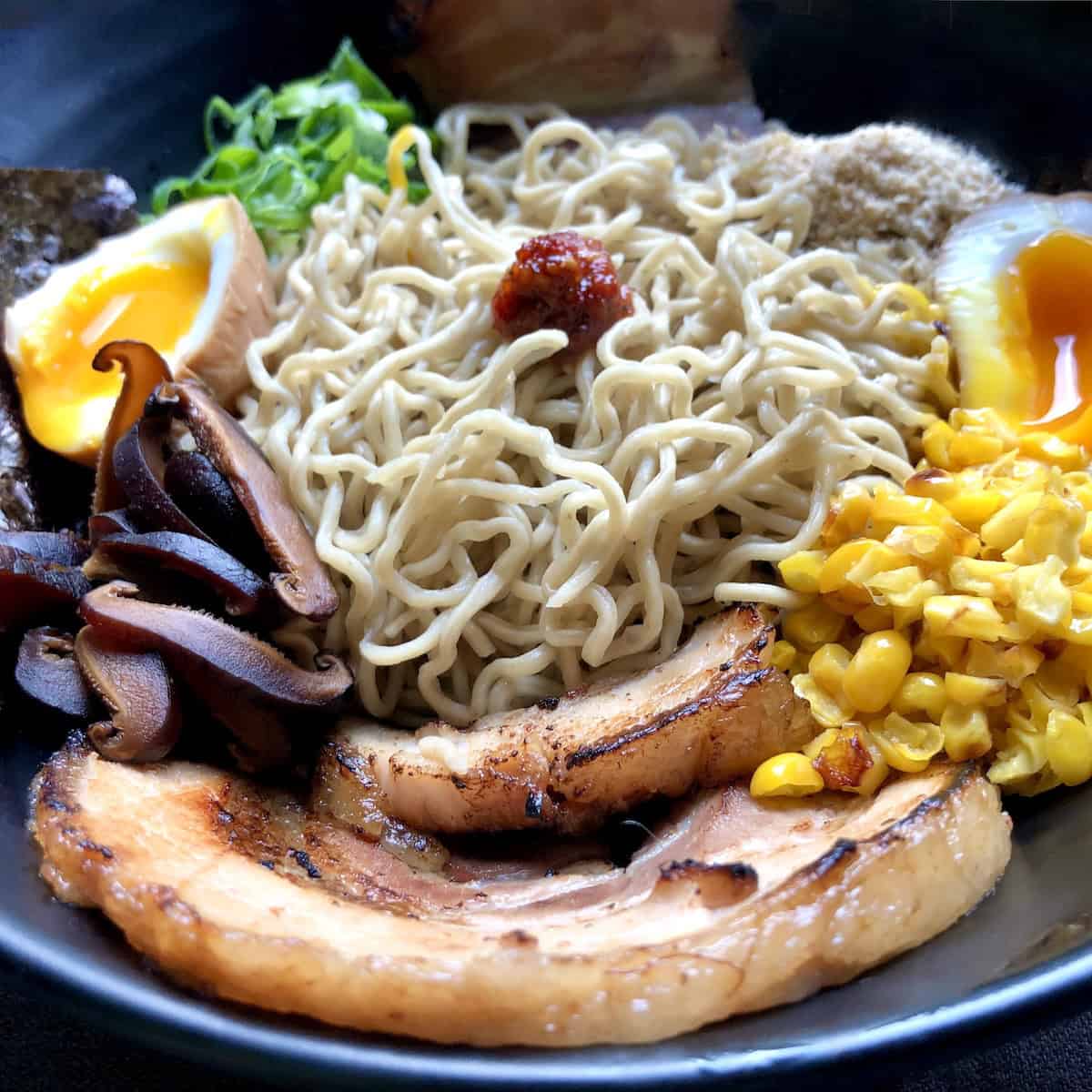
If you're here, you're likely about to make ramen (noodles) for the first time! Exciting - because homemade ramen is incredibly easy to make at home and better than some ramen restaurants that take shortcuts (like not using the correct cuts of pork or chicken, etc., or simply not cooking it long enough).
If you're wondering what exactly is baked baking soda, and what's it used for? Here's the gist, but you can read more about it below.
When you heat baking soda in the oven for a long period of time, it chemically alters it from being bicarbonate of soda into sodium carbonate, which is an even stronger alkaline salt.
AKA the secret to making the best springy, chewy homemade ramen (noodles).
What Can You Make With Baked Baking Soda?
- homemade ramen (noodles)
- homemade pretzels (without using lye as an ingredient)
- Norwegian Lutefisk (a salted cod dish eaten at Christmastime)
- Chinese Century eggs
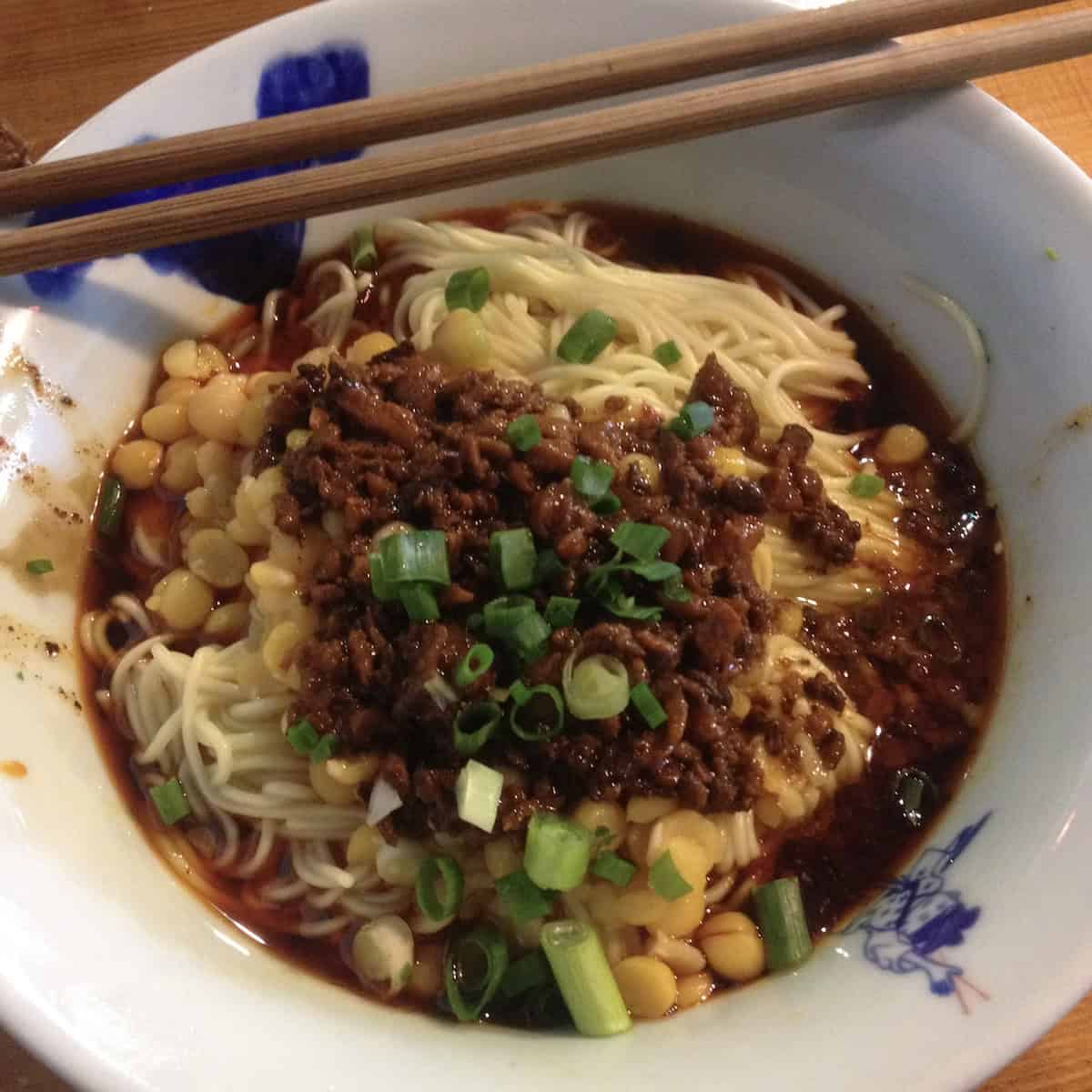
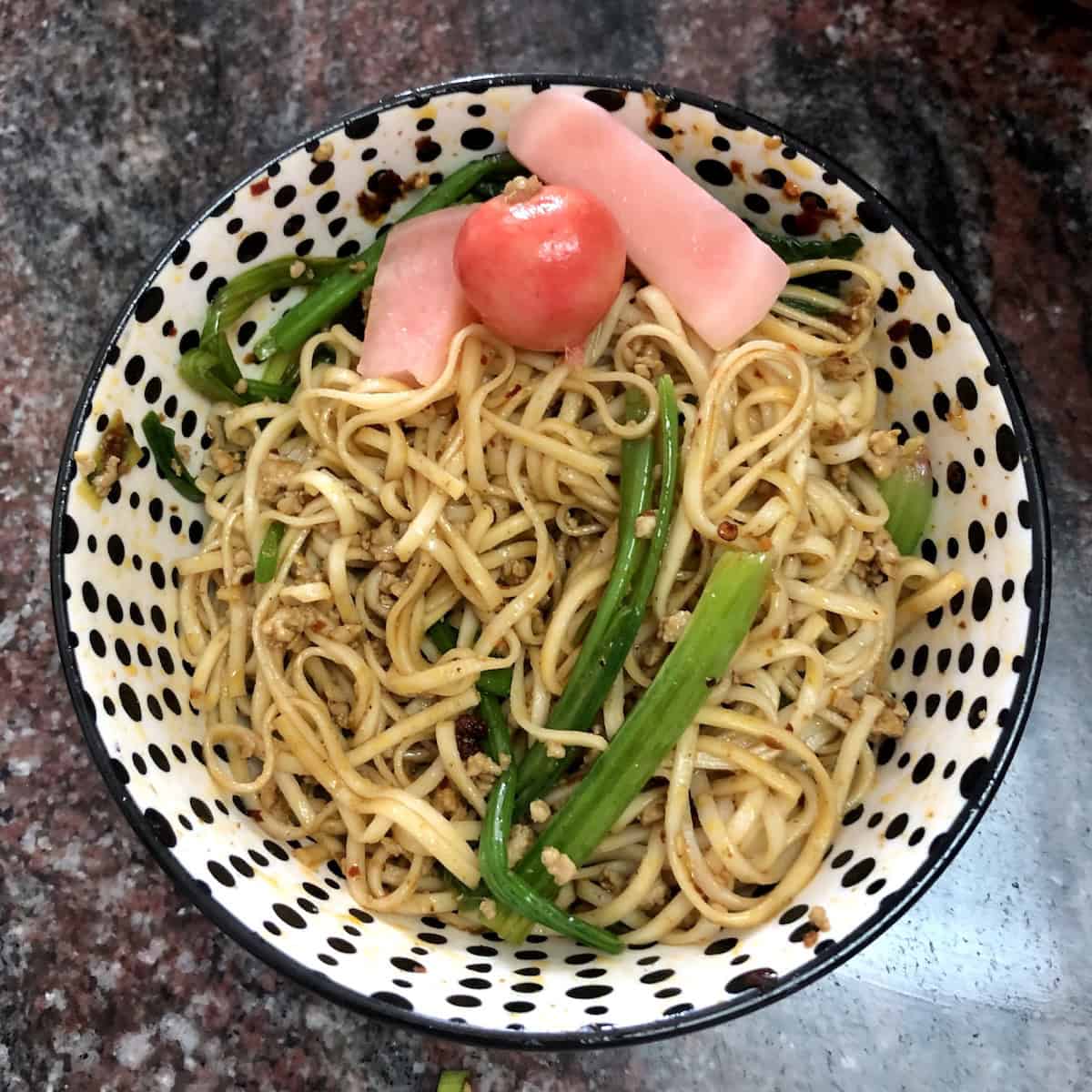
- Chinese wheat noodles for dishes like dan dan mian, Chengdu Zajiang noodles 杂酱面 (Zajiang Mian), Yibin ran mian 燃面 (Burning Noodles), & Sichuan sesame noodles (Guai Wei Mian, 怪味面)

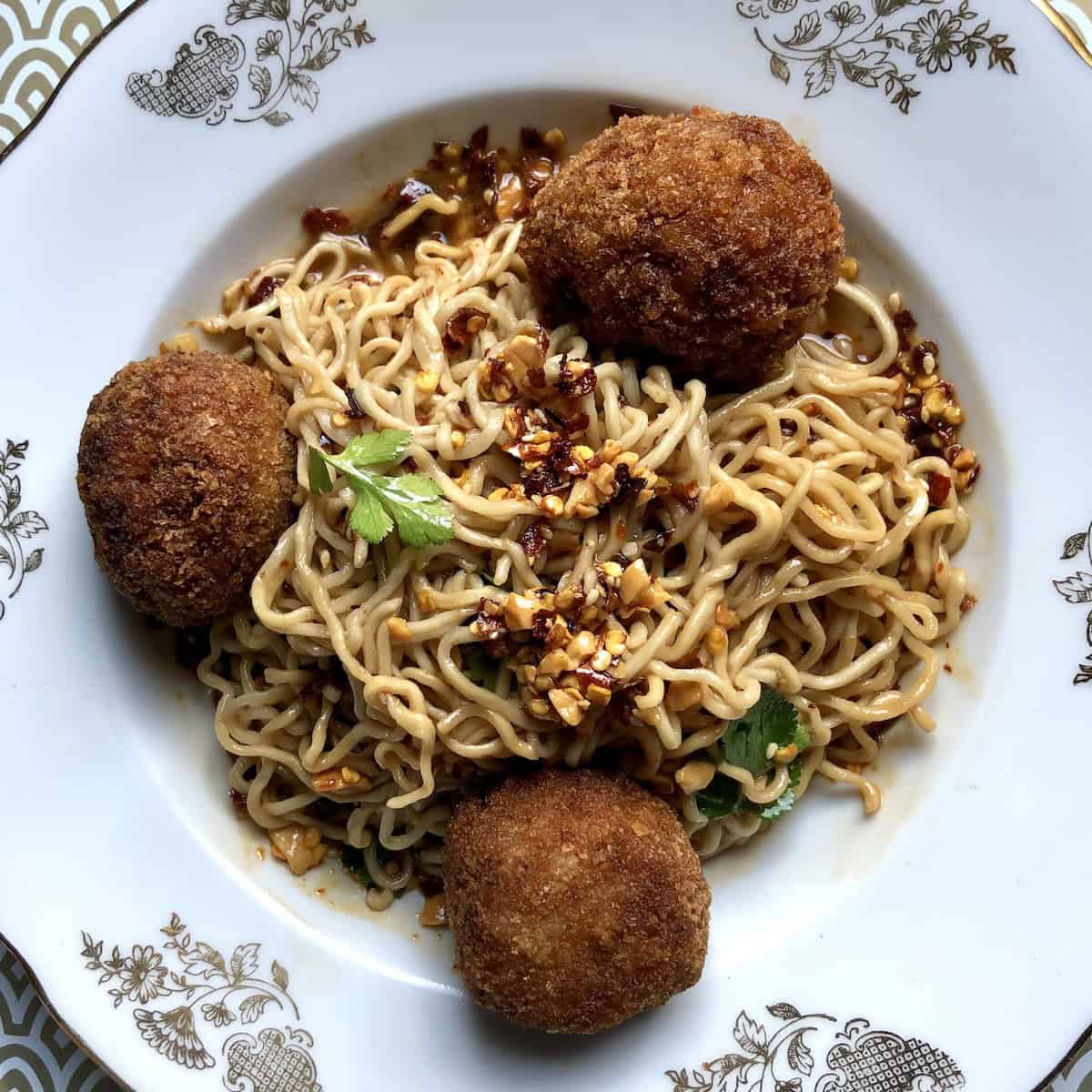
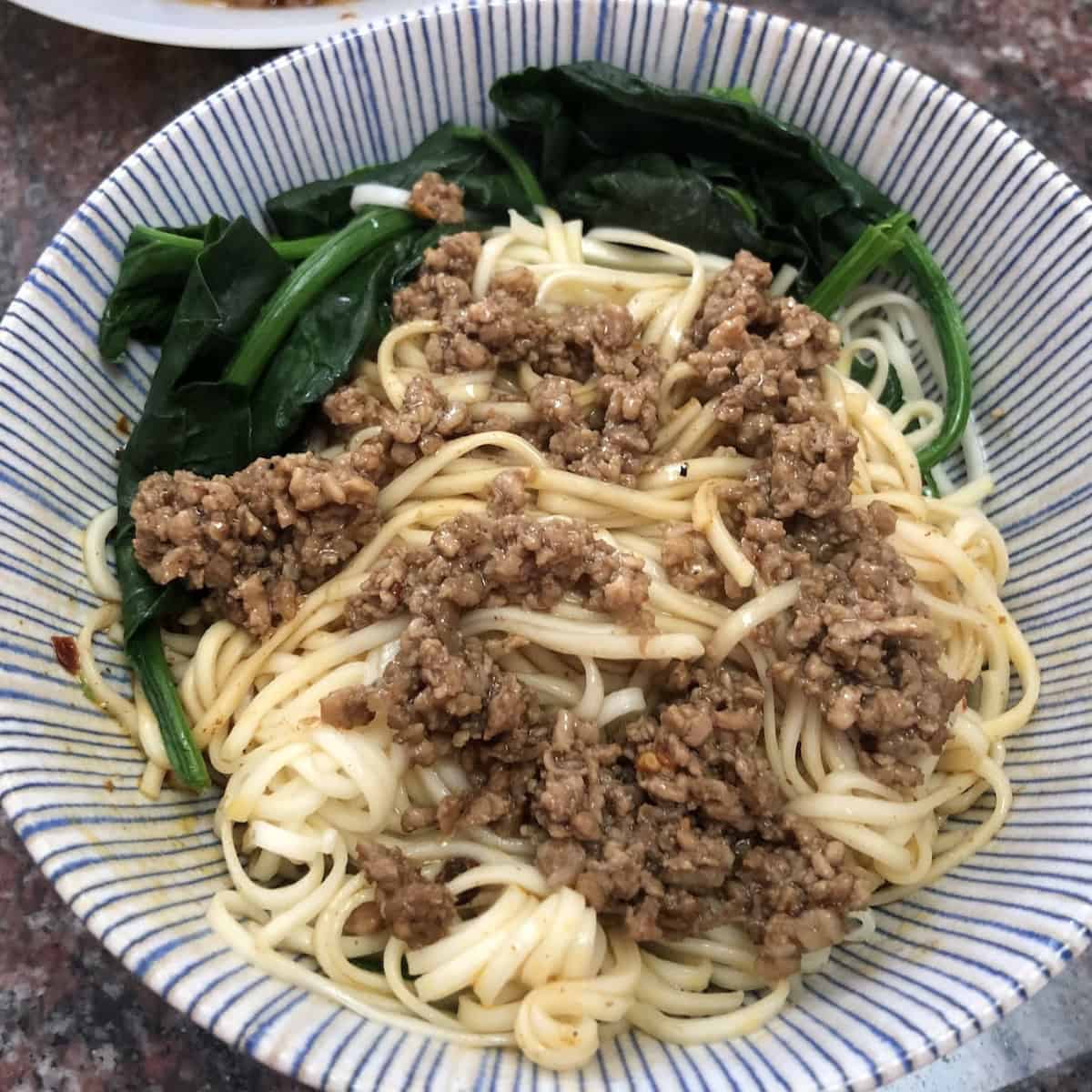
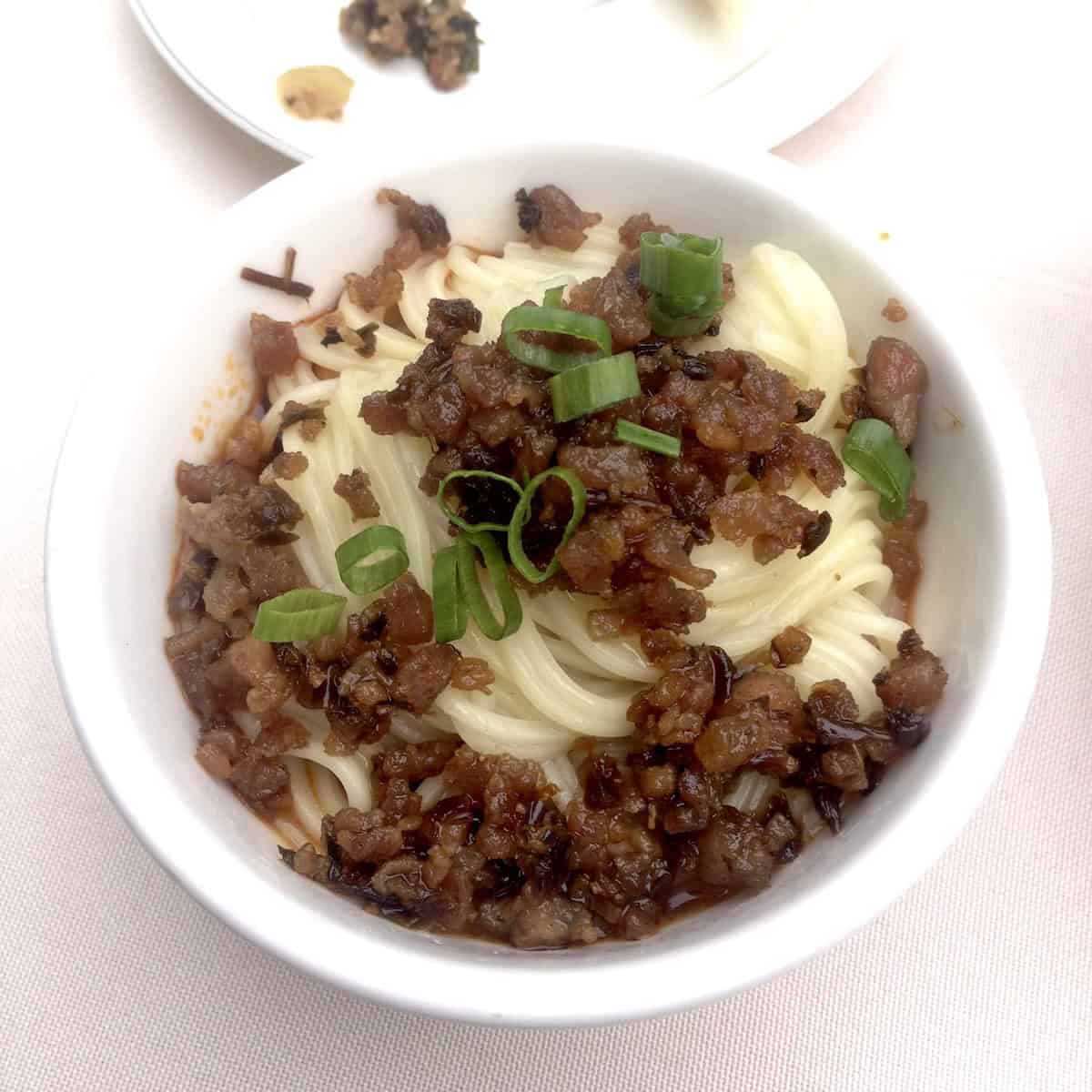
3 Ways To Make Alkaline Noodles At Home
If you're wondering if it\'s easy to make alkaline noodles at home, you'll be pleasantly surprised to learn that yes, it's actually very easy. You can make springy, chewy, flavorful alkaline noodles three different:
- Homemade version: Bake regular baking soda in the oven for one hour in a preheated oven at 250°F/121°C, which turns it into a stronger alkaline.
- Or, use commercially produced food-grade Chinese (jian shui or jian water or powder)
- Or, Japanese lye water or powder (kansui), which is a combination of potassium carbonate and sodium bicarbonate in liquid or dry forms.
Both the kansui and Jian shui can be can be purchased online.
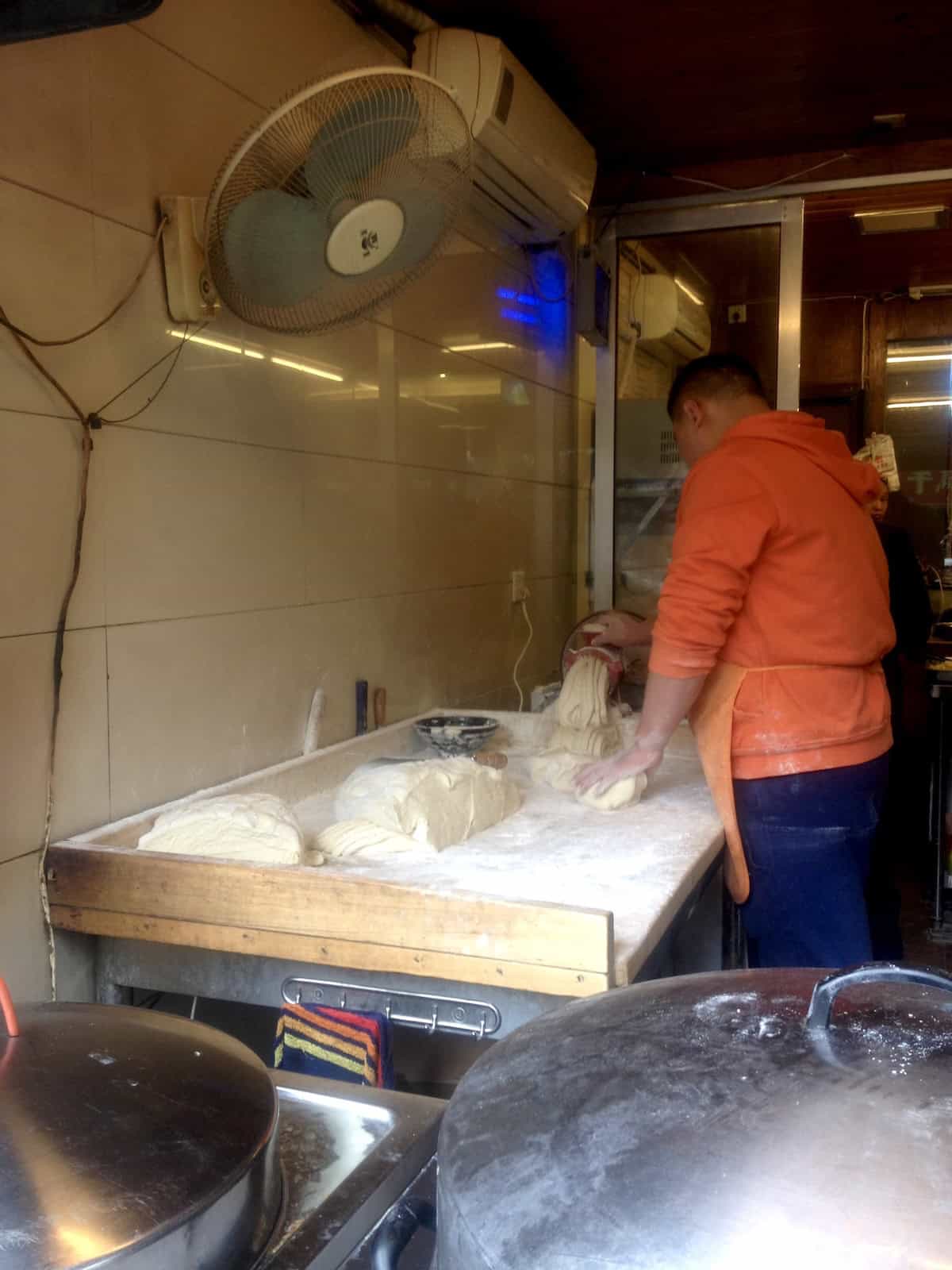
What Are Alkaline Noodles And Where Do They Originate From?
Alkaline noodles are noodles made using water with a higher pH than that of normal drinking water. Regular drinking water has a pH around 7, and alkaline water has a pH between 9 and 11.
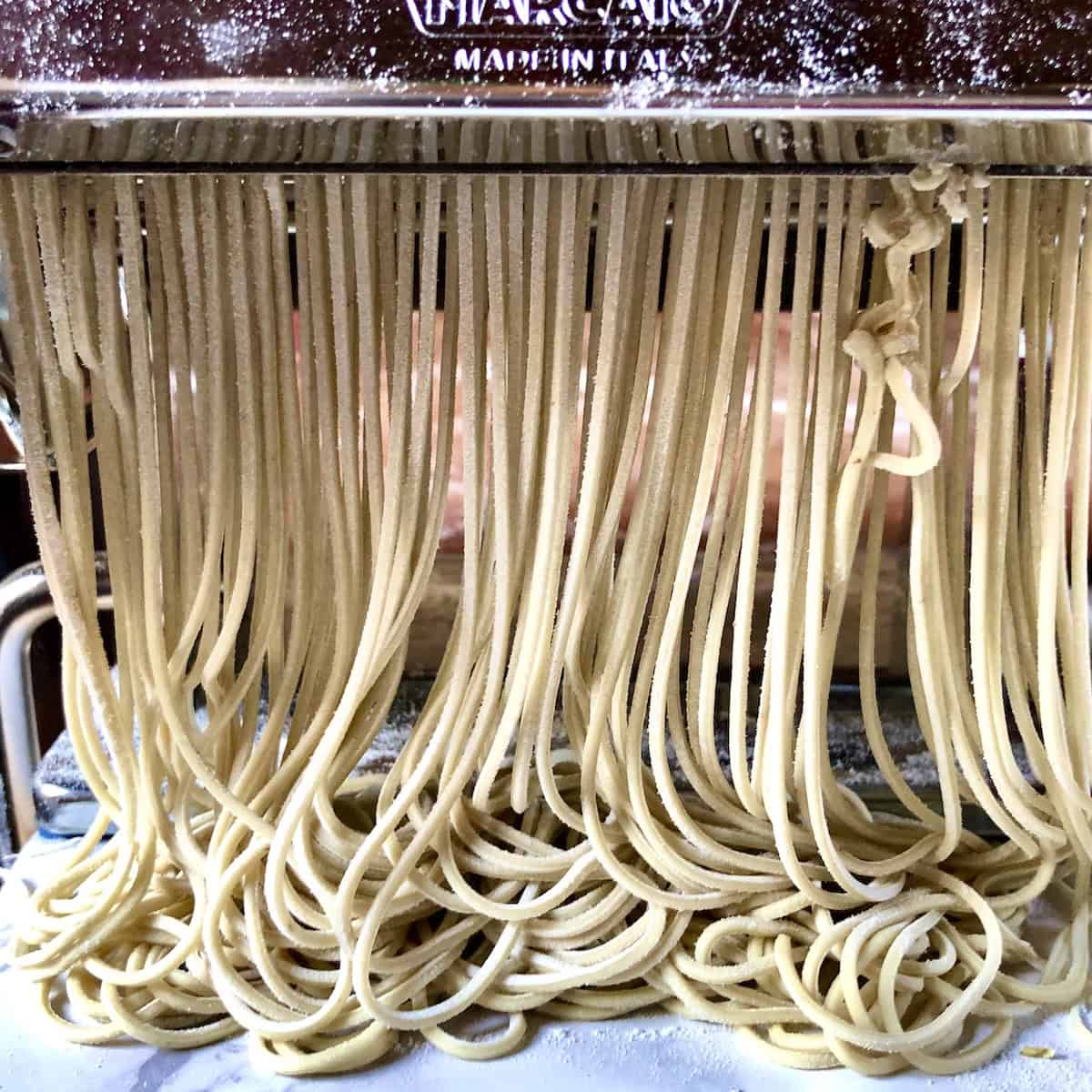
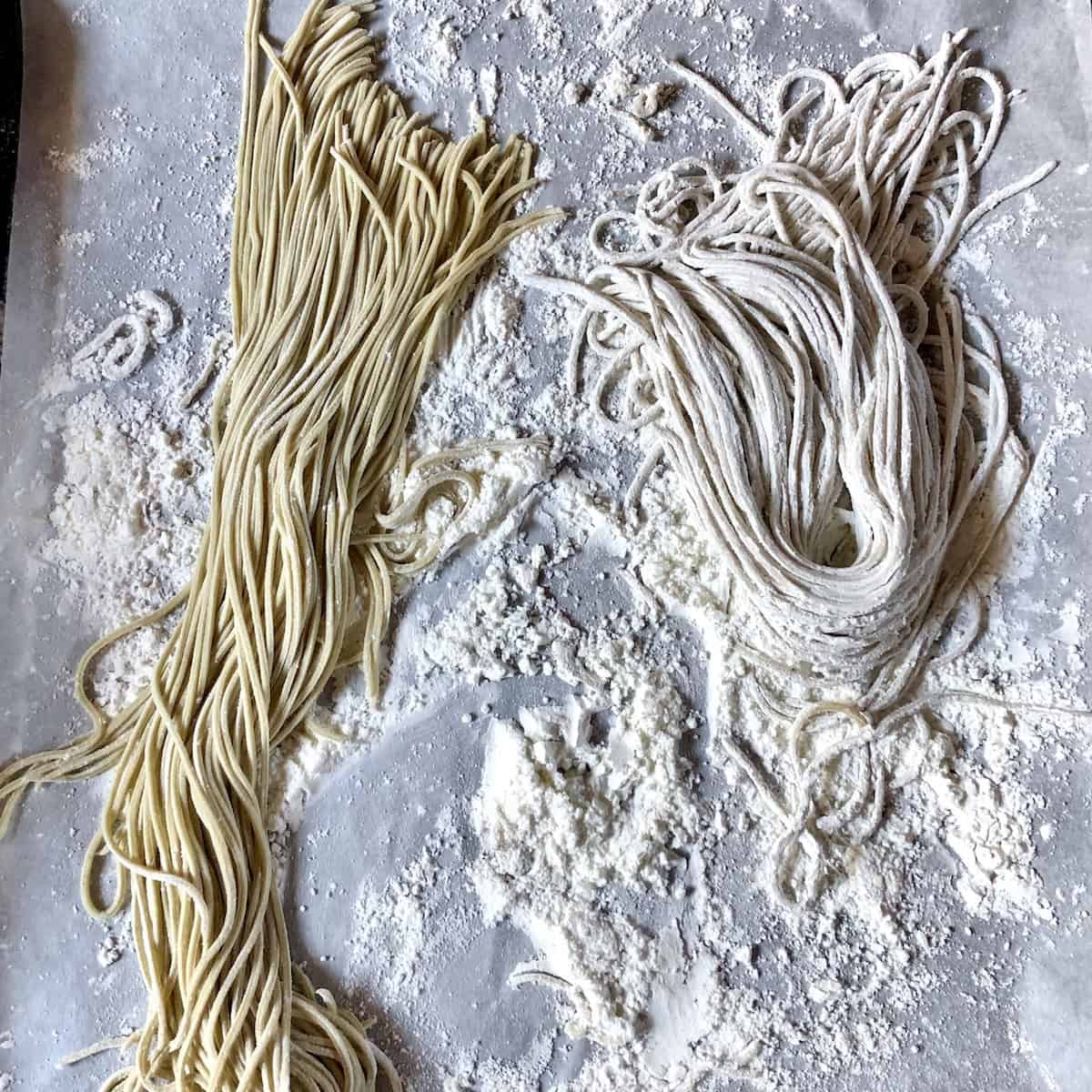
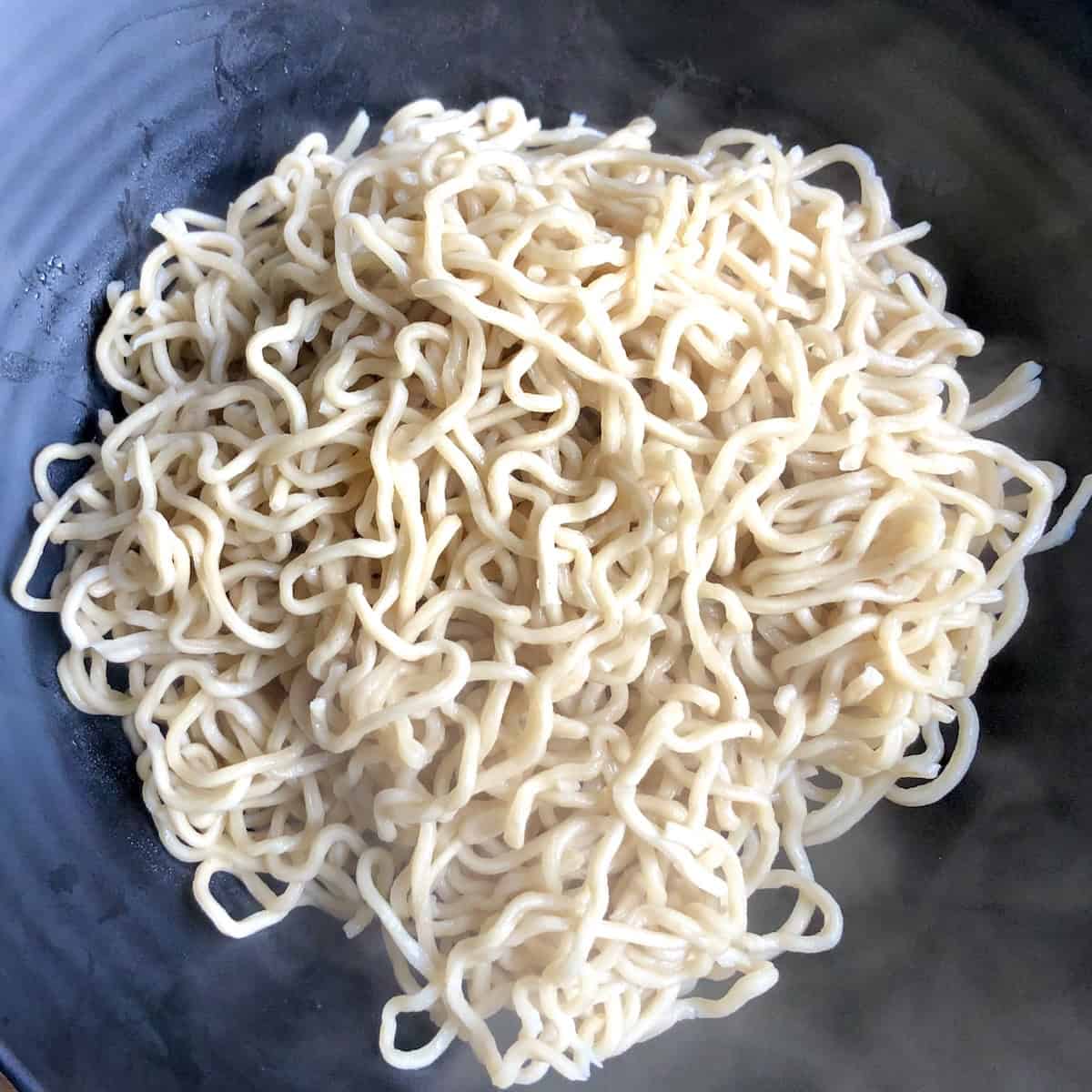
Alkaline noodles originated in China, using alkaline water (naturally found in underground wells) to make wheat noodles. Alkaline noodles are characteristically slippery and springy, with a texture that holds up very well in hot broth without falling apart or turning to mush.
They often (but not always) have a natural yellow hue from the salt minerals (higher pH) or the addition of eggs. No matter what color they are, they always have a distinctly delicious flavor and texture.
As mentioned above, you can easily make them at home using this homemade baked baking soda (sodium carbonate) recipe, store-bought kansui (Japanese), or jian shui (Chinese) - both are commercial food-grade alkaline mineral waters.
If you love dan dan mian, ramen (noodles), or lots of other Asian noodle dishes, chances are you've probably eaten and enjoyed these alkaline noodles before.
Baked Baking Soda (Sodium Bicarbonate) Ingredients
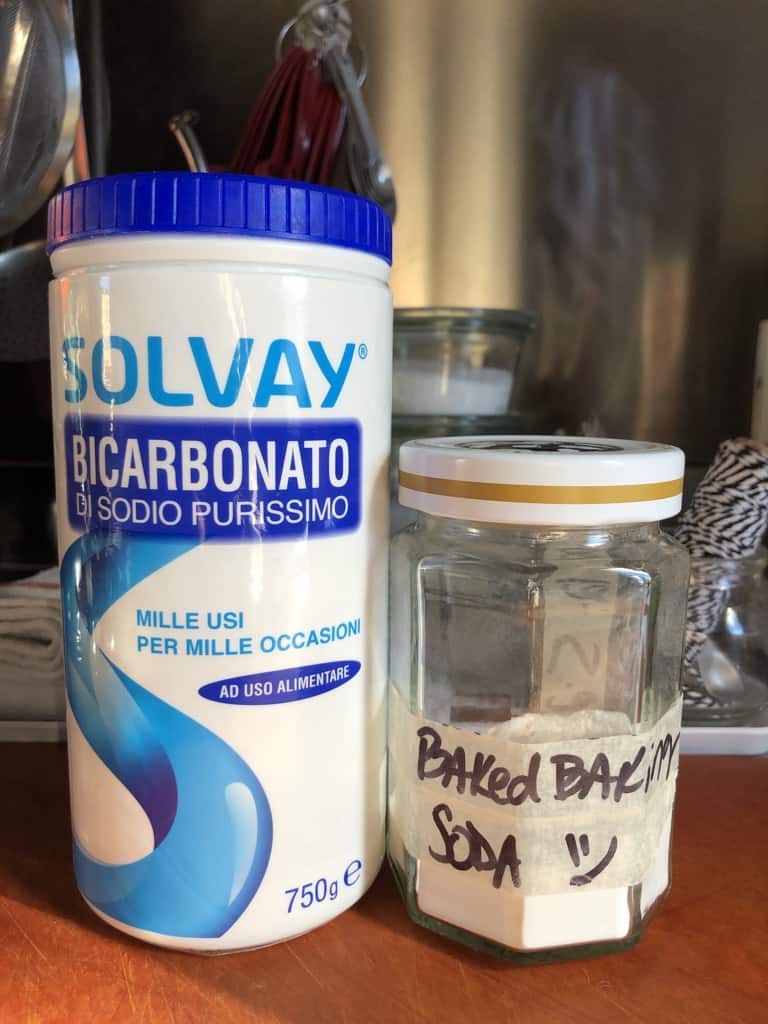
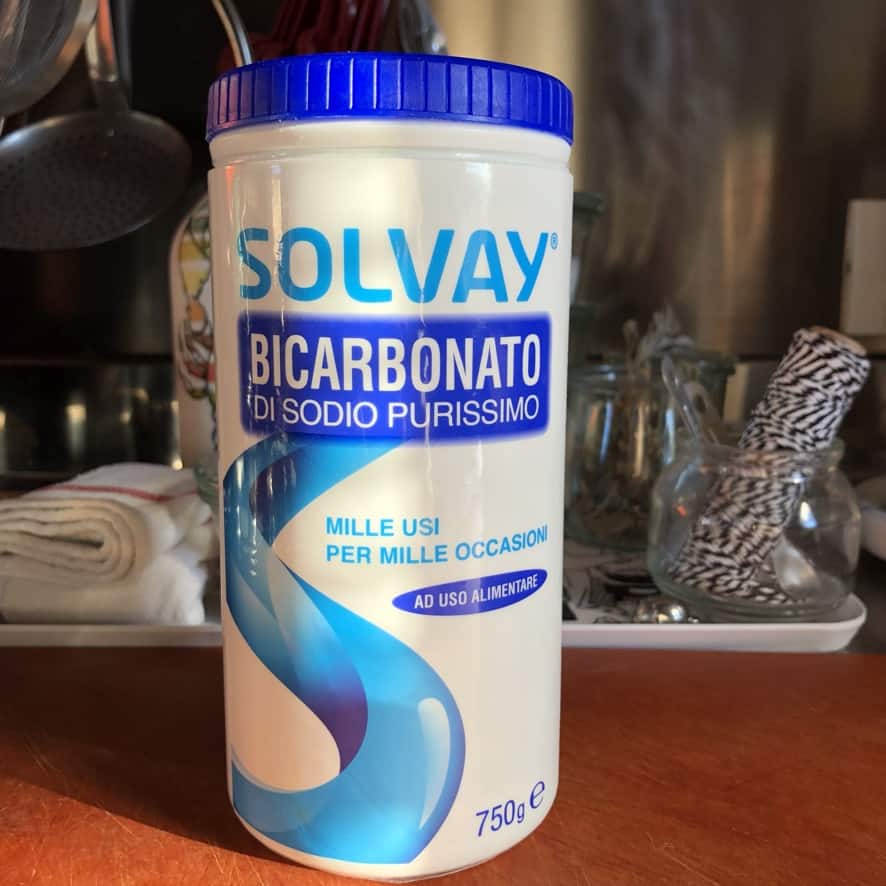
To make a substitute for kansui or jian shui at home, simply transform regular baking soda into sodium carbonate by baking it in the oven. Any brand of baking soda works perfectly - whether it's Arm and Hammer, store-brand, or the Italian brand shown above. As long as it's fresh, it'll work!
- baking soda (bicarbonate of soda)
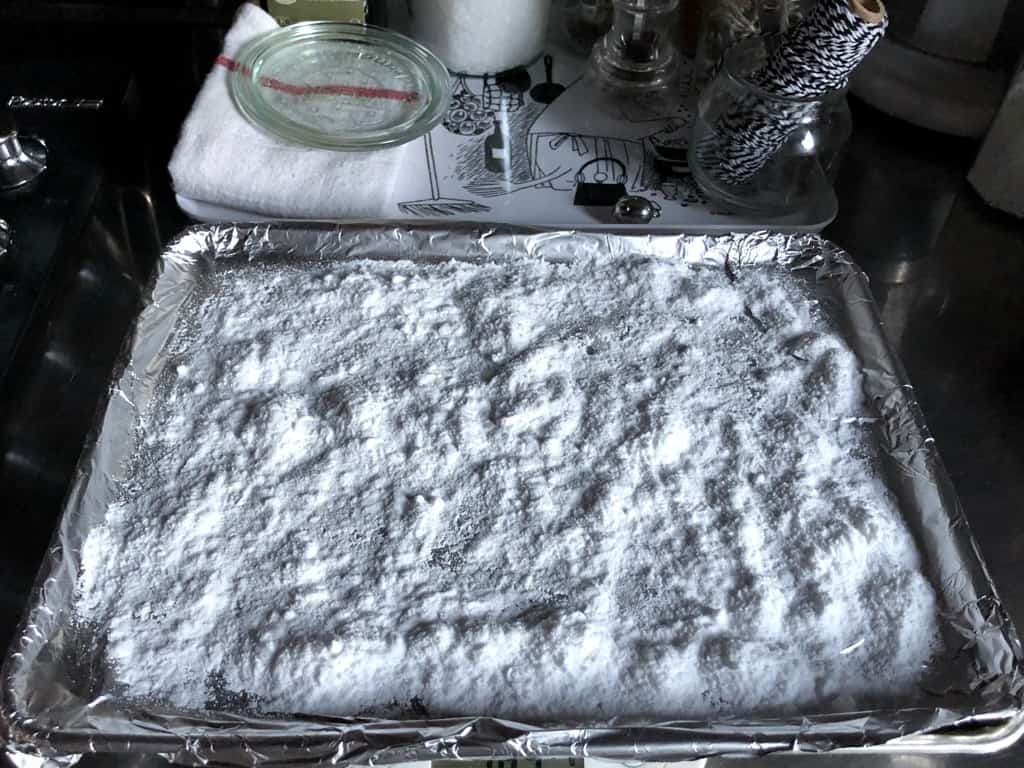
How to Make Baked Baking Soda (Kansui Substitute)
Step 1. Bake the baking soda. Add the baking soda (sodium bicarbonate) to a baking pan covered with aluminum foil and spread it out into an even layer. Bake at 250°F/121°C for one hour. Remove from the oven and allow to cool completely. Transfer to a glass jar and seal it until ready to use.
*Alternatively, you may use a glass baking dish to bake the baking soda, but add an extra 20 or 30 minutes to the baking time because glass takes longer to transfer heat evenly than aluminum.
More Ramen Recipes to Make
If you're just getting into making homemade ramen (and all the delicious ramen toppings to go with it), you can start from the beginning with all our favorite ramen recipes below.
Many of these ramen topping recipes can (and should) be meal prepped and made ahead, and refrigerated or frozen. This makes it super easy to have authentic homemade Japanese ramen any night of the week with minimal to zero prep work or the expensive ramen shop bill!
Here are the delicious Ramen Month recipes starting with Recipe #2, since Recipe #1 is this post for Baked Baking Soda.
- How To Make Ramen Noodles From Scratch (The Easy Way)
- Perfect Ramen Egg Recipe (Ajitsuke Tamago 味付け卵)
- Easy Chashu Pork チャーシュー(Marinated Braised Pork Belly For Ramen)
- Easy Japanese Braised Pork Belly (Momofuku & Ippudo Style)
- Easy Crispy Chicken Breast Cutlets (Cotoletta di Pollo)
- Crispy Italian Turkey Breast Cutlets (Cotoletta di Tacchino)
- Fluffiest Homemade Pork Buns (Tangzhong Pork Buns)
- Tonkotsu Ramen Recipe (Easy Authentic Ramen)
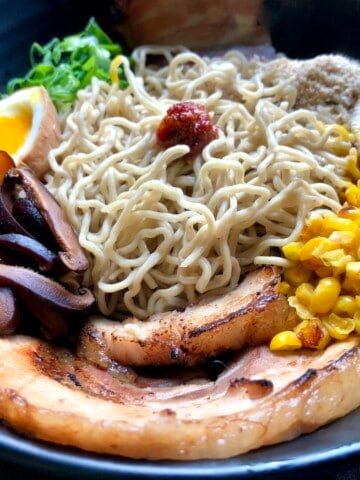
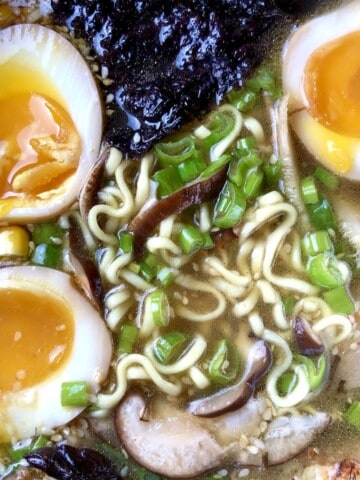



Let's get started!
Print📖 Recipe
How to Make Baked Baking Soda (For Ramen & More)
- Total Time: 1 hour 2 minutes
- Yield: ½ cup
- Diet: Gluten Free
Description
This baked baking soda is used to make slippery, extra springy, homemade ramen (noodles) and Chinese wheat noodles for dishes like dan dan mian. It even works as a great substitute for lye water when making homemade pretzels.
Ingredients
- ½ cup baking soda (bicarbonate of soda) (100g)
Instructions
1. Bake the baking soda. Preheat the oven to 250°F/121°C. Add the baking soda (sodium bicarbonate) to a baking pan covered with aluminum foil and spread it out into an even layer, Bake it for one hour. Remove from the oven and allow to cool completely. Transfer to a glass jar and seal it until ready to use.
*Alternatively, you may use a glass baking dish to bake the baking soda, but add an extra 20 or 30 minutes to the baking time because glass takes longer to heat and to transfer heat evenly than aluminum.
Notes
- If you're making baked baking soda primarily for making homemade noodles, use the amount called for in the recipe above. This is plenty for several rounds of ramen or dan dan noodles since you only use about 1 tablespoon for each batch.
- If you're making baked baking soda primarily for substituting lye when making pretzels, I suggest tripling the recipe because you'll need about ⅔ cup of baked lye for the alkaline water solution you'll cook the proofed pretzels in before baking them.
- If making larger batches of baked baking soda (sodium carbonate), you may choose to bake it on two separate baking trays or bake it on one tray for 2 hours total. If baking on one single tray, be sure to toss the baking soda about halfway through the baking time using a wooden or metal spatula to move it around a little. Then, spread it back out as evenly as possible and allow it to continue baking.
- A note on safety. Be careful with baked baking soda when transferring it to a glass jar for storage. It is a strong alkaline at this stage and can cause irritation to your skin.
- Store the baked baking soda in a glass jar, label it, and keep it in a dry, cool place away from humidity and sun (the back of a cabinet basically).
- Prep Time: 2 minutes
- Cook Time: 1 hour
- Category: Pasta
- Method: Baked
- Cuisine: Asian
Nutrition
- Serving Size: 1 tablespoon





Made the Recipe? Tell Us What You Think!