

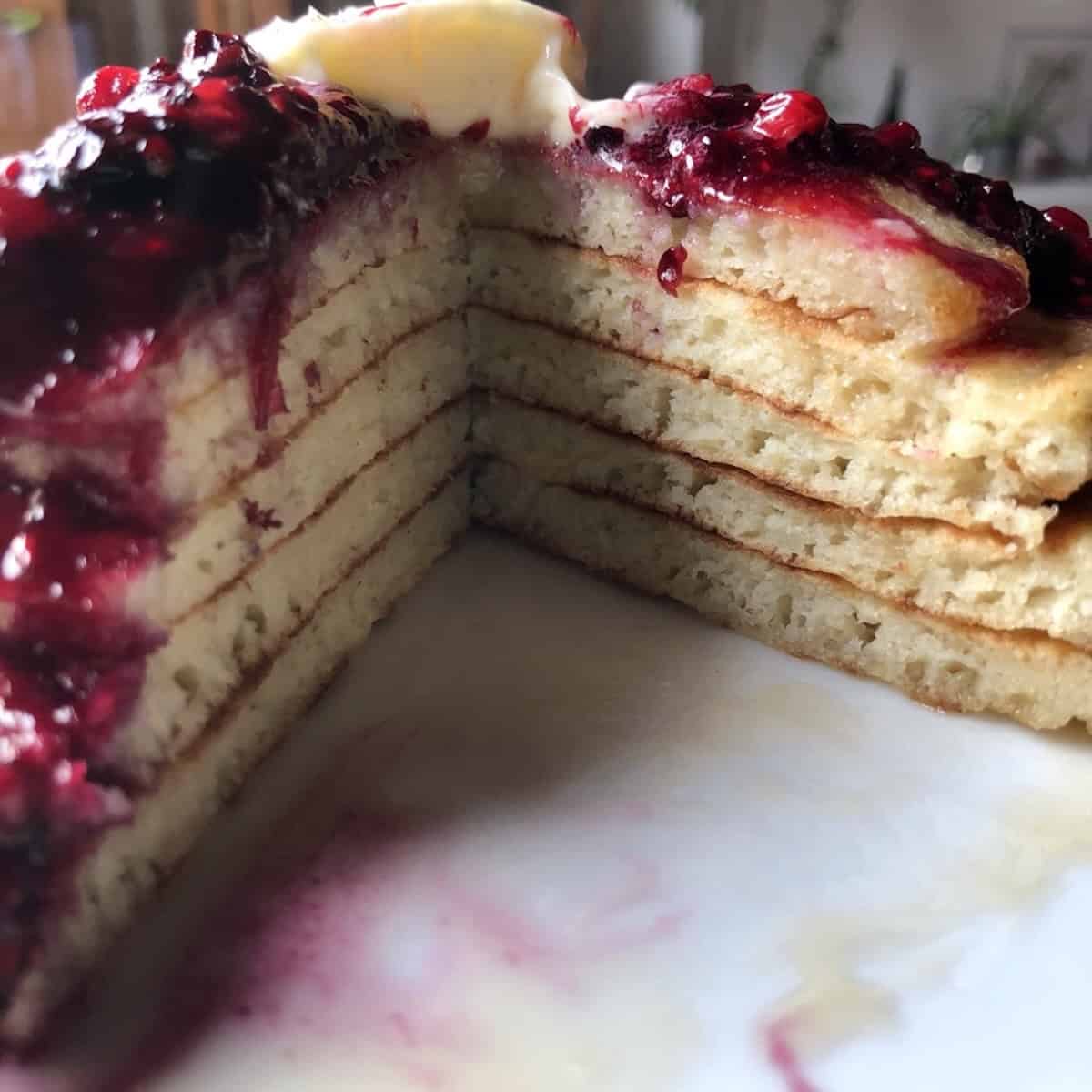
This small-batch buttermilk pancake recipe make just enough for two (or a small family), with no bowl of leftover batter to have to deal with. They're light, super fluffy, with crisp buttery edges, and the recipe easily scales up when you're feeding a crowd. No buttermilk? There's an easy swap using regular milk below, so you can make them either way.
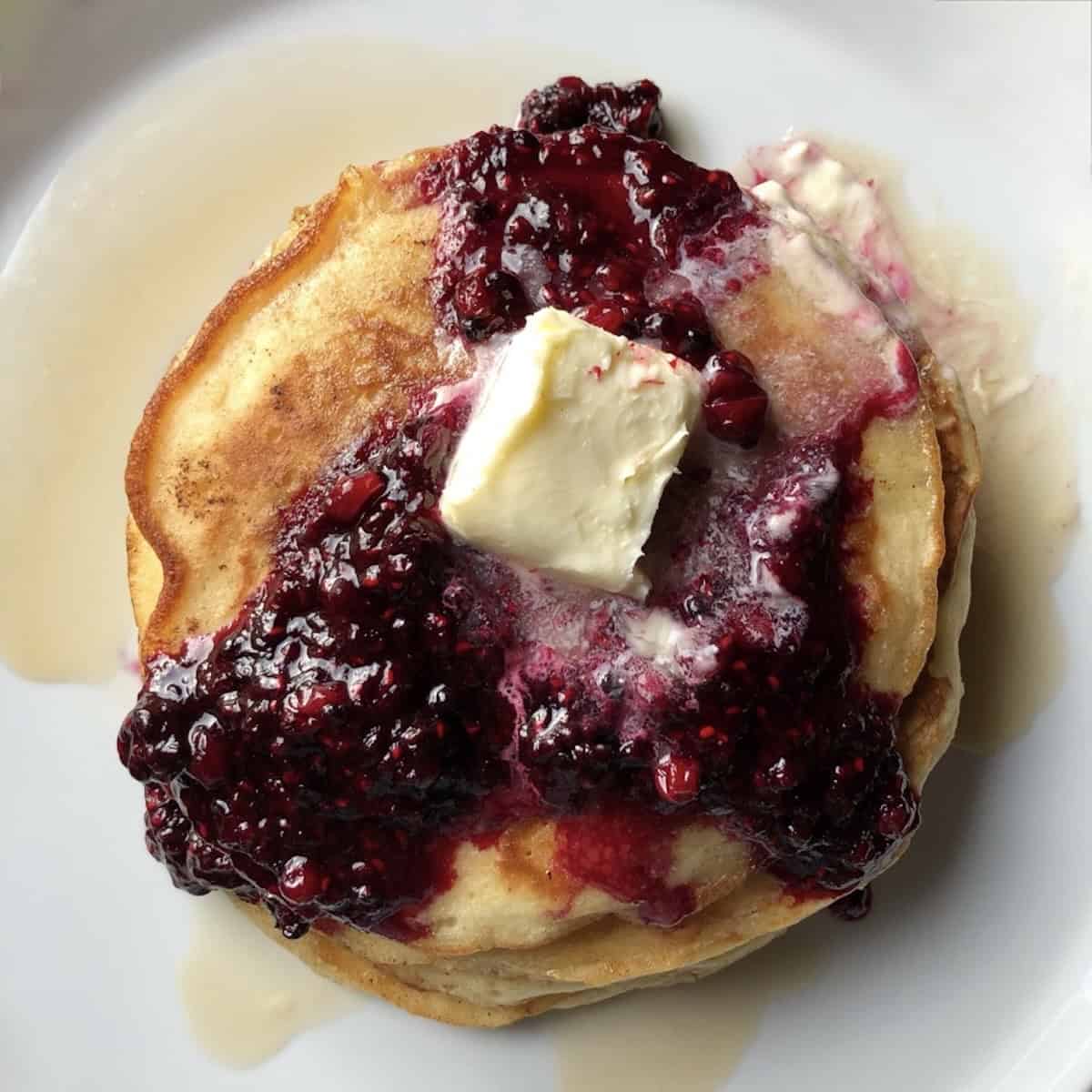
In this post, I show you how to make diner-worthy pancakes from scratch in 20 minutes, start to finish! You'll be happy to know this recipe is almost as easy as using a boxed mix and cheaper than premium mixes like Bisquick. These homemade pancakes win on quality, taste, ingredient control, and waste every single time.
Jump to:
- Why You'll Love This Pancake Recipe
- Buttermilk Pancake Ingredients
- How to Make Fluffy Pancakes From Scratch
- Flipping a Pancake (How and When to Know It's Ready)
- What to Serve With Pancakes
- Can You Use 00 Flour, Bread Flour, or Whole Wheat for Pancakes?
- How to Make These Pancakes Without Buttermilk
- How to Make Pancakes for 2 to 5 People
- Why These Pancakes Come Out Extra Fluffy
- How to Fix Pancake Batter
- Easy Ways to Customize Pancakes
- Meal Prep, Storage and Reheating
- FAQs
- More Pancake Recipes & Brunch Favorites
- 📖 Recipe
- Food Safety
Why You'll Love This Pancake Recipe
- Easy pancakes ready in 20 minutes from start to finish.
- Portioned for two, so there's no bowl of leftover batter going to waste or needing to be stored or cooked right away.
- Doubles or triples perfectly when you're feeding holiday company or planning a brunch party
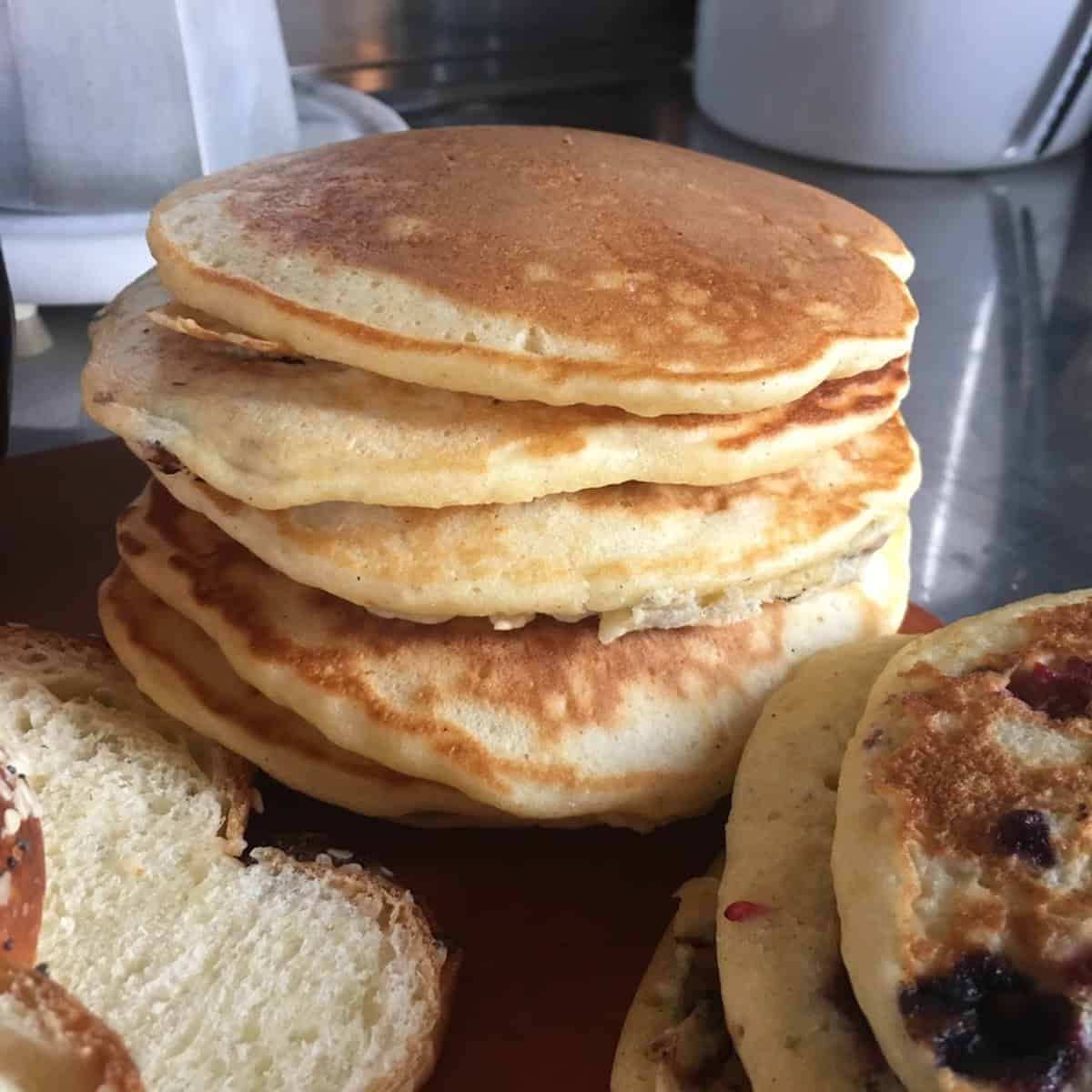
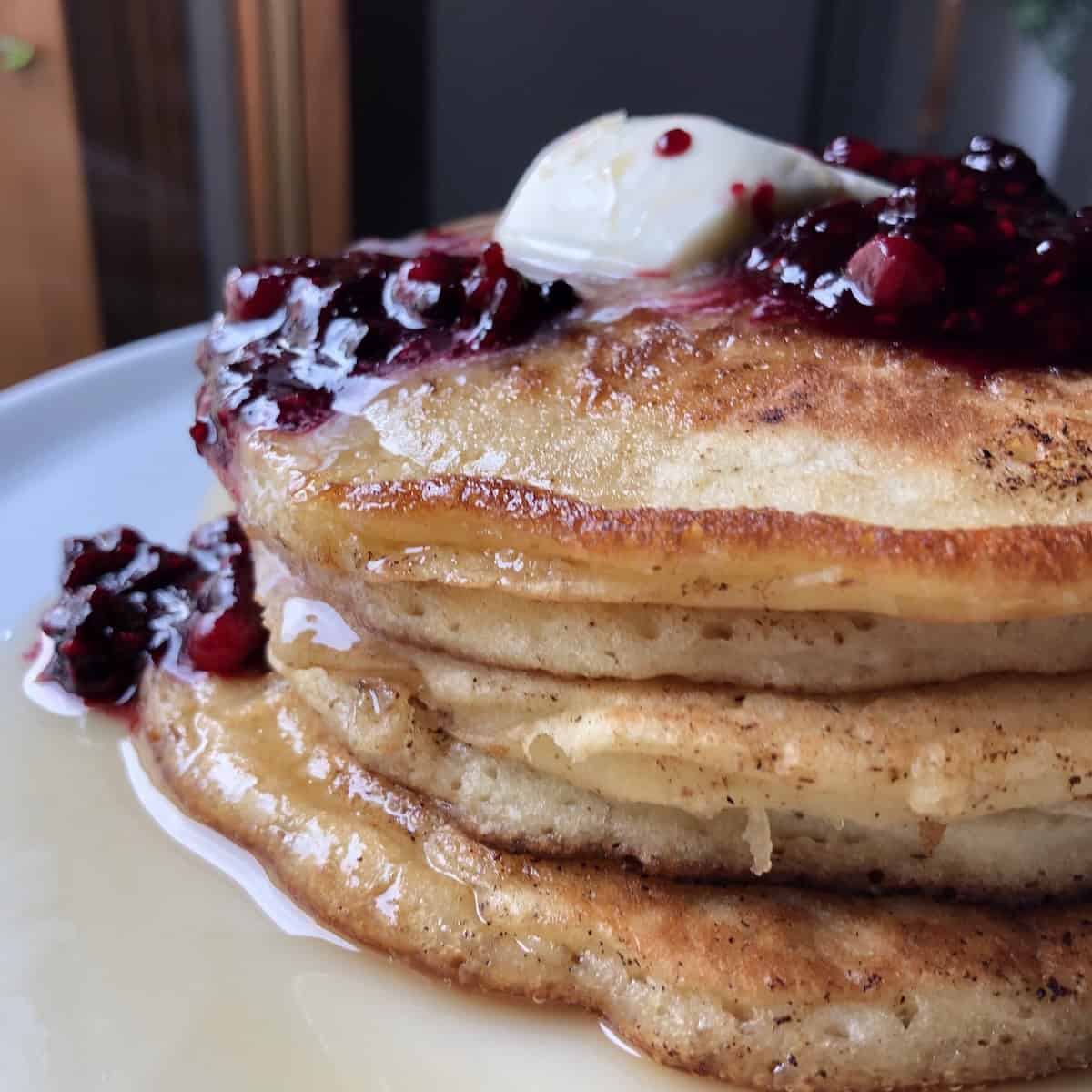
- Crisp, buttery edges with a soft, fluffy middle
- They freeze beautifully and reheat like they were just made
- Works with all-purpose or 00 flour (I use only 00 flour for pancakes here in Italy because it's readily available, so I can tell you from experience that either of these flours makes excellent pancakes using this recipe)
Buttermilk Pancake Ingredients
Pancake batter from scratch uses the most basic pantry staples, but if you've got a little vanilla extract or vanilla bean powder, use it!
- All-purpose flour. 00 flour, bread flour, and whole wheat all work with small adjustments. There's a whole section on that below.
- Buttermilk. The tang is most of what makes these taste like diner pancakes instead of plain ones, and it helps them rise. No buttermilk? See the note below. Substitute amounts are in the recipe card.
- Baking powder and baking soda. I use both, and they need to be fresh. Expired leavening is a common cause of unintentionally flat pancakes.
- Eggs. One beaten into the batter, plus an optional extra egg white only, whipped to stiff peaks and folded in for more lift.
- Butter and oil. Butter for flavor, oil for a tender crumb. Using both makes exceptional pancakes.
- Sugar (for flavor and browning), salt (for balance), and pure vanilla extract (optional). I add just a bit of homemade vanilla extract to give these pancakes even more flavor. Omit it if you don't have it.
Full ingredient measurements can be found in the recipe card.
How to Make Fluffy Pancakes From Scratch
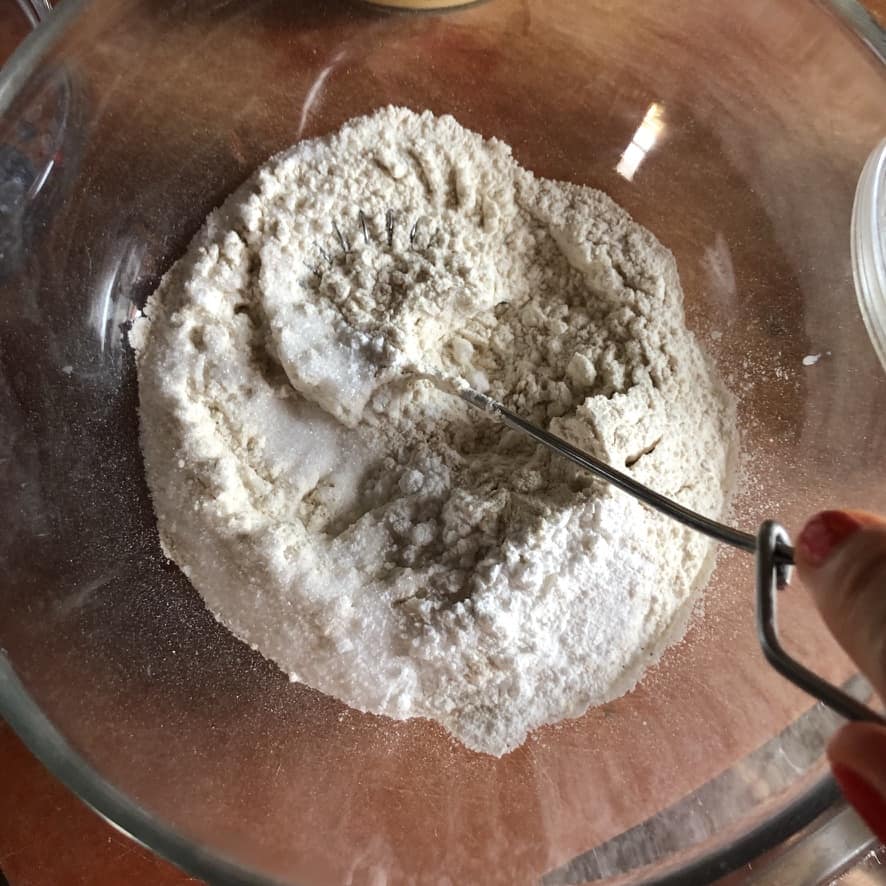
Step 1. Whisk the dry ingredients together in a medium bowl and set aside.
Step 2. In a separate bowl or a large measuring cup, whisk the buttermilk (or sour milk substitute), the whole egg, vanilla, butter, and oil together.
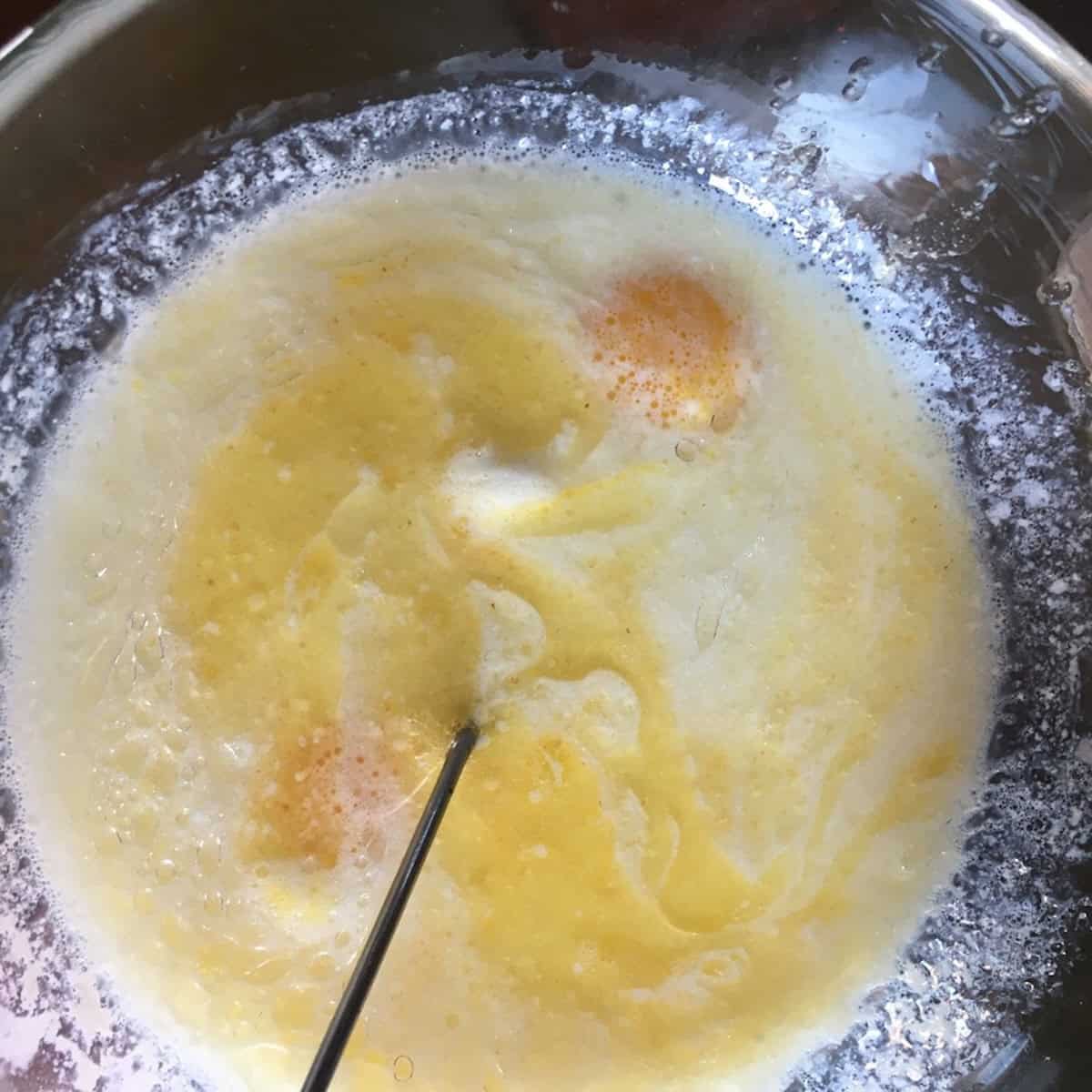
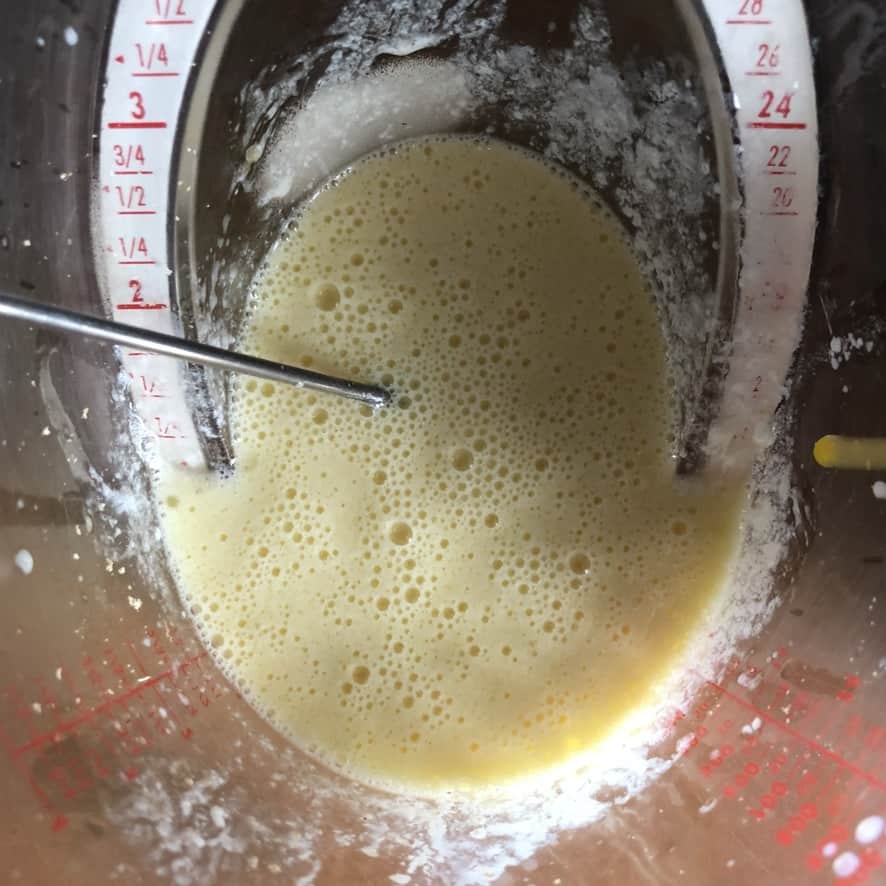
Step 3 (optional step). If using, whip the extra egg white to stiff peaks in a clean, grease-free bowl. Optional, but worth it if you have the extra two minutes.
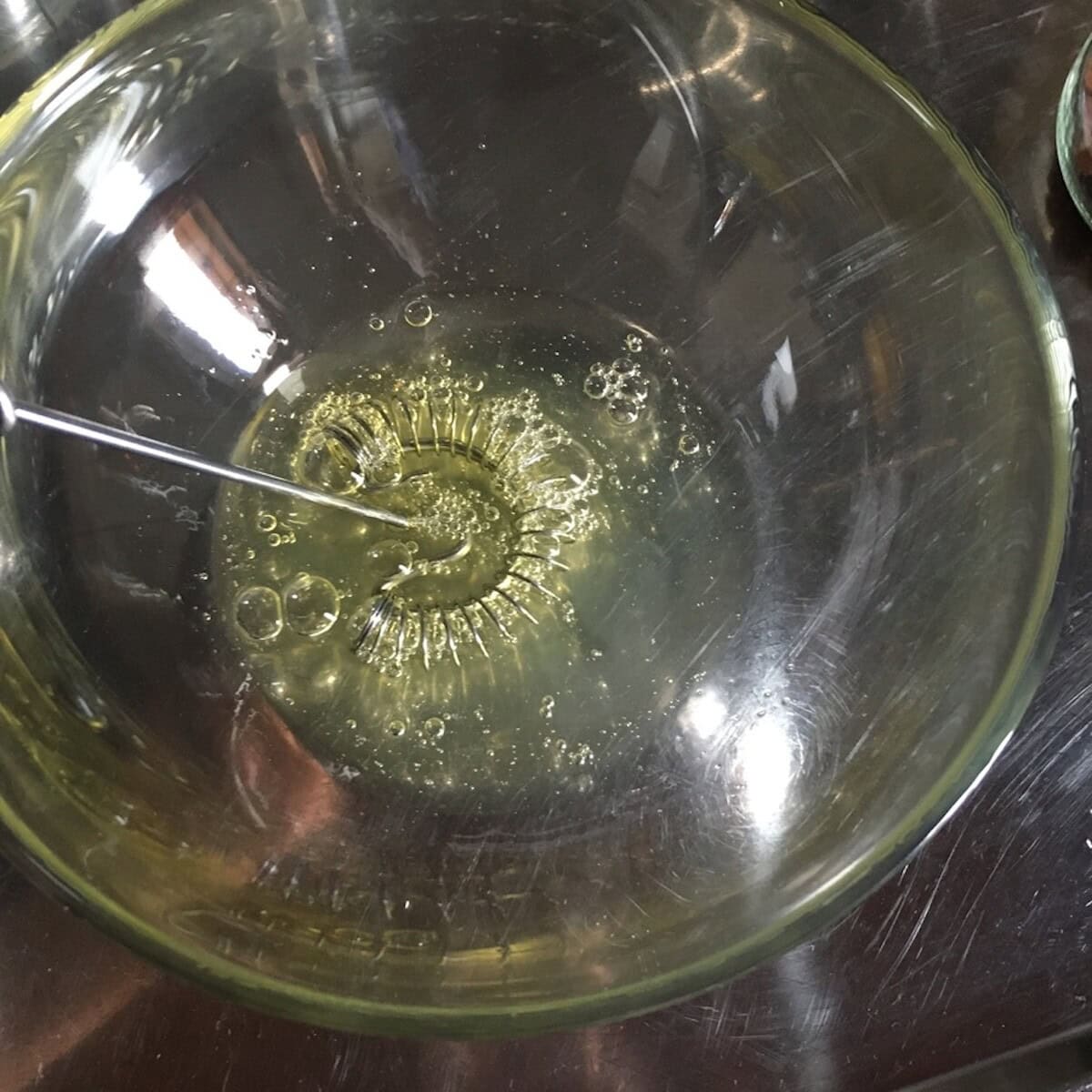
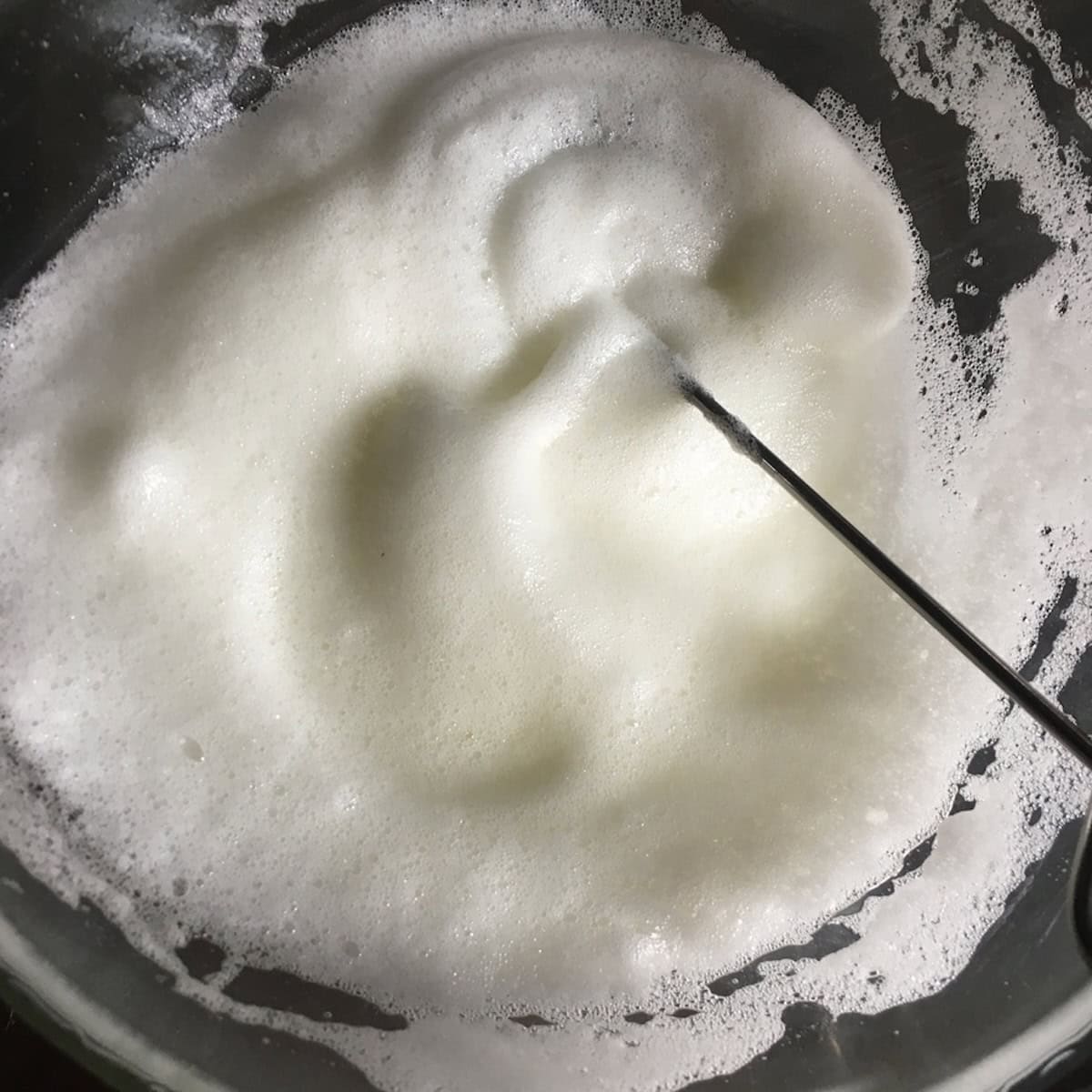
Step 4. Add the wet mixture to the dry ingredients. Fold with a rubber spatula or stir with a fork until no streaks of flour remain. Lumps are normal. Then fold in the whipped white, if you're using it.
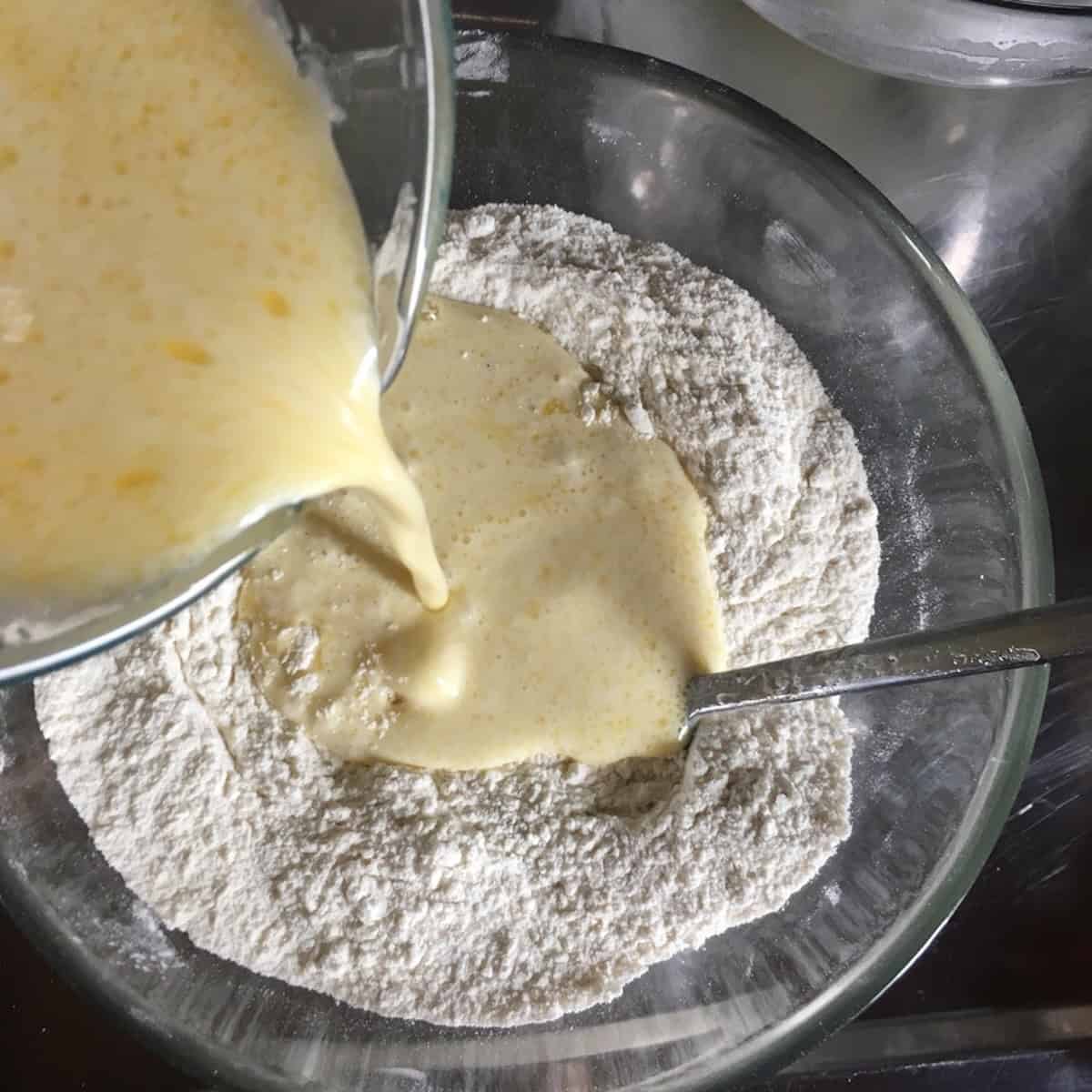
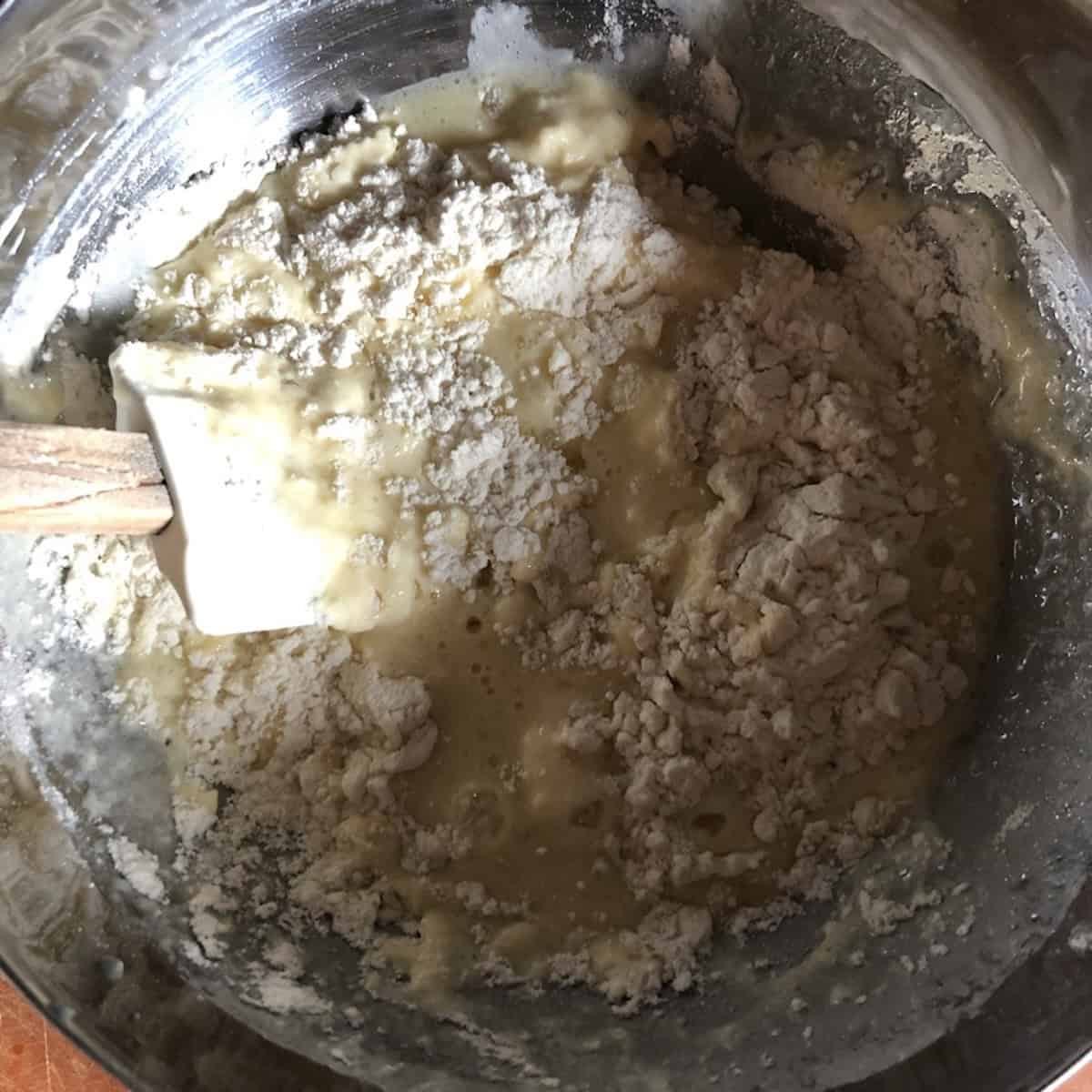
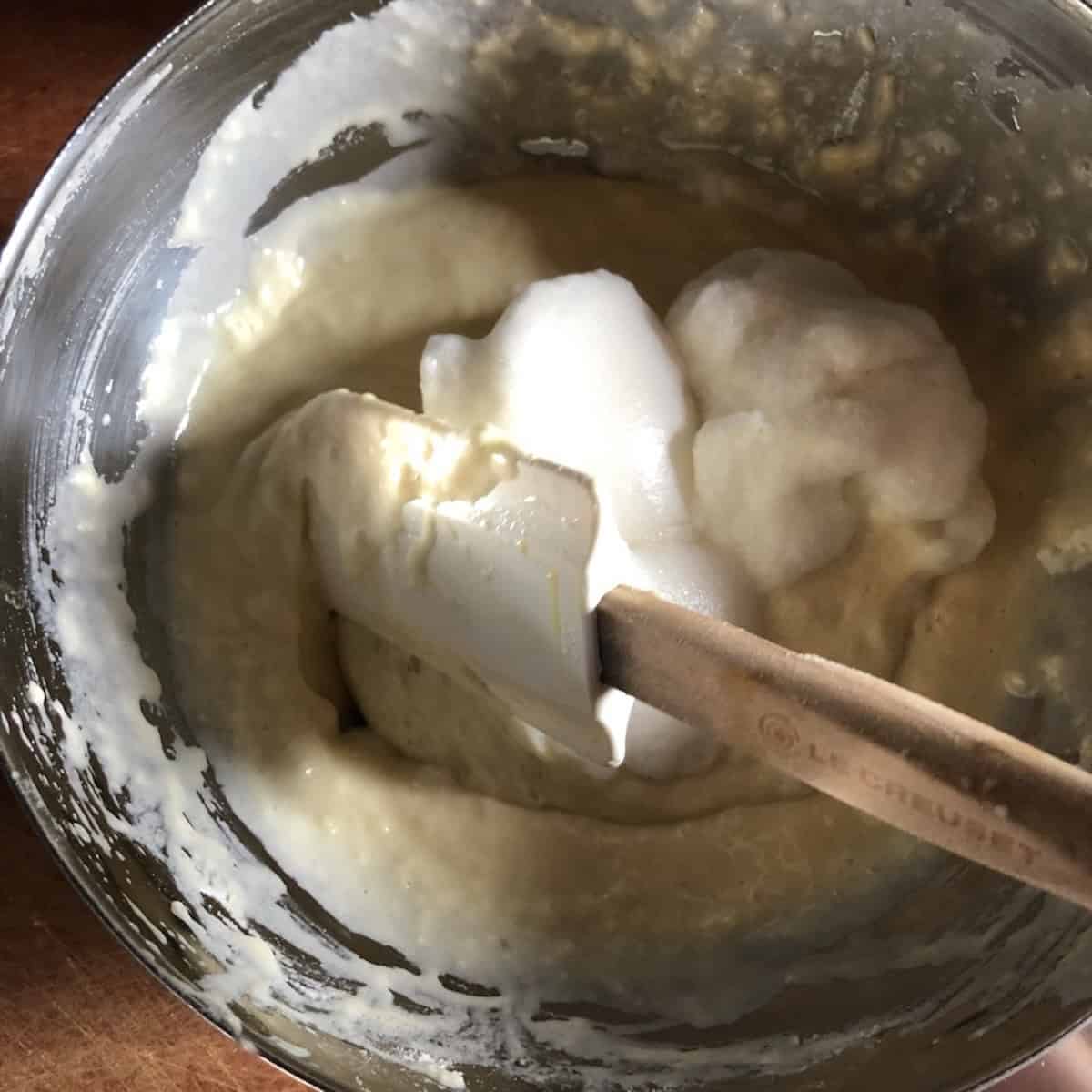
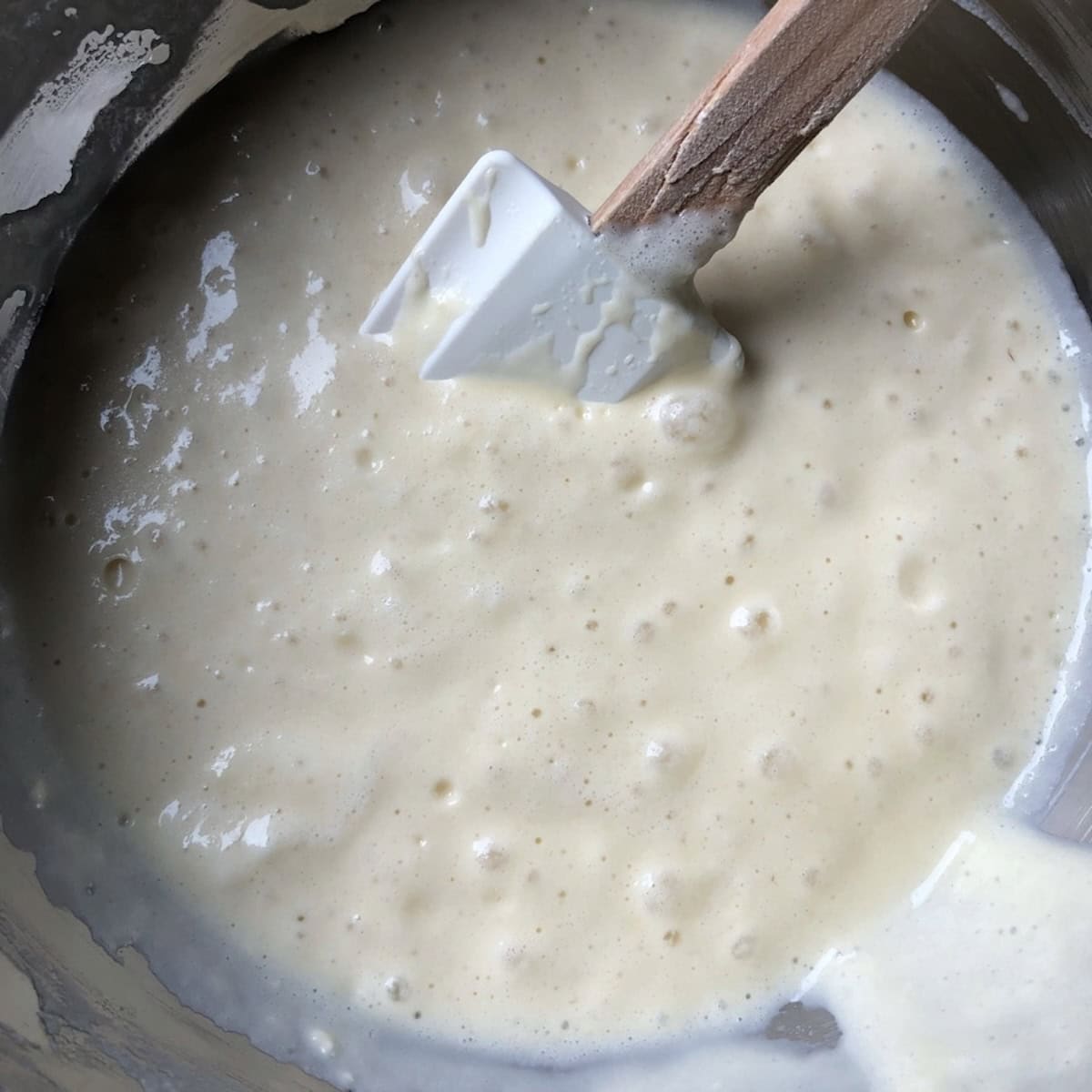
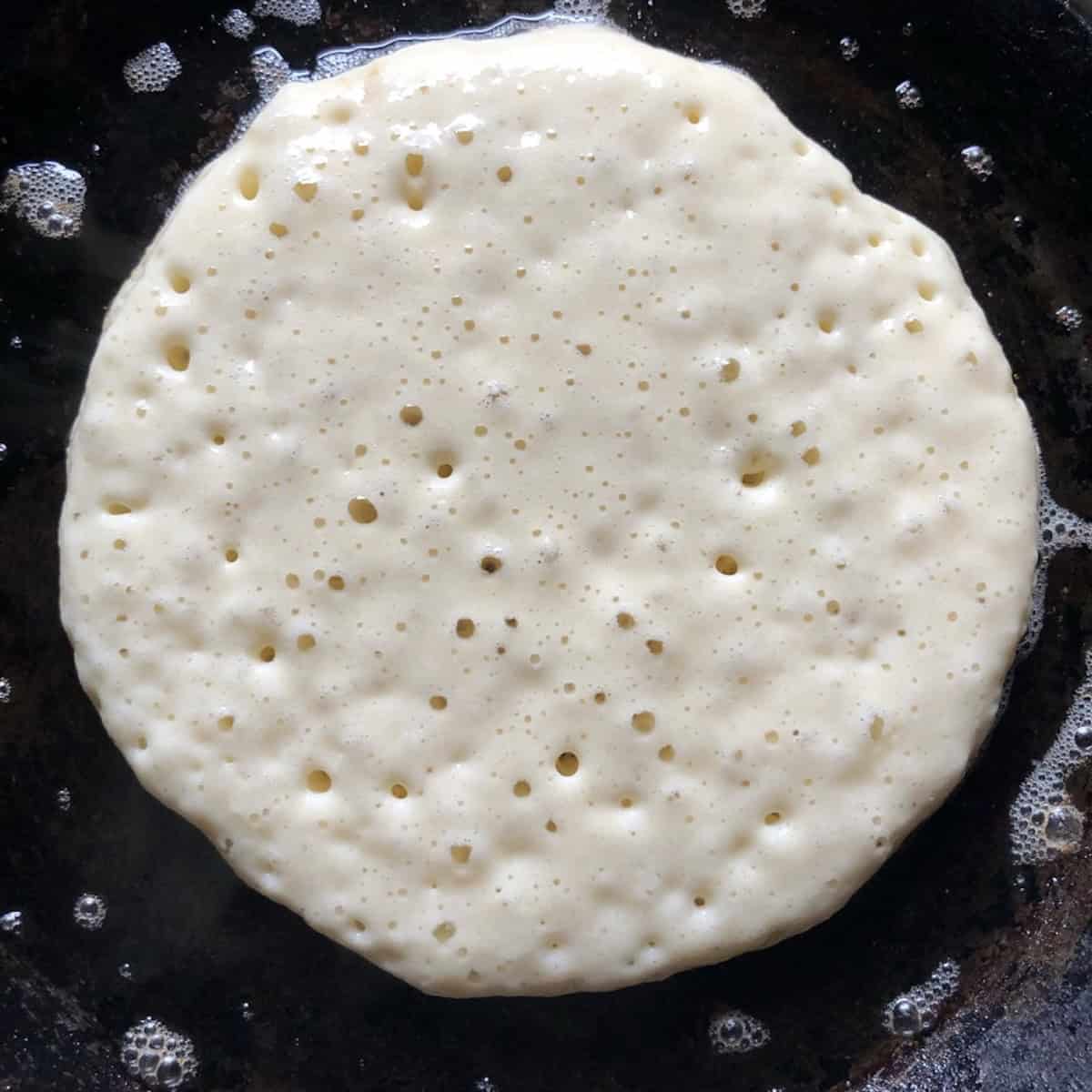
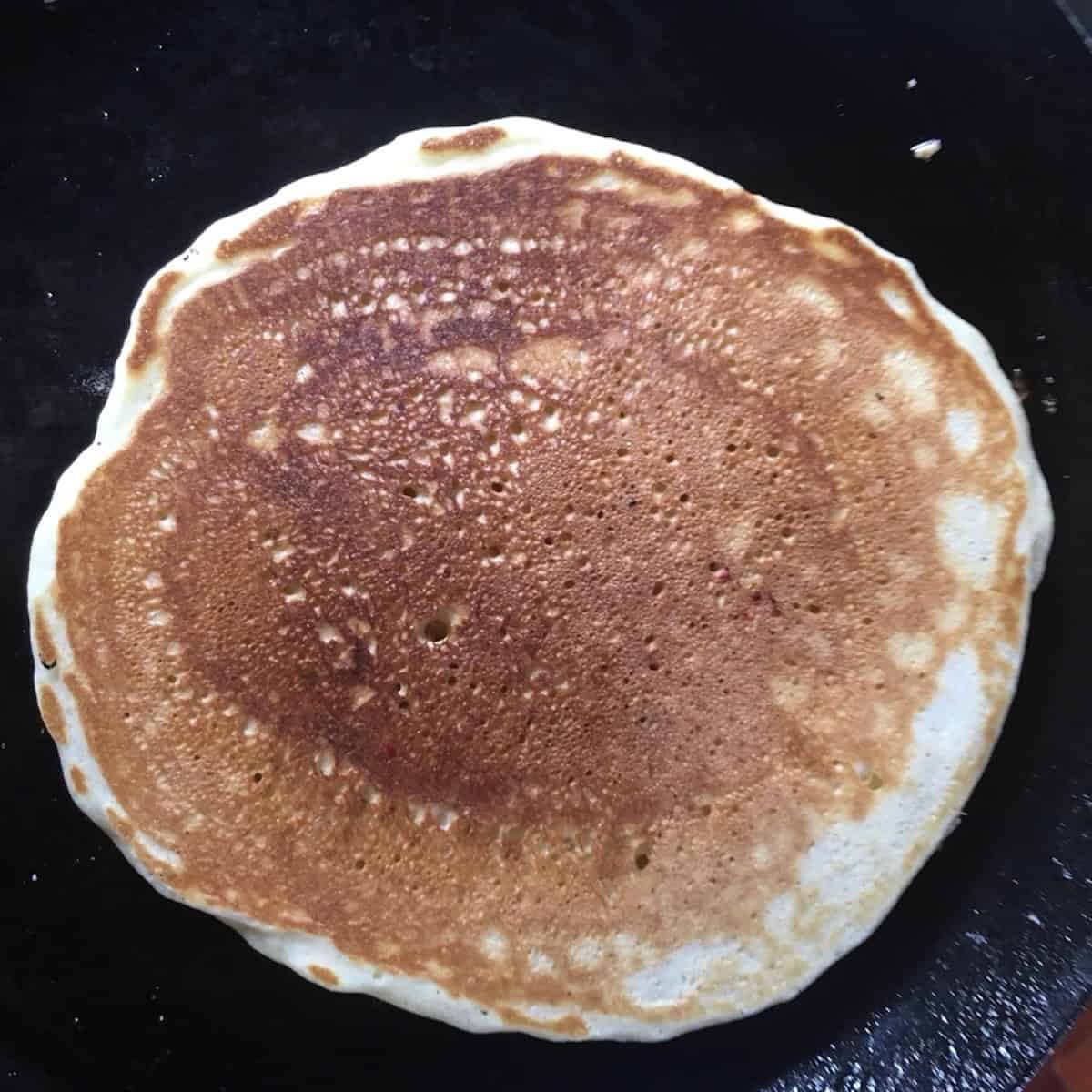
Step 5. Heat a cast iron griddle or non-stick pan over medium-high, butter it generously, then turn the heat down to medium before the batter goes in. Cook until bubbles form and the edges look dry, about three minutes. Flip and cook until golden, two to three minutes more.

Flipping a Pancake (How and When to Know It's Ready)
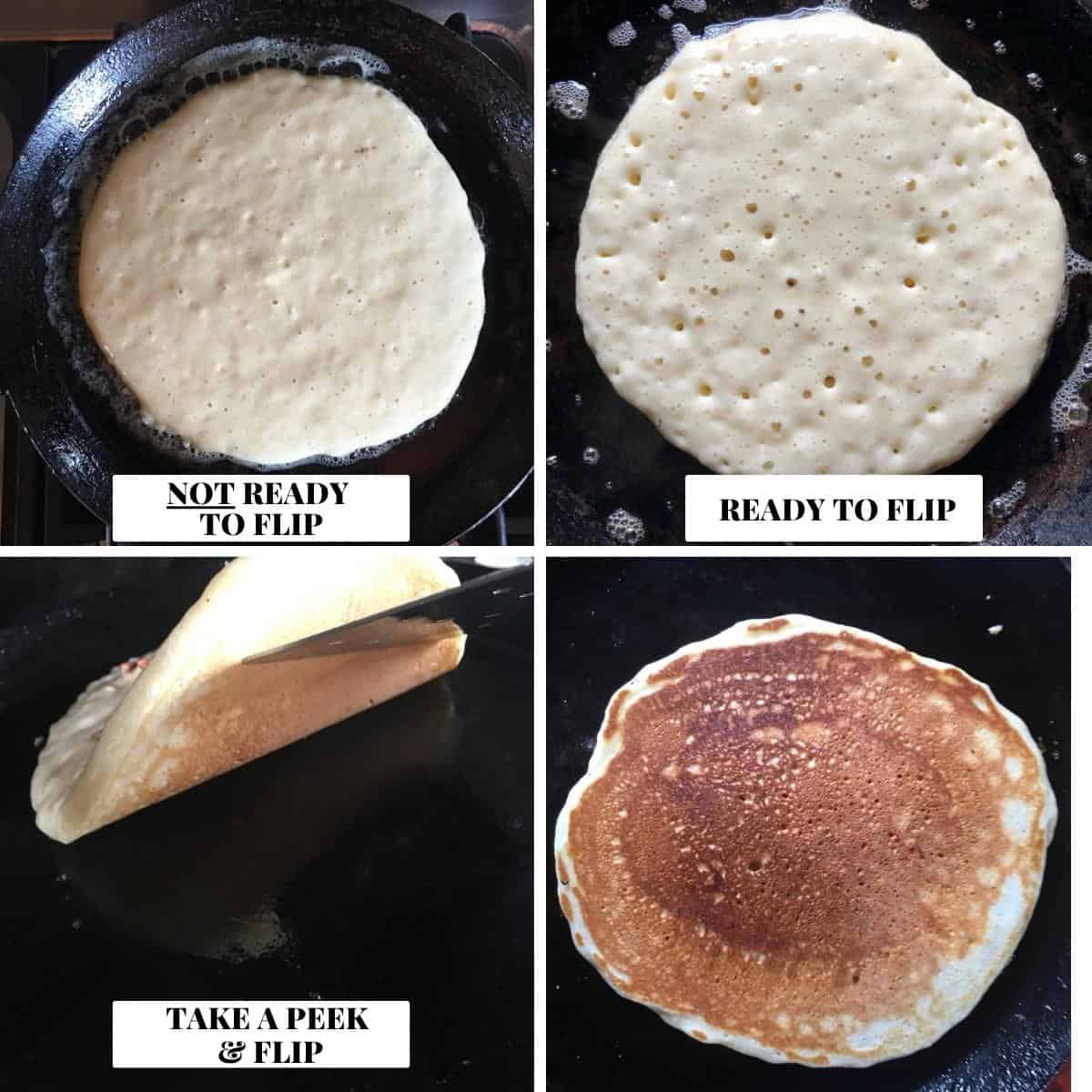
Watch the surface, not the clock. It's time to flip a pancake when bubbles have formed and popped across the top, leaving little open holes, and the edges look set and dry instead of wet and glossy.
Slide a spatula underneath, take a peek, and if it's golden brown, turn it. Flipping too early tears the pancake and deflates the rise, so if you lift and it's still pale underneath, give it another 30 seconds. The second side always cooks faster than the first.
What to Serve With Pancakes
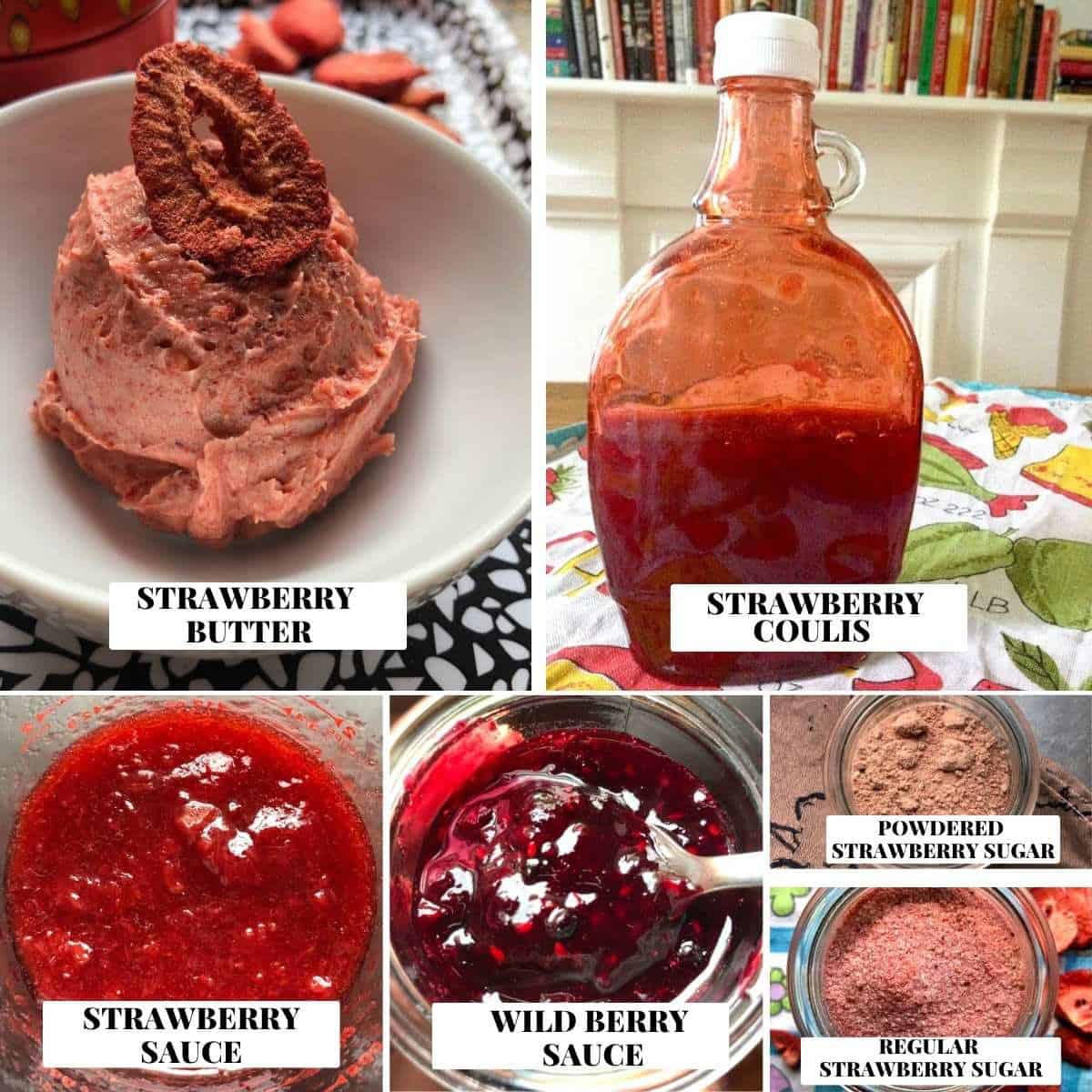
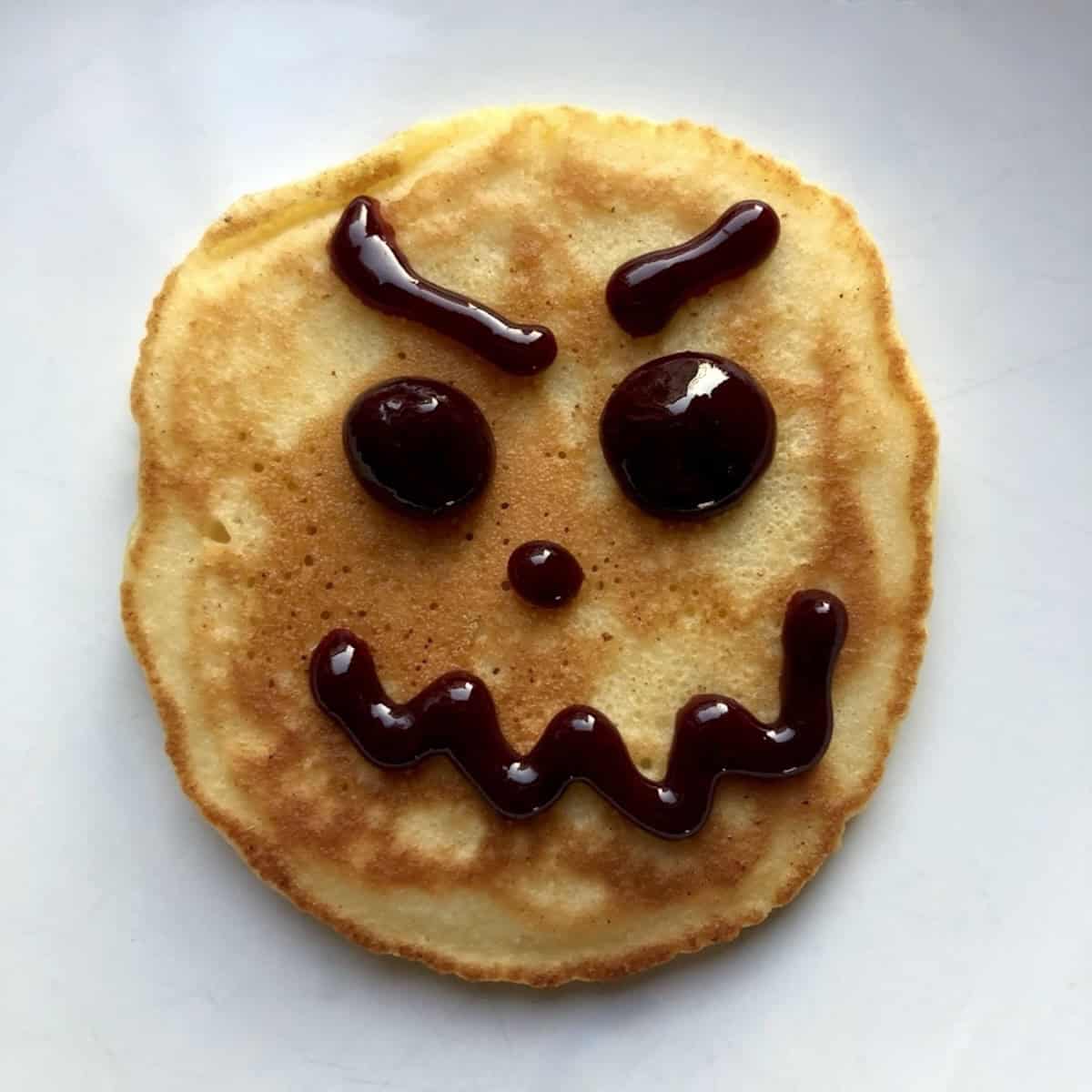
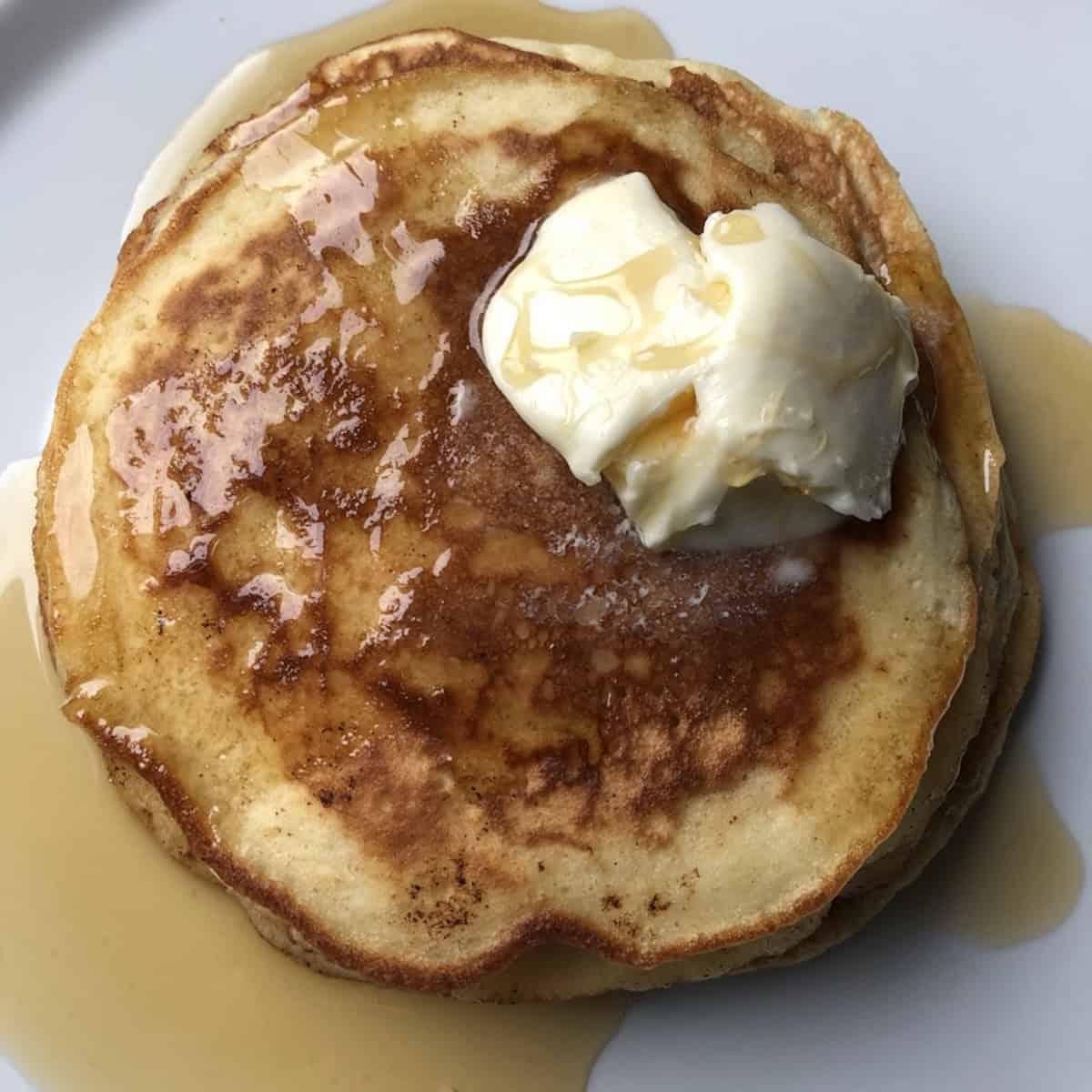
Real maple syrup is never wrong, but if you want to make your own pancake syrup or something a little more special, you can use any of these recipes (the sauces make great kid-friendly holiday-themed pancakes with little effort):
- 10-minute berry sauce - the glossy sauce on the stack in the photo up top, including blueberries, raspberries, and blackberries
- 15-Minute Strawberry jam sauce - thicker and jammier, great spooned between layers
- Strawberry coulis - smooth, bright, and pourable
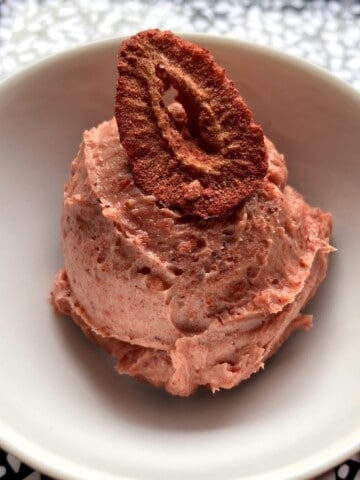
- Strawberry butter - softened butter whipped with freeze-dried strawberries, with the option to make it a strawberry honey butter
- Strawberry sugar - a light dusting of powdered strawberry sugar or regular strawberry sugar instead of syrup (you'll find both recipes in the same post)
Can You Use 00 Flour, Bread Flour, or Whole Wheat for Pancakes?
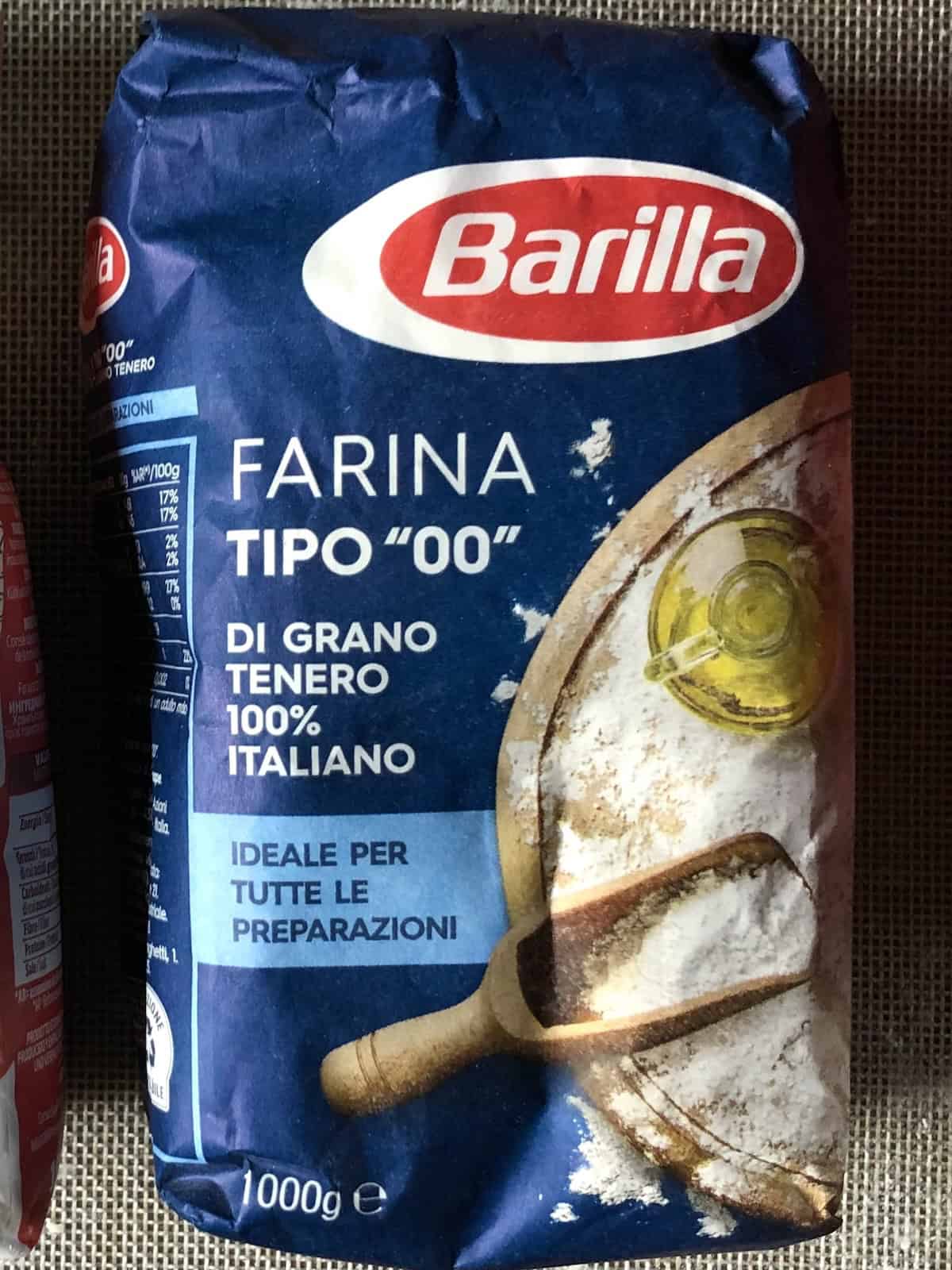
Yes, and I do it all the time! I live in Italy, where 00 flour is a pantry staple for everything from pizza to crostata, and it's what I've been using to make this recipe with for years. I use an 00 flour with anywhere from 11% to 11.5% protein.
And the pancakes always come out tender and light, with a slightly finer, softer crumb. When I'm home in the States, I use King Arthur's all-purpose flour with 11.7% protein.
Good to know: "00" describes how finely the flour is milled, not how much protein is in it. Italian flour is graded by type: 2, 1, 0, and 00, with 00 the most finely ground, almost powdery. Millers make low-protein 00 for cakes and high-protein 00 for pizza and bread, so two bags with the same type on the front can still behave differently.
NOTE: Because 00 is ground so fine, it settles and packs into a cup differently than all-purpose does. Use the scoop-and-level method, or weigh it on a scale, and this recipe works every time regardless of which flour you use.
Can you use bread flour for pancakes (and how does it compare to 00)?
You can in an emergency, but it's never the best option. Bread flour has more protein than all-purpose, so it develops more gluten and gives you a chewier pancake. That's the opposite of what 00 flour does, since 00 is so finely milled and typically lower in protein, so pancakes made with 00 flour are very fluffy and tender.
If bread flour is the only flour you have, fold the batter even more gently than usual (never whisk) and stop stirring the moment there are no more streaks.
Can you use whole wheat flour for pancakes?
Yes, and we do it often for the obvious health benefits! White whole wheat or whole wheat swapped in for half the all-purpose works perfectly and needs no adjustments.
Substituting all whole wheat gives you a nuttier flavor and a slightly less fluffy crumb, but is just as satisfying. You'll need to gently stir or fold the ingredients to not activate too much gluten. You may need to add just a splash or two more buttermilk because whole wheat absorbs more liquid.
How to Make These Pancakes Without Buttermilk

No buttermilk? You have two easy options, and both make fluffy pancakes.
- Make a quick substitute. Add 1 ½ teaspoons of lemon juice or white vinegar to a measuring cup, then pour in enough regular milk to reach the ¾ cup line. Stir and let it stand five to ten minutes, until it looks thicker and slightly curdled. This acid is what reacts with the baking soda for immediate lift, so this keeps the pancakes tall. Exact amounts are in the recipe notes.
- Use regular whole milk on its own. Plain milk works too. You lose a little of the tang and a touch of the lift the acid gives you, so the pancakes come out slightly less tangy, but still tender and good.
How to Make Pancakes for 2 to 5 People
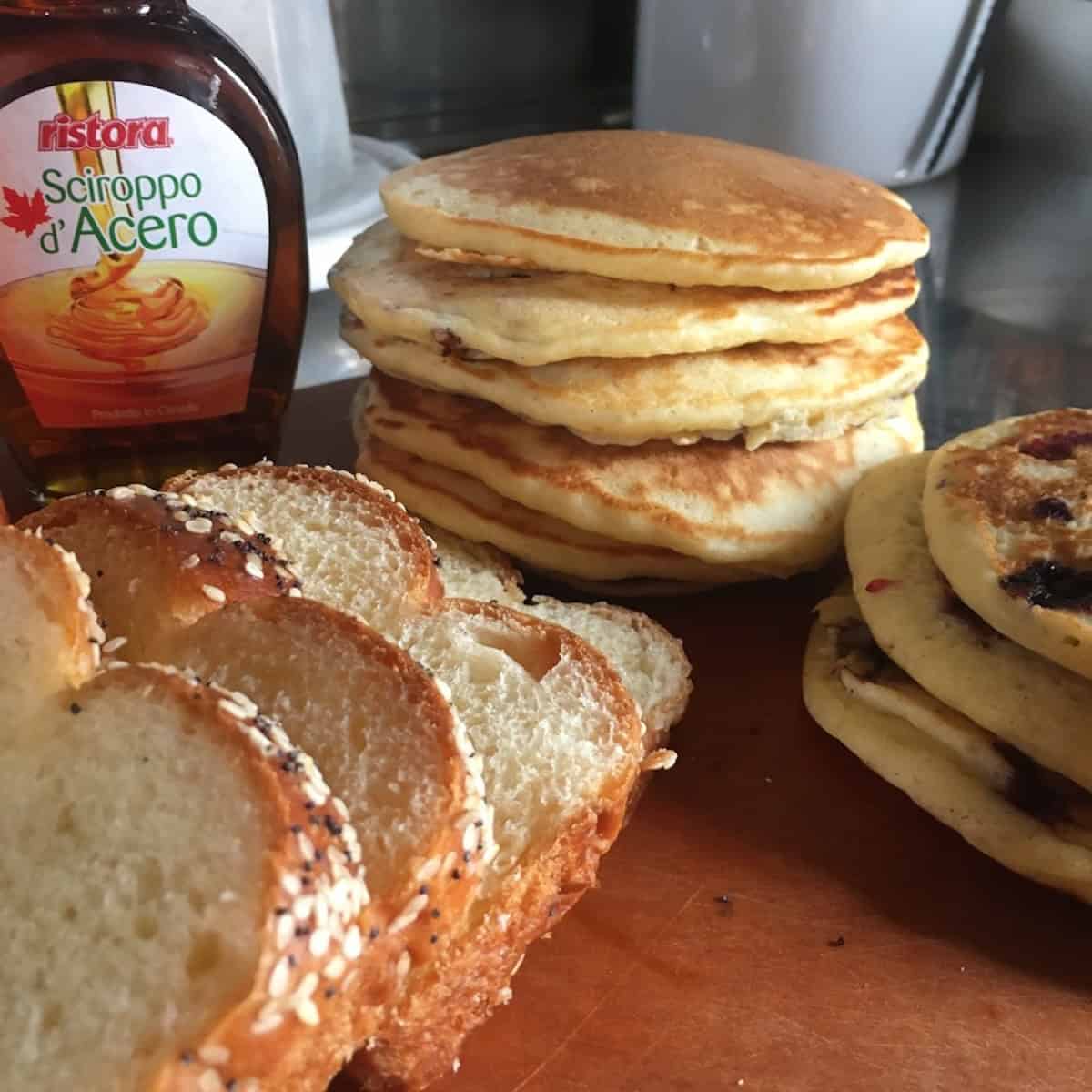
Most pancake recipes assume you're feeding a pack of hungry wolves. This one starts small and scales up as you want, so you're never stuck standing at the stove having to finish cooking a huge bowl of pancake batter.
- One person (single serve pancakes). Cut everything in half. For the egg, crack it into a bowl, whisk it, use about 2 tablespoons, and skip the optional whipped egg white. Or make the full batch and refrigerate or freeze the rest, since reheated pancakes taste just-made.
- Two people. The recipe as written. Five to six full-size pancakes, and with eggs or bacon, or a fruit salad alongside it stretches it even further.
- Three or four people. Double the recipe.
- Five or more. Triple it, and keep the finished pancakes warm in a stack wrapped in foil in a 200°F oven while you cook all of the batter. *See note below
NOTE: When you triple the recipe, a griddle lets you cook several at once so the batter isn't sitting for too long. Buttermilk starts reacting with the baking soda the moment they're combined, so a bowl of batter that sits while you work through it slowly will give you slightly less lofty pancakes at the end. They'll still rise, since the baking powder does part of its work in the pan, but the first pancakes off a fresh batch are always the fluffiest.
Why These Pancakes Come Out Extra Fluffy
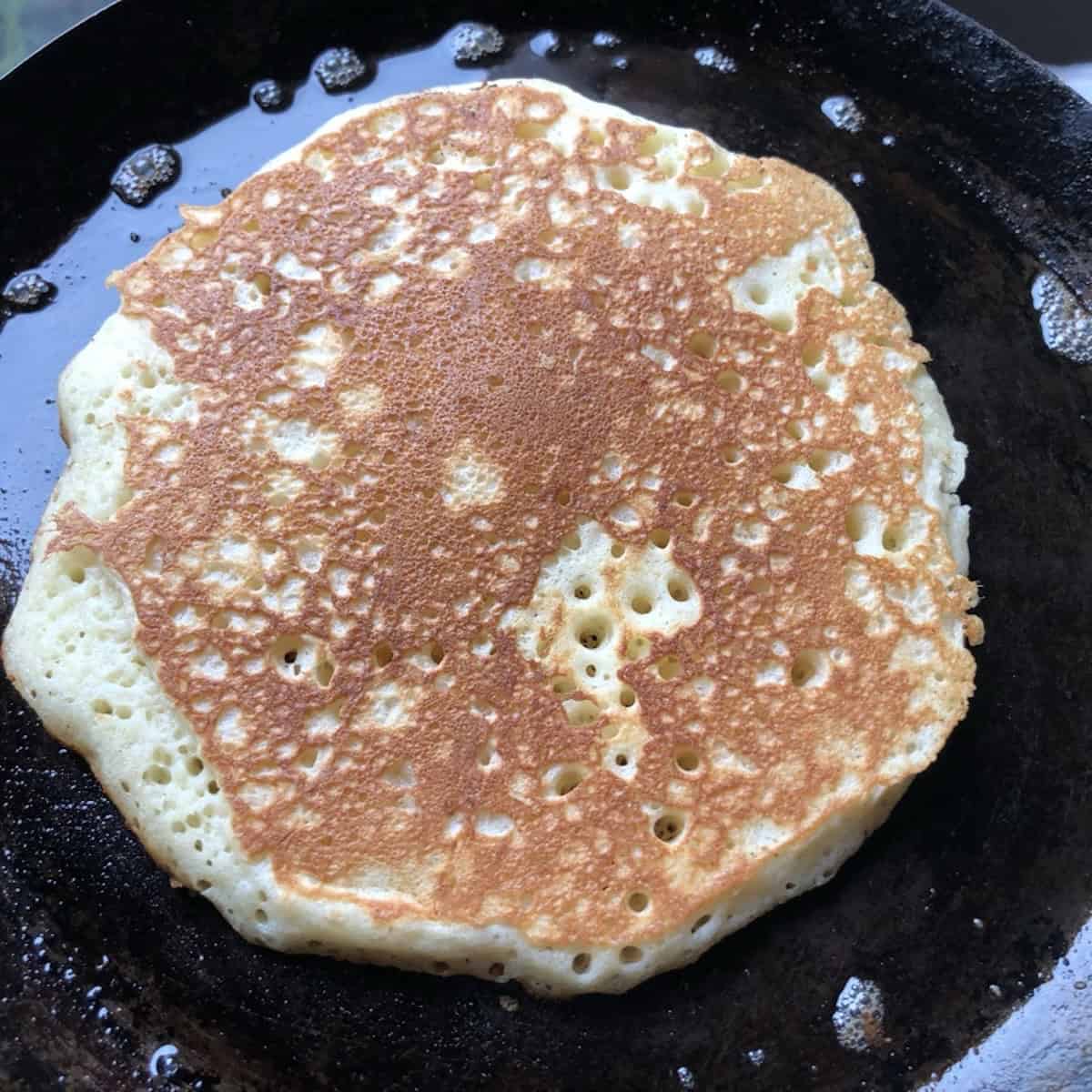
- Wet ingredients whisked together first. Combining them before they meet the flour means far less stirring at the stage where stirring forms the gluten structure.
- A whipped egg white. Optional, but when I have more time, I like to whip an egg white for a little extra lift. A small, flat, coil spring whisk makes it really easy to whip a single egg white (quickly) to stiff peaks.
- Buttermilk plus both leaveners. The acid in buttermilk reacts with the baking soda the moment they meet, so the batter starts producing bubbles right away. Most supermarket baking powder is double-acting, meaning it works in two stages: a small rise from the baking soda when the wet ingredients go in, and another from baking powder when the batter hits the heat.
- Room temperature ingredients. Cold buttermilk and egg don't combine as well and take more effort and stirring to blend properly. Extra stirring is what toughens a pancake. Bring ingredients to room temperature for a more tender crumb.
- Folding, not whisking. Overworking the gluten is what makes a pancake chewy. Use a rubber spatula or fork and stop while the batter is still lumpy.
- Butter and oil, not one or the other. Butter adds a little flavor, oil helps keep the crumb tender.
- Letting the batter rest. A few minutes lets the starch hydrate and the gluten relax, which makes for a more tender pancake. A short rest is ideal; just don't let a tripled batch sit so long that the leavening tires out. Full disclosure: I'm usually in a hurry and rest mine about as long as it takes for the pan to heat, and they're still fluffy.
- Fresh leavening. Baking powder and baking soda both lose potency over time, and old ones give you Flat Stanley pancakes.
How to Fix Pancake Batter
Pancake batter should be visibly lumpy and still easy to pour. No long streaks of dry flour, but nothing totally smooth or glossy like crêpe batter either. Almost everything that goes wrong with a pancake begins and ends with the batter and the temperature of your skillet:
- Batter too thick? Add milk or buttermilk a splash at a time until desired consistency. A thicker batter makes a thicker, taller pancake, so this is one way you can control the height of flapjacks. Going the other way, you can turn this into a thin pancake recipe by adding a little more milk so they don't fluff up quite as tall.
- Batter too thin or runny? Sprinkle in a little flour, one tablespoon at a time until it thickens up.
- Pancakes flat? Usually the batter is too thin, or the baking powder has lost its lift. Thicken the batter first with a little extra flour. If that doesn't fix it, replace the baking powder, or lean into the flatness by adding a little more milk to thin it out to make crêpe-style pancakes instead.
- Pancakes rubbery or chewy? The batter was overmixed and the gluten overdeveloped. Fold or stir less next time and leave some lumps.
- Pancakes dry? Too much flour, too little leavening, or too little fat. Don't throw them out; serve them with a fruit syrup or turn them into pancake bread pudding.
- Pancakes gummy in the middle? Either the heat is too high, and the outsides are browning before the centers cook, or they need another minute.
- Pancakes too brown, or too pale? Pan temperature. If the skillet is smoking, it's far too hot. If the butter isn't sizzling, it's too cold. Expect to adjust the heat up and down as you go.
- Pancakes falling apart? Usually, using no eggs or not enough eggs can create a pancake batter ratio that's out of balance. If you're using an egg substitute like applesauce or mashed bananas, measure it properly rather than guessing. Typically, ¼ cup of applesauce OR ¼ cup smashed banana = 1 large egg.
Easy Ways to Customize Pancakes
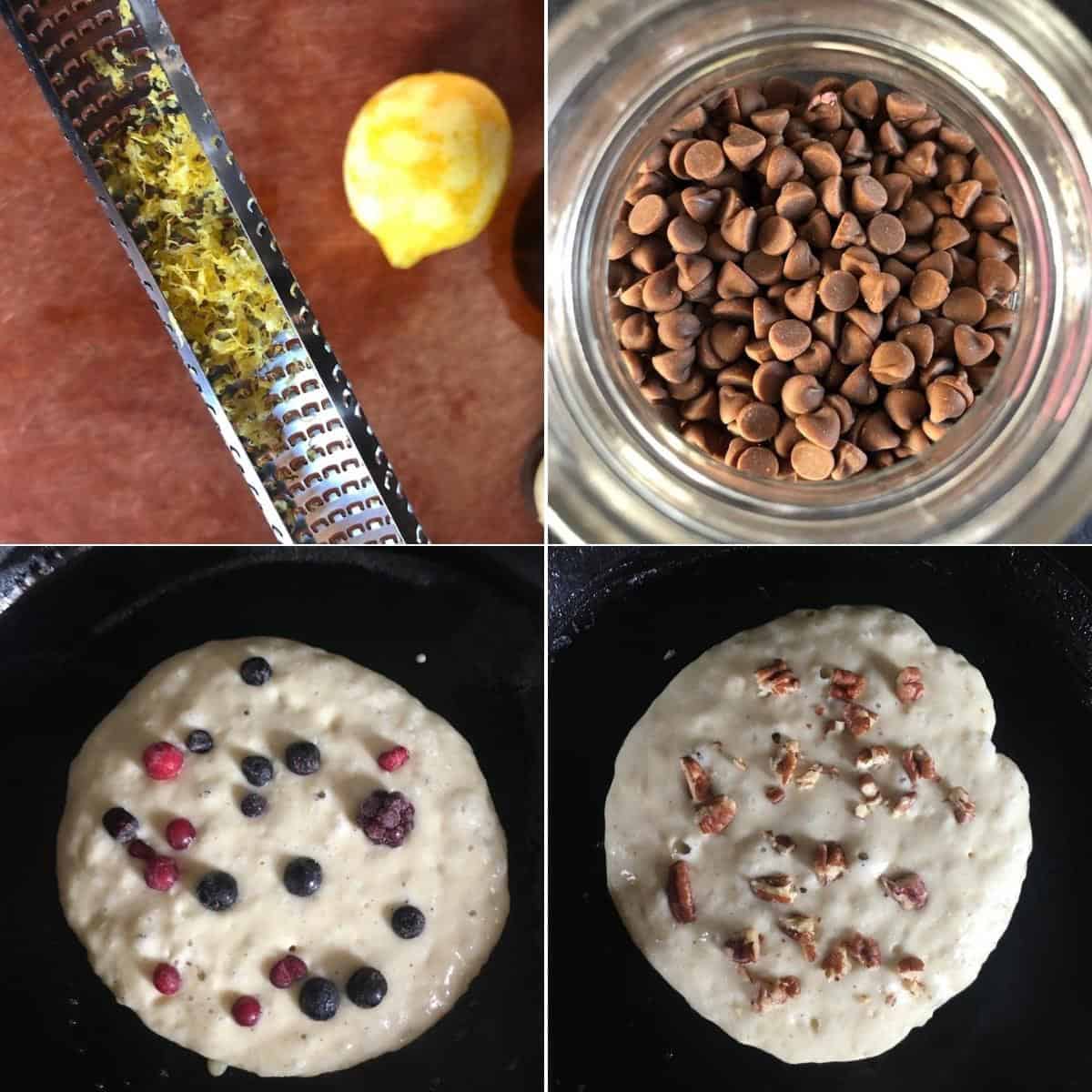
Fold any of these in at the very end after the batter is combined, or sprinkle over the top of the pancakes after you add the batter to the pan.
- Chocolate chips. ½ cup milk, dark, semi-sweet, or white.
- Fresh or frozen fruit. ½ cup blueberries, strawberries, blackberries, or raspberries. Toss them in the dry flour mixture first so they don't all sink. Do not thaw frozen berries before using.
- Toasted nuts. ½ cup chopped pecans, walnuts, pine nuts, or macadamias. Toast them first for best flavor and texture.
- Peanut butter chips. ½ cup.
- Citrus zest. Lemon or orange, whisked into the flour mixture.
- Pumpkin. Use my pumpkin pancake recipe instead. Pumpkin purée adds enough moisture that the ratios change, so it isn't a straight fold-in.
- Use a fruit sauce to drizzle holiday-themed images onto pancakes
Meal Prep, Storage and Reheating
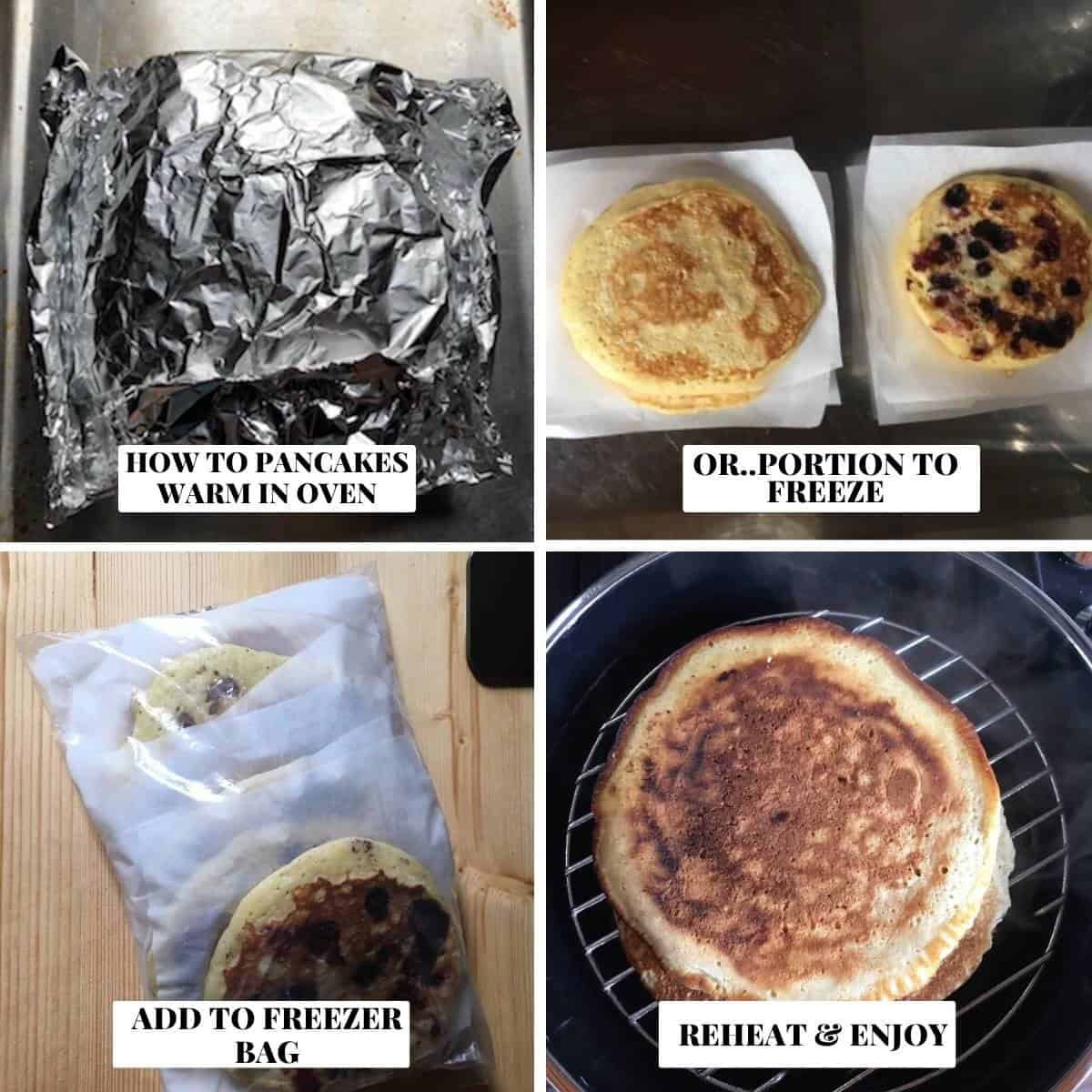
- Refrigerator. Wrap and seal them in an airtight container for up to 5 days.
- Freezer. Cool completely, then stack in desired portions; add parchment between each portion. Wrap the stack tightly in foil and slide it into a heavy-duty freezer bag and freeze for up to 3 months.
- Microwave. 20 to 30 seconds from the fridge, 45 to 60 seconds from frozen.
- Toaster. Straight in until heated through. Good for one or two, and fine here since there's no fruit in the batter.
- Oven or toaster oven. Sheet pan, covered with foil, 375°F for 8 to 10 minutes.
- Steamed in a skillet (my favorite method). A steamer basket or rack set over simmering water with the lid on, or a covered skillet over low heat with a splash of water. A few minutes, and they come out soft and fluffy instead of dried out.
- Making batter ahead. You can mix the batter the night before and keep it covered in the fridge. It works, but the pancakes won't rise quite as high, since the buttermilk and baking soda start reacting as soon as they meet. For the loftiest results, mix just before cooking.
FAQs
Yes. I live in Italy and make these with 00 flour more often than with all-purpose, and they come out tender with a slightly finer crumb. Keep in mind that 00 refers to how finely the flour is milled, not to its protein content, so different 00 flours behave differently. Because it is ground so fine, it packs into a cup differently than all-purpose, so use the scoop-and-level method or weigh it.
This recipe is already portioned for two. It makes five to six full-size pancakes, enough for two, or stretches further for a small family alongside eggs, fruit salad, and bacon or ham. Double it for three or four people and triple it for five or more.
Usually one of two things. Either the batter is too thin, in which case sprinkle in a little more flour until it thickens, or the baking powder has lost its lift and needs replacing. Both leaveners lose potency with age, so check the dates if thickening the batter does not solve it.
No, but it is what makes these taste like diner pancakes rather than plain ones, and its acid reacts with the baking soda for extra lift. If you do not have it, stir a little lemon juice or vinegar into milk and let it stand five to ten minutes until it curdles. Exact amounts are in the recipe notes.
No, the pancakes are soft and fluffy without it. It is the single biggest lift you can add if you have two extra minutes, and a small coil spring whisk makes quick work of a single white. If you do whip it, use a clean grease-free glass or metal bowl, since plastic holds on to fat that can keep whites from whipping up.
Yes, though it makes a chewier, sturdier pancake because bread flour is higher in protein and develops more gluten than all-purpose. If it is what you have, mix the batter gently and as little as possible and stop the moment the flour disappears. For a softer, more tender pancake, all-purpose or finely milled 00 flour is the better choice.
Yes. Add 1 ½ teaspoons of lemon juice or white vinegar to a measuring cup, then pour in enough regular milk to reach the ¾ cup line and let it stand five to ten minutes, until it looks thick and slightly curdled. Then use it in place of the buttermilk. The acid is what reacts with the baking soda for lift, so this swap keeps the pancakes fluffy.



Made this Recipe? We'd love for you to rate ⭐️ it and tell us how it went for you!
Let's get started!
📖 Recipe
Easy Buttermilk Pancake Recipe (For Two or a Crowd)
- Total Time: 20 minutes
- Yield: 6 pancakes
- Diet: Vegetarian
Description
Make fluffy homemade pancakes from scratch with this easy and foolproof recipe that's perfectly portioned for singles, couples, and smaller families. Breakfast-for-dinner and weekend brunches just got easier! Make just 5 full-size pancakes that are tender and fluffy every single time.
Ingredients
- ¾ cup + 2 tablespoons King Arthur all-purpose flour (125g) (substitute 00 Flour)
- 1 ½ teaspoons baking powder (7g)
- ⅛ teaspoon baking soda (½g)
- ¼ teaspoon kosher salt (1g)
- 1 tablespoon sugar (14g)
- ¾ cup buttermilk, room temperature (183g) *see notes for buttermilk substitute
- 1 tablespoon vegetable oil (14g)
- ½ teaspoon pure vanilla extract (3g) (optional but recommended)
- 1 ½ teaspoons unsalted butter, melted (8g)
- 1 large egg, whisked, room temperature (50g)
- 1 additional large egg white (optional but recommended)
 Get Recipe Ingredients
Instructions
- Measure the dry ingredients. In a medium bowl, whisk together the flour, sugar, baking powder, baking soda, and salt. Set aside.
- Mix the wet ingredients. In a separate bowl, whisk together the buttermilk, egg, vanilla, oil, and melted butter. Set aside.
- Whip the egg white (optional but recommended). In a clean, grease-free glass or metal bowl, whip the extra egg white to stiff peaks. Set aside.
- Combine the wet and dry ingredients. Add the wet mixture to the flour mixture. Using a rubber spatula or fork, gently fold until no streaks of flour remain. Visible lumps are normal. Gently fold in the whipped egg white until just incorporated.
- Cook the pancakes. Heat a cast iron griddle or non-stick pan over medium-high, butter it liberally, then turn the heat down to medium. Add about ⅓ cup batter to the hot but not smoking pan. Cook until bubbles form and the edges look dry, about 3 minutes. Flip and cook until golden, 2 to 3 minutes more. Repeat with the remaining batter. Serve hot, or keep warm stacked and wrapped in foil in a 200°F (90°C) oven. Enjoy!
Notes
No buttermilk? Use regular milk, or make a quick substitute: add 1 ½ teaspoons fresh lemon juice or vinegar to a liquid measuring cup, then pour in enough milk to reach the ¾ cup mark. Stir and let it rest 5 to 10 minutes. It will thicken and may even curdle, and that's normal - the acid is unraveling the proteins in the milk.
Skipping the egg white. No problem. The pancakes are still soft and fluffy without it. A small coil spring whisk makes whipping a single white fast, which is why I usually bother with the extra step.
Whipping egg whites. Use a totally clean, grease-free bowl and whisk. Stainless steel, copper, or glass works best, since unlike plastic, they don't hold onto fat that can keep whites from whipping up properly. Don't reuse the whisk from the egg mixture unless you've washed and dried it first.
Flour measuring. I use 00 flour for this recipe when I'm at home in Italy. Flour weight varies with humidity and environment, so use a scale or the scoop-and-level method into your measuring cups, and the recipe works every time.
Troubleshooting. For fixing batter that's too thick or thin, and pancakes that come out flat, rubbery, dry, gummy, or falling apart, see the full troubleshooting guide in the post above.
- Prep Time: 10 minutes
- Cook Time: 10 minutes
- Category: Breakfast + Brunch
- Method: Skillet
- Cuisine: American
Nutrition
- Serving Size: 2 pancakes
- Calories: 281
- Sugar: 8g
- Sodium: 562mg
- Fat: 9.5g
- Saturated Fat: 2.5g
- Unsaturated Fat: 7g
- Trans Fat: 0g
- Carbohydrates: 40g
- Fiber: 1g
- Protein: 9.4g
- Cholesterol: 62mg

Food Safety
- Cook pancakes until the centers are set and no wet batter remains.
- Do not leave cooked pancakes at room temperature for more than two hours.
- Wash hands and surfaces after handling raw eggs, and keep raw eggs away from anything eaten uncooked.
- Refrigerate eggs at 40°F or below and use them within 3 to 5 weeks.
- Full guidance on handling eggs safely is available from the USDA FSIS shell eggs guide.




Kelly Leding says
Super fluffy pancakes that cook up like a diner!