

This asparagus béchamel sauce is a vibrant spring twist on classic Italian white sauce - and once you make it, you'll want to put it on everything! Fresh blanched asparagus gets puréed and folded right into a traditional butter-flour-milk béchamel, giving you a silky, creamy sauce with a beautiful natural green color, a delicate asparagus flavor, and a serious nutritional upgrade over the original.

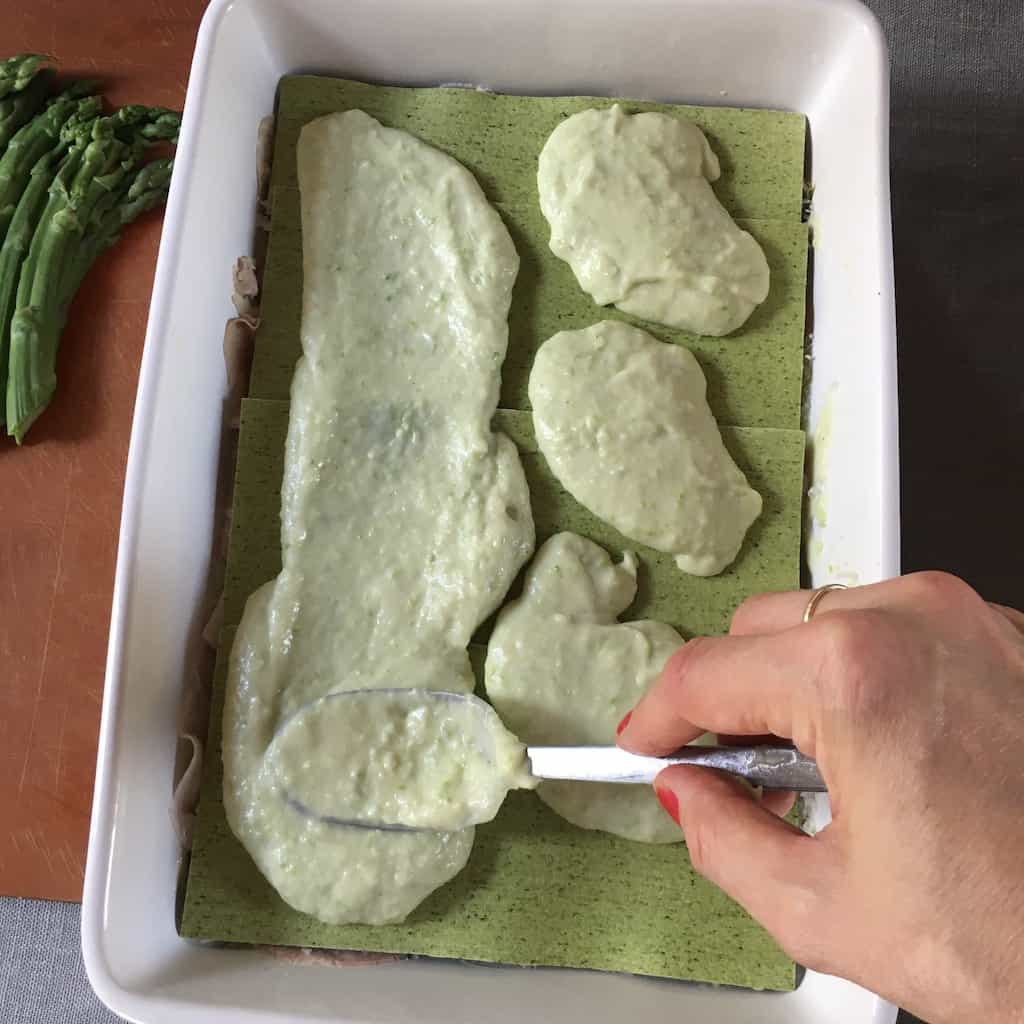
It's the perfect sauce for spring and Easter entertaining - rich and elegant, but completely make-ahead friendly (you can even freeze it). Use it anywhere you'd use a classic béchamel or white sauce: layered into Lasagna Bolognese, or this spring lasagna, crispy chicken dipper, or as the creamy layer in this Italian speck and asparagus pasticcio that inspired the whole recipe.
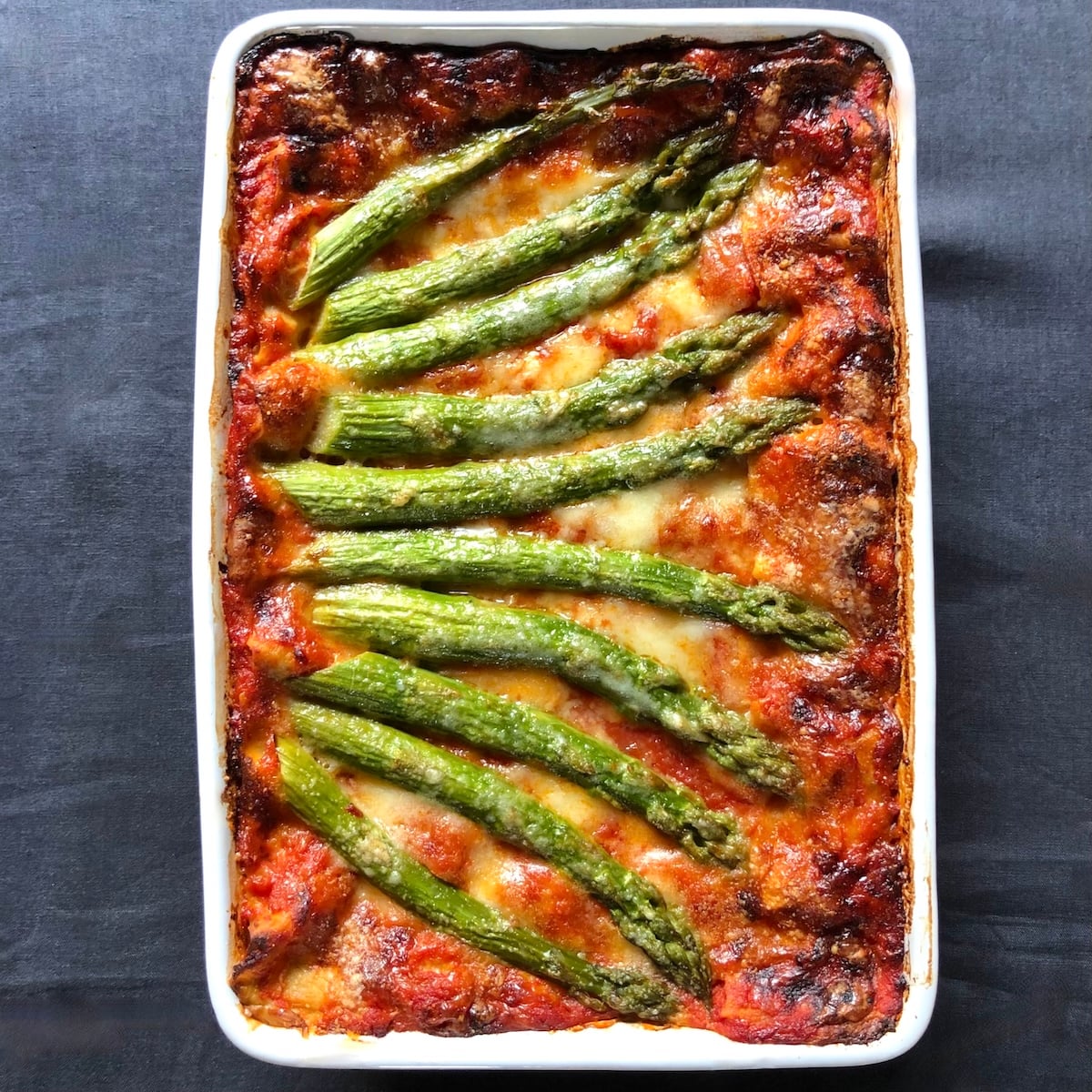
Can I Make This Asparagus-Béchamel Vegan vs Just Vegetarian?
The short answer -- Yes, you can. This Asparagus-Béchamel is delicious. It's also pretty and perfect for spring and Easter! Infusing asparagus into this traditional "white sauce" for maximum flavor and extra nutrition was a no-brainer.
If you want to make this a vegan béchamel, just substitute the milk and butter with grapeseed oil and oat milk, or your favorite non-animal fat and unsweetened non-dairy milk substitute.
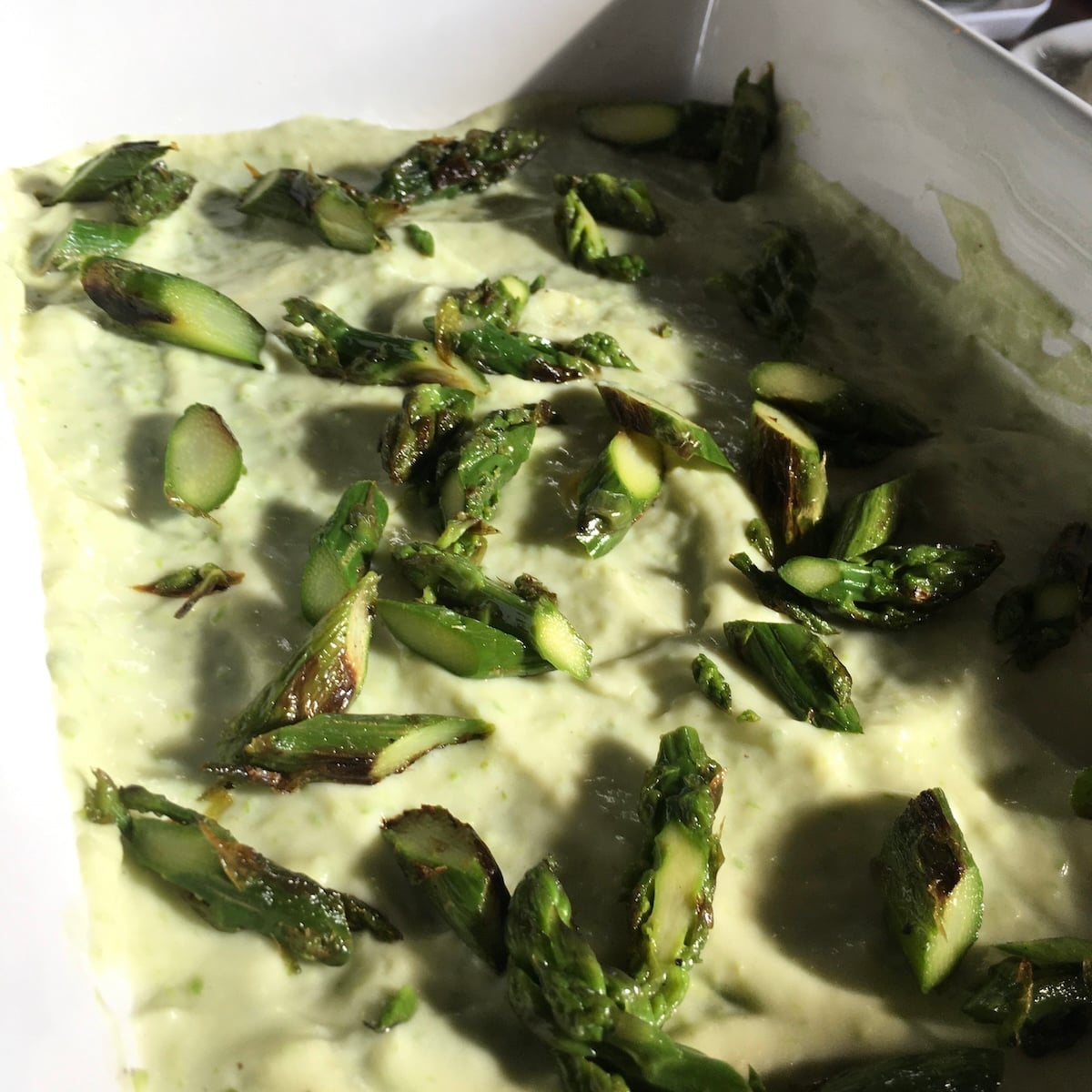
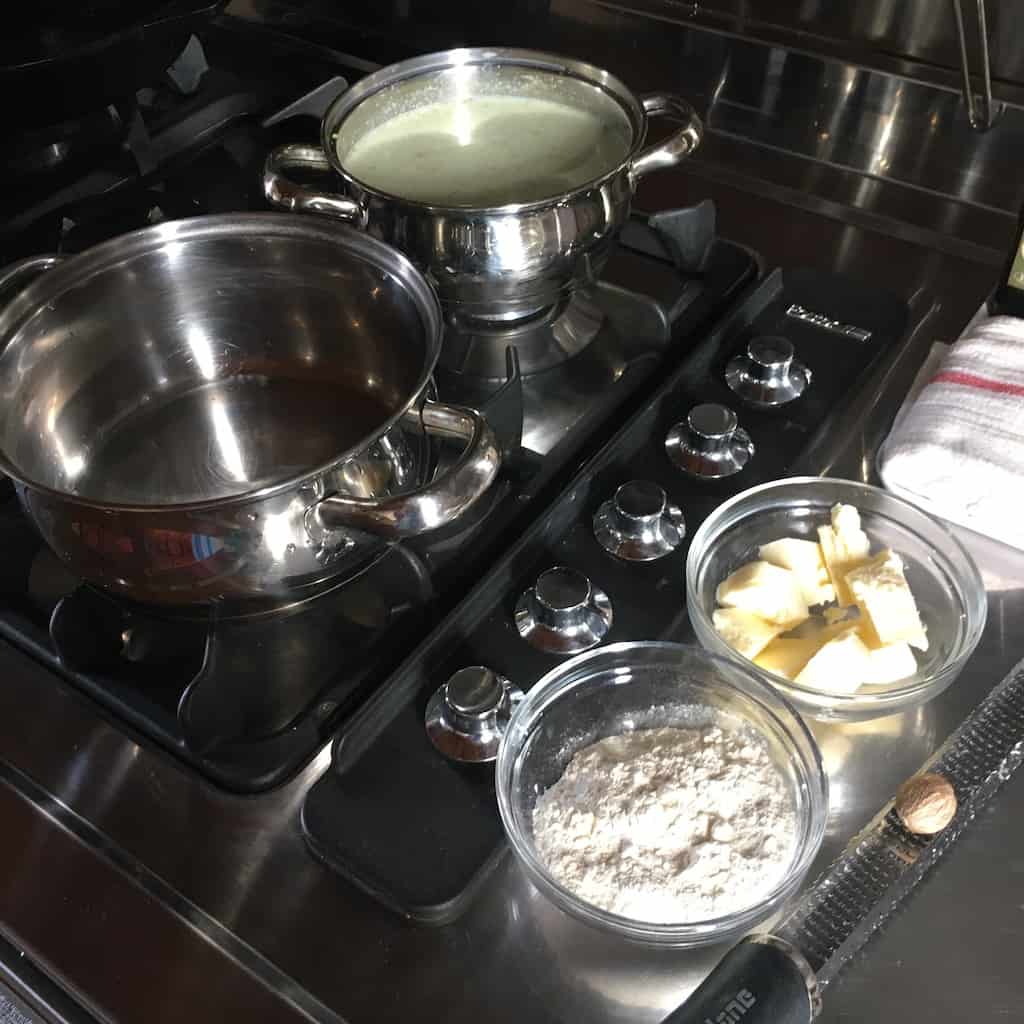
Asparagus-Béchamel Ingredients
- unsalted butter
- 00 flour (or all-purpose flour)
- whole milk
- fresh asparagus
- salt
- whole nutmeg freshly grated
How to Make Asparagus-Béchamel Sauce
Blanch the asparagus and make the purée:
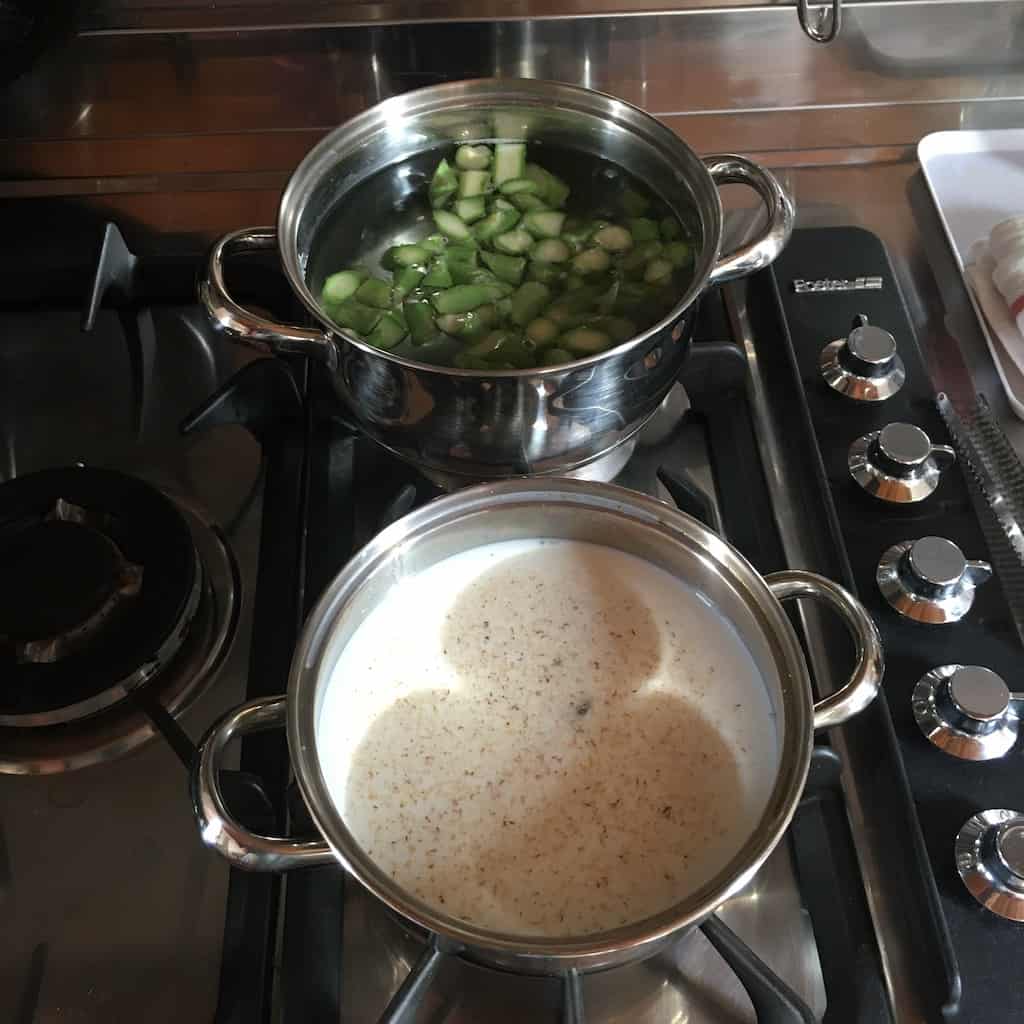
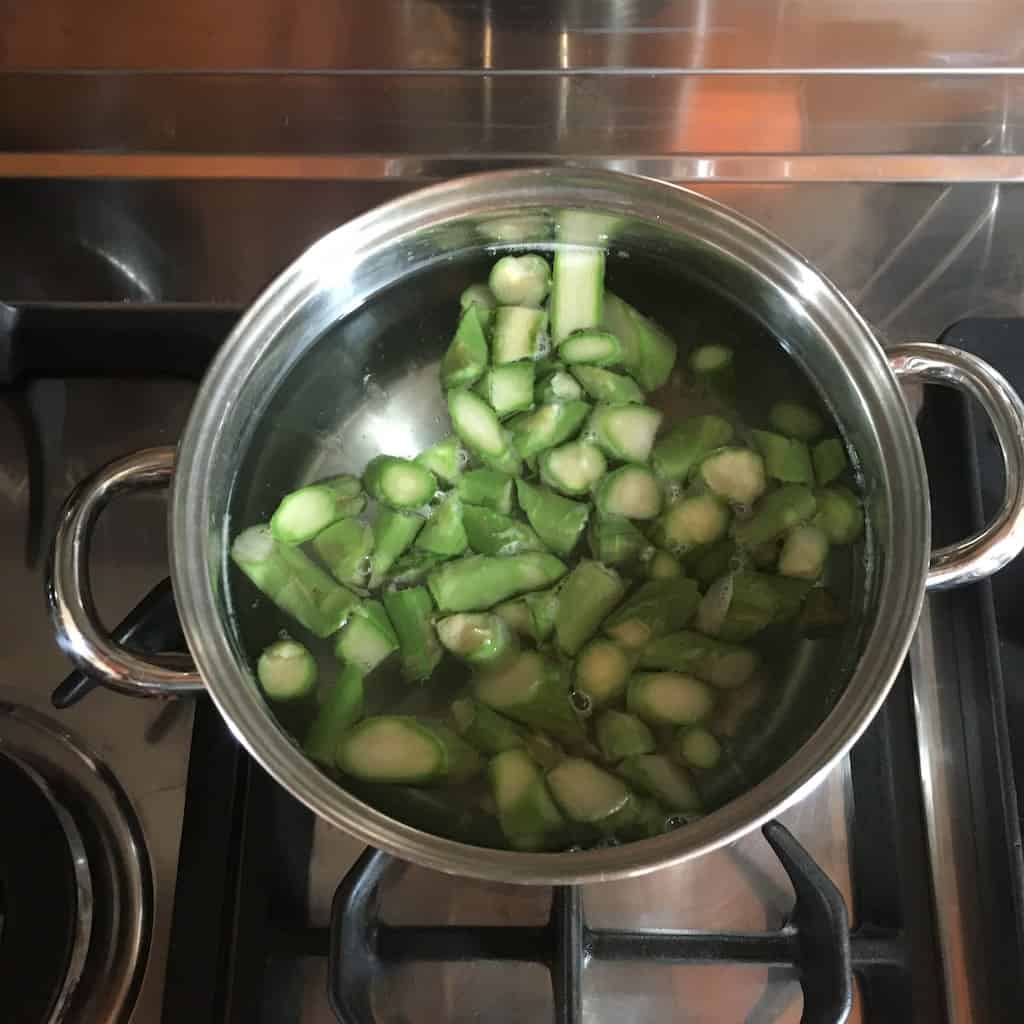
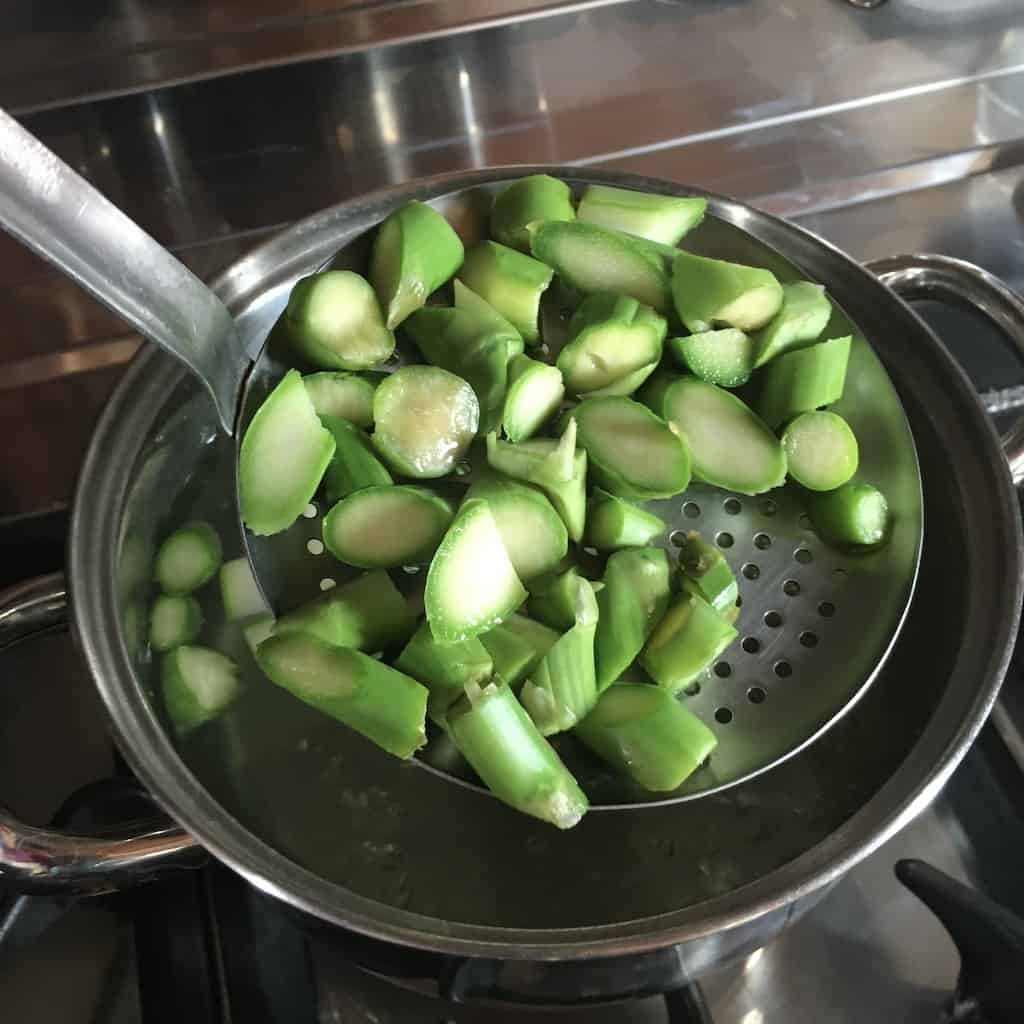
- Wash and trim the asparagus, keeping only the tender parts. Discard any tough or woody ends. Bring a medium pot of lightly salted water to a boil. Add the asparagus and blanch until bright green, then strain.
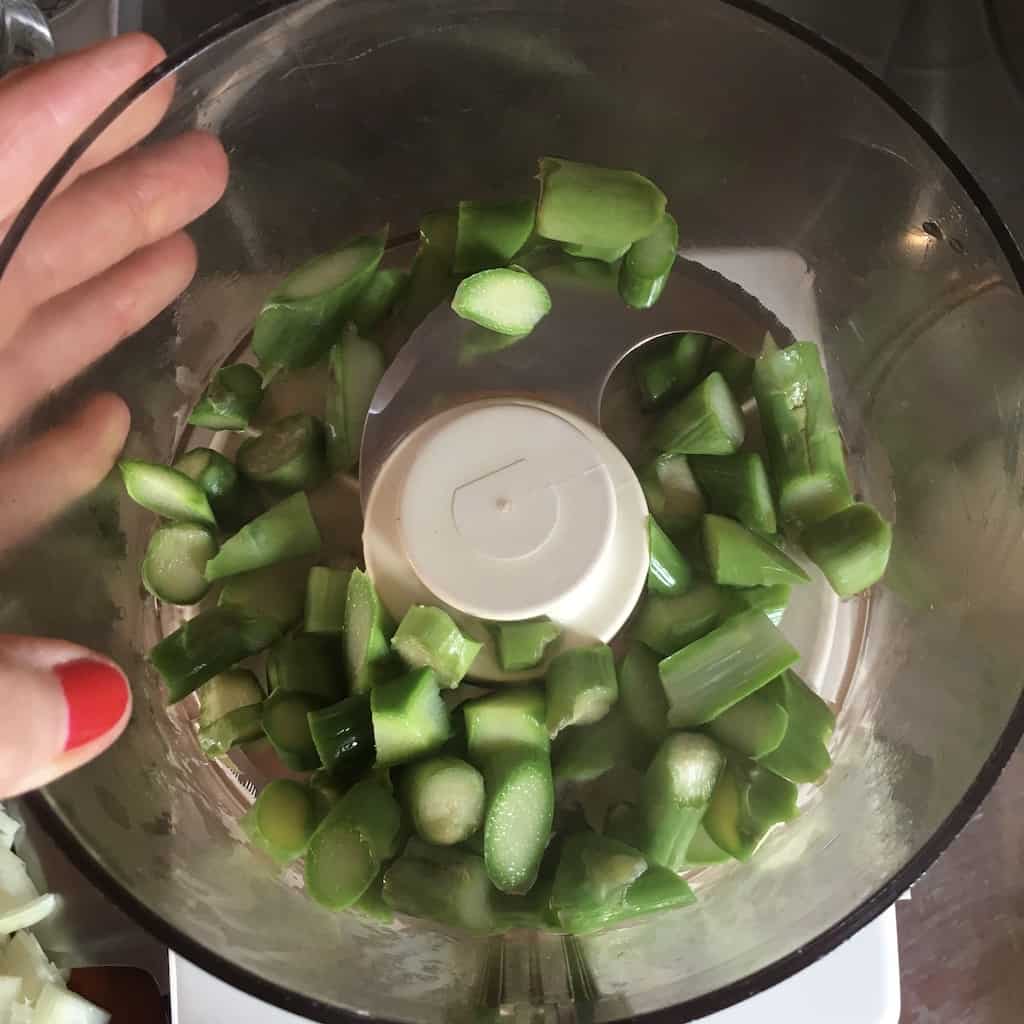
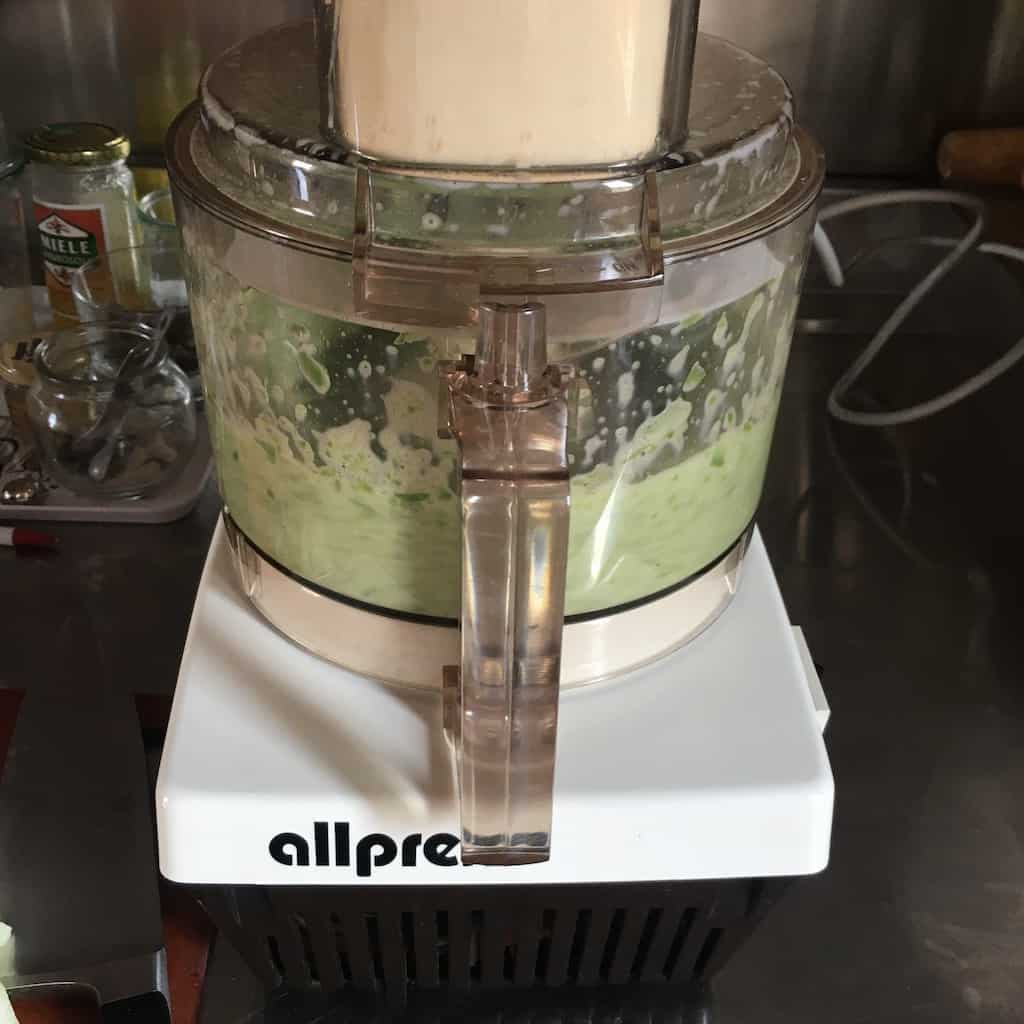
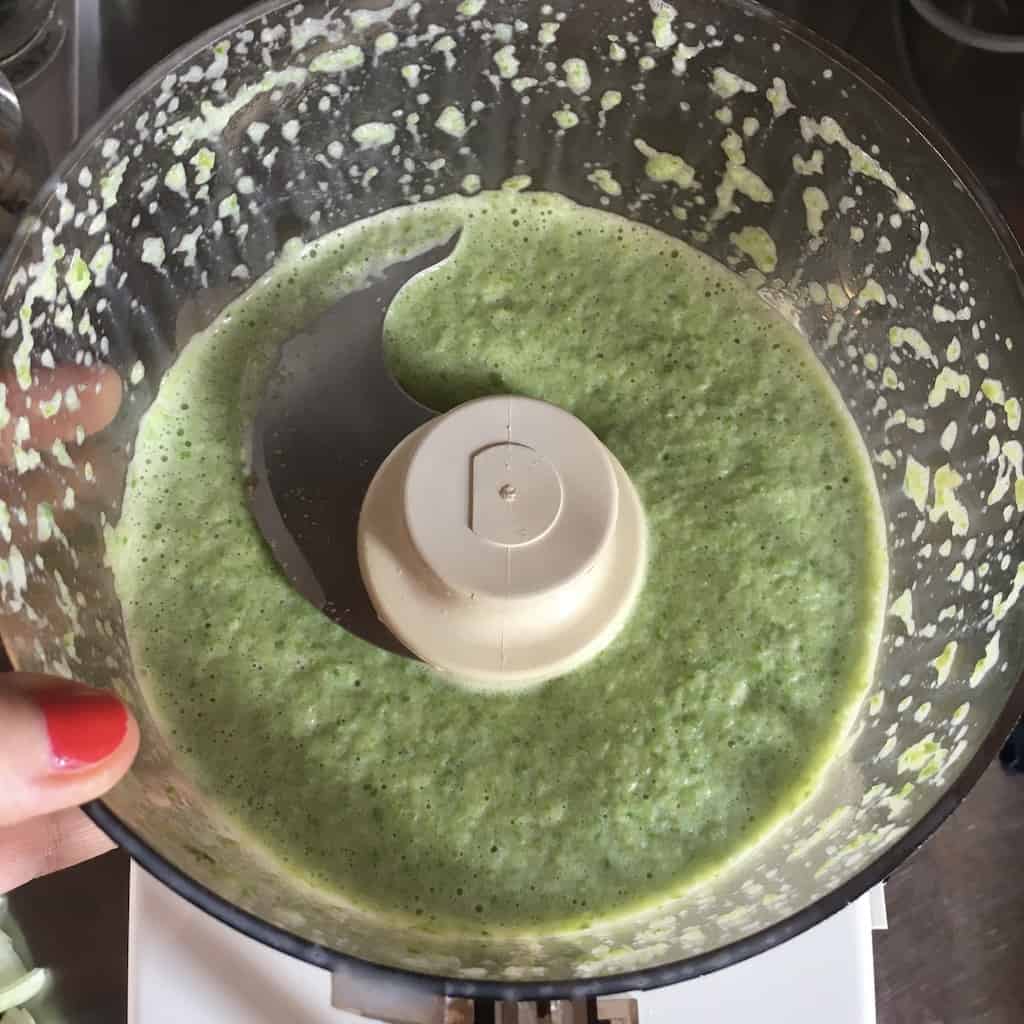
- Transfer the asparagus to a blender or food processor with ½ cup (or a little more) of the milk, and blend until smooth.
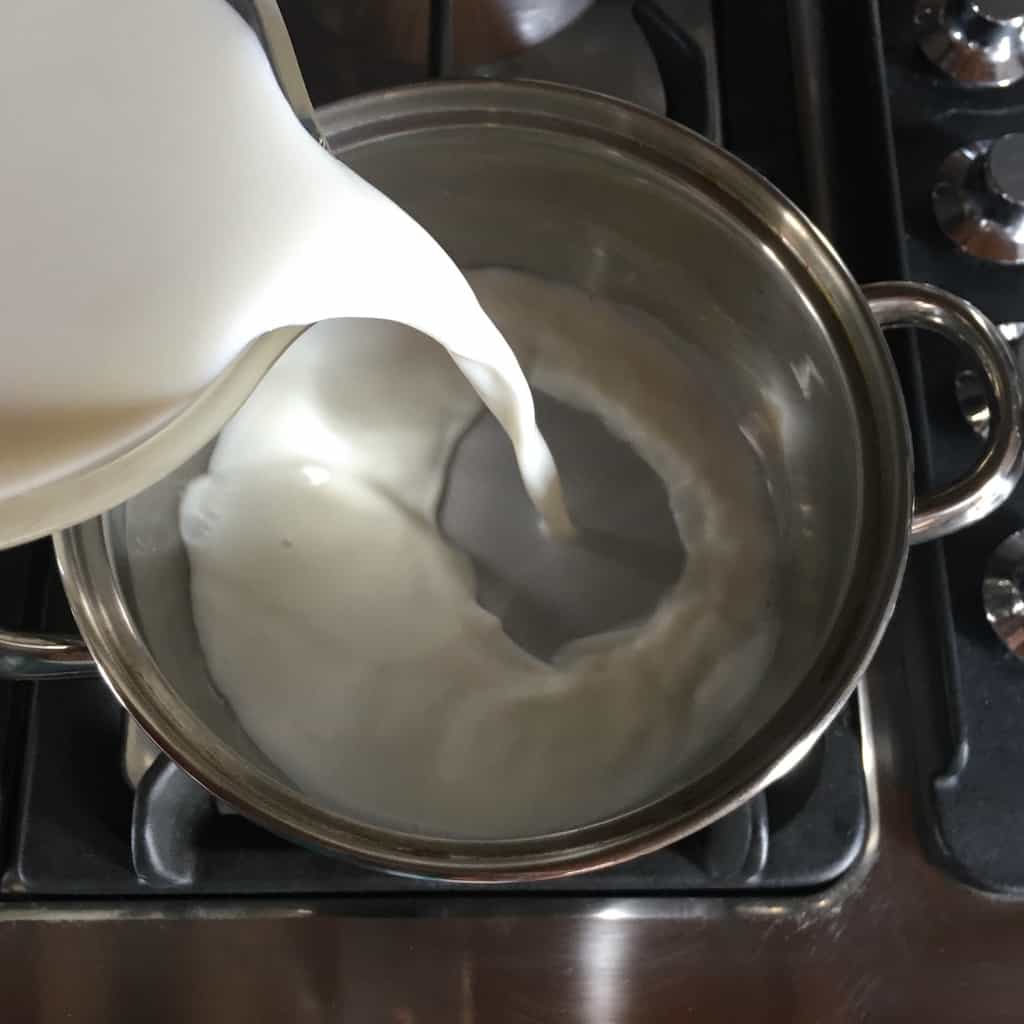
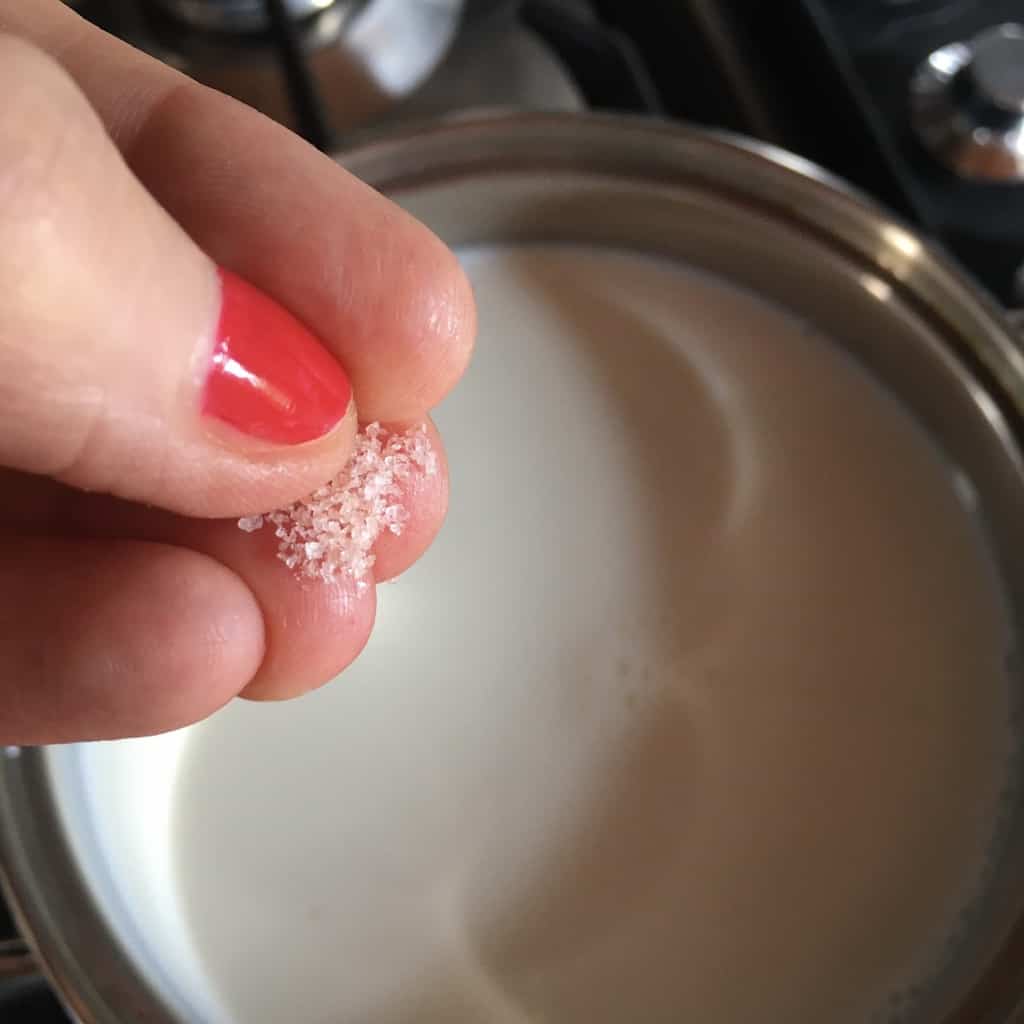
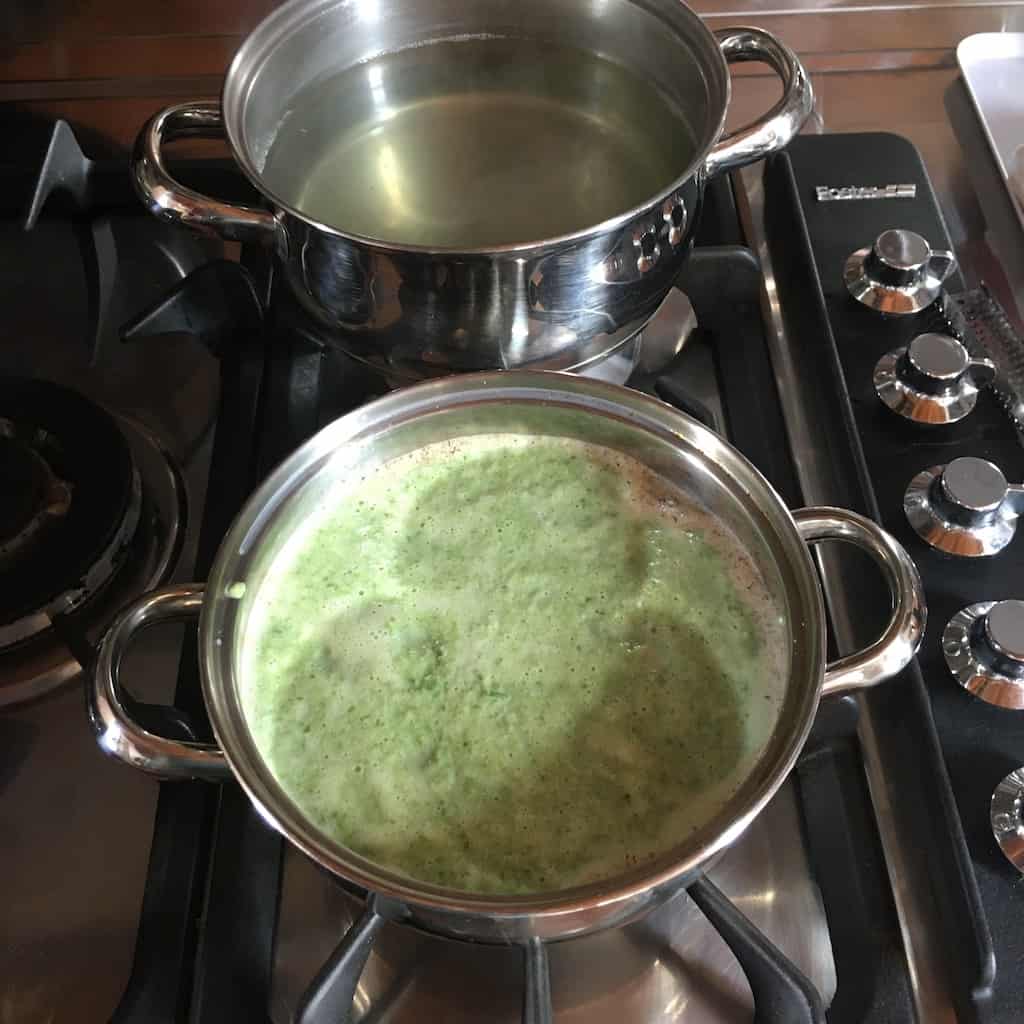
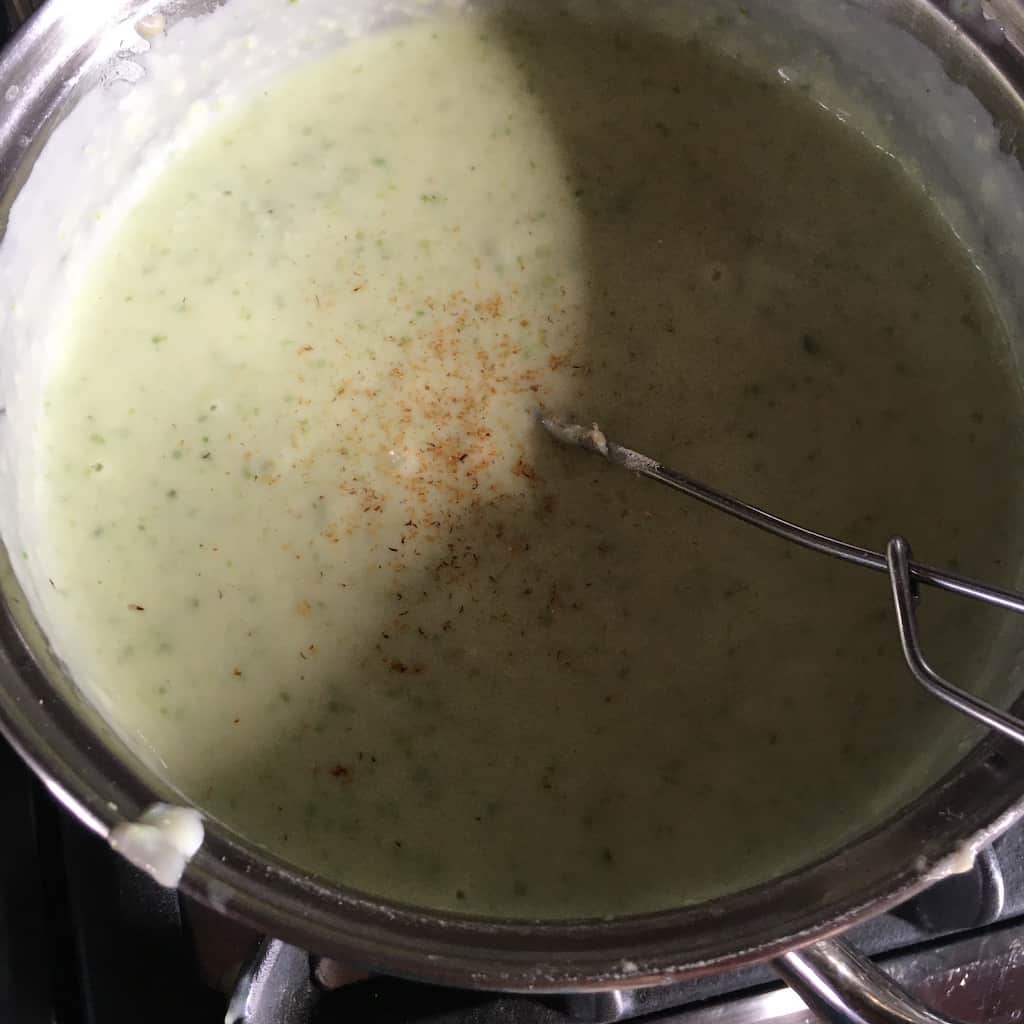
- Pour the purée into a pot with the remaining milk. Season with salt and freshly grated nutmeg to taste.
Heat the asparagus-milk mixture:
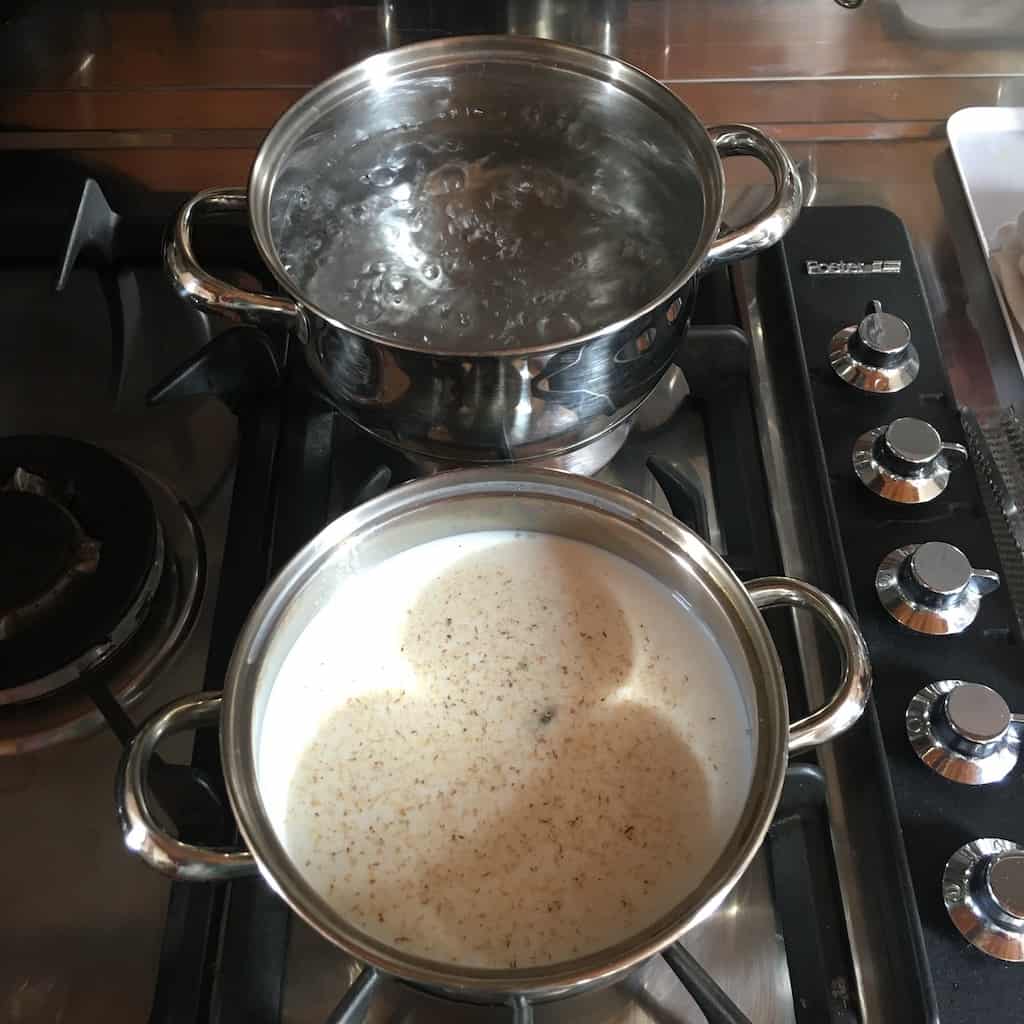
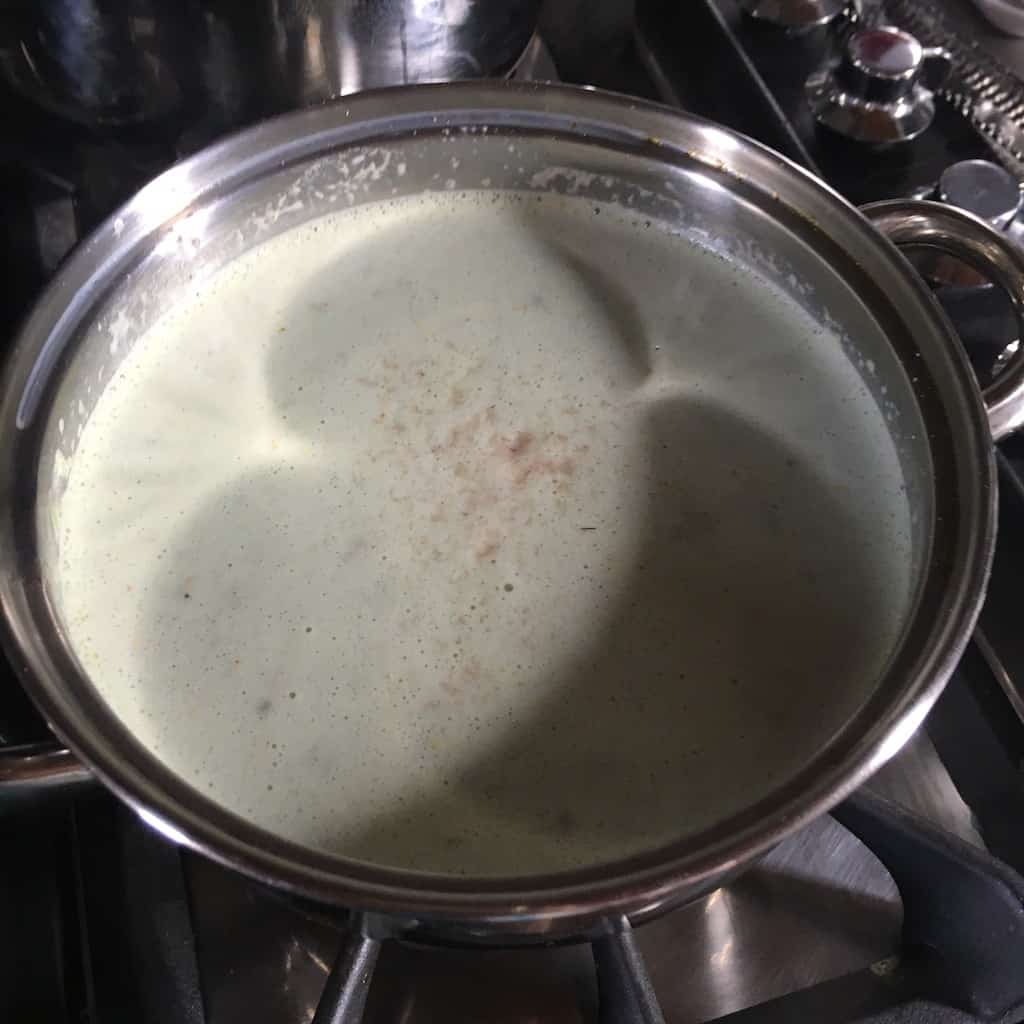
4. Warm the asparagus-milk mixture over medium heat until hot but not boiling. Turn off the heat, set aside, and keep warm while you make the roux.
Make the roux and build the béchamel
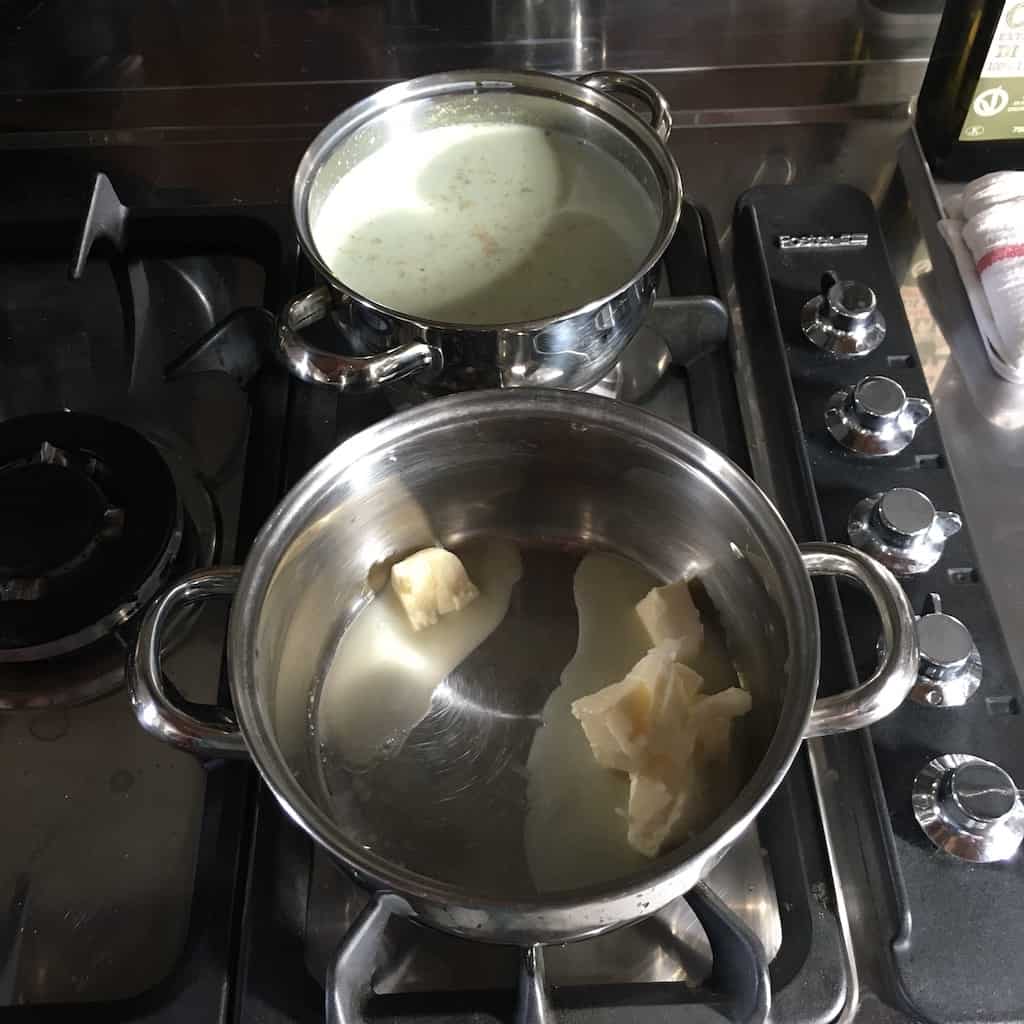
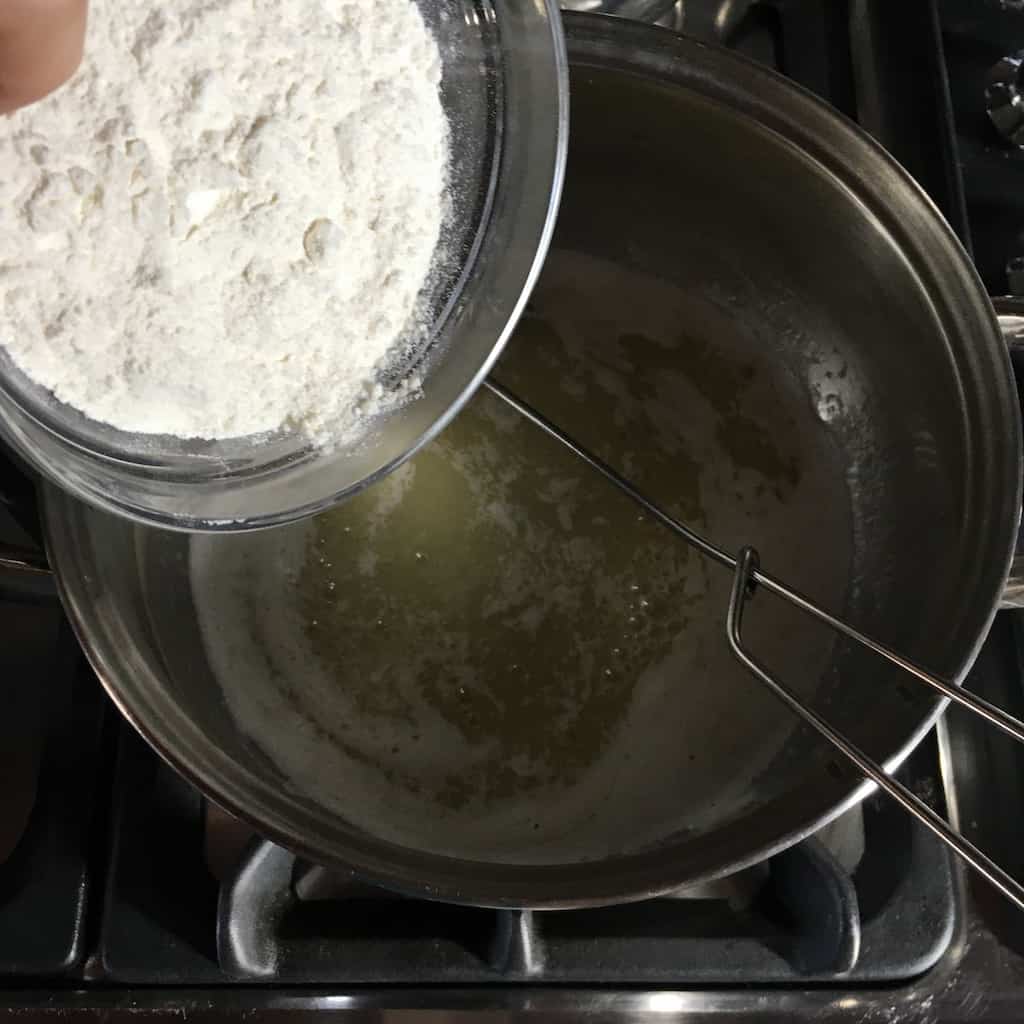
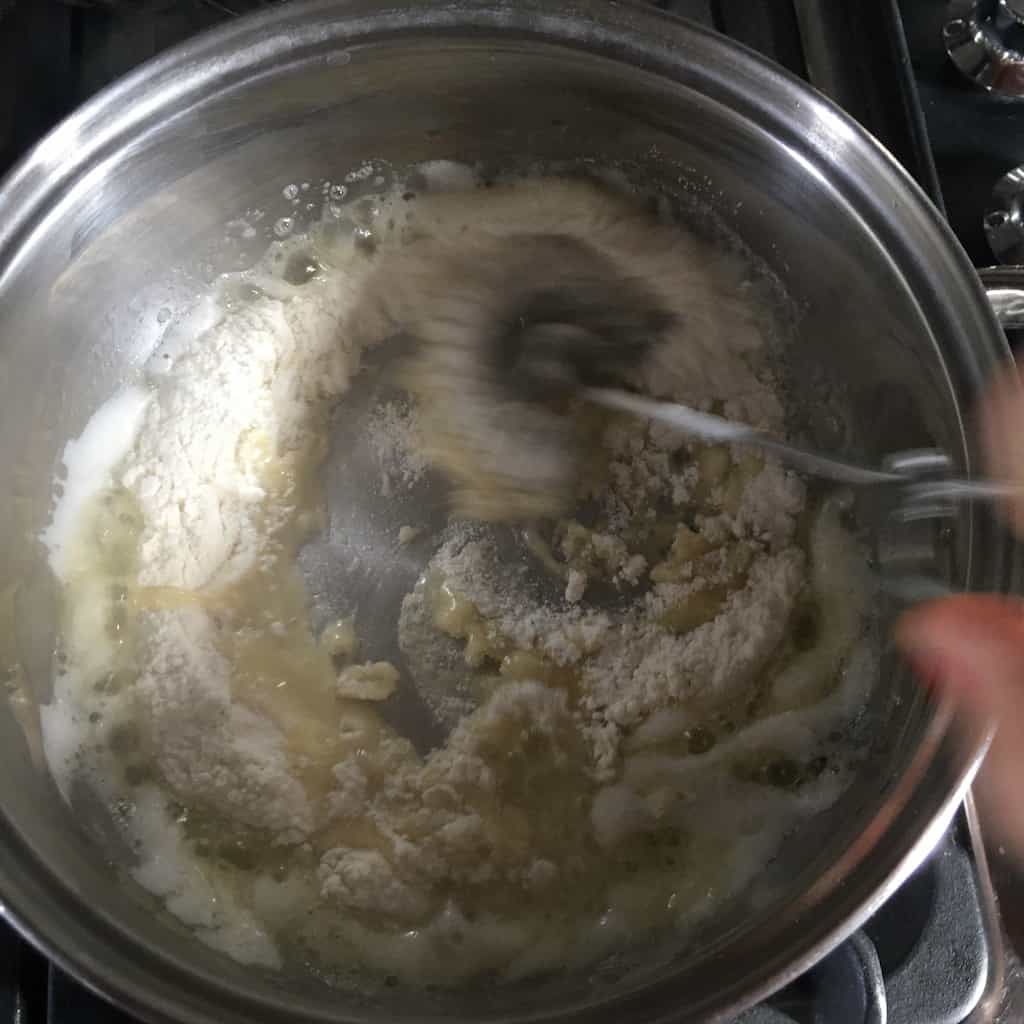
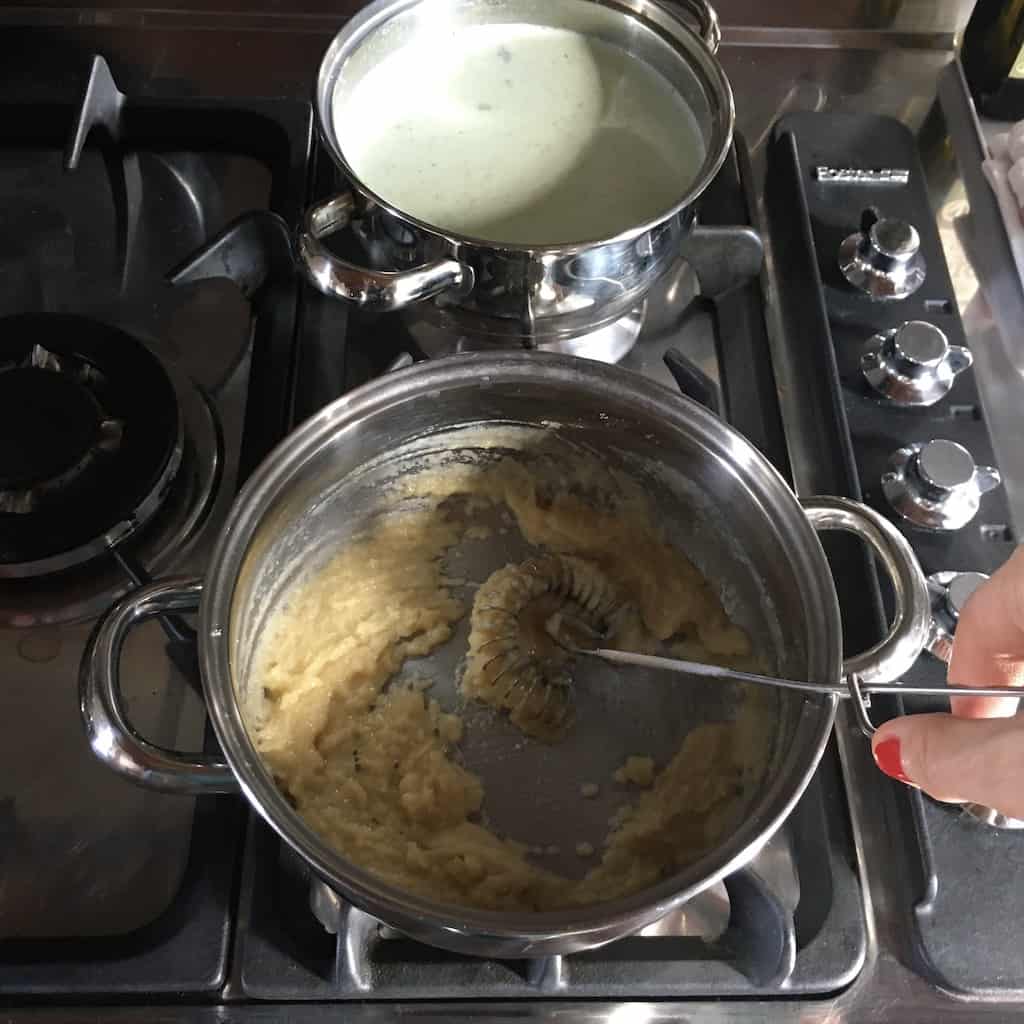
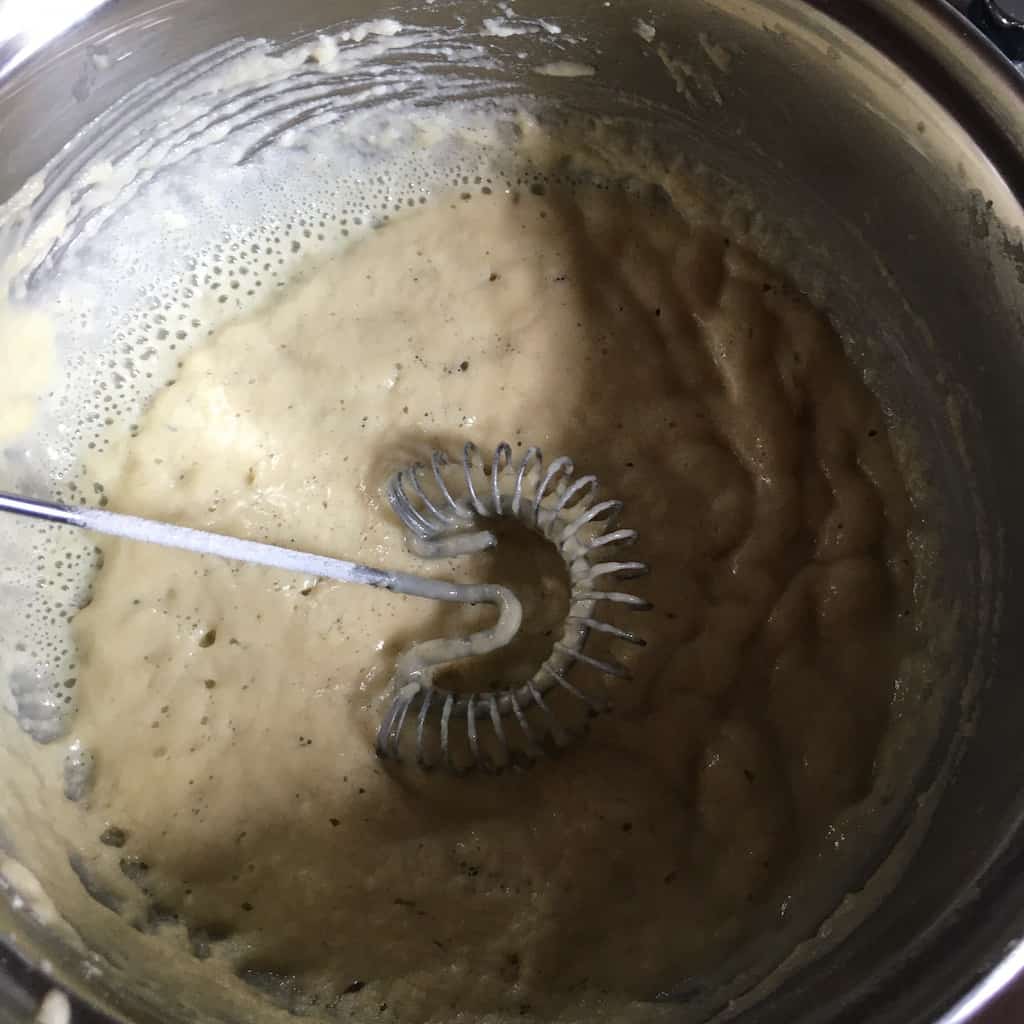
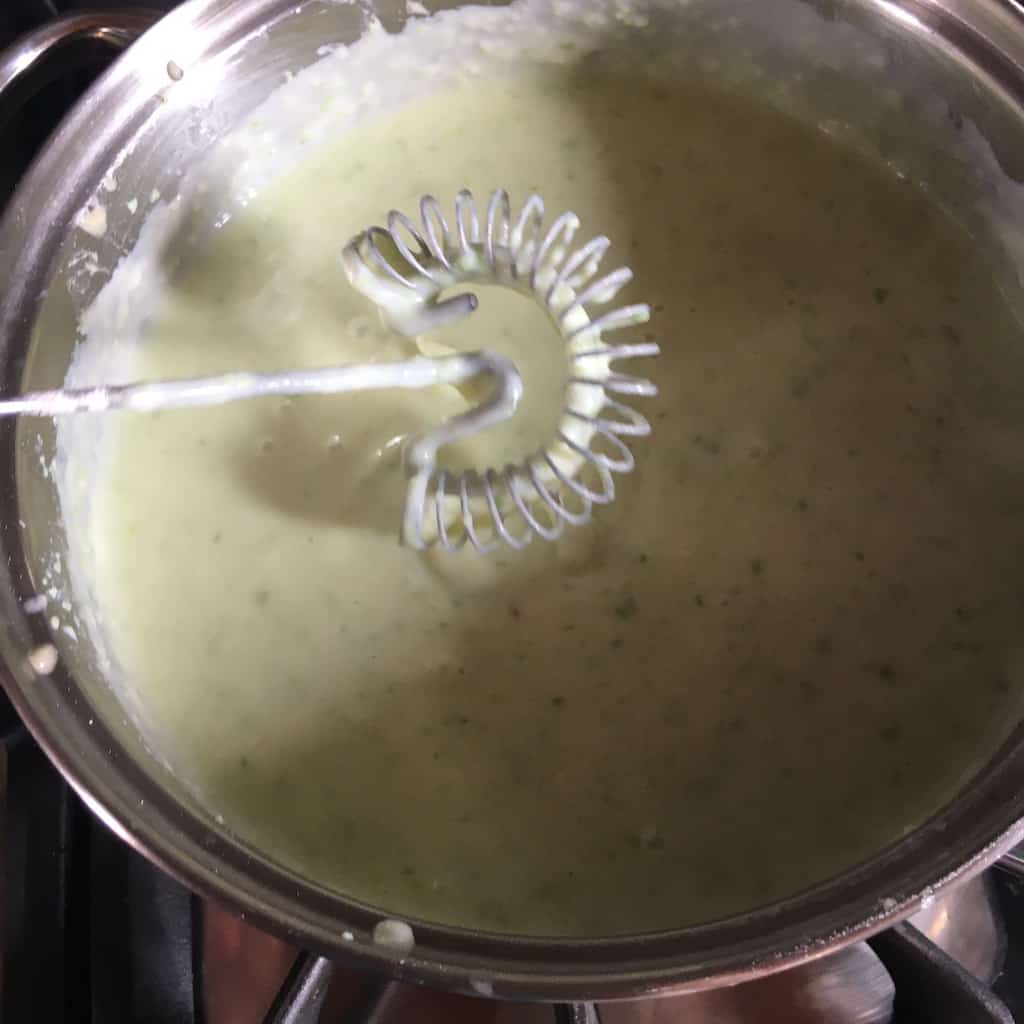
5. In a separate medium pot, melt the butter over medium heat. Add the flour a little at a time, whisking constantly to prevent lumps. Keep whisking for 5-7 minutes until the flour is cooked and the roux turns lightly golden brown. Reduce the heat to low.
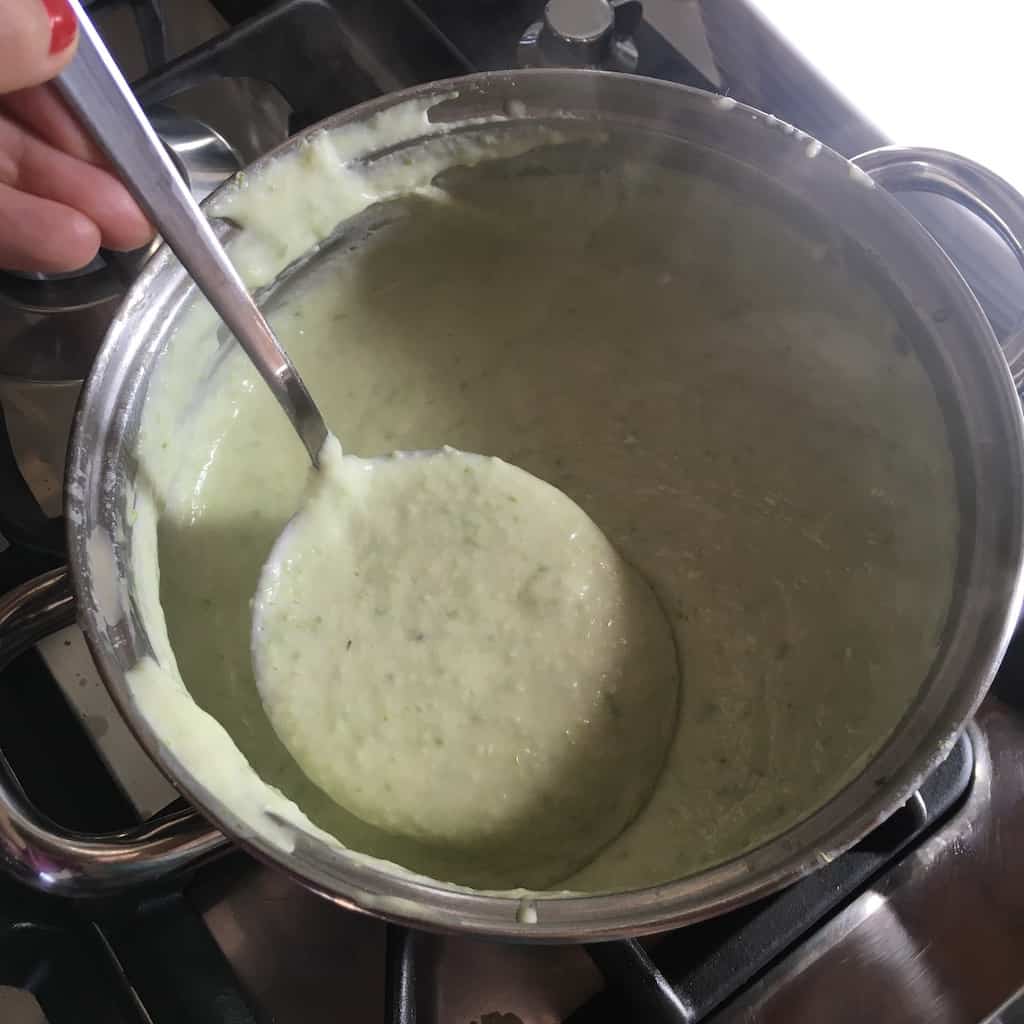
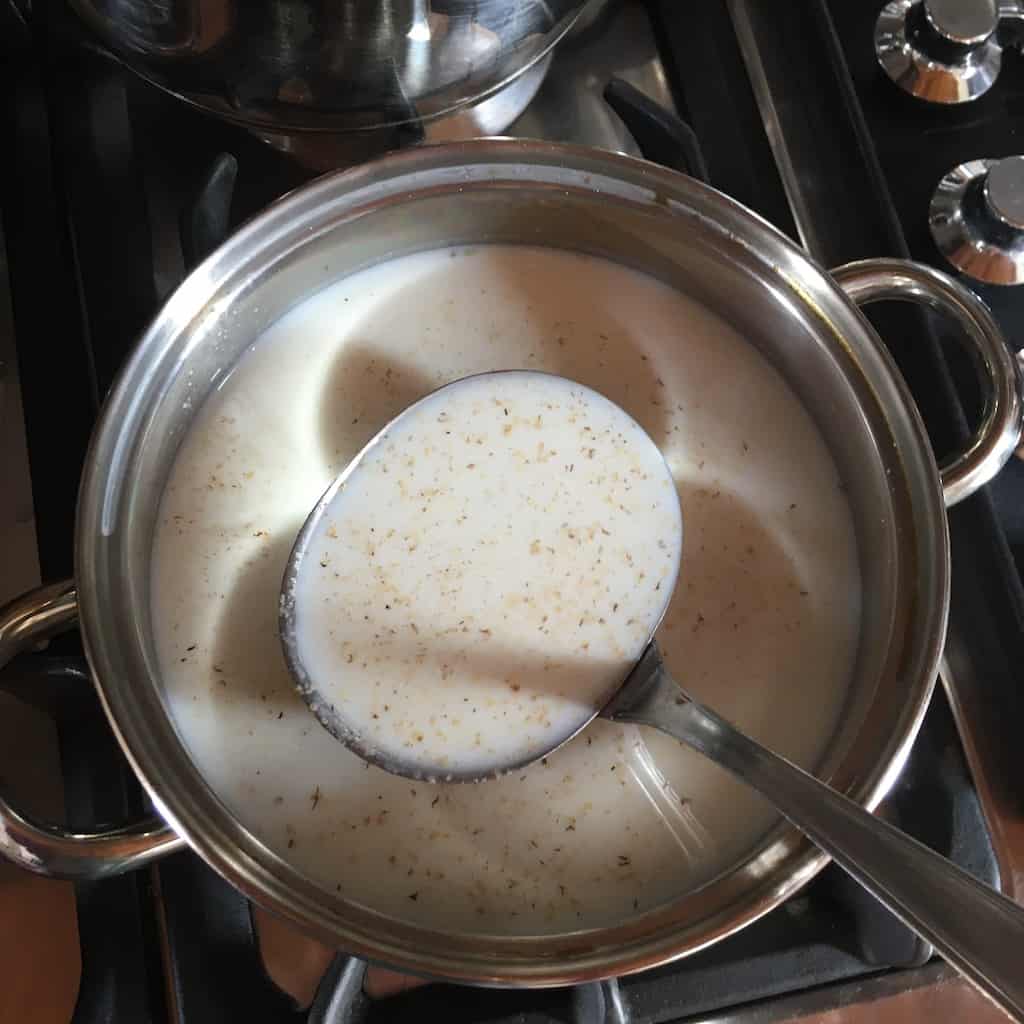
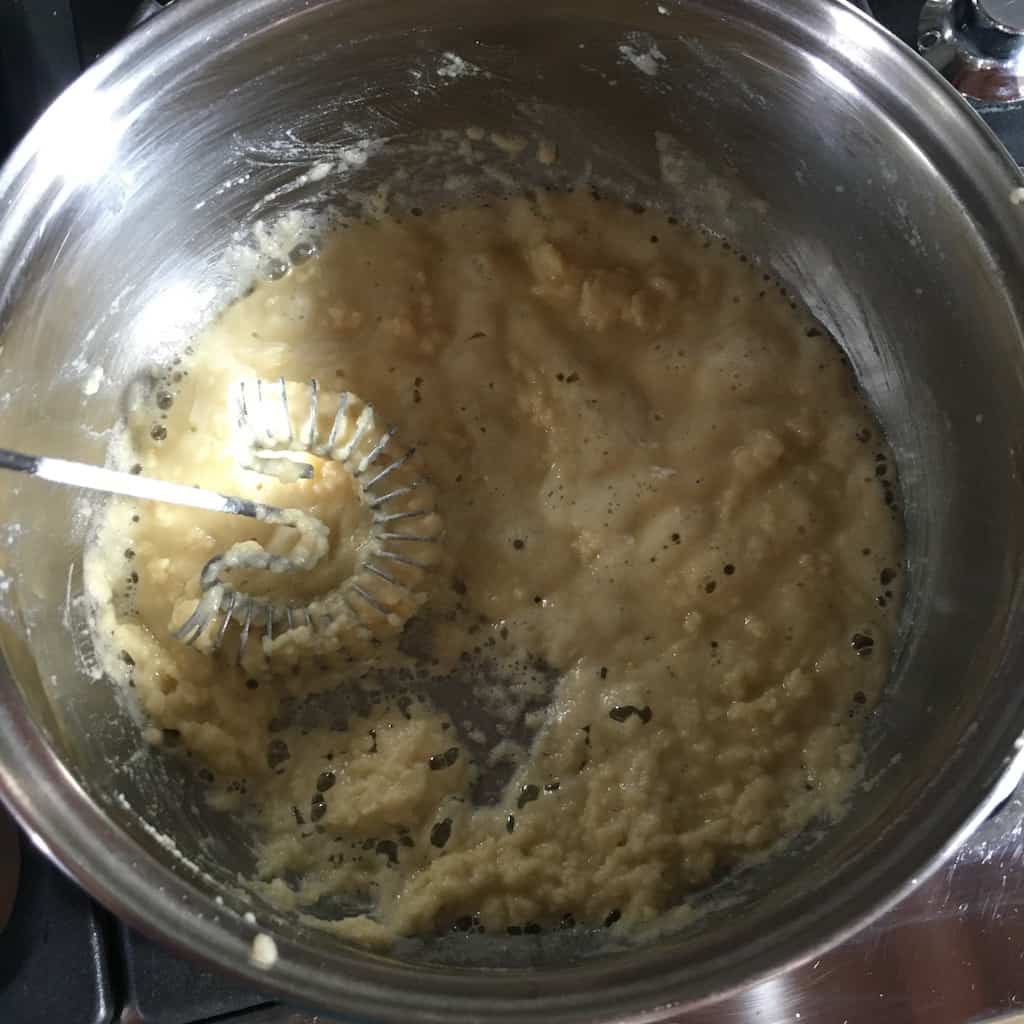
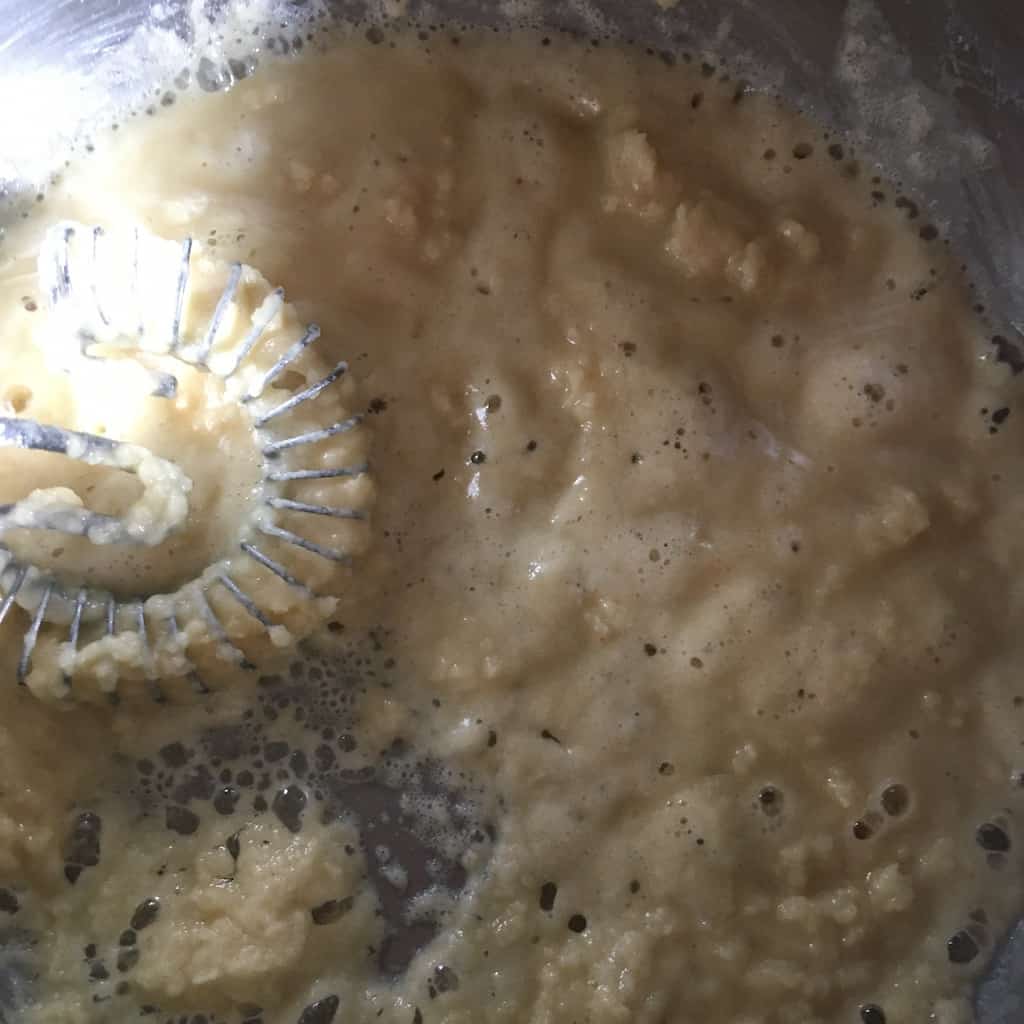
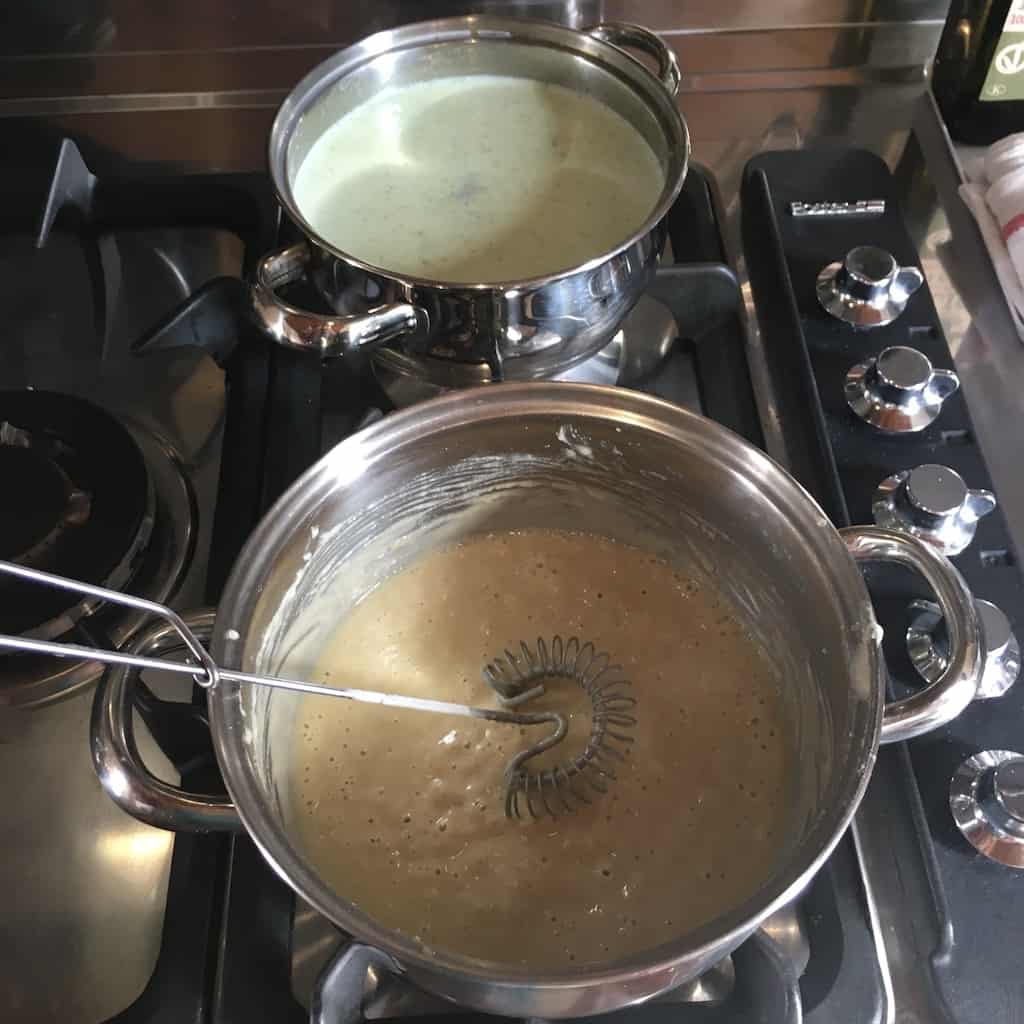
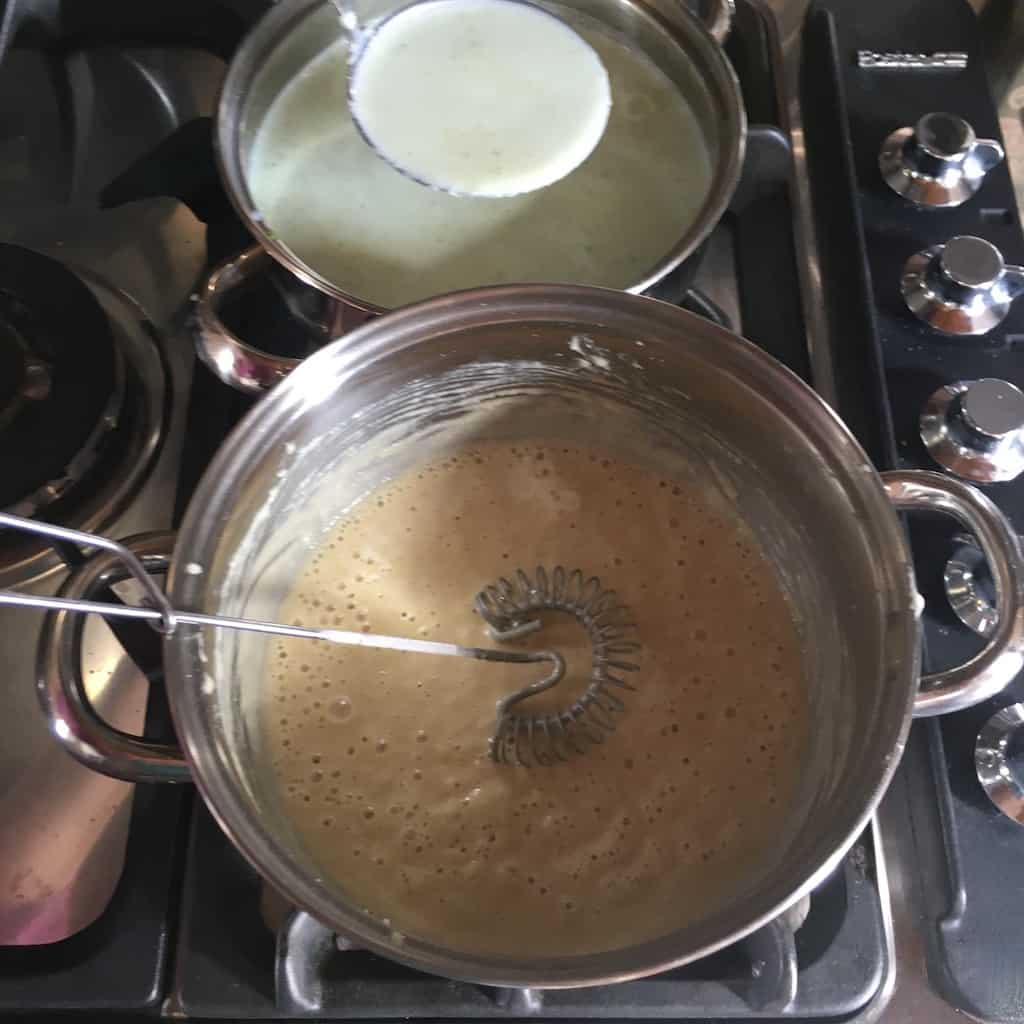
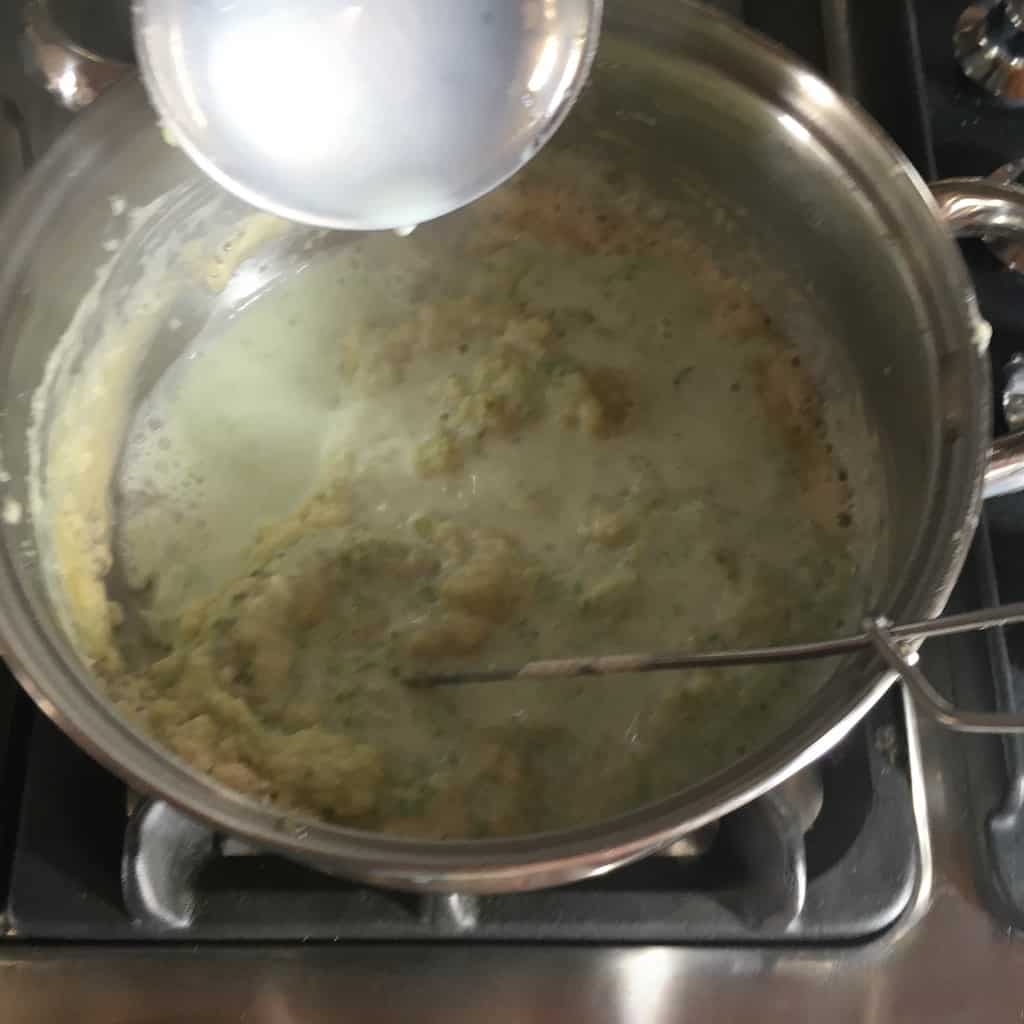
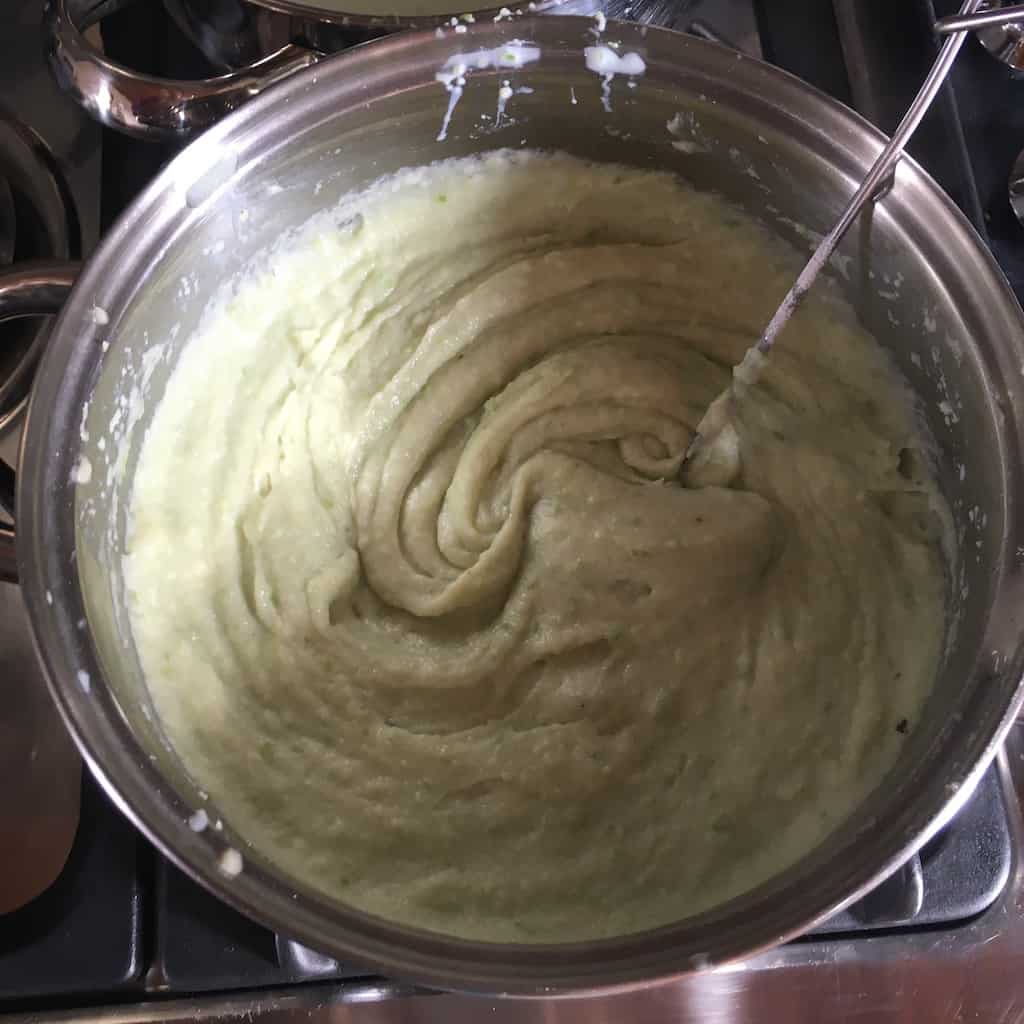
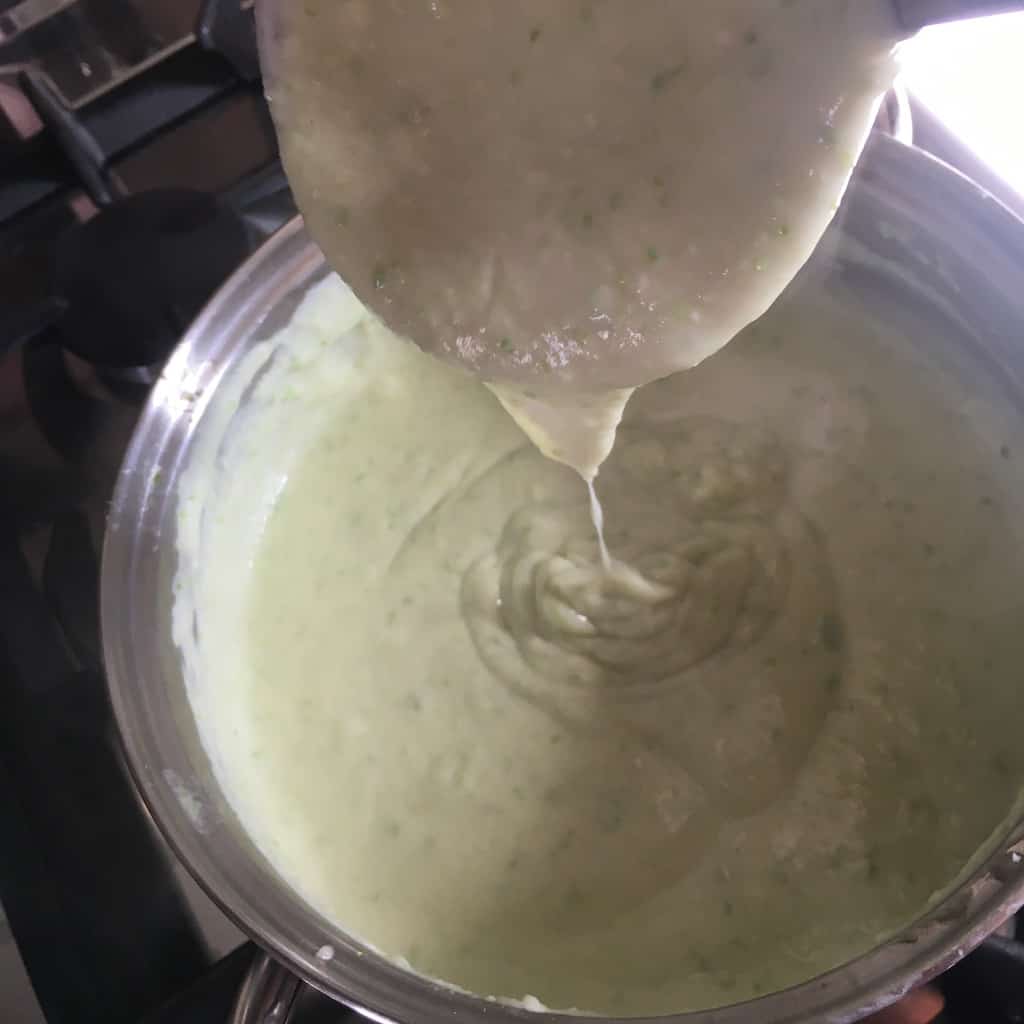
6. Add one ladle of the warm asparagus-milk mixture and whisk vigorously. Continue adding the mixture one ladle at a time, whisking well after each addition. Once all the milk is incorporated, keep cooking and whisking until the sauce thickens and falls in ribbons from the spoon. Taste and adjust salt and nutmeg as needed.
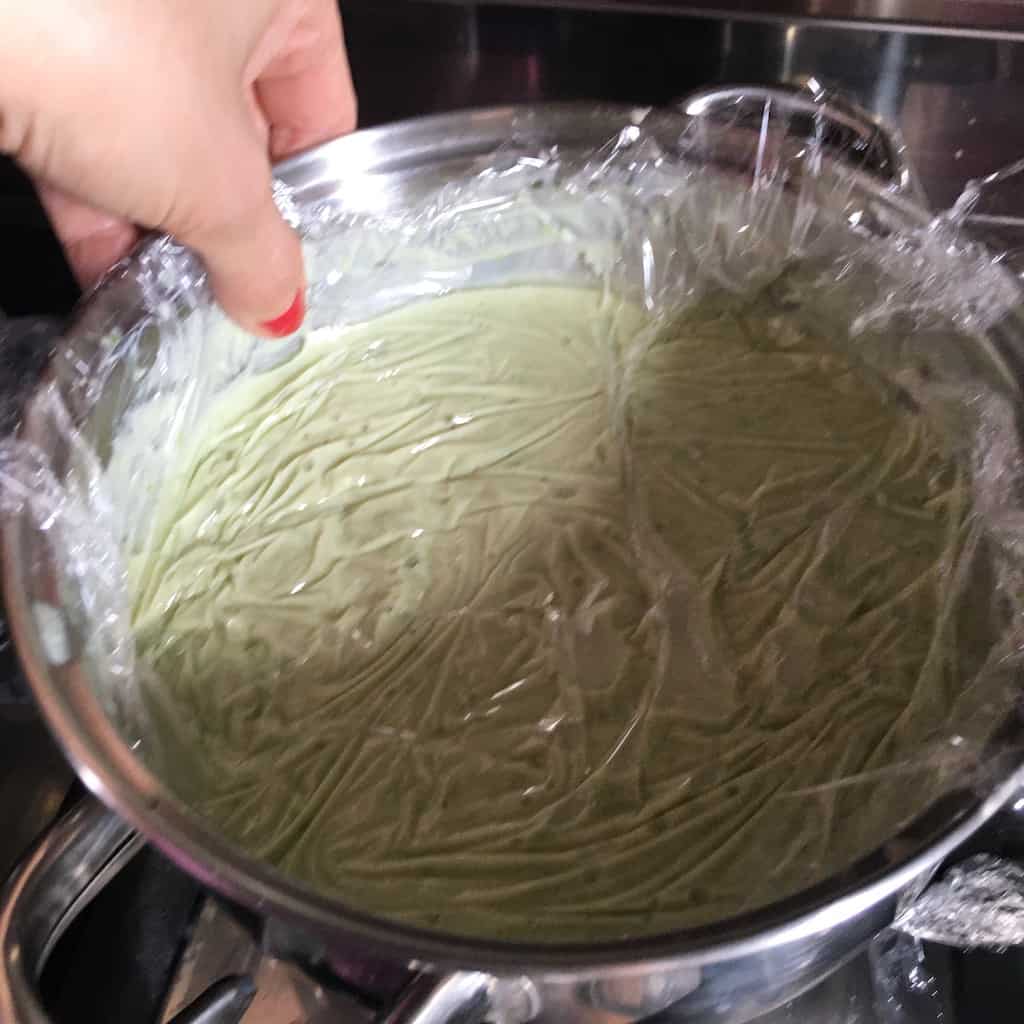
7. Use immediately, or press a piece of parchment paper (or sustainable cling film) directly onto the surface of the sauce to prevent a skin from forming.
Asparagus Béchamel Sauce Step-by-Step Recipe Photos


Ways to use this Asparagus-Béchamel Sauce


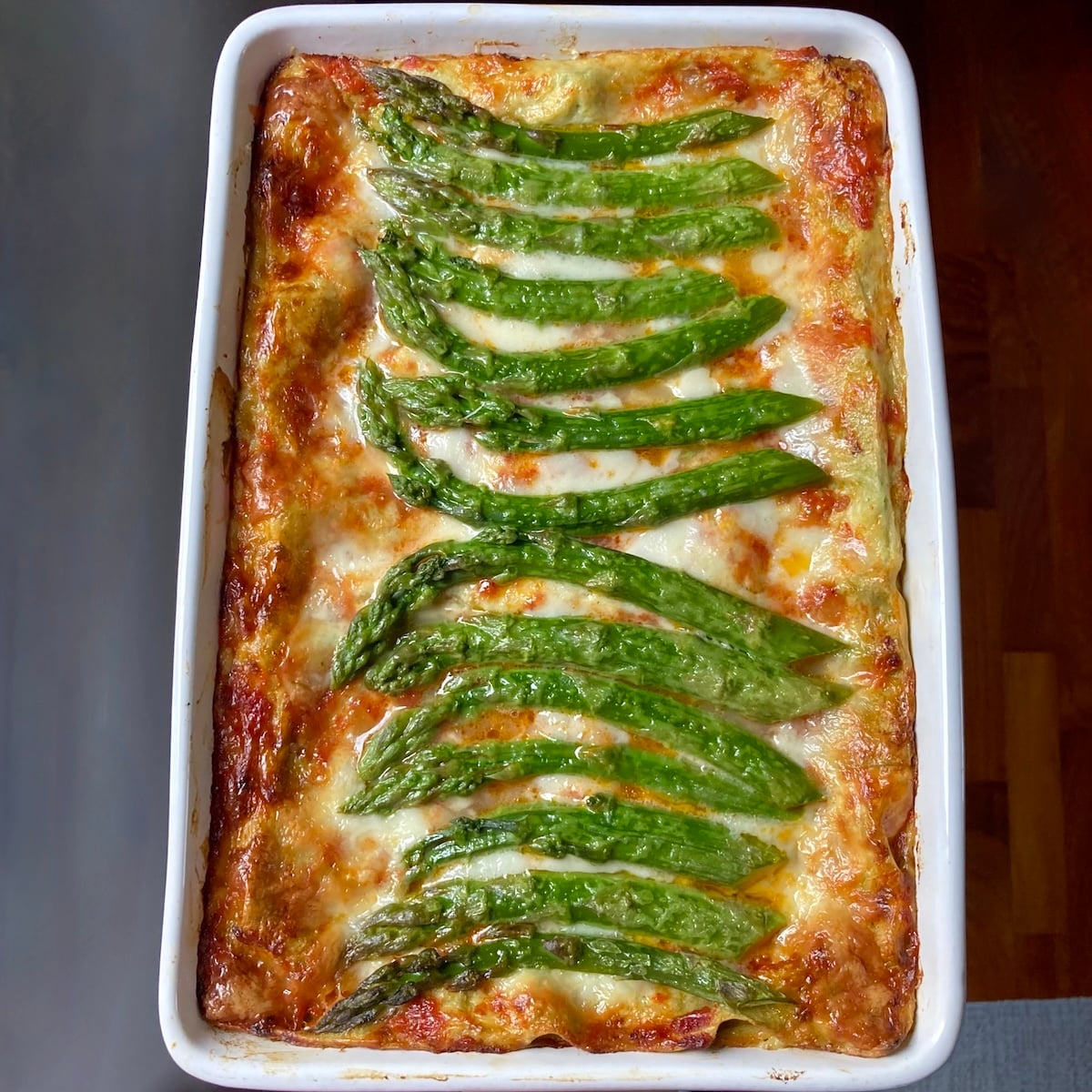
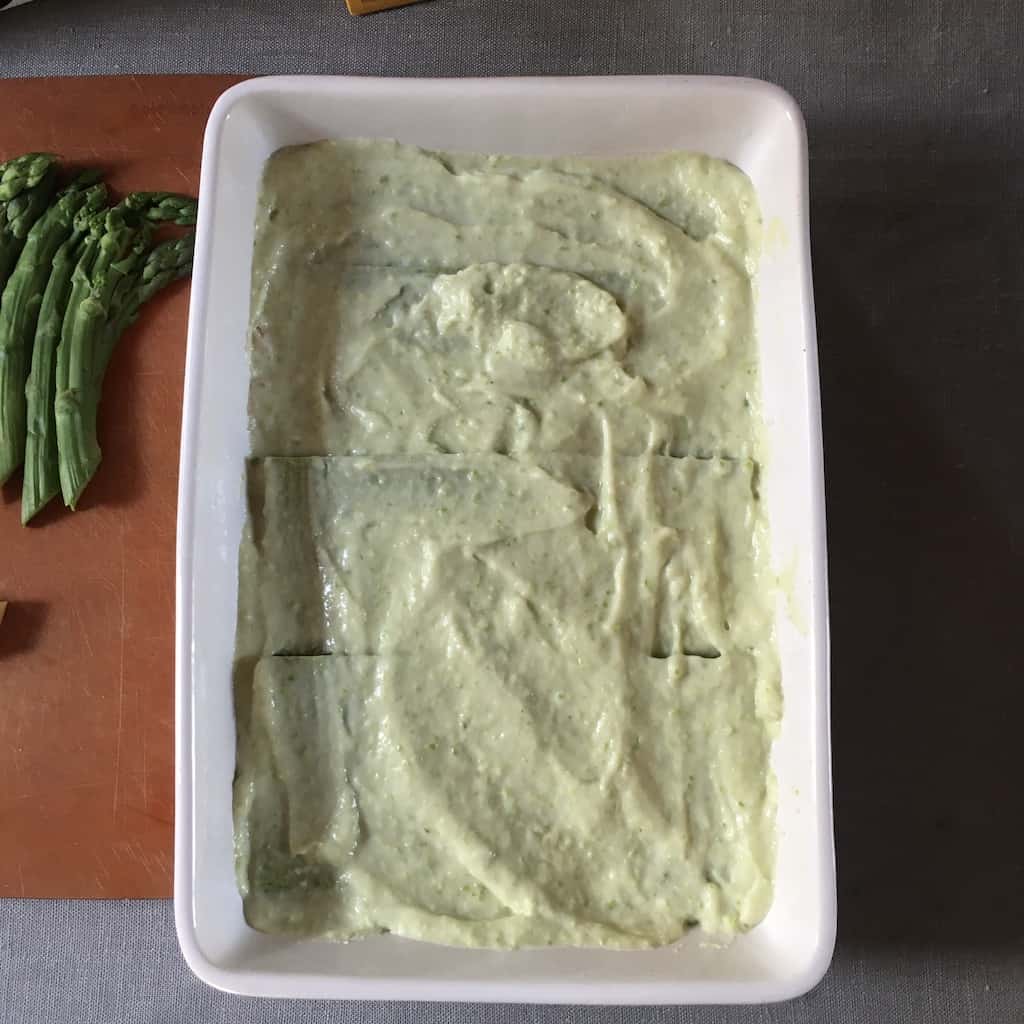
- Layered into Italian Speck & Asparagus Lasagna (w/Asparagus Béchamel + Zucchini Crema)
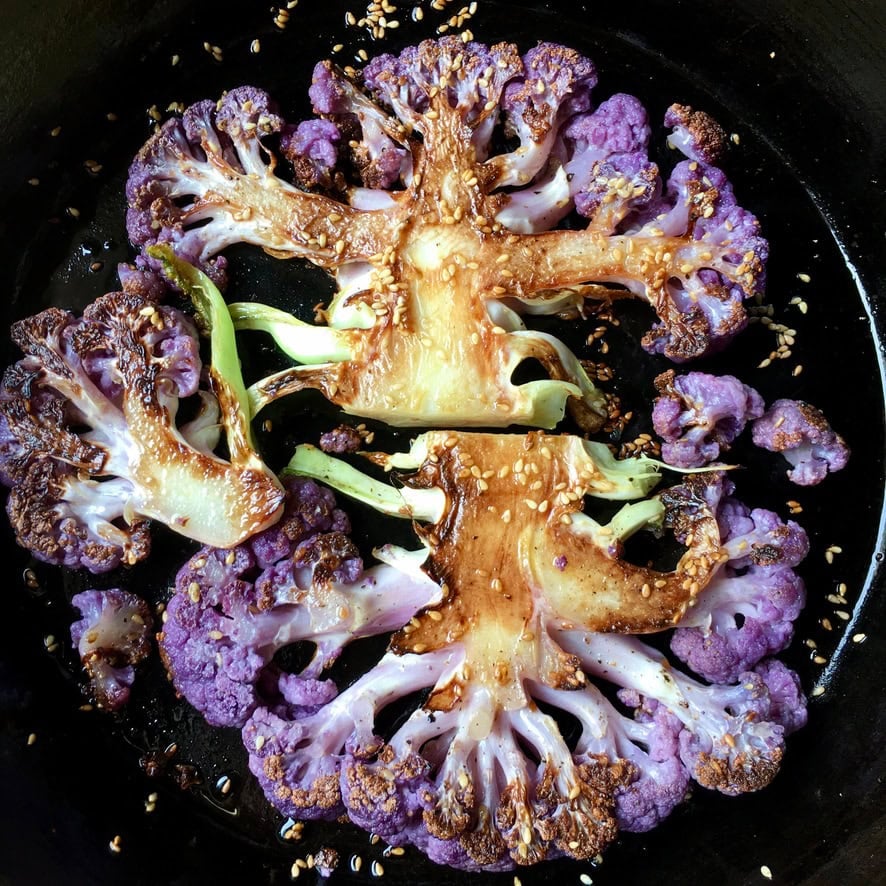
- Drizzled over Purple Cauliflower Sesame "Steaks"
- Layered into Lasagna Bolognese
- layered into Asparagus & Prosciutto Cotto Lasagna
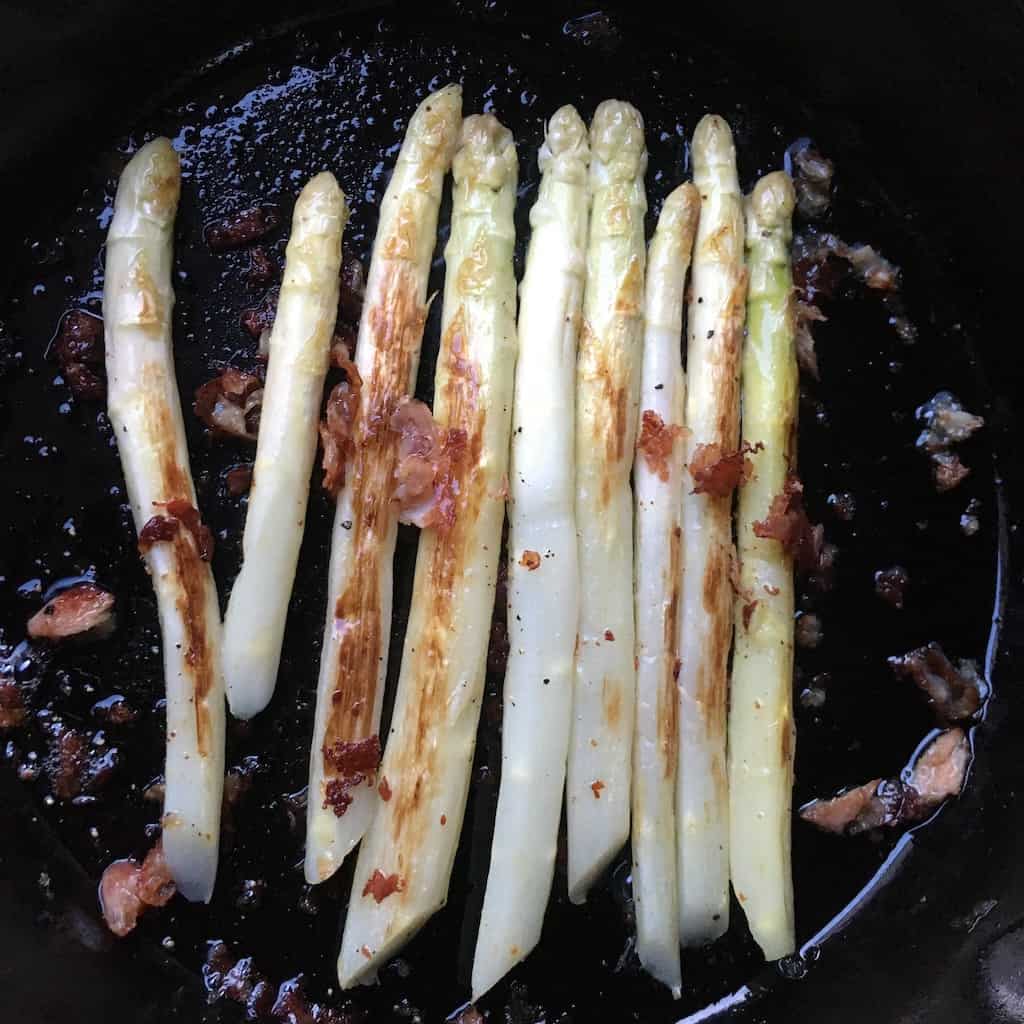
- Drizzled over White Asparagus w/Crispy Ham
- A dipping sauce for crispy Basil Parmesan Panko-Crusted Chicken Breast
Asparagus Béchamel tips + tricks + FAQ's
For best results when measuring ingredients, use a scale as opposed to measuring cups which yields more consistent results and is usually easier and less messy to pull together.
Asparagus béchamel is my springtime twist on the classic French white sauce. It starts with a traditional béchamel - a butter and flour roux with hot milk whisked in, seasoned with freshly grated nutmeg and salt - but fresh asparagus is blanched, puréed, and folded right into the sauce. The result is a vibrant green, velvety sauce with a beautiful color, a boost of nutrition, and a delicate fresh asparagus flavor that makes it perfect for spring entertaining and Easter tables.
The name is thought to come from "balsamo" which was the flour and water face masks that the Florentine women of the time used for beauty treatments. That's a pretty old beauty trick.
Yes, you can freeze asparagus béchamel sauce. Just be sure to cover it completely with parchment paper cut to fit the top to prevent a "skin" from forming on the top. Once cooled completely to room temperature, seal it in an airtight container and freeze it until you need to use it. Thaw in the fridge overnight and whisk a little additional milk into it as you heat it if the mixture seems too thick.
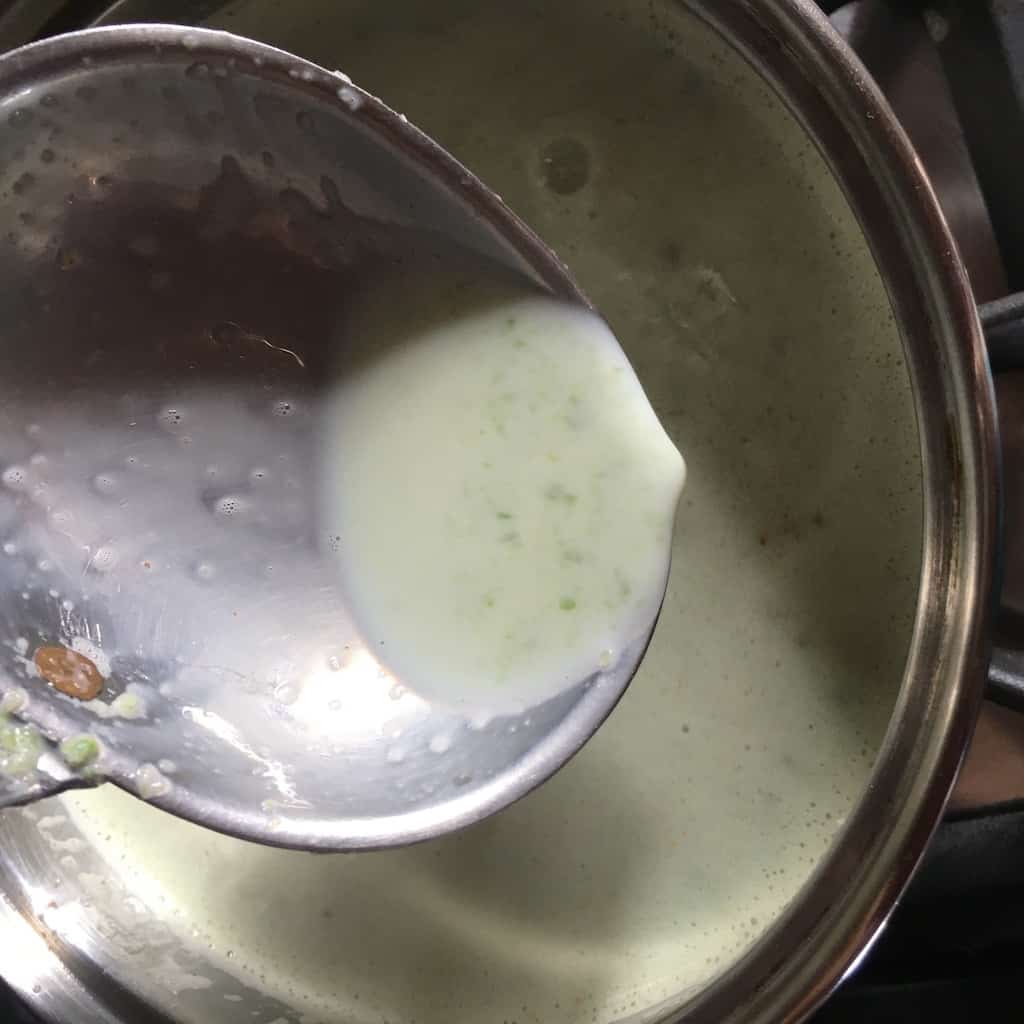
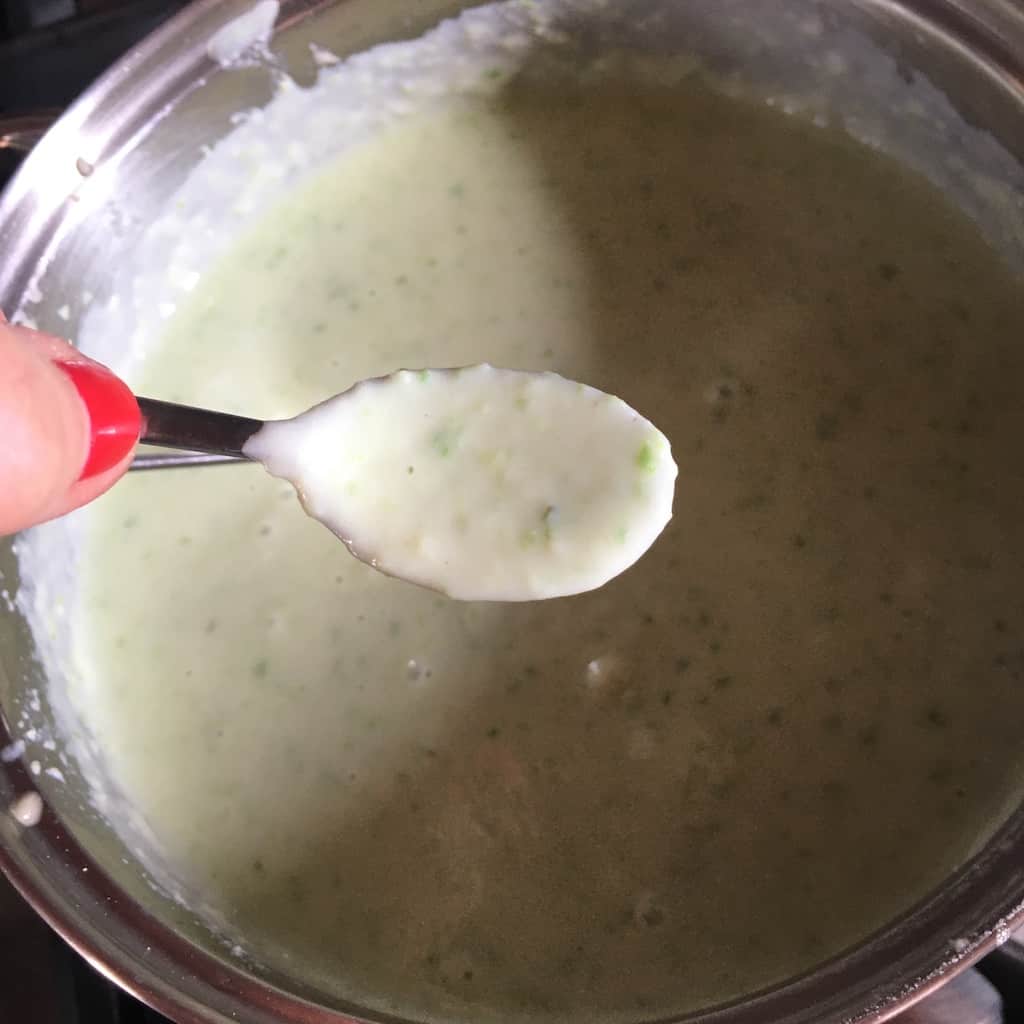
Asparagus béchamel is cooked perfectly when the sauce is slightly thickened and coats the back of a spoon. Meaning, that when you dip a spoon into the sauce and wipe a finger through the middle of the back of the spoon (and the sauce doesn't fill back in the stripe or drip and run), your beautiful green-colored béchamel is ready.
Use good butter, fresh milk, and always cook your flour and butter mixture (aka the roux) for several minutes in order to make sure the flour fully cooks and the butter gets lightly toasted and nutty. Salt it properly and season with whole, grated nutmeg instead of pre-ground nutmeg for the best flavor. Also, whisk the sauce vigorously to ensure a smooth sauce free from pockets or lumps of flour. If you want to add even more flavor to this asparagus béchamel sauce, infuse the milk first with fresh or dried herbs, onions, shallots, etc.
Let's get started!
Print📖 Recipe
Italian Asparagus Béchamel Sauce
- Total Time: 22 minutes
- Yield: 4 ½ cups - or enough for one lasagna
- Diet: Vegetarian
Description
The Real Green Goddess
If you're new to béchamel sauce or just looking for a little inspiration for something new to do with your leftover asparagus (that's slowly dying in the bottom of your fridge), make this tasty green béchamel for dinner tonight (or freeze it to make that lasagna you've been wanting to try this weekend)!
Ingredients
- 5 tablespoons unsalted butter, cut into cubes (70g)
- 9 tablespoons 00 (or all-purpose flour) (70g)
- 3 ¾ cups milk (875g)
- 5 ounces tender fresh asparagus, blanched (140g)
- ¾ teaspoon pink Himalayan salt, or to taste (3-3.5g)
- whole nutmeg freshly grated, to taste
 Get Recipe Ingredients
Instructions
- Blanch the asparagus. Wash and trim the asparagus, keeping only the tender parts. Discard any tough or woody ends or save them for making homemade broth. Bring a medium pot of lightly salted water to a boil. Add 5 ounces (140g) of asparagus and blanch for 1-2 minutes until bright green, then strain.
- Purée the asparagus. Immediately transfer the asparagus to a blender or food processor with ½ cup (or a little more) of the milk, and blend until smooth. Pour the purée into a pot with the remaining milk. Season with salt and freshly grated nutmeg to taste.
- Warm the asparagus-milk mixture over medium heat until hot but not boiling. Turn off the heat, set aside, and keep warm while you make the roux.
- Make the roux. In a separate medium pot, melt the butter over medium heat. Add the flour a little at a time, whisking constantly to prevent lumps. Keep whisking for 5-7 minutes until the flour is cooked and the roux turns lightly golden brown. Reduce the heat to low.
- Combine the milk mixture with the roux. Add one ladle of the warm asparagus-milk mixture and whisk vigorously. Continue adding the mixture one ladle at a time, whisking well after each addition.
- Thicken the béchamel. Once all the milk is incorporated, keep cooking and whisking until the sauce thickens and falls in ribbons from the spoon. It's ready when it coats the back of a spoon. Taste and adjust salt and nutmeg as needed. Use immediately, or press a piece of parchment paper (or sustainable cling film) directly onto the surface of the sauce to prevent a skin from forming.
Notes
- If you want this béchamel sauce to be completely smooth without tiny bits of asparagus, use a Vitamix to ensure it's as smooth as glass. I don't mind the small bits of asparagus and see no reason to break out the Vitamix, but feel free to do so.
- If you need to see a photo of what "coating the back of a spoon" looks like, see the step-by-step recipe photos in the main post.
- Save vegetable end pieces and peels for making stock. I always save my discarded vegetable peels and ends in the freezer and use them to make vegetable and meat stocks weekly. There's no point in throwing these parts out when they can be used to make something nutritious and delicious.
- You may freeze the béchamel for later use, just be sure to place a piece of wax paper, parchment, or plastic wrap in direct contact with the sauce to prevent a "skin" from forming and to avoid ice crystals.
- If you cook the béchamel too long and it becomes too thick, add warmed milk to it a little at a time until you've reached the desired consistency.
- If you want a thicker or thinner béchamel, you control this aspect by how long you cook the béchamel once all the milk has been added. Cook it less for a thinner sauce, and more for a slightly thicker sauce.
- Prep Time: 10 minutes
- Cook Time: 12 minutes
- Category: Sauces + Spreads + Dips
- Method: Stovetop + Food Processor
- Cuisine: Italian
Nutrition
- Serving Size: ¼ cup




Made the Recipe? Tell Us What You Think!